
Let's cut through the noise: you don't need a commercial gym membership to build serious strength and muscle. Elite athletes across disciplines: from gymnasts and ninja warriors to MMA fighters and CrossFit competitors: have proven that bodyweight training delivers exceptional results when programmed correctly.
The secret isn't in fancy equipment or Instagram-worthy gym setups. It's in understanding fundamental movement patterns, progressive overload principles, and how to manipulate leverage and tempo to create challenge. This guide will show you exactly how to build a complete bodyweight training system at home that rivals any traditional gym program.
Why Bodyweight Training Works (And Why Most People Do It Wrong)
Bodyweight training forces you to move as a complete system, not as isolated muscle groups. When you perform a proper push-up, you're not just working your chest: you're coordinating your entire kinetic chain from toes to fingertips. This functional integration translates directly to real-world performance, whether you're scaling obstacles, throwing strikes, or executing complex gymnastics movements.
The problem? Most people approach bodyweight training like a watered-down version of weight training. They hammer out endless reps of basic exercises without progressing to more challenging variations. That's like showing up to the gym and bench pressing the empty bar for years: you'll maintain what you have, but you won't build anything new.
True bodyweight mastery requires progressive difficulty, not just progressive volume. Once you can knock out 20 clean push-ups, it's time to elevate your feet, add tempo variations, or progress to archer push-ups and one-arm variations. This is how gymnasts develop the strength-to-weight ratio that makes their feats look superhuman.
The Six Foundational Movement Patterns
Every effective full body workout at home should address six core movement functions. Master these categories, and you'll develop balanced, functional strength that translates across all athletic pursuits:
1. Lower Body Anterior Chain (Quad-Dominant)
Bodyweight squats form the foundation, but don't stop there. Progress through:
- Jump squats for explosive power
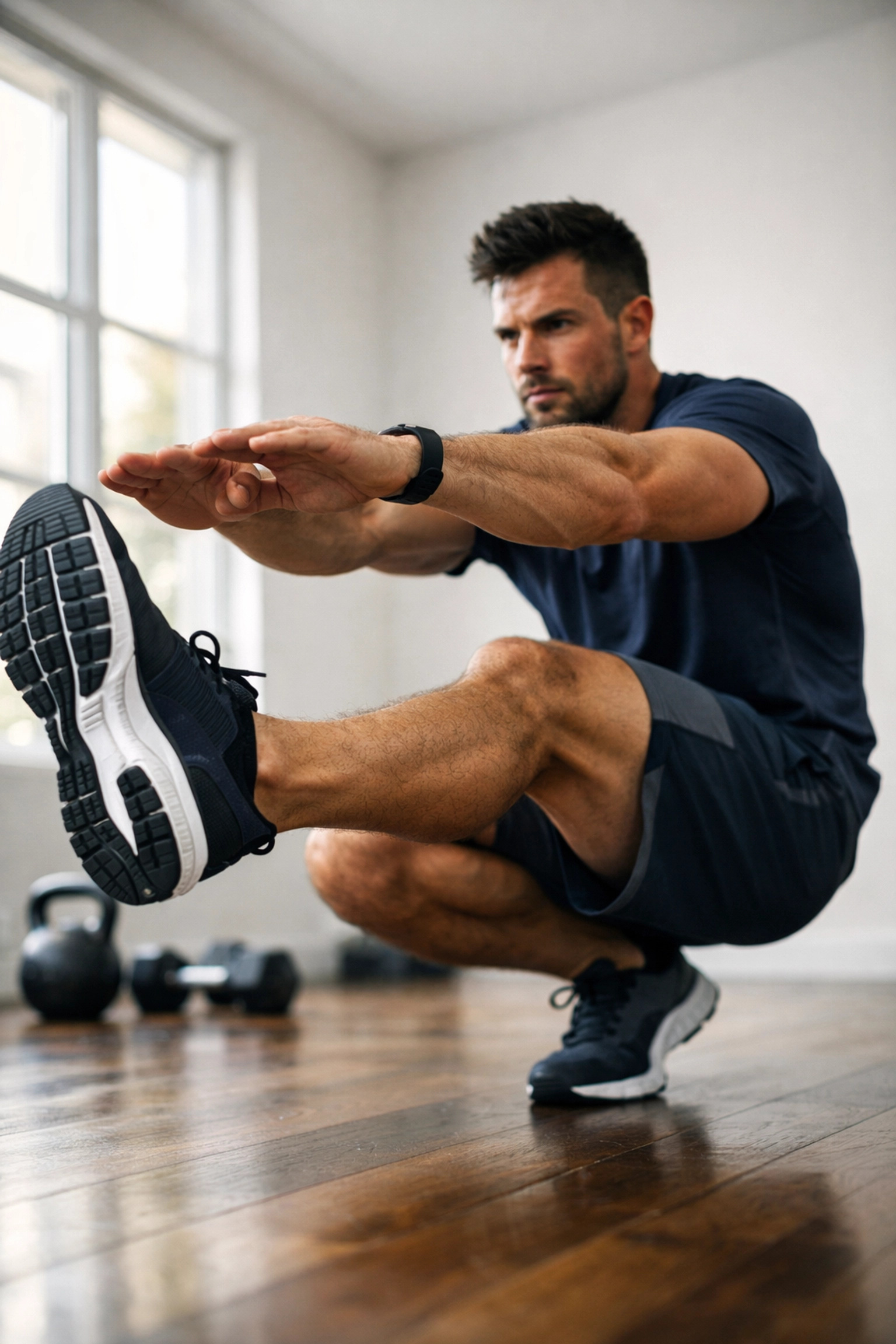
- Pistol squats for unilateral strength
- Shrimp squats for quad isolation
- Bulgarian split squats using a chair or couch
Stand with feet hip-width apart, push your hips back, and descend until your thighs are parallel (or below). Drive through your entire foot: not just your toes: to return to standing. Keep your chest up and core braced throughout.
2. Lower Body Posterior Chain (Glute and Hamstring Focus)
Single-leg glute bridges and Nordic curls dominate here. For glute bridges, lie on your back with knees bent and feet planted. Drive one foot into the ground while extending the opposite leg, lifting your hips until your body forms a straight line. Squeeze hard at the top.
Nordic curls require an anchor point for your ankles (this is where having a Resistance Rail becomes invaluable). Lower yourself forward with control, catching yourself with your hands, then pull back up using your hamstrings. Even partial reps build serious strength.
3. Upper Body Push (Chest, Shoulders, Triceps)
Push-up variations offer nearly unlimited progression:
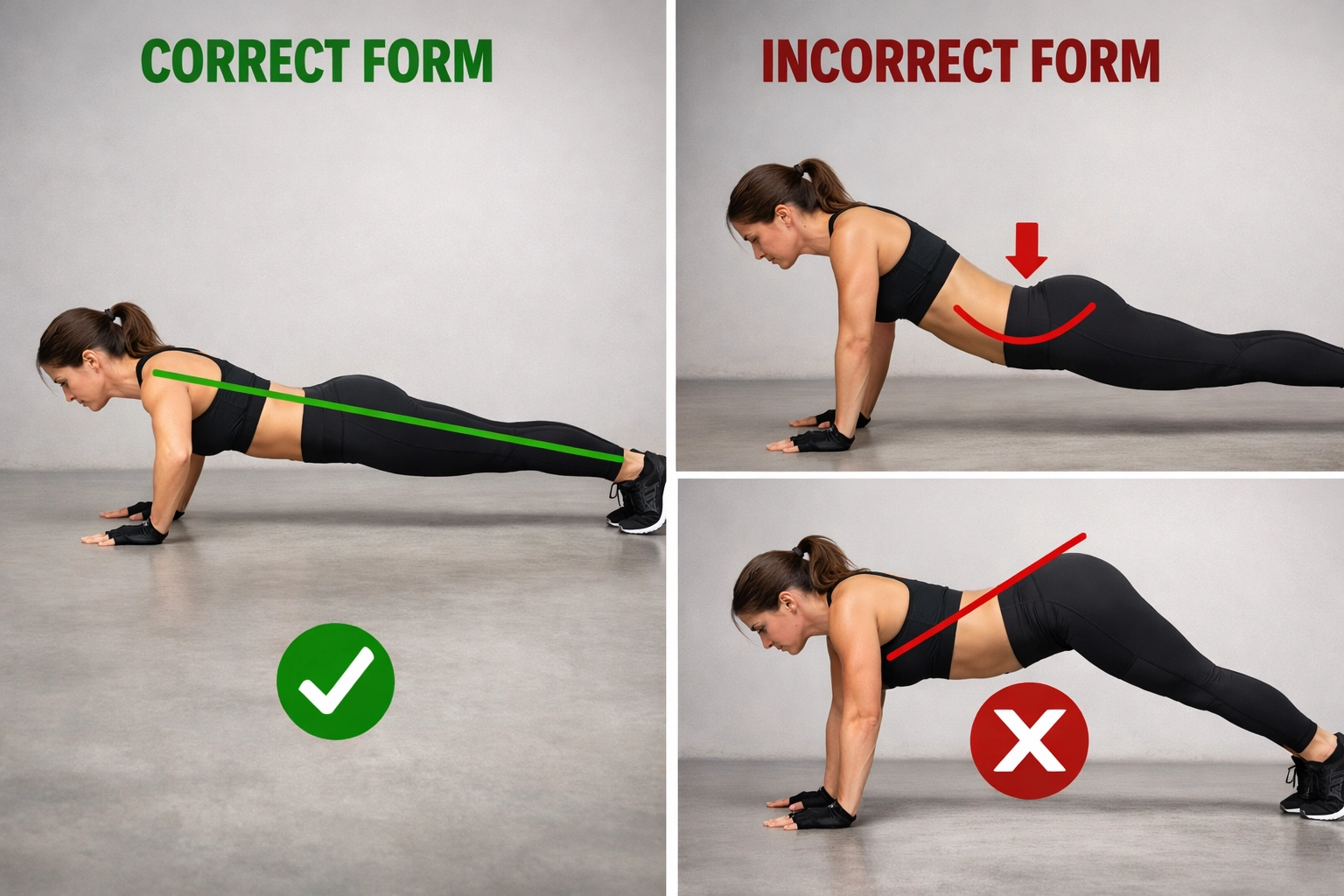
- Standard push-ups: hands slightly wider than shoulders, lower until chest nearly touches the floor
- Diamond push-ups: hands forming a diamond, emphasizing triceps
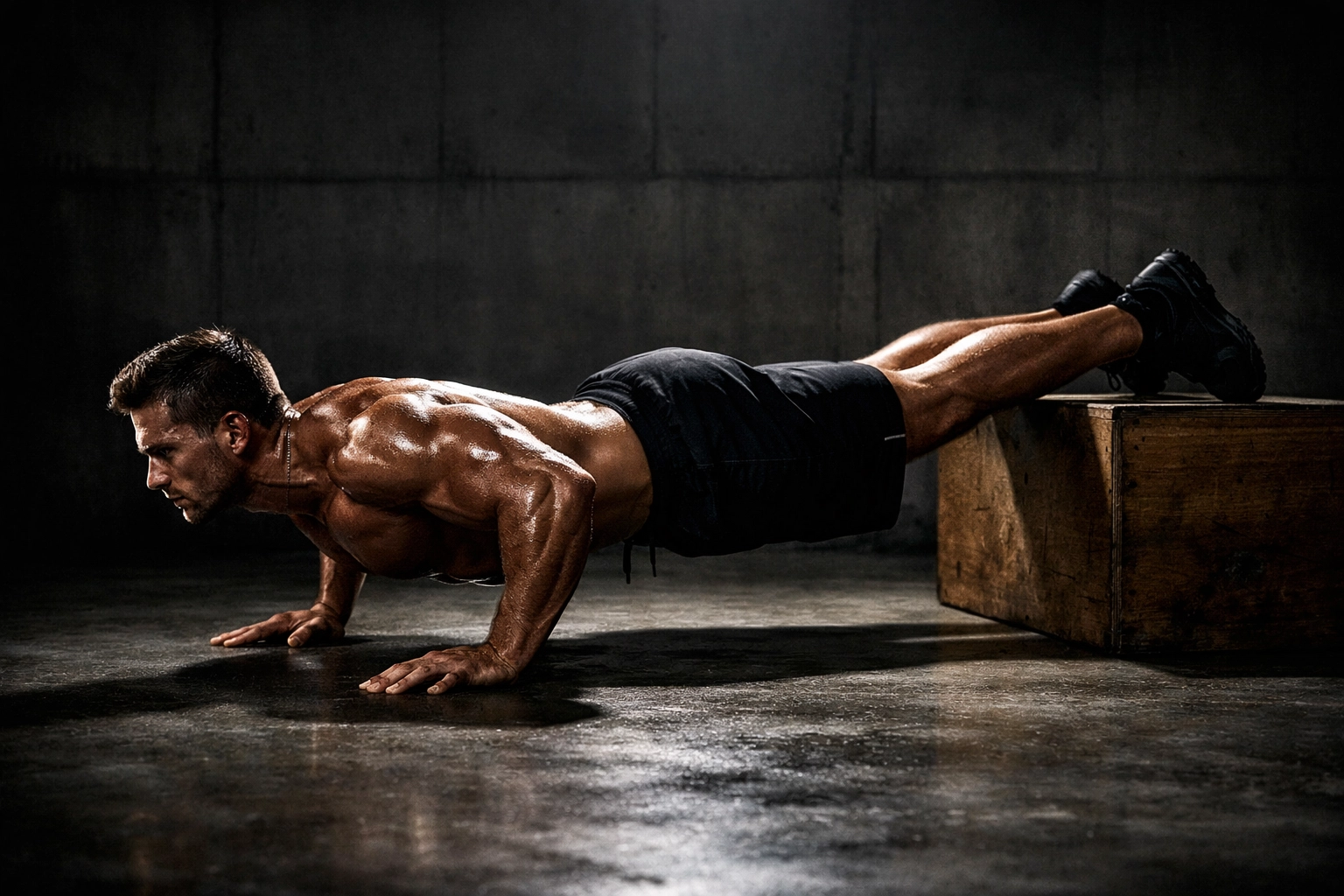
- Decline push-ups: feet elevated to increase difficulty
- Archer push-ups: shift weight to one arm while the other extends
- Pseudo planche push-ups: hands positioned near hips, leaning forward
Dips provide another crucial pushing angle. Use parallel bars, chair backs, or a stable surface. Lower until your upper arms are parallel to the ground, then press back up. Keep your shoulders down and back: no shrugging.
4. Upper Body Pull (Back, Biceps, Grip)
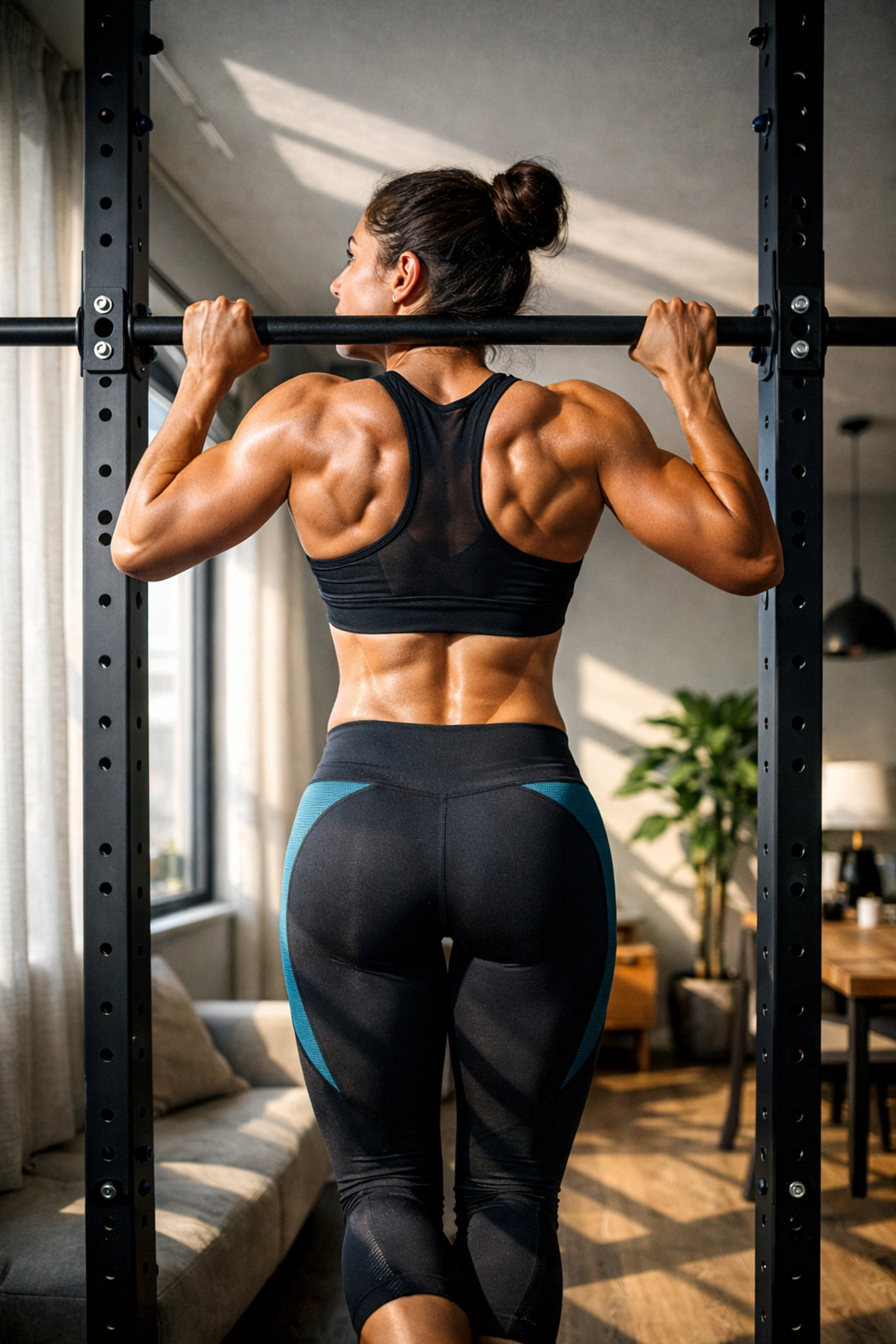
This is where many bodyweight programs fail. Pulling movements are non-negotiable for balanced development, but they require an anchor point. You can improvise with a sturdy table, but serious athletes need proper pulling equipment.
Essential pulling progressions include:
- Australian rows: body angled under a bar, pulling chest to the bar
- Pull-ups: dead hang to chin over bar, full range of motion
- Chin-ups: underhand grip for increased bicep engagement
- Archer pull-ups: pulling primarily with one arm
- L-sit pull-ups: legs extended forward at 90 degrees
If you're serious about calisthenics equipment for home use, you need a reliable anchor system. The Bold Body Fitness Resistance Rail solves this perfectly: it installs between floor and ceiling without wall damage, giving you a versatile pull-up bar alternative that handles everything from strict pull-ups to muscle-ups.
5. Core and Rotation
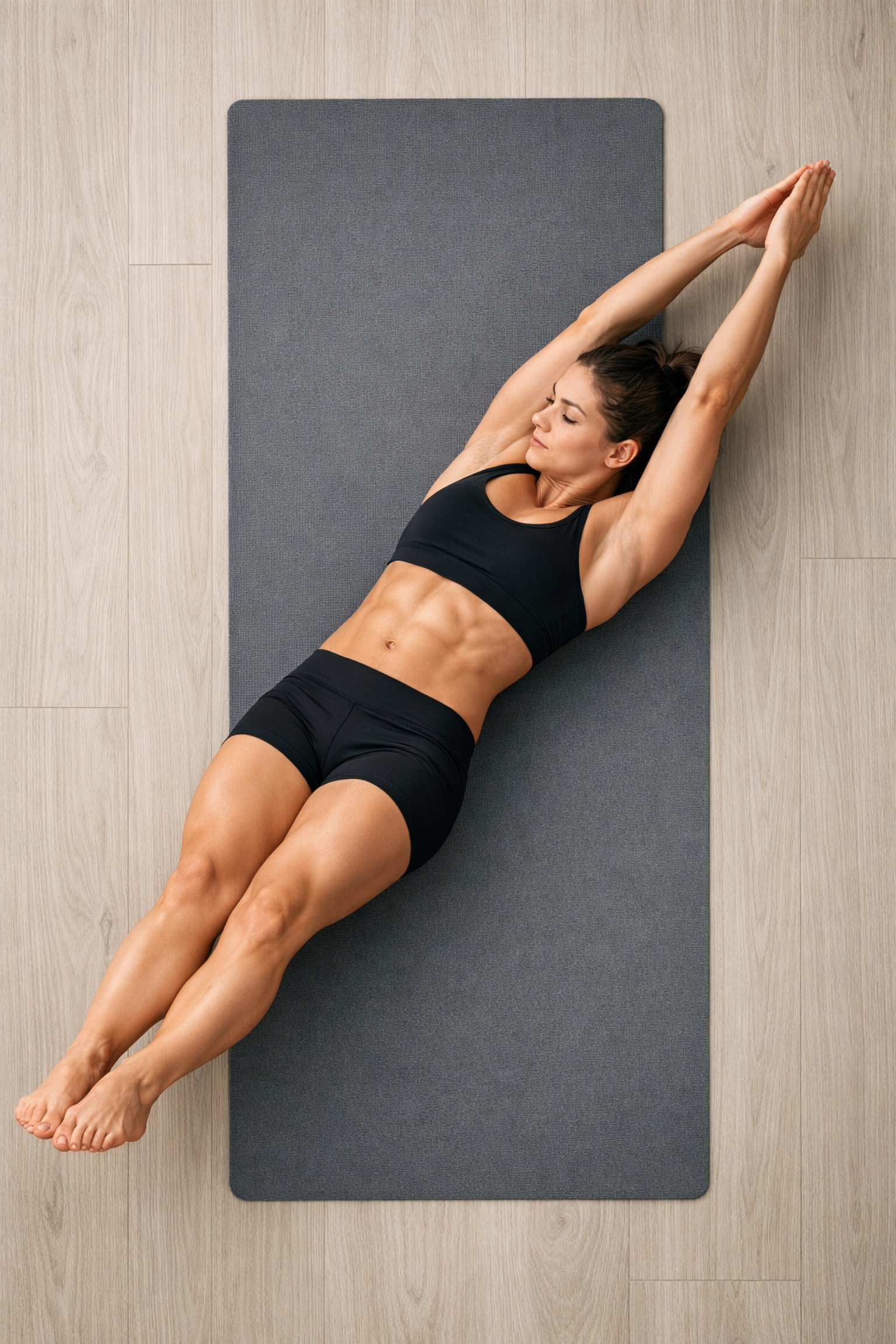
Hollow body holds build the foundation for advanced gymnastics movements. Lie on your back, press your lower back into the floor, and lift your shoulder blades and feet off the ground. Arms extend overhead. Hold this tension: it's harder than it looks. Work up to 60-second holds.
Add in:
- Planks: standard, side, and dynamic variations
- Dead bugs: alternating arm and leg extensions while maintaining lower back contact with the floor
- L-sits: seated position with legs extended, lifting your body off the ground with locked arms
6. Corrective and Mobility Work
Wall slides target upper back and shoulder health. Stand against a wall with arms at 90 degrees (goal post position). Slide your arms up the wall while maintaining contact with your head, shoulders, and arms. This counters the forward shoulder posture from all that pushing.
Scapular push-ups and skin the cats (requires a bar) maintain shoulder mobility and control crucial for injury prevention.
Building Your Training Schedule
Structure matters. Here's a proven framework for bodyweight training at home:
Monday/Wednesday/Friday Split:
Workout A:
- Lower Body Anterior: Pistol squat progression (3×8 each leg)
- Upper Body Push: Push-up variation (3×12-15)
- Lower Body Posterior: Single-leg glute bridge (3×12 each leg)
- Upper Body Pull: Pull-up or row variation (3×8-10)
- Core: Hollow body hold (3×45-60 seconds)
Workout B:
- Lower Body Anterior: Jump squats (3×10)
- Upper Body Push: Dip variation (3×10-12)
- Lower Body Posterior: Nordic curl negatives (3×5)
- Upper Body Pull: Chin-ups (3×6-8)
- Core: L-sit progression (3×30-45 seconds)
Minimal rest between exercises: 60 seconds maximum. Alternating between upper and lower body movements keeps intensity high while allowing local recovery.
Tuesday/Thursday/Saturday:
- Active recovery
- Mobility work
- Skill practice (handstands, L-sits, muscle-up progressions)
Progressive Overload Without Weights
Adding weight isn't your only tool. Manipulate these variables:
Leverage: Moving your center of gravity further from your base of support increases difficulty dramatically. Compare a regular push-up to a pseudo planche push-up: same muscles, vastly different challenge.
Tempo: Slow down the eccentric (lowering) phase to 5 seconds. The time under tension will humble you. Or add pauses at the hardest position.
Range of Motion: Deficit push-ups with hands on elevated surfaces demand more depth. Deep squats beat parallel squats for development.
Unilateral Training: Two legs are easier than one. Progress every bilateral movement to single-leg or single-arm variations.
Instability: Elevate your feet for push-ups. Perform rows with feet elevated. Increase the angle to increase difficulty.
The Equipment Advantage
Pure bodyweight training is powerful, but strategic equipment amplifies your potential. You don't need a CrossFit home gym full of barbells and bumper plates. What you need is versatile, space-efficient gear that expands your movement vocabulary.
A floor to ceiling gym system like the Resistance Rail transforms your space. It provides:
- Pull-up capacity without drilling into walls or finding studs
- Ring attachment points for gymnastic training
- Resistance band anchors at multiple heights
- Battle rope and suspension trainer compatibility
This single piece of equipment: installed and removed in minutes with zero wall damage: opens up hundreds of advanced progressions. Check out the full range at Bold Body Fitness to see what's possible with intelligent equipment choices.
Parallettes for L-sits and handstand training, gymnastics rings for dynamic pulling and pushing, and resistance bands for assisted movements round out a complete no wall damage workout system.
Sample 4-Week Progression Plan
Week 1-2: Foundation
Focus on perfect form with moderate difficulty variations. Establish baseline work capacity. Video yourself: technique matters more than ego.
Week 3-4: Volume Increase
Add sets or reps while maintaining form. If you started with 3 sets, move to 4. If you did 8 reps, aim for 10-12.
Week 5-6: Intensity Increase
Progress to harder variations. Standard push-ups become decline push-ups. Australian rows become pull-ups with band assistance.
Week 7-8: Test and Reset
Test max reps on key movements. Choose new progressions based on current capacity. Start the cycle again with harder baseline exercises.
Nutrition Considerations
You can't out-train a terrible diet. Bodyweight training builds impressive relative strength, but muscle growth requires:
- Adequate protein: 0.8-1g per pound of bodyweight daily
- Sufficient calories: slight surplus for building, maintenance for recomposition
- Quality carbohydrates: fuel for high-intensity training
- Consistent meal timing: regular feeding supports recovery
Common Mistakes to Avoid
Ignoring pull-ups: You can't push your way to balanced development. Find a way to pull.
Staying in your comfort zone: If you can do 30 reps of something, you're training endurance, not building strength. Progress the movement.
Skipping legs: Your legs contain the largest muscle groups in your body. Train them as hard as your upper body.
Neglecting mobility: Flexibility limits strength expression. Spend 10 minutes daily on mobility work.
Training through pain: Discomfort during hard sets is normal. Sharp pain or joint issues are warnings. Listen to your body.
Take Action Today
Bodyweight training at home isn't a compromise: it's a legitimate path to elite fitness when approached with intelligence and intensity. You have everything you need to start right now. Clear some floor space, pick three exercises from different movement categories, and complete three rounds.
As you progress and outgrow basic progressions, strategic equipment investments like quality parallettes or a Resistance Rail system will unlock advanced training that builds the kind of strength that turns heads.
The athletes dominating ninja warrior courses, competing in gymnastics, and controlling opponents in the cage didn't build their capabilities in commercial gyms with rows of machines. They mastered their bodyweight first. Now it's your turn.
Start simple. Progress deliberately. Stay consistent. Your body is the most sophisticated training tool you'll ever own: it's time to learn how to use it.
Want more workout ideas and training strategies? Visit Bold Body Fitness for exercise tutorials, equipment guides, and a community of serious home training athletes.
