
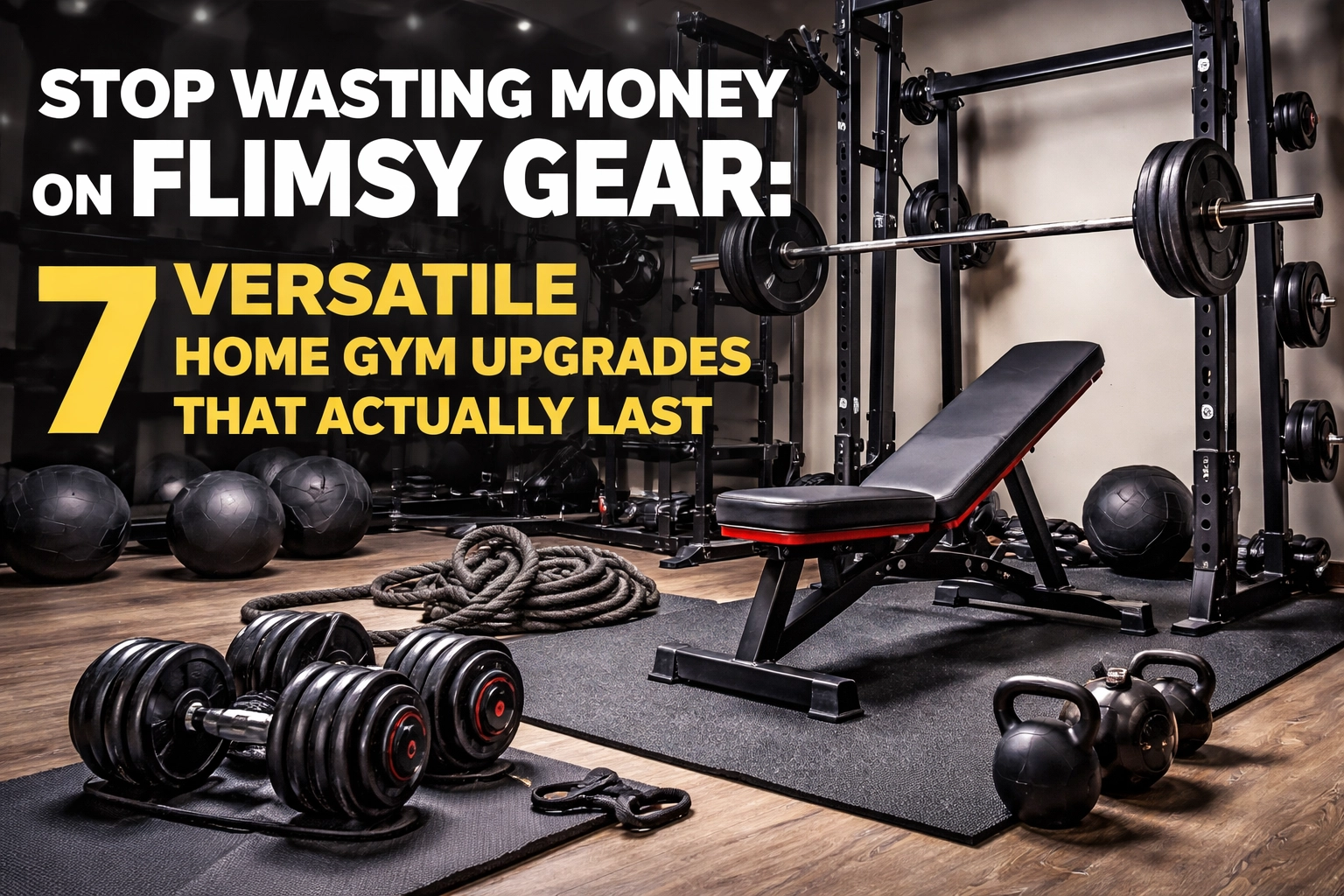
Let's be brutally honest here.
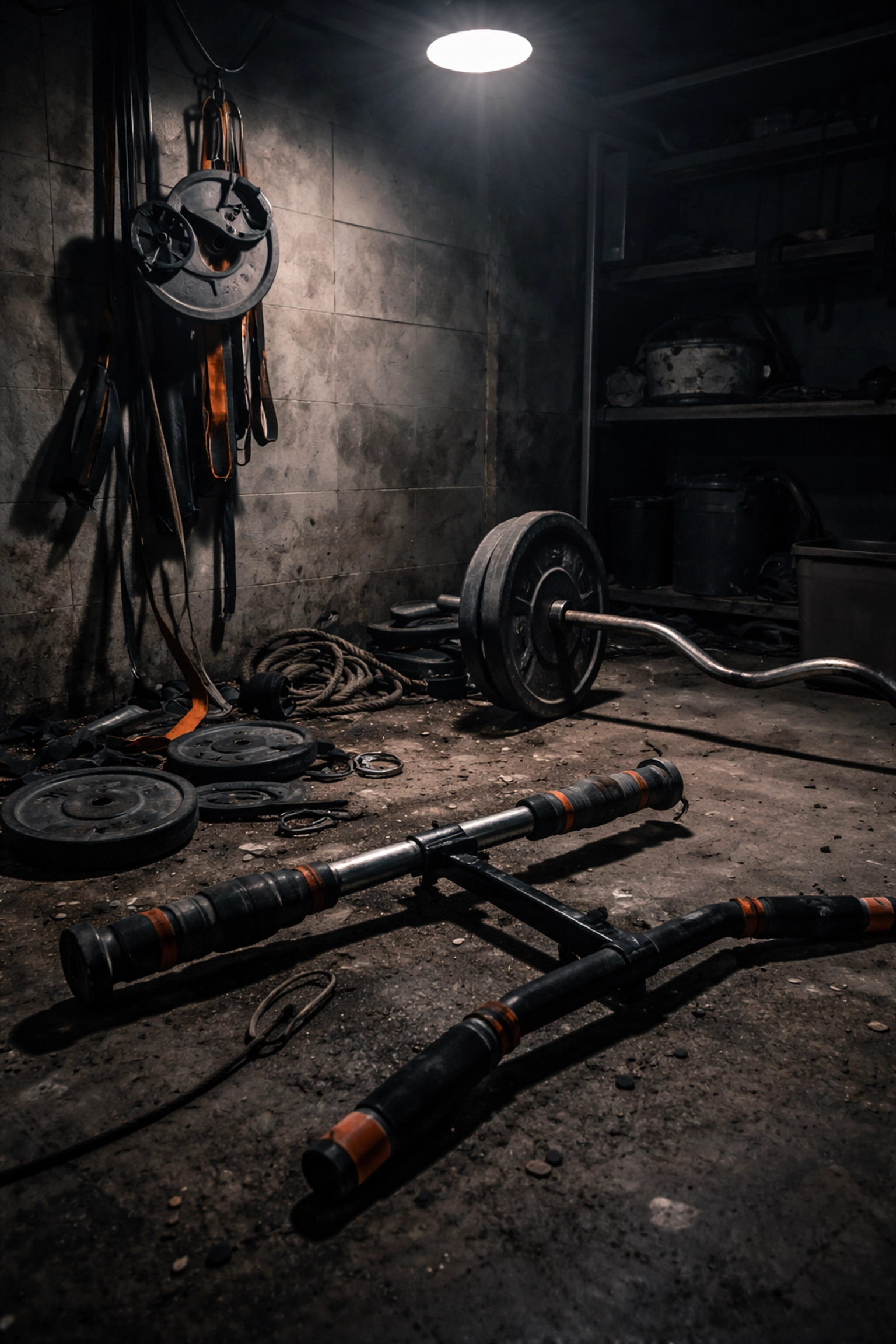
You've probably bought at least one piece of home gym equipment that's now collecting dust in your garage. Maybe it wobbled the first time you loaded real weight on it. Maybe the cables frayed after six months. Or maybe you realized it only does one thing: and not even that well.
That ends today.
Whether you're a CrossFit athlete grinding through WODs, an MMA fighter working on explosive power, a gymnast perfecting your bodyweight skills, or a ninja warrior training for your next competition, you need home gym equipment that can keep up with your intensity. Not equipment that gives up before you do.
This guide covers seven versatile home gym upgrades that serious athletes swear by. We're talking equipment built to last years, not months. Gear that adapts to your training style instead of limiting it. And options that won't destroy your walls or your wallet in the process.
Let's get into it.
Why Cheap Home Gym Equipment Fails (And Costs You More)
Here's the math most people ignore: buying three $150 pieces of junk costs more than one $400 piece of quality equipment.
Cheap gear fails for predictable reasons:
- Thin-gauge steel that bends under load
- Plastic pulleys that crack and seize up
- Flimsy cables that fray and snap
- Unstable bases that wobble and create injury risk
- Limited functionality that forces you to buy more gear
When you're doing serious resistance training or explosive bodyweight training at home, you can't afford equipment failure mid-rep. A pull-up bar that rips out of the wall. A cable machine that jams during a superset. A power rack that wobbles during heavy squats.
These aren't just inconveniences: they're training killers and injury risks.
The smart play? Invest in versatile, durable equipment once. Train hard for years. Save money and get better results.
7 Home Gym Upgrades Built for Serious Athletes
1. A Heavy-Duty Power Rack (The Foundation of Any Serious Gym)
If you're lifting heavy, everything starts with a solid rack. Look for 11-gauge steel construction minimum and a weight capacity of at least 1,000 pounds. The REP Fitness PR-4000 sets the standard here with its heavy-duty build and expansion options.
A quality power rack serves as the foundation for squats, bench press, overhead press, and rack pulls. Add J-hooks, safety straps, and band pegs, and you've got a CrossFit home gym centerpiece that handles everything from strength work to conditioning.
What to look for:
- 11-gauge or thicker steel
- Westside hole spacing in the bench zone
- Compatible accessories and attachments
- Weight capacity that exceeds your goals
2. A Floor-to-Ceiling Training System (The Ultimate Pull-Up Bar Alternative)
Here's where most home gyms fall short.
Traditional pull-up bars require drilling into walls or doorframes. Wall-mounted systems leave holes. Doorway bars limit your exercises and feel sketchy at best. And freestanding towers take up massive floor space while still wobbling.
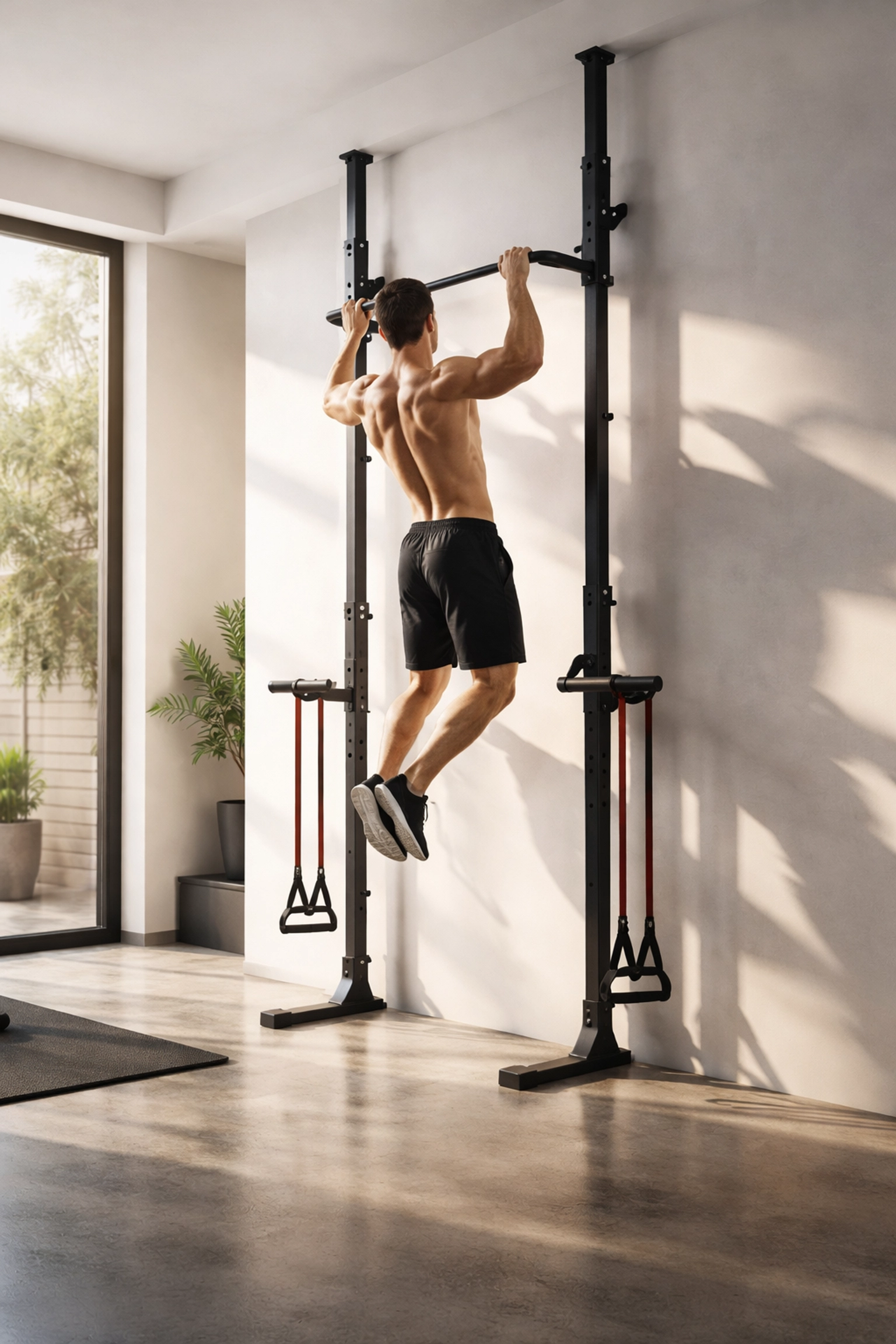
A floor to ceiling gym like the Resistance Rail from Bold Body Fitness solves all of these problems.
This no wall damage workout system tension-mounts between your floor and ceiling, creating a stable anchor point for:
- Pull-ups and chin-ups
- Muscle-ups
- Resistance band work
- Suspension training
- Hanging leg raises
- Gymnastic movements
For calisthenics practitioners, ninja warriors, and gymnasts, this is a game-changer. You get a rock-solid pull up bar alternative that doesn't require a single hole drilled in your walls or ceiling. When you move? Take it with you.
The Resistance Rail Deluxe takes this further with additional attachment points for even more exercise variety. It's purpose-built calisthenics equipment for home training that understands what serious athletes actually need.
3. A Versatile Cable Machine (Smooth Movement, Endless Exercises)
Cable machines add a dimension to your training that free weights can't match: constant tension throughout the entire range of motion.
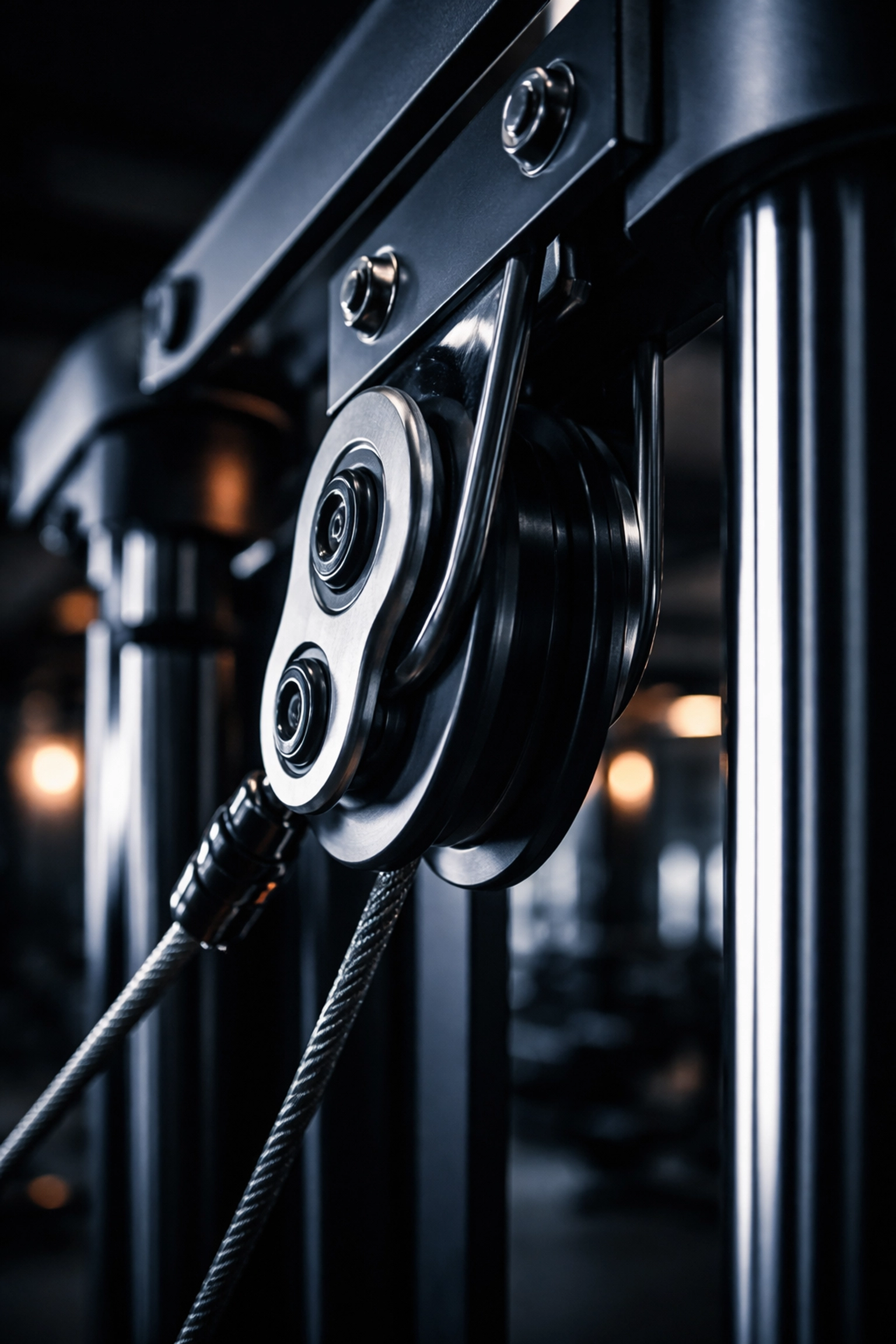
The best cable machines in 2026 feature synthetic cables stronger than steel and aluminum pulleys that glide smoothly for years. The Voltra Cable Machine stands out with 20+ exercise options and a floor platform for exercises like deadlifts and rows.
For your CrossFit home gym or general strength training, a quality cable machine opens up:
- Face pulls and cable rows
- Tricep pushdowns and cable curls
- Woodchops and Pallof presses
- Cable flyes and crossovers
- Lat pulldowns
Look for machines rated 4.5+ out of 5 for durability. Anything less, and you're back to buying replacements.
4. A Multi-Function Trainer (Maximum Versatility, Minimum Space)
Space matters. Not everyone has a dedicated gym room. That's why multi-function trainers have evolved to pack serious capability into smaller footprints.
The Freak Athlete Hyper Pro converts into 11 different machines with over 20 exercises, focusing on lower body and posterior chain work. The Bells of Steel All-In-One combines a power rack with cable functionality using 12-gauge steel construction throughout.
These machines deliver on the promise of a versatile home gym: multiple training modalities without dedicating half your house to equipment.
Key features to prioritize:
- Heavy-gauge steel construction
- Aluminum (not plastic) pulleys
- Upgradeable weight stacks
- Compact footprint with multiple configurations
5. Competition-Grade Kettlebells (Built for Decades of Use)
Stop buying kettlebells that chip, rust, or have handles that tear up your hands.
Competition kettlebells maintain the same dimensions regardless of weight, which means your technique stays consistent as you progress. They're coated to resist rust and have smooth, uniform handles that won't destroy your grip during high-rep sets.
For MMA fighters working on explosive power, for CrossFit athletes grinding through conditioning, and for anyone doing serious full body workout at home programming, kettlebells are essential. One 24kg bell opens up hundreds of exercises.
Buy once. Train forever.
6. A Smart Resistance System (Modern Tech Meets Proven Training)
Smart home gym systems have matured. The Tonal 2 now offers 250 pounds of digital resistance with improved cable durability and nylon pulleys that reduce wear.
These systems excel at:
- Guided workouts with proper form cues
- Progressive overload tracking
- Space efficiency (wall-mounted)
- Eccentric training with adjustable resistance curves
For athletes who want data-driven training and limited space, smart systems deliver. The durability concerns from earlier generations have been addressed with stronger cables and upgraded pulley systems.
That said, they're not for everyone. If you prefer the feel of real weight and don't need the tech features, traditional equipment serves you better.
7. High-Quality Resistance Bands and Suspension Trainers (Portable Power)
Don't overlook the basics.
Premium resistance bands and suspension trainers like the TRX Pro deliver serious training stimulus with zero footprint. Combined with a stable anchor point: like the Resistance Rail: they transform any room into a fully-functional training space.
Bands add accommodating resistance to barbell lifts, provide standalone resistance training options, and travel anywhere. A suspension trainer enables complete bodyweight training at home from rows to pikes to single-leg squats.
The key is buying quality. Cheap bands snap. Cheap suspension trainers have stitching that fails. Invest in rated equipment from reputable brands.
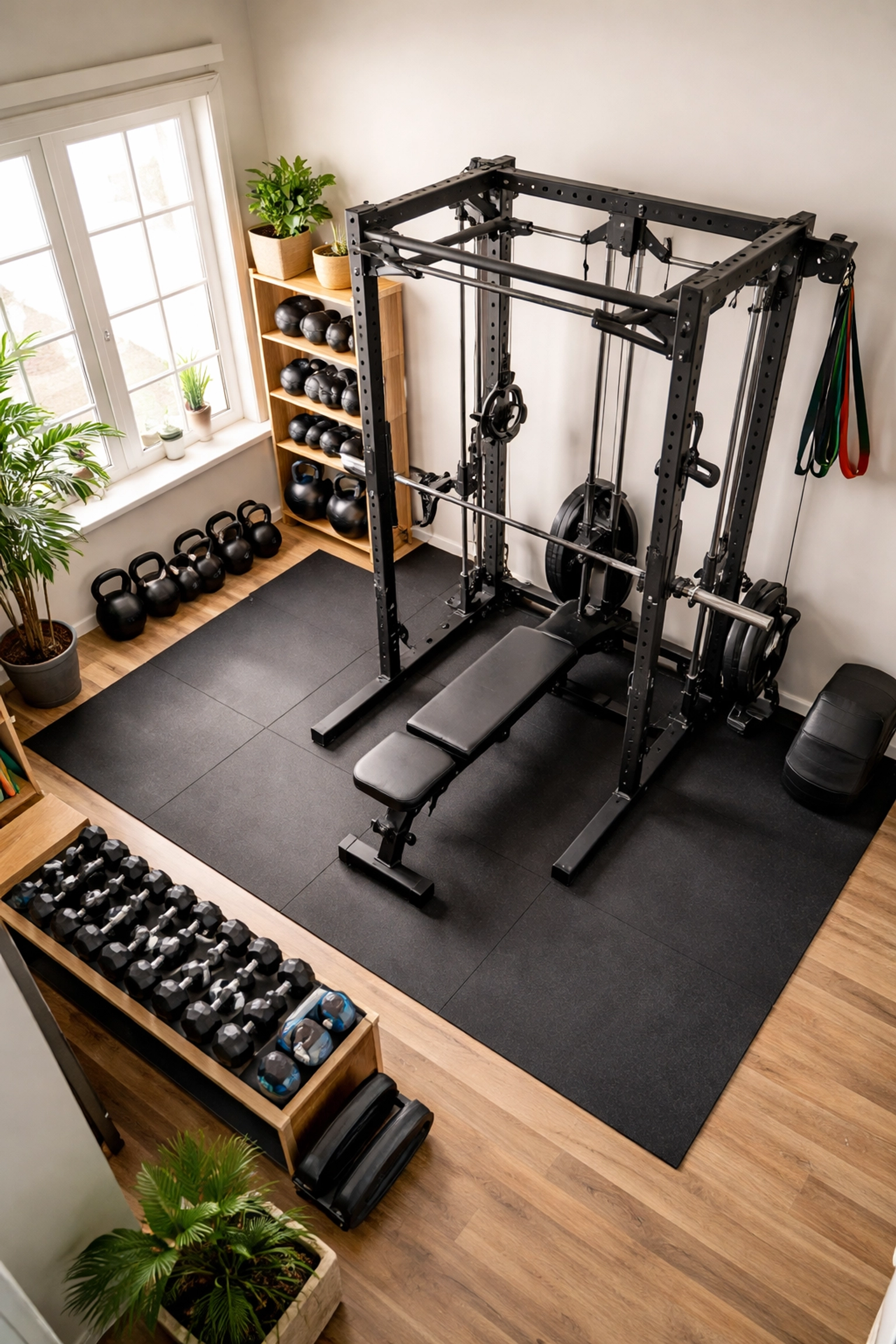
Building Your Versatile Home Gym: The Smart Approach
You don't need everything at once. Build your versatile home gym strategically:
Phase 1: Foundation
Start with a power rack or a floor-to-ceiling system like the Resistance Rail. These anchor everything else. Add a barbell, plates, and a bench or quality resistance bands.
Phase 2: Expansion
Add cable functionality, kettlebells, and specialty equipment based on your training focus. Calisthenics athlete? Prioritize gymnastics rings and parallettes. Strength focused? Add specialty bars and more plates.
Phase 3: Optimization
Fill in gaps with accessories, upgrade attachments, and add variety. This is where smart systems or multi-function trainers might fit.
The goal isn't to replicate a commercial gym. It's to build a training space perfectly suited to YOUR goals with equipment that lasts.
Stop Wasting Money. Start Training Smarter.
Every dollar spent on flimsy equipment is a dollar you'll spend again when it breaks.
The seven upgrades in this guide: heavy-duty racks, floor-to-ceiling training systems, cable machines, multi-function trainers, competition kettlebells, smart resistance systems, and quality portable gear: represent the best return on investment for serious athletes.
Whether you're building a CrossFit home gym, setting up calisthenics equipment for home training, or just want a no wall damage workout system that actually works, quality matters more than quantity.
Ready to upgrade your training space with equipment that matches your intensity? Check out the Bold Body Fitness shop for gear designed specifically for athletes who refuse to compromise.
Your training deserves better than flimsy. Your results depend on it.
