

You know that sinking feeling when you hear your wall-mounted pull-up bar creak during a max-effort set? Or worse: when you see the drywall starting to crack around those supposedly "secure" mounting screws?
Yeah. We've all been there.
Traditional pull-up bars might seem like the obvious choice for bodyweight training at home, but they come with a dirty secret: they're slowly destroying your walls, limiting your workout possibilities, and potentially setting you up for a painful (and expensive) disaster.
There's a better way. And it's time more serious athletes knew about it.
The Hidden Cost of Wall-Mounted Pull-Up Bars
Let's talk about what nobody mentions when they're selling you that sleek wall-mounted bar.
First, there's the installation nightmare. You're drilling multiple holes into your walls: hopefully into studs, but let's be honest, finding studs in older homes can be a guessing game. Those heavy-duty anchors? They're creating permanent damage whether the bar holds or not.
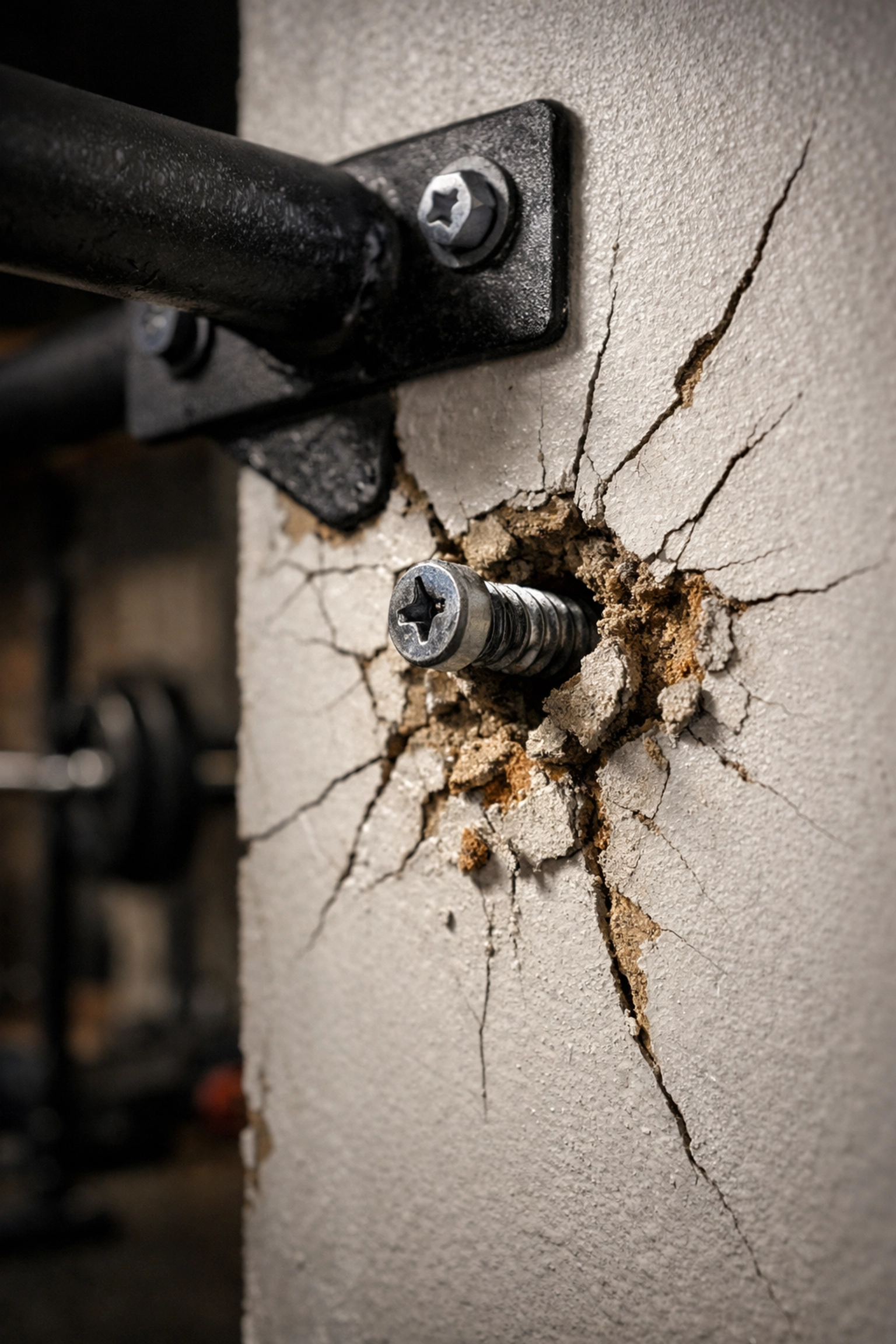
Then there's the weight limit anxiety. Most wall-mounted bars claim they hold 300 pounds, but that's under ideal conditions. Add dynamic movement: explosive pull-ups, muscle-ups, or hanging leg raises: and you're putting exponentially more force on those mounting points. Every. Single. Rep.
And if you're training for ninja warrior competitions, practicing gymnastics movements, or drilling CrossFit kipping pull-ups? That bar is taking a beating your walls were never designed to handle.
The real kicker? When you move out or want to upgrade your home gym equipment, you're left with multiple holes in your wall and a security deposit you'll never see again. For renters, this is a non-starter from day one.
Door frame pull-up bars seem like the easy fix, but they're just trading one set of problems for another. Limited grip positions, concerns about door frame integrity, and forget about any dynamic movements that create swing.
Floor-to-Ceiling Gym Systems: The Alternative Nobody Talks About
Here's what changes everything: floor-to-ceiling training systems.
Instead of depending on your walls to support hundreds of pounds of force, these systems use opposing pressure between your floor and ceiling to create rock-solid stability. No drilling. No permanent damage. No crossed fingers during intense training sessions.
Think about it: your floor and ceiling are designed to support the entire structure of your building. Why wouldn't you use that inherent strength for your calisthenics equipment for home?
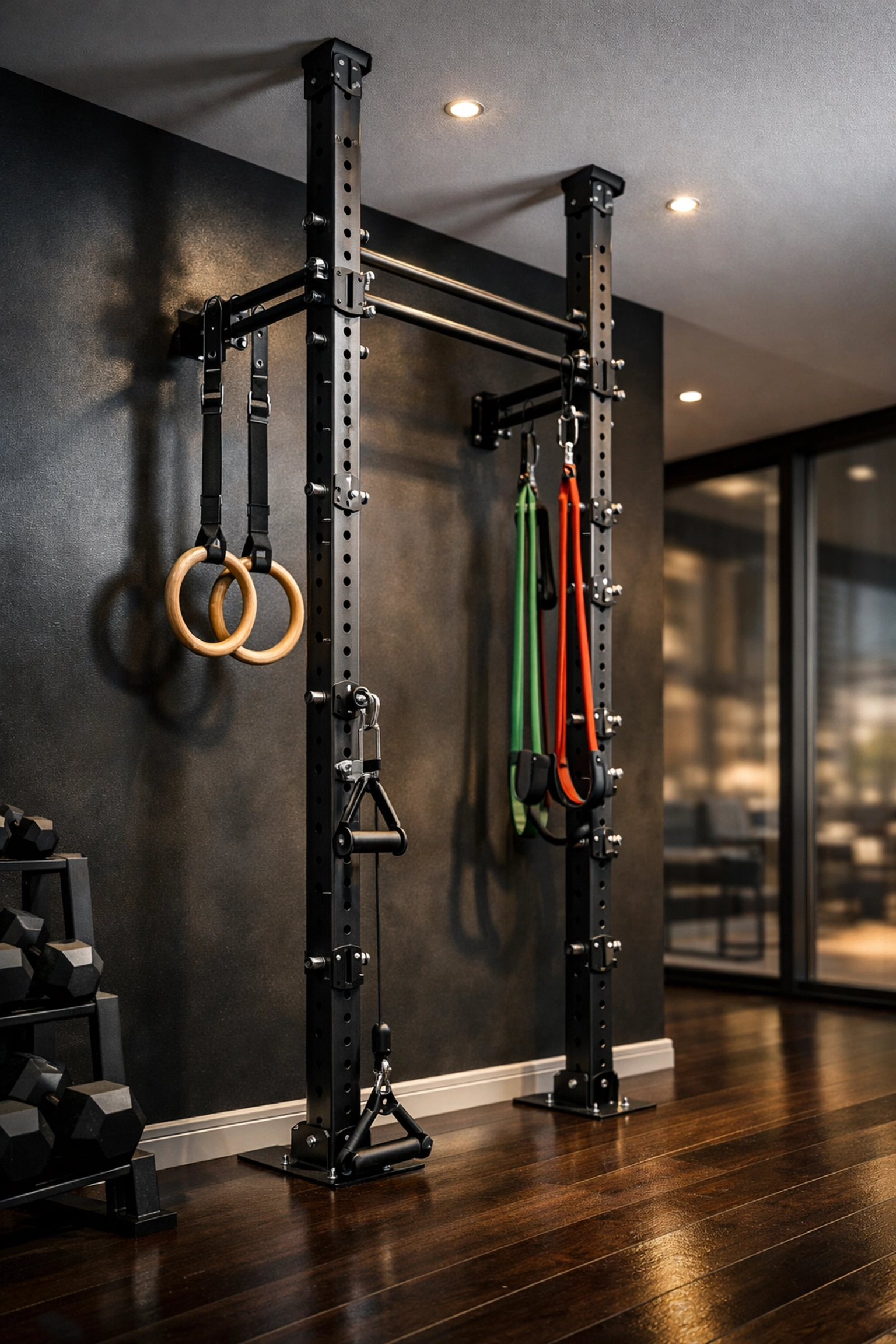
A proper no wall damage workout system gives you something traditional pull-up bars never can: complete training freedom. We're talking multiple grip positions, attachment points at various heights, and the ability to add resistance bands, TRX straps, gymnastic rings, and other accessories that turn your spare room into a legitimate CrossFit home gym.
This isn't just about pull-ups anymore. This is about creating a versatile home gym that grows with your training.
Why Elite Athletes Are Making the Switch
Talk to any serious ninja warrior competitor, and they'll tell you the same thing: training is about more than just getting stronger. It's about developing the specific movement patterns and grip endurance that translate to competition performance.
For gymnasts, a floor-to-ceiling system means you can practice various grip widths, work on false grip progressions, and even add rings at different heights for transition drills: all without worrying about wall integrity.
MMA fighters need more than basic pull-ups. They need rope climbs, towel hangs for grip strength, and the ability to add heavy bags without restructuring their entire setup. A resistance training system that mounts between floor and ceiling handles all of it.
Calisthenics practitioners are pushing human movement to new limits with advanced skills like front levers, back levers, and one-arm pull-up progressions. These moves require absolute stability: the kind you simply don't get from wall-mounted bars.
And CrossFit athletes training at home? You need something that can handle not just strict pull-ups, but chest-to-bar pull-ups, bar muscle-ups, and all the dynamic kipping movements that make traditional mounting systems nervous.
The floor-to-ceiling alternative delivers for all of them.
What Makes a Floor-to-Ceiling System Actually Work
Not all floor-to-ceiling systems are created equal. If you're going to invest in a pull-up bar alternative that's supposed to outlast and outperform wall-mounted options, you need to know what actually matters.
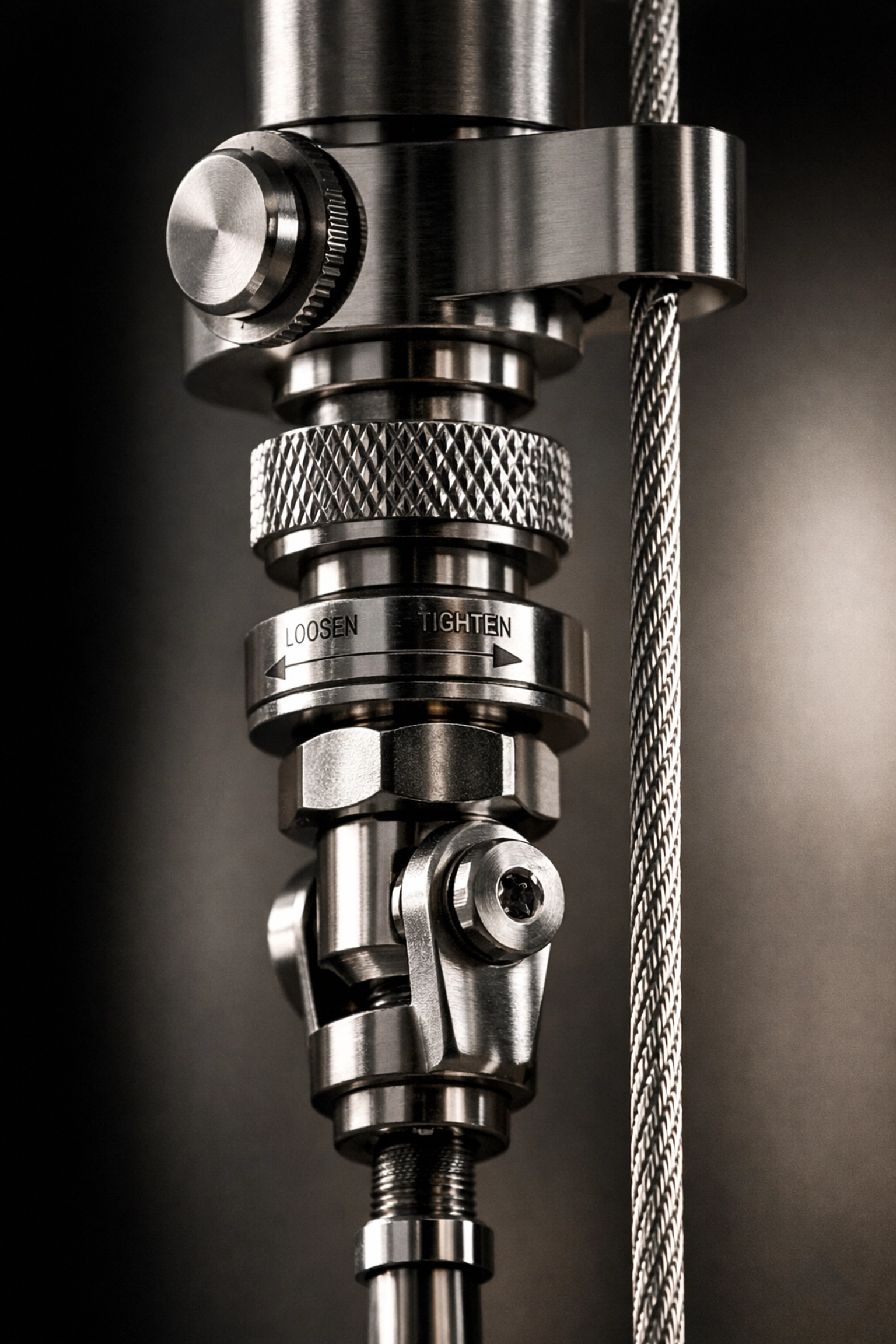
Tension mechanism quality is everything. The system needs to create enough opposing force to stay completely stable under dynamic loads without requiring you to crank it so tight that you damage your ceiling. Look for systems with precision-engineered tension mechanisms that distribute force evenly.
Adjustability separates average systems from exceptional ones. Your training needs change. Your living situation changes. Your ceiling height might be 8 feet in one apartment and 10 feet in the next house. A proper floor to ceiling gym setup adjusts to accommodate real-world variations.

Attachment versatility is where most systems fail. If you can only do pull-ups, you've just created an expensive version of a door frame bar. The best systems offer multiple attachment points, accommodating everything from resistance bands to TRX systems to gymnastic rings.
Portability matters more than you think. Life happens. You move. You redesign your space. You want to train outside when weather permits. A system that breaks down and sets up in minutes: without tools: gives you options wall-mounted bars never will.
Weight capacity under dynamic load is the spec that matters most but gets marketed least. Static weight capacity is one thing. What happens when you're doing explosive pull-ups or practicing muscle-ups? That's where cheap systems fail and quality systems prove their worth.
The Resistance Rail Advantage
This is where we need to be straight with you about what Bold Body Fitness built with the Resistance Rail system.
We created it because we were tired of the same old compromises. Wall damage or limited training options. Stability or portability. Versatility or simplicity.
The Resistance Rail Standard uses a patent-pending tension system that creates rock-solid stability without requiring wall anchors, ceiling mounts, or permanent installation of any kind. Set it up in under 10 minutes. Take it down just as fast.
But here's what really matters for serious athletes:
Multiple attachment points mean you can run resistance bands at different angles, hang gymnastic rings at varying heights, add TRX straps, or even incorporate climbing holds. This is full body workout at home capability that most systems can't touch.
Professional-grade stability that handles everything from strict pull-ups to dynamic kipping movements, muscle-ups, and advanced calisthenics progressions. We built this for athletes who train hard, not casual users doing a few reps.
Ceiling height adjustment from 7.5 to 10 feet means it works in almost any space: basement, garage, spare bedroom, or outdoor covered area.
The system works because it's engineered around how serious athletes actually train, not designed to check boxes on an Amazon listing.
Making the Switch: What You Need to Know
If you're ready to stop compromising with wall-mounted bars and upgrade to a proper floor-to-ceiling training system, here's what the transition looks like.
Space requirements are simpler than you think. You need a flat floor, a flat ceiling, and enough room to perform movements without hitting walls or furniture. Most people find that an 8x8 foot area works perfectly for full range of motion training.
Setup is straightforward. Quality systems like the Resistance Rail don't require tools, professional installation, or engineering degrees. You're adjusting tension and securing the system: that's it. First setup might take 15-20 minutes as you get familiar with the process. After that? Under 10 minutes, easy.
Integration with existing equipment is where floor-to-ceiling systems shine. Already have resistance bands? Use them. Own gymnastic rings? Hang them. Got a TRX system collecting dust? Time to put it to work. This becomes the central hub for your entire home gym equipment setup.
Training progression opens up in ways wall-mounted bars never allow. Start with basic pull-ups and rows. Add resistance band assistance for skill work. Progress to weighted pull-ups. Incorporate ring training. Add rope climbs. The system grows with you instead of limiting you.
Your Walls Will Thank You
Here's the bottom line: you're serious about training. You're putting in the work, showing up consistently, and pushing your limits. Your equipment should support that commitment, not compromise it.
Wall-mounted pull-up bars force you to accept permanent damage, limited versatility, and constant worry about stability. Door frame bars restrict your movement options and ceiling height. Neither option is built for the way you actually train.
A floor-to-ceiling system like the Resistance Rail changes the equation completely. No wall damage. No permanent installation. No compromises on training variety or equipment stability.
This is the pull-up bar alternative that serious athletes have been waiting for: one that finally delivers on the promise of a truly versatile home gym without sacrificing your walls, your security deposit, or your training intensity.
Ready to stop destroying your walls and start building unstoppable strength? Check out the complete Resistance Rail system and accessories at Bold Body Fitness. Your walls: and your training( will never be the same.)
