

So you want to build a calisthenics equipment for home setup that actually delivers results. Smart move. You're tired of gym memberships, crowded weight rooms, and equipment that collects dust after two weeks.
Here's the deal: building a versatile home gym doesn't require a massive budget or turning your living room into a commercial fitness center. But it does require knowing what actually works: and what's just marketing hype.
Whether you're a ninja warrior grinding through obstacle course prep, a CrossFit athlete looking for a serious crossfit home gym solution, or an MMA fighter needing functional strength work, these 10 insights will save you time, money, and regret.
Let's get into it.
1. You Need Way Less Space Than You Think
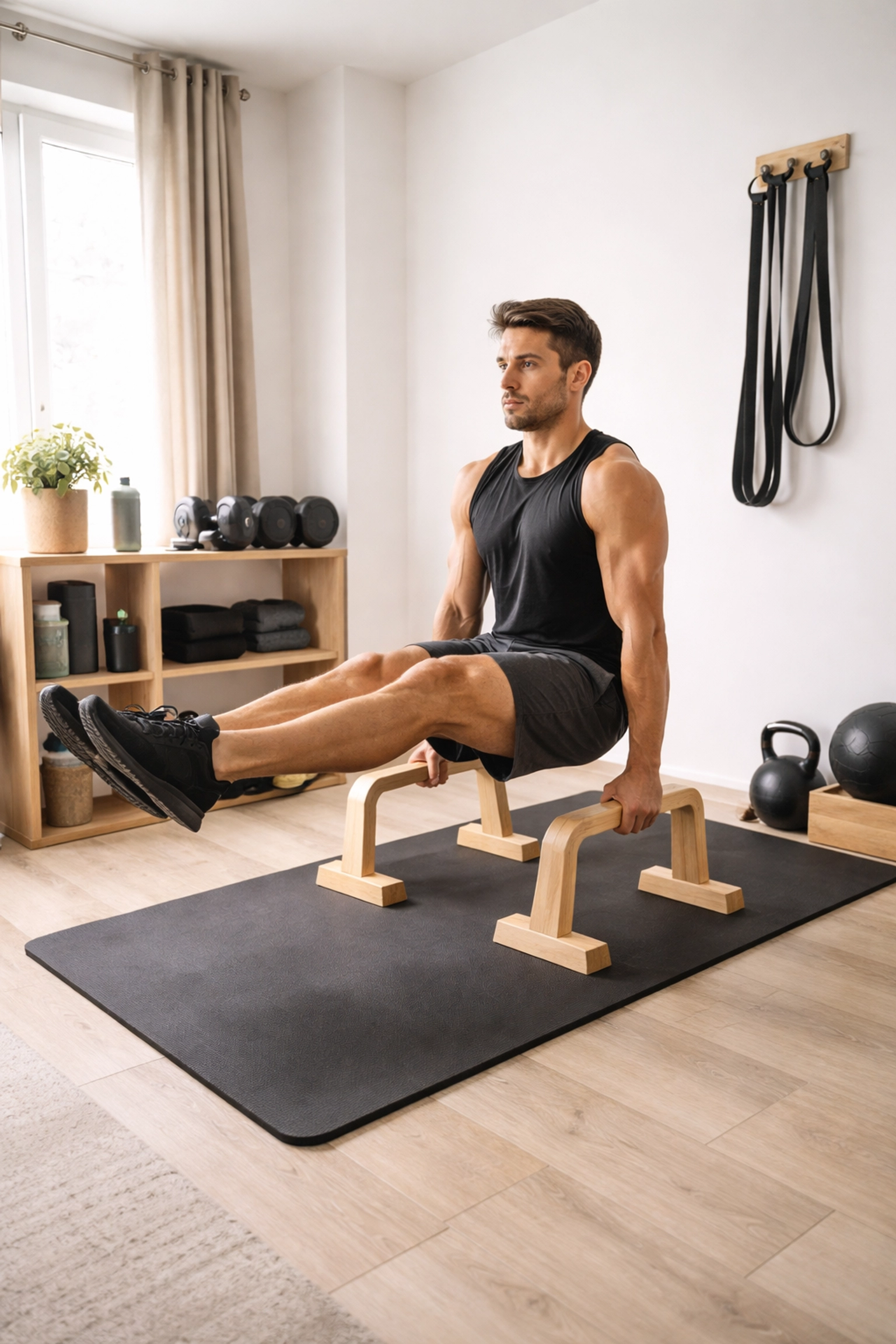
Stop using "I don't have room" as an excuse. A solid bodyweight training at home setup requires roughly 3-4 square meters of clear floor space. That's it.
Calisthenics equipment is inherently compact. Unlike bulky cable machines and squat racks that dominate entire rooms, the right bodyweight tools fit into corners, closets, and small apartments without drama.
The key is choosing equipment that delivers maximum exercise variety without eating up your living space. Think vertical, think versatile, think smart.
2. The "Big Three" Foundation Is Real
Every successful home calisthenics setup starts with three core pieces:
- Resistance bands
- Parallettes
- A quality pull-up solution
These aren't random picks. They're the foundation that unlocks hundreds of exercises covering every major muscle group. Beginners and elite athletes alike can build serious strength with just these tools.
At Bold Body Fitness, we've seen countless athletes transform their training with minimal equipment. The secret isn't having more stuff: it's having the right stuff.
3. Your Pull-Up Bar Alternative Matters More Than You Realize
Here's where most people mess up their home gym equipment decisions.
Traditional doorframe pull-up bars work... until they don't. They damage trim, slip during dynamic movements, and limit your exercise options. Wall-mounted bars require drilling holes and often aren't landlord-friendly.
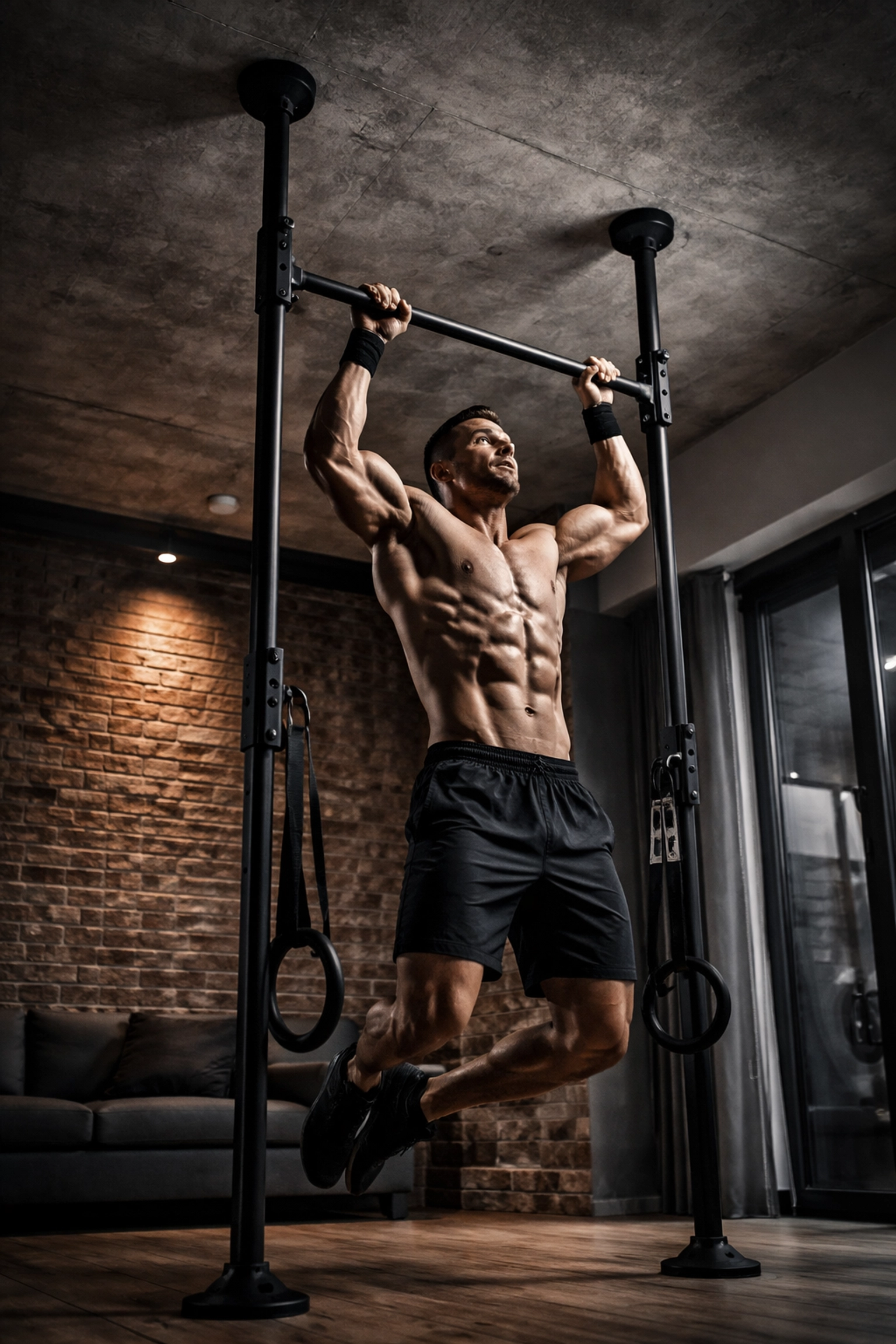
What serious athletes need is a pull up bar alternative that handles explosive movements, supports multiple grip positions, and: crucially: leaves zero wall damage.
This is exactly why we developed the Resistance Rail. It's a floor to ceiling gym system that braces between your floor and ceiling without screws, bolts, or permanent modifications. Perfect for renters. Perfect for athletes who actually push themselves.
4. Wall Damage Is a Dealbreaker for Many Athletes
Let's be honest: not everyone owns their home. And even homeowners don't want their walls looking like Swiss cheese.
A no wall damage workout system isn't just convenient: for many athletes, it's mandatory. You need equipment that installs clean, stays rock-solid during intense training, and removes without leaving evidence.
The Resistance Rail's tension-based mounting solves this problem completely. You get the stability of permanent equipment with the flexibility of portable gear. Check out our shop to see the full range of options.
5. Stability and Safety Are Non-Negotiable
When you're cranking out muscle-ups, performing explosive pull-ups, or grinding through gymnastic progressions, your equipment cannot move. Period.
Quality calisthenics gear should support at least 180 kg of load capacity. Look for powder-coated, non-slip surfaces that maintain grip even when you're drenched in sweat. Check mounting systems for wobble: if it shakes during a static hold, it's going to fail during dynamic movements.
This is especially critical for ninja warriors and gymnasts who perform high-impact movements. Your equipment needs to match your intensity.
6. Parallettes Protect Your Wrists and Expand Your Training
If you're serious about bodyweight training at home, parallettes aren't optional: they're essential.
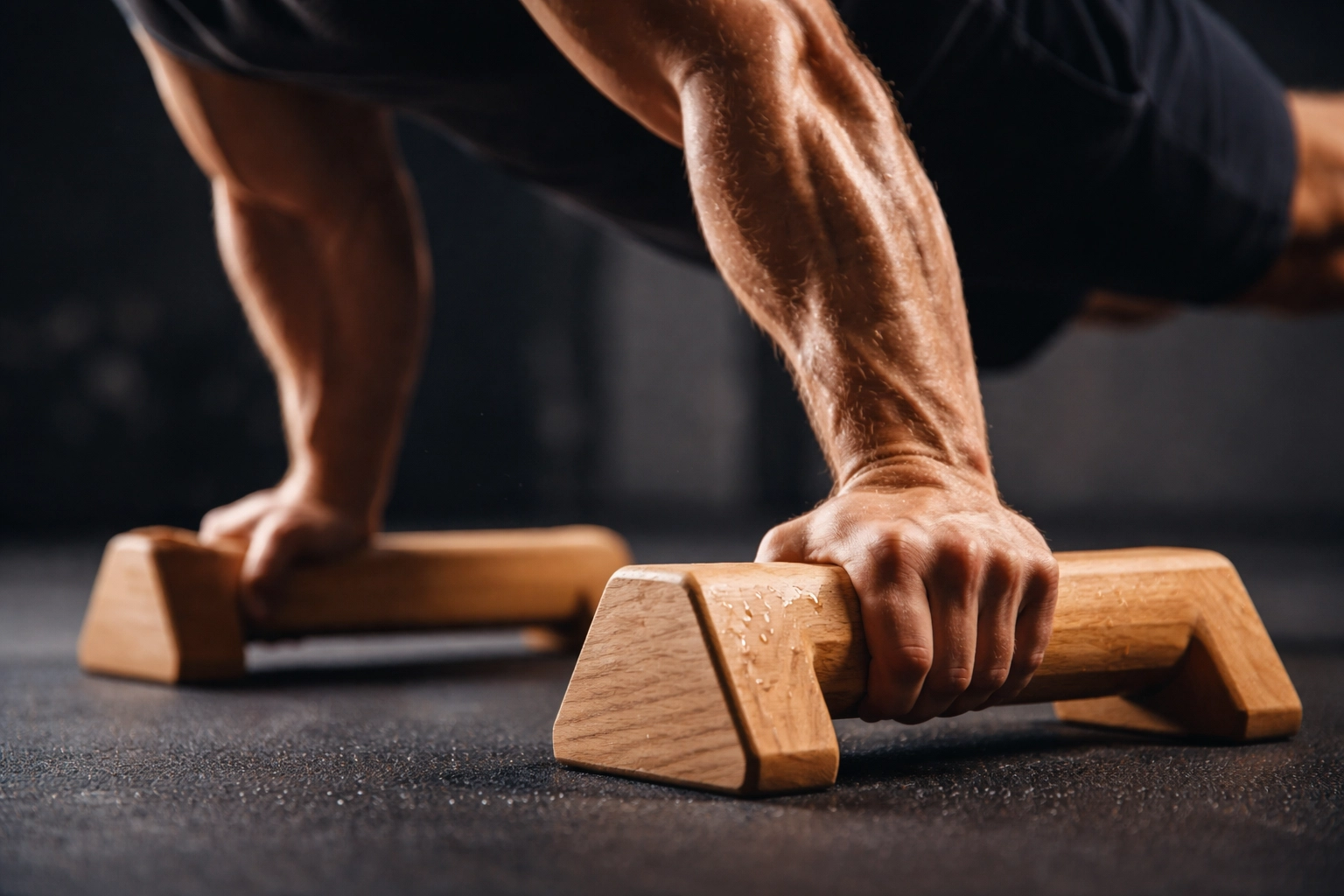
Here's why: pushing exercises on flat ground force your wrists into extension under load. Over time, this creates inflammation, pain, and injury. Parallettes provide a neutral grip that protects your joints while increasing your range of motion.
They also unlock advanced movements:
- Planches
- L-sits
- Handstand variations
- Deep push-up progressions
Look for parallettes made from high-quality beech wood or steel with anti-slip feet. Cheap plastic versions wobble and break.
7. Resistance Bands Are Criminally Underrated
Bands aren't just for rehab or "toning." For serious resistance training, they're legitimately powerful tools.
Use them for:
- Assisted pull-ups and dips while building strength
- Added resistance on bodyweight movements once you've mastered them
- Mobility work between training sessions
- Progressive overload without buying heavier weights
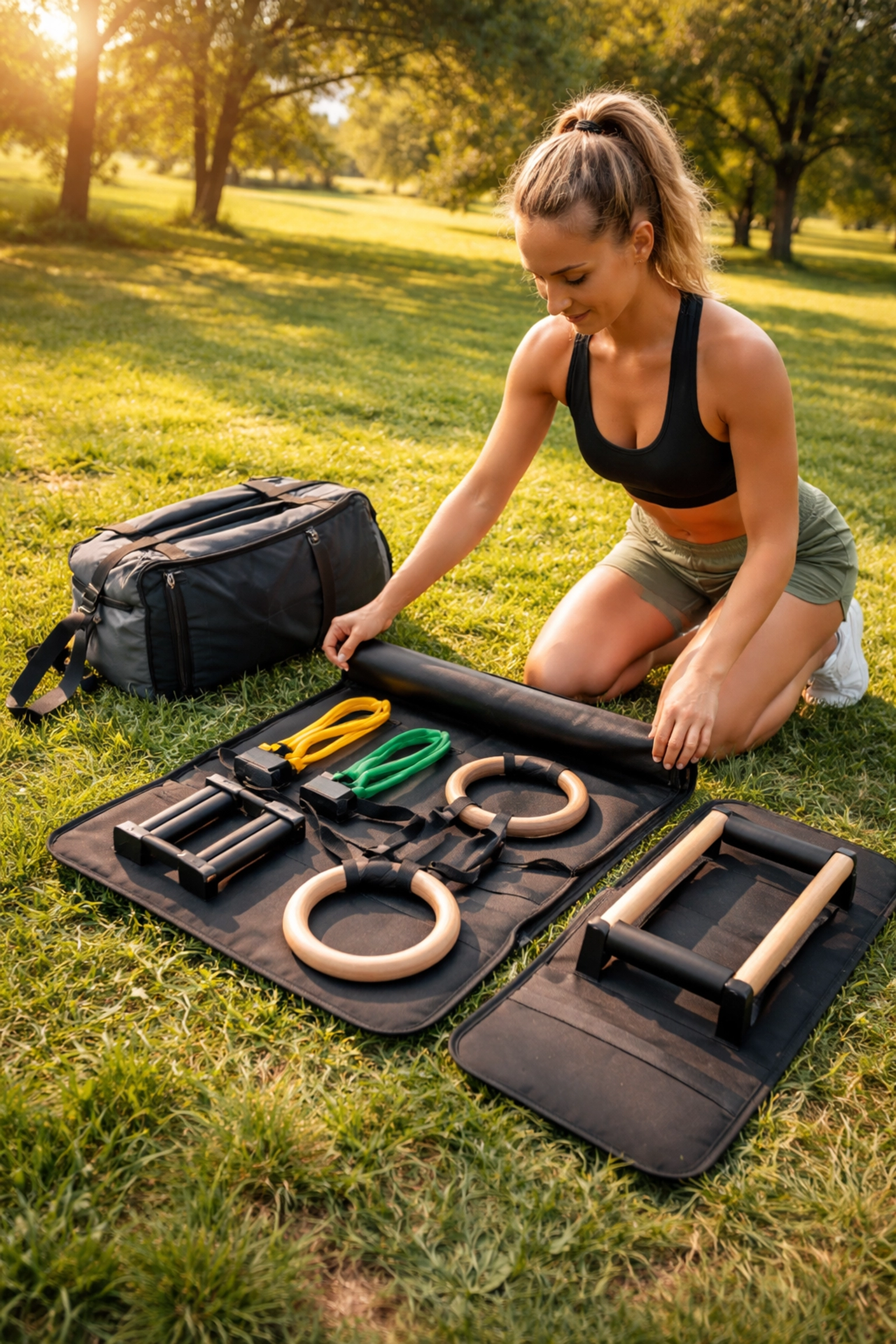
They're also ridiculously portable. Throw them in a bag and you've got a full body workout at home: or anywhere else you happen to be.
8. Gymnastic Rings Take Your Training to Another Level
Once you've built a base, gymnastic rings become the ultimate training tool.
Rings demand stability from every muscle in your body. A basic ring push-up recruits more muscle fibers than a barbell bench press. Ring pull-ups humble even experienced lifters.
For CrossFit athletes and calisthenics practitioners, rings are essential for:
- Muscle-ups
- Ring dips
- Front and back levers
- Skin-the-cats
Mount them to a sturdy overhead anchor: like the Resistance Rail Deluxe: and you've got a complete upper body training station.
9. Portability Equals Consistency
Here's a truth most fitness marketers won't tell you: the best equipment is equipment you actually use.
Heavy, complicated setups become obstacles. You skip workouts because setup takes 20 minutes. You can't train when traveling. Eventually, the equipment becomes an expensive coat rack.
Portable, quick-setup gear removes these barriers. The athletes who make consistent progress choose calisthenics equipment for home that's ready when they are.
10. Smart Accessories Accelerate Your Progress
Once your foundation is solid, strategic additions amplify your results:
- A quality mat protects joints during floor work
- A weight belt adds progressive overload to pull-ups and dips
- Liquid chalk maintains grip without damaging equipment
- Kettlebells complement bodyweight training with loaded movements
Don't buy these first. But once you've outgrown basic progressions, they're the next logical step.
Building Your Versatile Home Gym: The Bottom Line
Creating an effective versatile home gym isn't about buying everything: it's about buying smart.
Start with the fundamentals: a rock-solid pull-up solution, parallettes, and resistance bands. Choose equipment that respects your space, protects your walls, and handles the intensity of real training.
For athletes who refuse to compromise: ninja warriors, gymnasts, CrossFit competitors, MMA fighters, and dedicated calisthenics practitioners: the Resistance Rail system delivers exactly what you need. A true floor to ceiling gym that installs in minutes, supports explosive movements, and leaves your walls untouched.
Ready to build a home gym that actually matches your ambition? Visit Bold Body Fitness and see what's possible.
Your next level is waiting. Go get it.
