
Let's get one thing straight: if you're serious about building ninja warrior-level strength, you don't need to drill a dozen holes in your walls or turn your apartment into an obstacle course that looks like your landlord's worst nightmare.
The dirty secret that elite athletes know? The most effective full body workout at home doesn't require permanent fixtures, wall-mounted rigs, or equipment that'll cost you your security deposit. What it does require is intelligent training, the right gear, and a mindset that doesn't settle for mediocre results.
Whether you're training for American Ninja Warrior, prepping for your next CrossFit competition, or just trying to build functional strength that actually translates to real-world performance, this guide breaks down exactly how to create a complete training system without putting a single screw in your walls.
Why Wall-Mounted Equipment Is Holding You Back
Here's the reality most fitness companies won't tell you: traditional wall-mounted pull-up bars, salmon ladders, and pegboards are designed for commercial gyms and permanent home installations. They're built for facilities that own the property, not for renters, apartment dwellers, or people who might want to move their training setup to different locations.
The problem isn't just about landlord restrictions or losing your deposit. Wall-mounted systems create three critical limitations:
Limited versatility. Once you bolt that pull-up bar to the wall, it's staying in that exact position. Your training space is now locked into a fixed configuration that can't adapt as your programming evolves.
Zero portability. Want to train outside? Move to a different room? Take your workout to the garage during summer? Too bad. Your equipment is literally anchored to one spot.
Installation barriers. Even if you own your home, mounting heavy-duty equipment requires finding studs, drilling pilot holes, and hoping you don't hit electrical wiring or plumbing. Most people either skip the proper installation (dangerous) or never set up their equipment at all (wasteful).
The game-changer? Floor-to-ceiling systems that require zero wall damage while providing the stability and load capacity serious athletes actually need.
The Bodyweight Foundation: No Equipment Required
Before we dive into equipment solutions, let's acknowledge something important: your body is the most versatile training tool you'll ever own. Elite ninja warriors, gymnasts, and military athletes build incredible strength using primarily bodyweight movements.
Candlestick Rolls: The Full-Body Power Developer
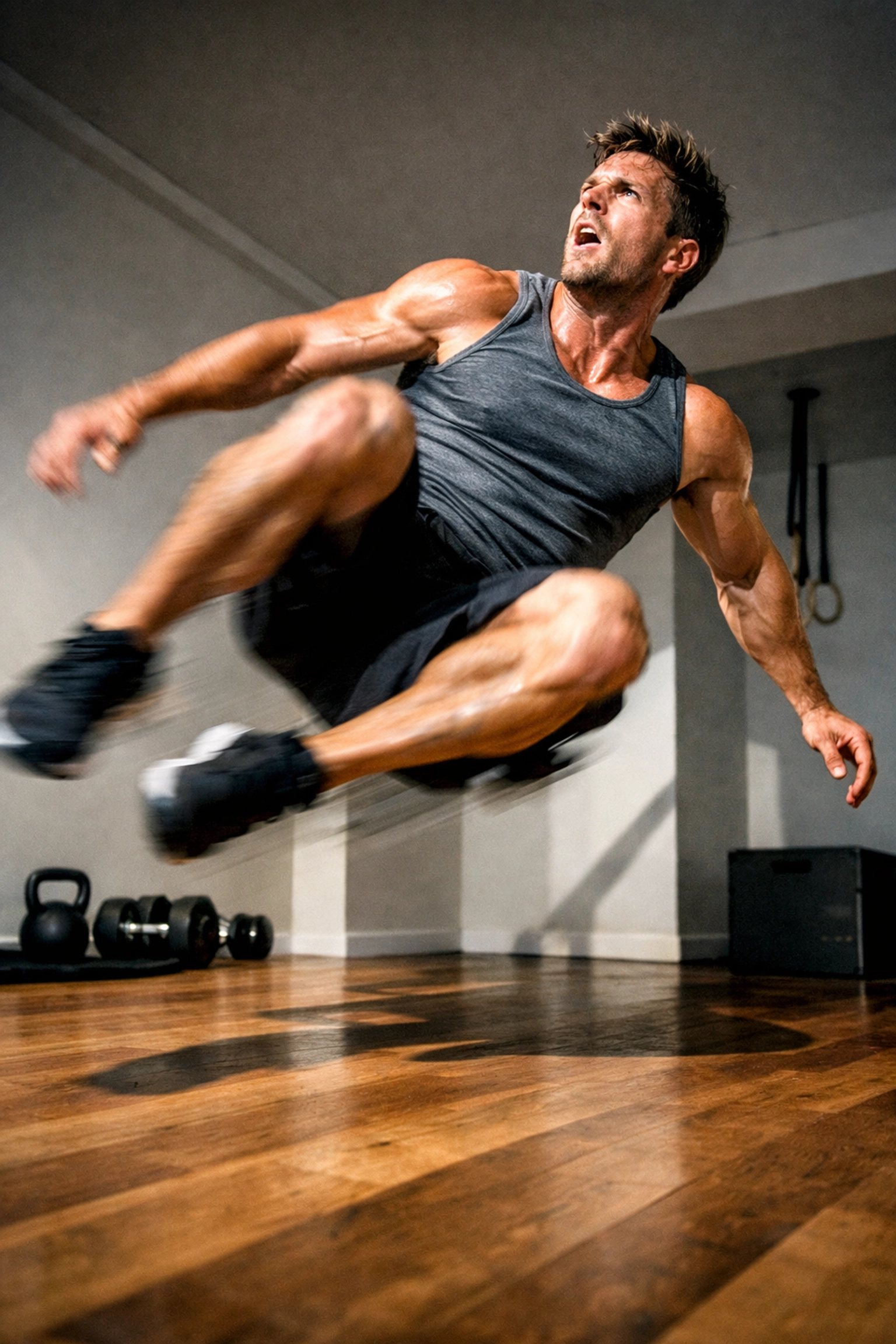
This deceptively simple movement targets your quads, abs, glutes, and teaches explosive power transfer through your entire kinetic chain. Lie on your back, roll backward until your legs are overhead, then use momentum to roll forward into a standing position and immediately jump.
The beauty of candlestick rolls? They develop the exact type of dynamic strength you need for obstacle transitions and explosive movements. Most people can barely complete 5 quality reps when they start. Work up to sets of 15-20 and watch your overall athleticism skyrocket.
Push-Up Variations That Actually Build Strength
Standard push-ups are fine for beginners, but ninja warrior-level training demands progression. Focus on these variations:
- Archer push-ups: Shift your weight to one arm while keeping the other extended, building single-arm strength
- Pseudo planche push-ups: Lean forward with hands positioned lower on your torso, engaging shoulders and core intensely
- Explosive clap push-ups: Build fast-twitch muscle fiber and power output
- Fingertip push-ups: Develop crushing grip strength that translates directly to obstacle performance
Jumping Lunges: Leg Power Under Fatigue
Rapidly transitioning between deep lunges teaches your legs to produce power even when fatigued: exactly what you need when you're 30 seconds into a challenging obstacle course. The key is depth and speed. Half-effort lunges with sloppy form build nothing. Deep, controlled descents with explosive transitions build champions.
Sumo Squats with Leg Lifts
Wide-stance squats combined with single-leg raises develop the hip stability and balance that separate decent athletes from elite performers. This movement pattern directly translates to unstable obstacle platforms, balance beams, and single-leg landings.
Simulating Obstacles Without Specialized Equipment
The internet is full of people who'll tell you that you need a $5,000 custom ninja rig in your backyard to train properly. They're wrong. Smart athletes know how to replicate obstacle challenges using minimal gear and creative problem-solving.
Lateral Footwork Drills
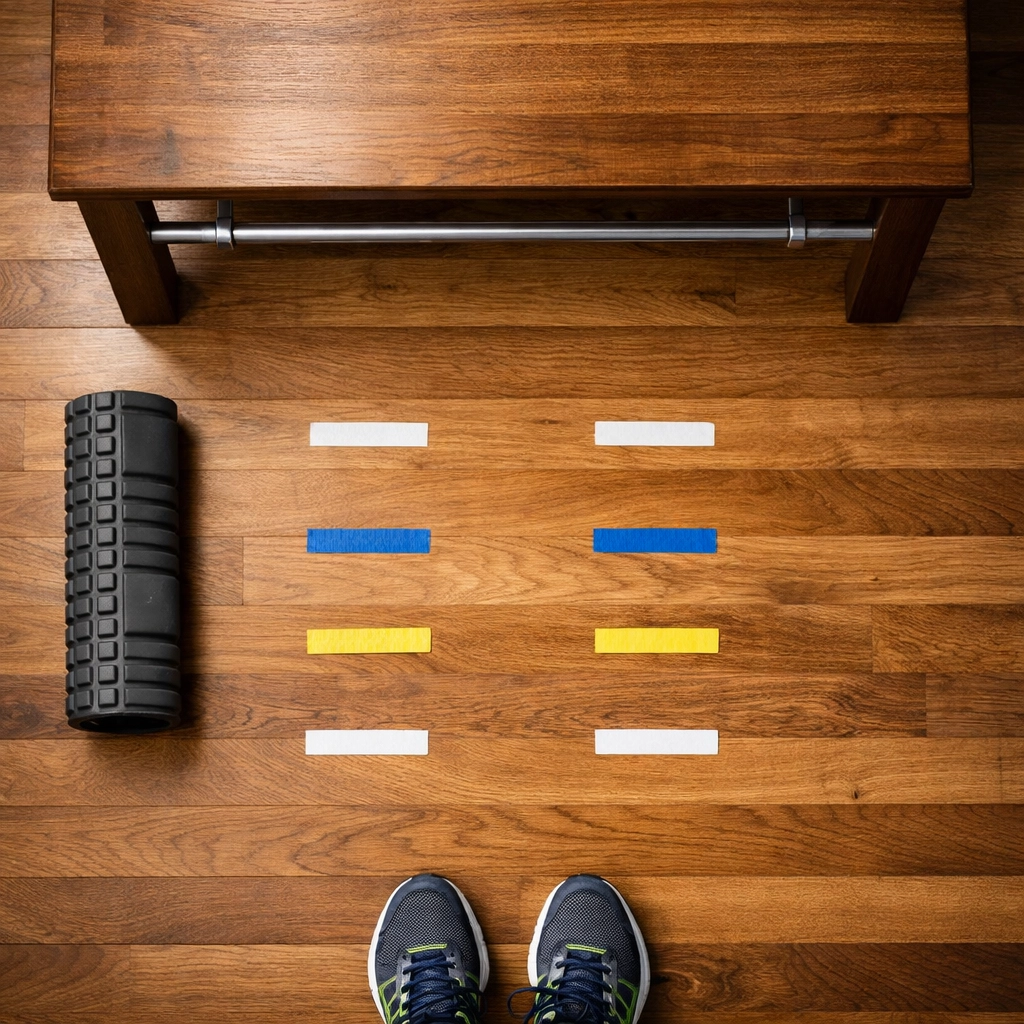
Quintuple steps and floating step obstacles require precise foot placement and rapid lateral movement. Set up markers (tape, cones, or even just spots on your floor) and practice jumping laterally from foot to foot. Focus on ankle stability and quick directional changes.
This isn't just ninja warrior prep: it's essential for any sport requiring agility and reactive movement. MMA fighters, soccer players, and basketball athletes use these same drills to develop explosive lateral power.
Table Pull-Ups and Australian Rows
A sturdy table becomes your new best friend for developing pulling strength. Slide underneath, grip the edge, and perform rows or fingertip pull-ups. This trains the same muscle groups as standard pull-ups while emphasizing grip endurance and body control.
The fingertip variation is particularly brutal and effective. If you can perform 3 sets of 10 fingertip rows, your grip strength is already better than 90% of casual gym-goers.
Foam Roller Balance Training
Balance tanks and unstable platforms are staples of ninja warrior courses. A simple foam r