
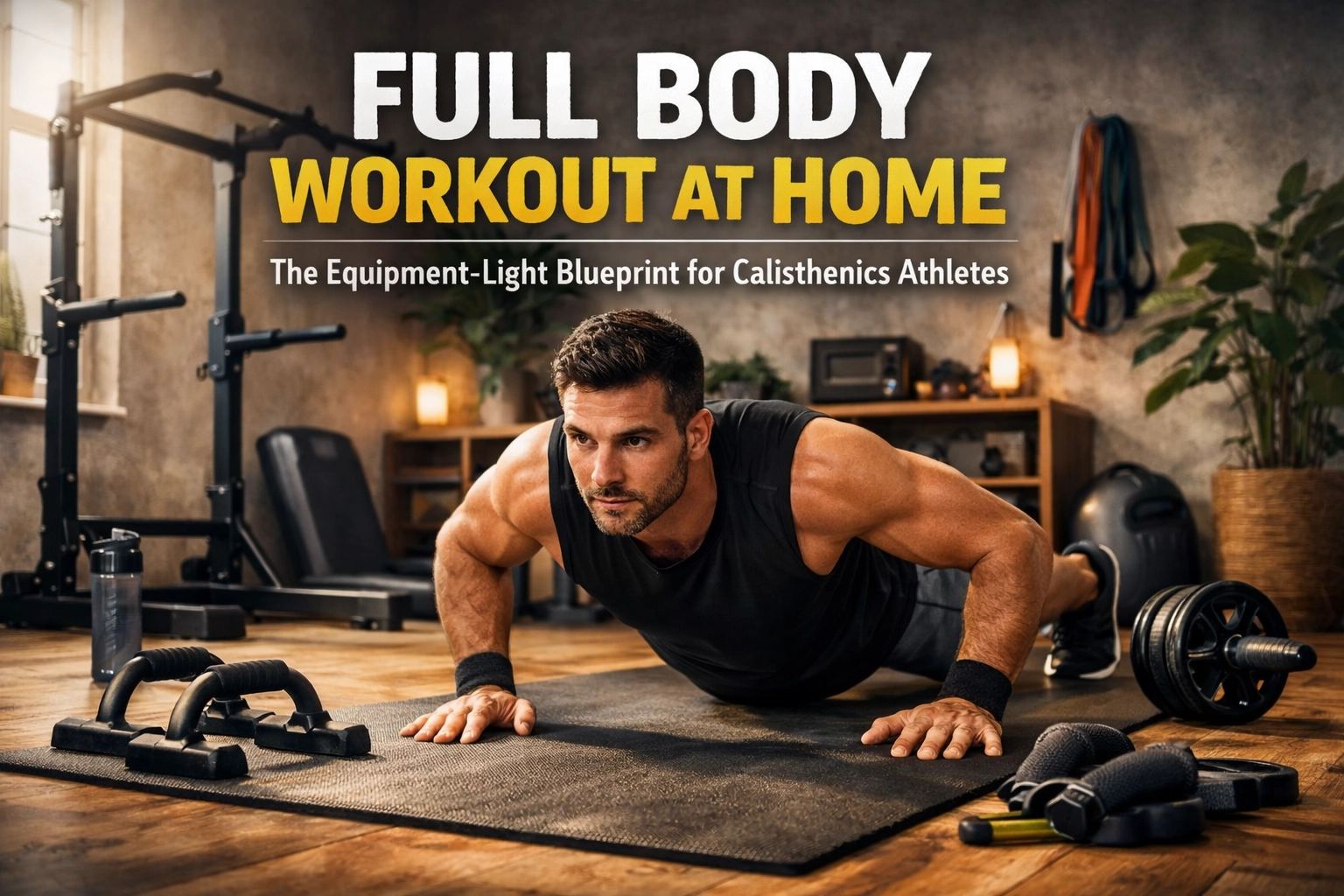
Here's the truth nobody wants to admit: most home gym setups are overcomplicated, overpriced, and over-engineered for what serious calisthenics athletes actually need. You don't need a garage packed with equipment to build championship-level strength and conditioning. What you need is a strategic blueprint that leverages bodyweight mastery with smart, minimal equipment choices.
This isn't your typical "do some push-ups and squats" routine. We're talking about a comprehensive training system designed for athletes who demand results: whether you're a ninja warrior training for competition, a CrossFit athlete supplementing your box workouts, an MMA fighter building functional strength, or a dedicated calisthenics practitioner chasing your next skill milestone.
Why Equipment-Light Doesn't Mean Results-Light
The equipment-light approach isn't about limitation: it's about liberation. When you strip away the noise and focus on movement patterns that actually matter, something powerful happens: your body becomes the gym. Every workout becomes an exercise in total-body integration, proprioception, and real-world strength that translates directly to performance.
The best part? You can train anywhere, anytime, with minimal setup. No more excuses about gym access, no more waiting for equipment, and definitely no more holes in your walls from permanent fixtures. This is training freedom designed for the modern athlete who refuses to compromise on results.
The Seven Movement Patterns That Build Complete Athletes
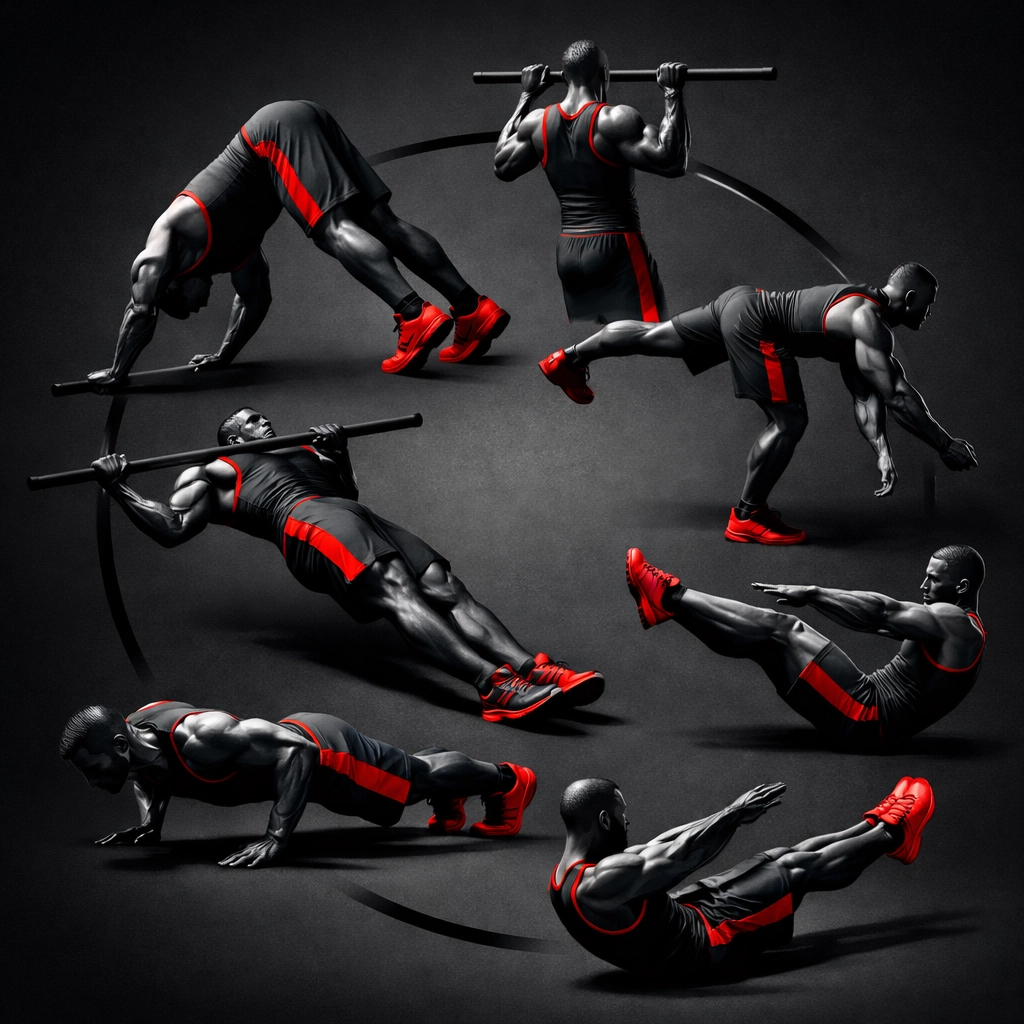
Forget random exercise selection. Your full body workout at home needs to systematically address seven fundamental movement patterns that target every major muscle group and functional strength domain:
Horizontal Pushing develops your chest, shoulders, and triceps through exercises like push-ups, wide-grip push-ups, and archer push-ups. This pattern builds pressing power that translates to everything from handstand work to explosive movements.
Vertical Pushing targets upper body pressing strength through pike push-ups, handstand push-up progressions, and elevated variations. This is where gymnasts and ninja warriors separate themselves: overhead pressing strength is non-negotiable for advanced skills.
Horizontal Pulling hammers your back and biceps through Australian chin-ups, inverted rows, and various grip positions. This pattern creates the posterior chain strength necessary for injury prevention and balanced development.
Vertical Pulling builds lat and upper back power through chin-ups, pull-ups, and their countless variations. Master this pattern and you unlock an entire universe of advanced calisthenics skills.
Squats and Lunges develop quadriceps dominance, single-leg stability, and functional leg strength. From pistol squat progressions to explosive lunge variations, this pattern ensures your lower body matches your upper body development.
Hinges target your hamstrings, glutes, and lower back: the true power generators of athletic movement. Single-leg deadlift variations, Nordic curls, and bridge progressions fall into this critical category.
Core Work ties everything together with stability, anti-rotation strength, and abdominal development. Hollow body holds, L-sits, and advanced plank variations create the foundation for every movement you'll ever perform.
Structuring Your Training Frequency for Maximum Results
Your training frequency should match your goals, recovery capacity, and lifestyle demands. Here's how to think about it:
Three Times Per Week works perfectly for maintaining elite fitness while managing other commitments. You'll hit full-body sessions that keep strength high without accumulating fatigue. Ideal for in-season athletes or those balancing multiple training modalities.
Four Times Per Week creates the sweet spot for most serious athletes. Split your training between upper and lower body emphasis days, allowing adequate recovery while maintaining high training frequency.
Five Times Per Week targets dedicated muscle growth and skill development. You'll implement strategic split routines that allow you to hammer specific patterns while other areas recover.
Six Times Per Week maximizes progression for athletes chasing specific goals. Classic push/pull/legs splits done twice weekly create incredible training volume while managing fatigue through smart exercise selection.
The key? Consistency beats perfection. Choose the frequency you can maintain long-term, not the one that burns you out in three weeks.
The Complete Weekly Structure
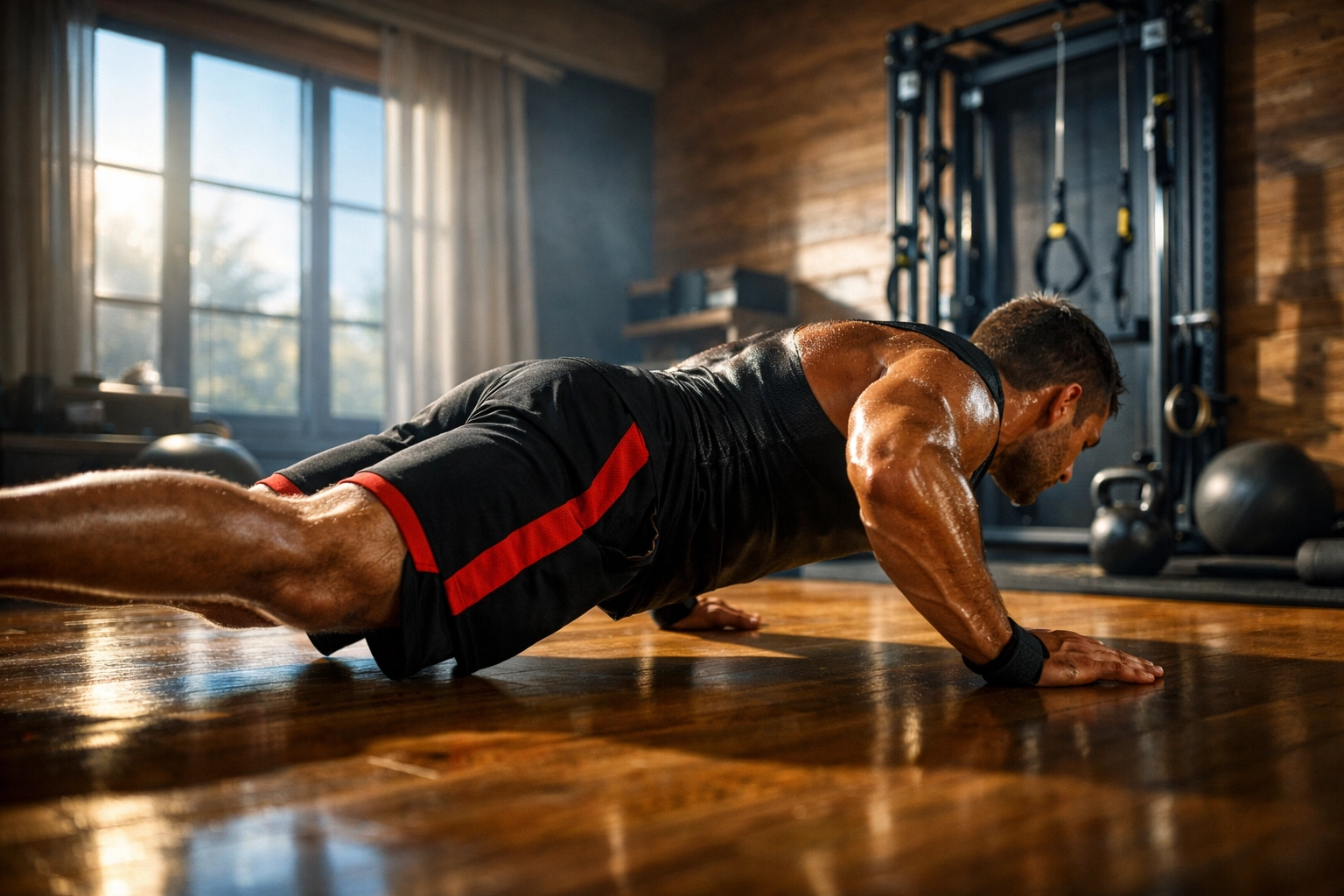
Here's a battle-tested four-day split that covers all seven movement patterns while allowing optimal recovery:
Day 1: Push Dominance
- Standard push-ups: 4 sets of 8-12 reps
- Diamond push-ups: 4 sets of 8-12 reps
- Pike push-ups: 4 sets of 8-12 reps
- Decline push-ups: 3 sets of 8-10 reps
- Core finisher: Hollow body holds, 4 sets of 40-60 seconds
Day 2: Pull Power
- Australian chin-ups: 4 sets of 8-12 reps
- Wide-grip rows: 4 sets of 8-12 reps
- Bicep-focused chin-ups: 4 sets of 8-12 reps
- Scapula pulls: 3 sets of 12-15 reps
- Core finisher: Hanging knee raises, 4 sets of 15-20 reps
Day 3: Leg Annihilation
- Pistol squat progressions: 4 sets of 15-20 reps per leg
- Bulgarian split squats: 4 sets of 15-20 reps per leg
- Walking lunges: 4 sets of 20 steps total
- Single-leg deadlifts: 4 sets of 12-15 reps per leg
- Core finisher: L-sit progressions, 4 sets of 20-40 seconds
Day 4: Full Spectrum
- Push-pull supersets combining horizontal and vertical patterns
- Explosive variations: plyometric push-ups, explosive pull-ups
- Skill work: handstand progressions, lever work, muscle-up training
- Extended core complex: 5-minute circuit of varied core movements
Notice how each session builds volume strategically while incorporating progressive overload through variation selection and rep schemes. This isn't random: it's systematic strength development.
Progressive Overload: The Non-Negotiable Component
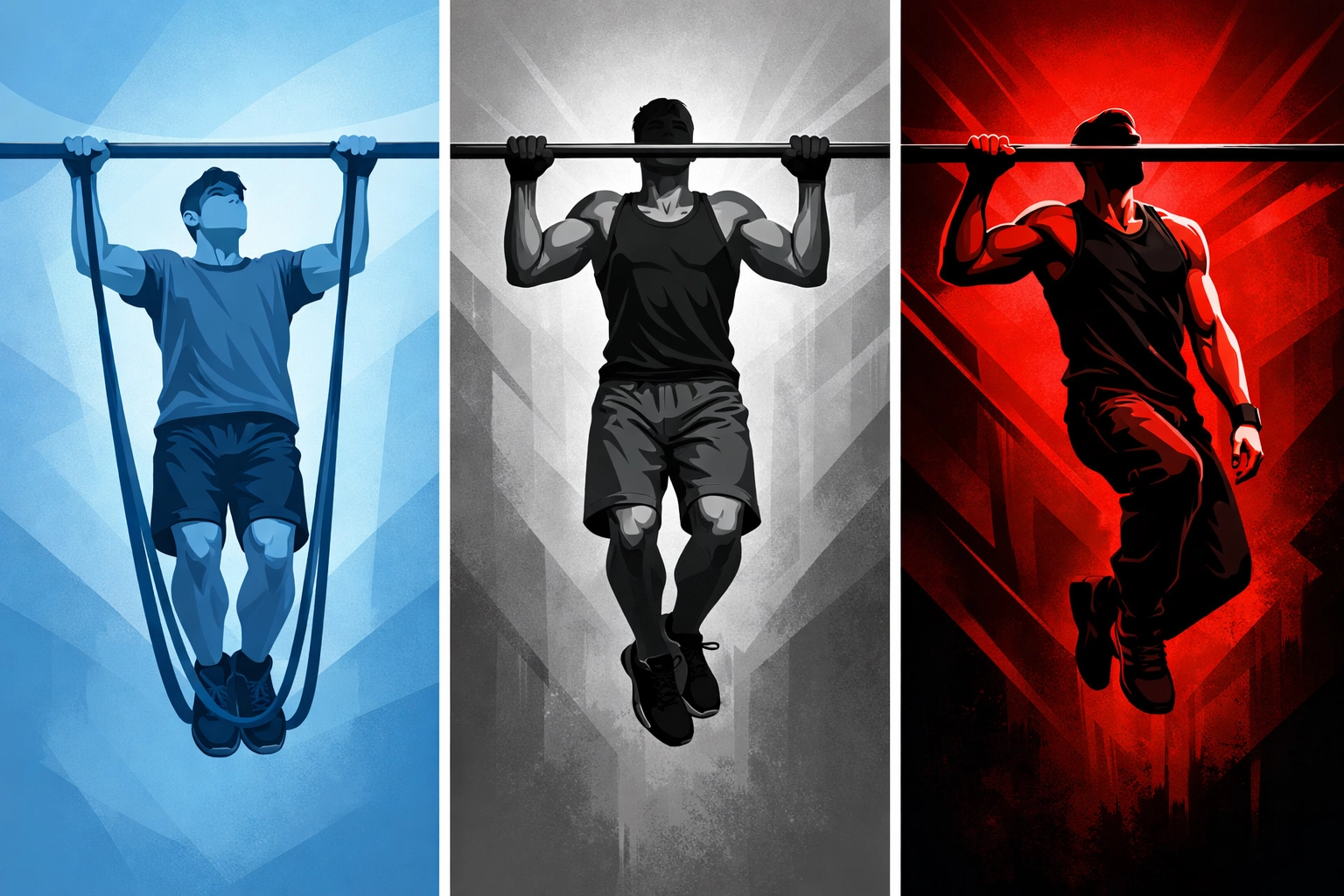
Here's where most bodyweight training at home falls apart: people repeat the same exercises at the same intensity indefinitely, then wonder why progress stalls. Progressive overload is mandatory for continued adaptation.
For Beginners: Start with regression variations like knee push-ups, elevated rows using furniture, and assisted pistol squats holding onto a door frame. Focus on perfect form through full range of motion.
For Intermediate Athletes: Standard variations executed with pristine technique, tempo manipulation (slow eccentrics, pause reps), and increased volume form your training foundation.
For Advanced Practitioners: Archer variations, one-arm progressions, weighted vests, and complex movement combinations create the stimulus necessary for continued adaptation.
Track every workout. Write down sets, reps, and variations. When you hit the top of your rep range consistently, progress to the next variation. Simple, systematic, effective.
The Minimal Equipment That Changes Everything
Look, you can accomplish incredible things with pure bodyweight training. But one strategic equipment addition transforms your home setup from good to exceptional: a pull-up bar system that doesn't destroy your walls or limit your training options.
That's where Bold Body Fitness enters the picture with a completely different approach. The Resistance Rail creates a floor-to-ceiling resistance training station without permanent installation, wall damage, or spatial limitations.
For calisthenics athletes specifically, this changes the game:
- Variable Height Adjustment: Set your pull-up bar at any height for Australian rows, different grip positions, or assisted variations
- Resistance Band Integration: Add progressive resistance to any movement pattern without additional equipment cluttering your space
- Multiple Grip Options: Train various pull-up grips, neutral grips, and creative angle work that develops complete pulling strength
- Portable Power: Take it anywhere: garage, basement, spare bedroom, even outdoor spaces
The beauty of this calisthenics equipment for home setup? You get gym-quality training versatility without the gym-level commitment to space, cost, or permanent modifications. It's the ultimate pull up bar alternative for athletes who train smart, not just hard.
Check out the complete Bold Body Fitness shop to see how minimal equipment choices can create maximum training impact.
The Warm-Up Protocol That Prevents Injury
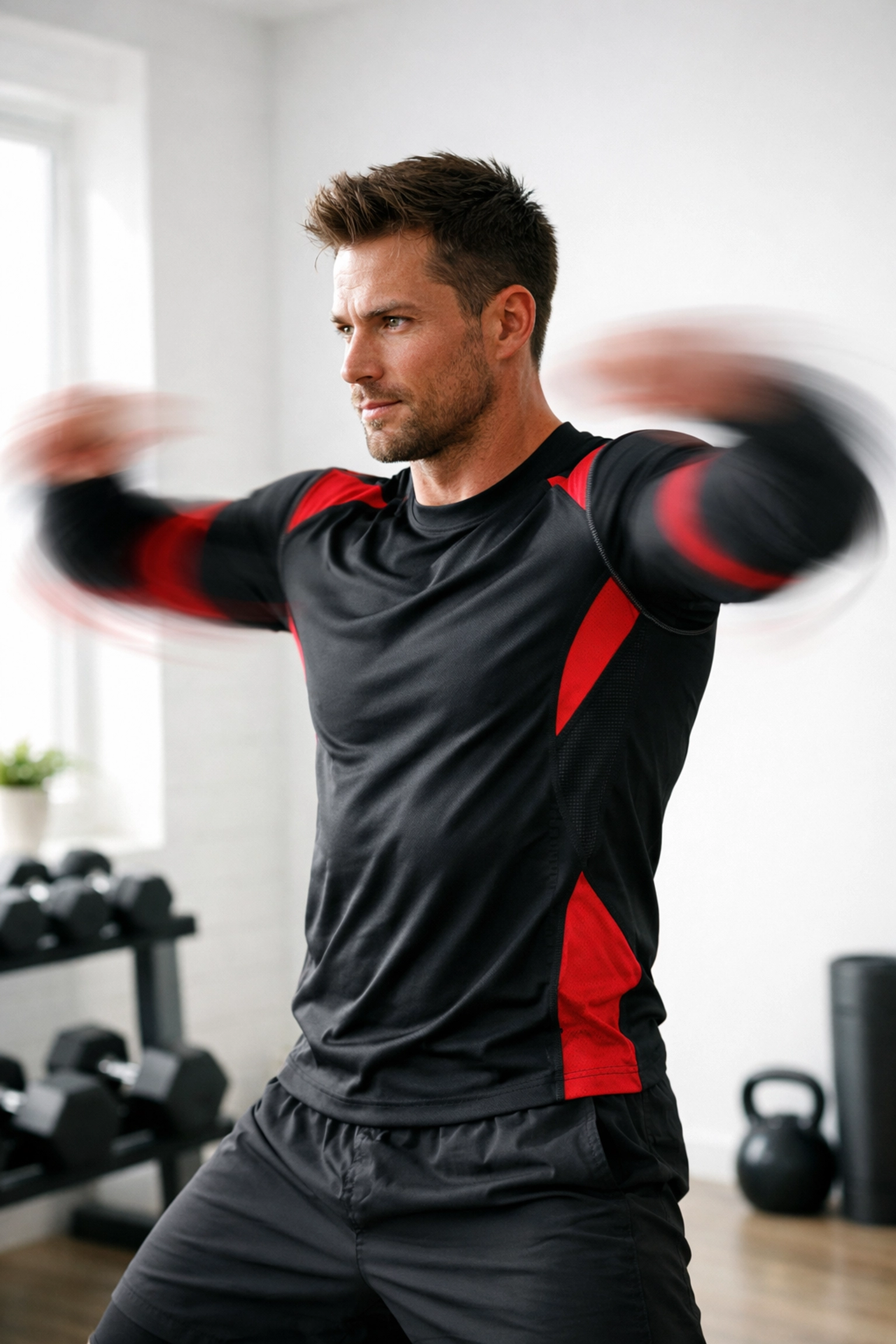
Never skip your warm-up. Ever. Here's your non-negotiable 10-minute preparation sequence:
General Activation (3 minutes):
- Light jumping jacks or jump rope
- High knees and butt kicks
- Arm circles forward and backward
Joint Preparation (4 minutes):
- Wrist rotations and forearm stretches (crucial for push-up volume)
- Shoulder circles and band pull-aparts
- Cat-cow spinal movements
- Hip circles and leg swings
Movement-Specific Prep (3 minutes):
- Easy progression of your first exercise (knee push-ups before standard push-ups)
- Scapula activation work (dead hangs, scapula pulls)
- Core activation (plank holds, hollow body practice)
This protocol elevates heart rate, lubricates joints, activates stabilizers, and prepares neural pathways. It's the difference between training longevity and chronic injury.
Putting It All Together: Your First Month
Week 1: Focus on movement quality and establishing baseline rep counts for each exercise. Don't chase failure: chase perfect form.
Week 2: Add one extra set to each exercise. Your body should feel challenged but not destroyed.
Week 3: Introduce tempo variation: 3-second eccentric phases on push movements, 1-second pauses at contraction points on pulls.
Week 4: Progress to the next exercise variation on movements where you're consistently hitting 12+ reps with excellent form.
This systematic approach creates sustainable progress that compounds over months and years. Quick fixes fade. Systematic progression builds champions.
The Equipment-Light Reality
This versatile home gym approach isn't for everyone. It's for athletes who value freedom, functionality, and genuine strength over ego lifting and machine dependence. It's for competitors who understand that bodyweight mastery creates the foundation for every advanced athletic skill. It's for practitioners who refuse to let equipment limitations dictate training quality.
Your body is the ultimate training tool. Strategic equipment like the Resistance Rail amplifies that tool without overcomplicating your setup. Seven movement patterns, intelligent programming, and consistent execution create transformative results.
The blueprint is here. The only question: are you bold enough to follow it?
Start building your equipment-light training foundation today at Bold Body Fitness and discover what serious athletes already know: less equipment, more results, zero compromises.
