
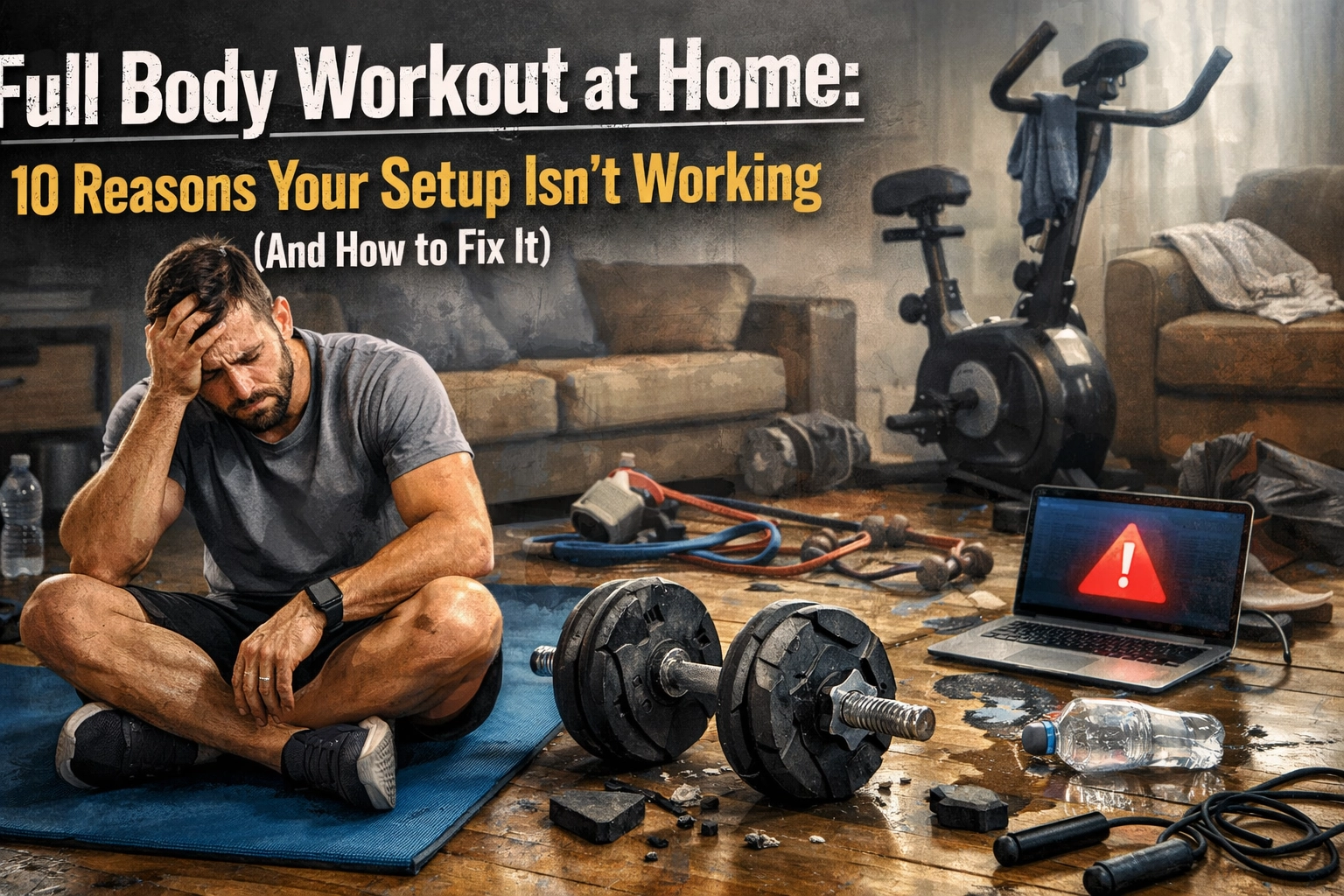
Let's cut the BS. You've invested time, money, and sweat into your home gym setup, but your results are... underwhelming. Maybe you're not getting stronger. Maybe you're dealing with nagging injuries. Or maybe you're just bored out of your mind doing the same tired routine.
Here's the truth: most home workout setups fail for predictable, fixable reasons. And no, the answer isn't always "join a gym" or "hire a $200/hour trainer." The answer is understanding what's actually holding you back and having the guts to fix it.
We're breaking down the 10 most common reasons your full body workout at home isn't delivering results: and more importantly, how to turn things around starting today.
1. Your Form Sucks (And You Don't Even Know It)
Without a coach or training partner watching your every rep, you're flying blind. That "perfect" pull-up? Your shoulders are probably compensating. Those pistol squats? Your knee is caving in ways that'll haunt you later.
Poor form doesn't just kill your gains: it's a one-way ticket to injury town. And here's the kicker: you can't feel bad form until it's too late.
The Fix: Set up your phone and record every training session. Watch your form between sets. It's humbling, but it works. Better yet, invest in a mirror or position yourself where you can see your movement patterns in real-time. Master the basics with bodyweight before you even think about adding load. Your ego might take a hit, but your joints will thank you.

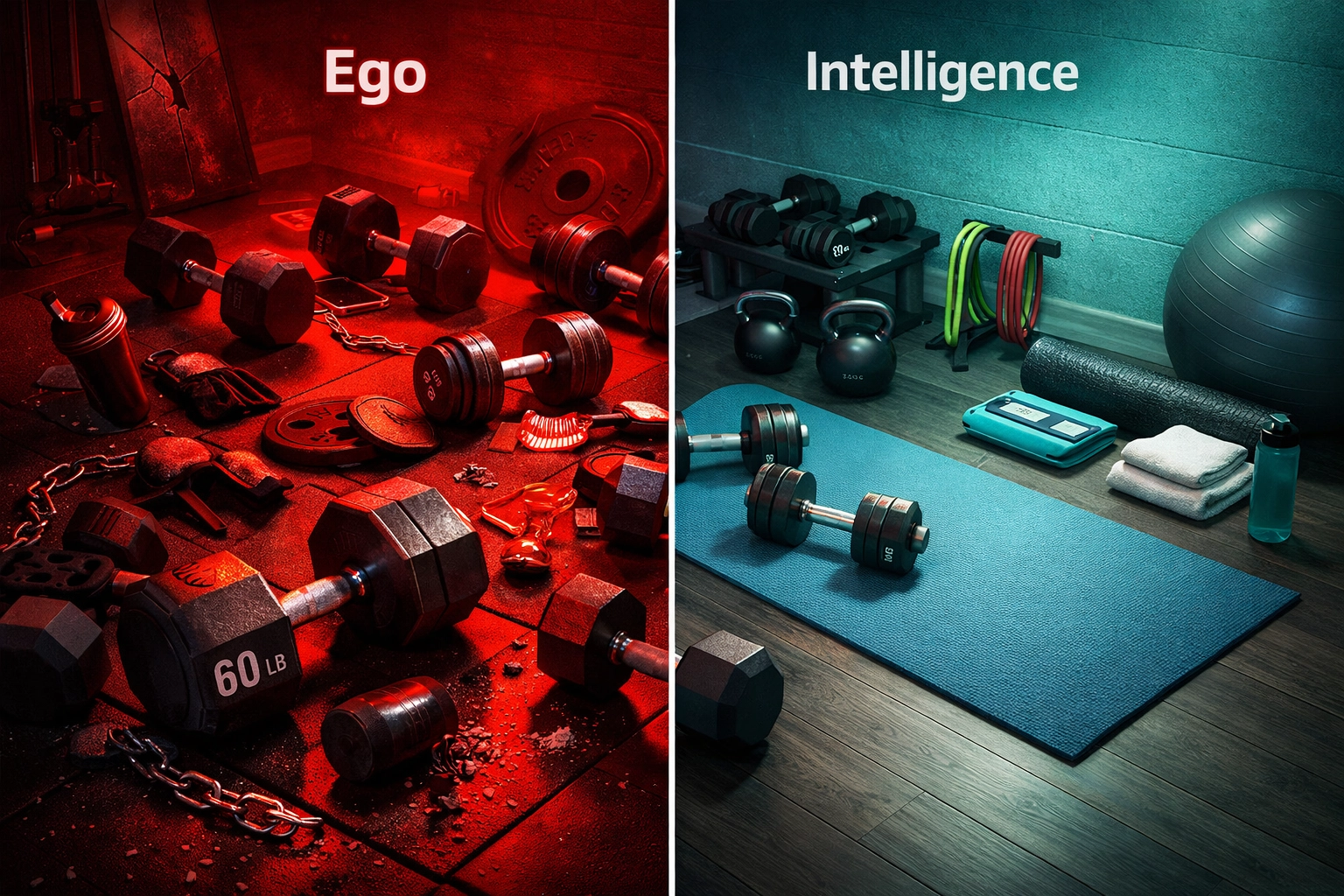
2. You're Ego-Lifting Your Way to the Injury Clinic
We get it. You want to feel strong. But loading up weight you can't control with proper form is the fastest way to derail your progress for weeks: or months.
If you can't complete 6-12 quality reps with a given weight, you're going too heavy. Period. And if you're sacrificing range of motion or using momentum to muscle through reps, you're cheating yourself out of actual strength gains.
The Fix: Drop your ego and drop the weight. For strength work, aim for 4 sets of 6-12 reps where the last 2-3 reps are challenging but controlled. For endurance, go lighter with 15-20 reps. The goal isn't to impress anyone: it's to build a body that actually works. Progressive overload means gradual progression, not reckless jumping.
3. You're Skipping Warm-Ups Like They're Optional
Spoiler alert: they're not optional. Studies show that dynamic warm-ups improve performance by up to 20%. Yet most home gym warriors roll out of bed and go straight into heavy squats or max-effort pull-ups.
Cold muscles are tight muscles. Tight muscles are injury-prone muscles. This isn't rocket science.
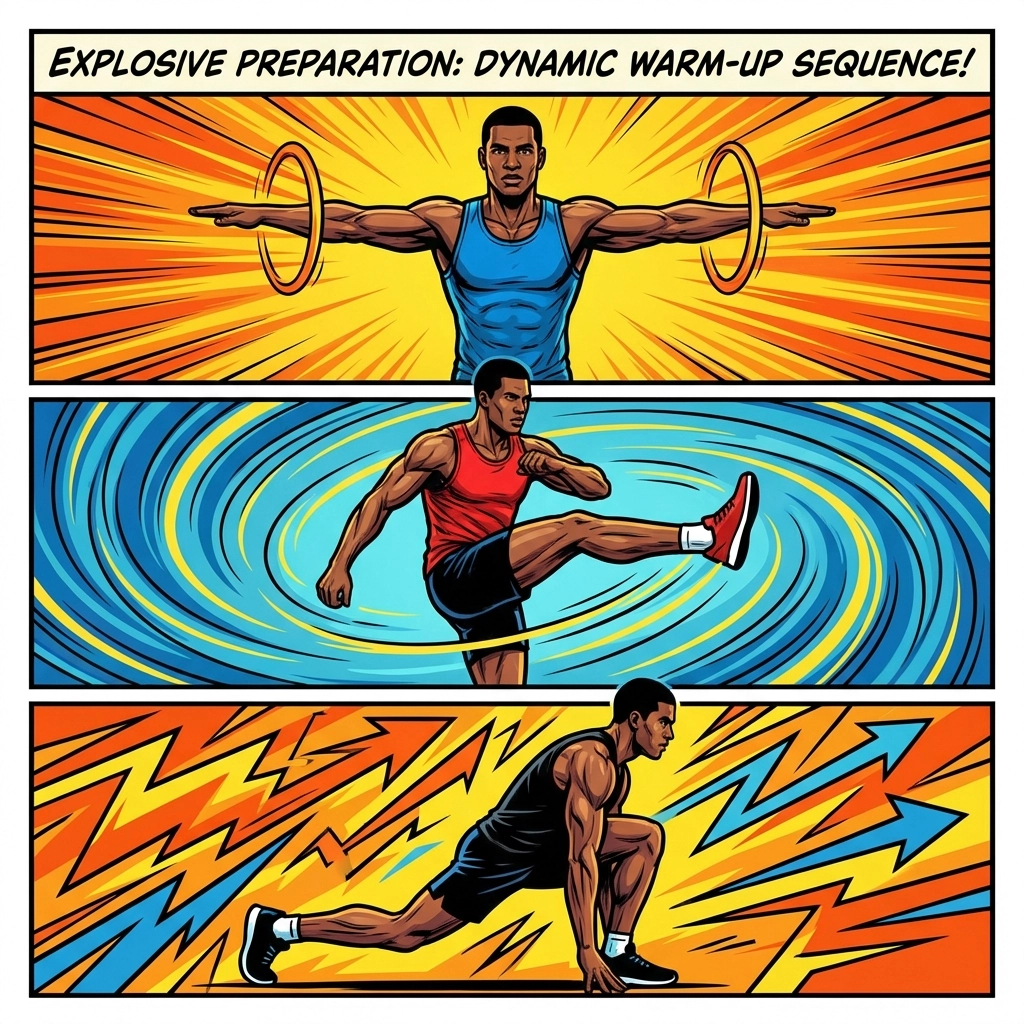
The Fix: Every single session starts with 5-10 minutes of dynamic movement. Arm circles, leg swings, light cardio, mobility drills: whatever gets your body ready for the work ahead. Think of it as priming the pump. Skip it, and you're leaving gains on the table before you even start.
4. You're Progressing Like You're Racing Against Time
Adding more weight, more sets, more exercises, and more training days all at once? That's not ambition: that's a recipe for burnout and injury.
Your body adapts to progressive stress over time. Keyword: progressive. When you throw everything at it simultaneously, your recovery systems get overwhelmed, your form deteriorates, and you end up weaker than when you started.
The Fix: Change one variable at a time. Add a rep here. Increase time under tension there. Improve your range of motion next week. Give your body time to adapt before layering on more stress. The athletes who last decades are the ones who play the long game, not the ones who go full throttle until they blow out.
5. You're Treating Cardio Like the Enemy
Resistance training builds muscle. Cardio builds endurance. Together, they build athletes. Separately, they build imbalances.
If you're only focusing on strength work and ignoring cardiovascular conditioning, you're missing half the equation. Your heart is a muscle too, and it deserves attention.
The Fix: Integrate at least 30 minutes of cardiovascular work most days of the week. Run. Bike. Jump rope. Hit a heavy bag if you're an MMA practitioner. The best cardio is the one you'll actually do consistently. For those serious about bodyweight training at home, circuit-style training with minimal rest between exercises can build both strength and conditioning simultaneously.
6. Or You're Drowning in HIIT and Neglecting Strength
On the flip side, endless burpees and mountain climbers won't build the muscle you need for real performance. HIIT has its place, but it can't replace progressive resistance training.
Gymnasts, ninja warriors, and calisthenics athletes aren't built through cardio alone: they're built through deliberate strength development in fundamental movement patterns.
The Fix: Prioritize compound movements that build real strength: pull-ups, dips, squats, lunges, and their progressions. Use HIIT as a conditioning tool, not your primary training method. If you're looking for equipment that supports serious strength work without drilling holes in your walls, check out versatile home gym solutions that give you the flexibility to train like an athlete.
7. Your Workout Routine is Stuck on Repeat
Doing the exact same workout day after day is comfortable. It's also completely ineffective.
Your muscles adapt to repetitive stress within weeks. Once they adapt, growth stops. You're just going through the motions, burning calories without building capacity.
The Fix: Rotate your exercises. Train different muscle groups on different days. Vary your rep schemes, tempo, and movement patterns. If you did pull-ups yesterday, try archer pull-ups today. Tomorrow, go for muscle-ups or typewriter pull-ups. Variation doesn't mean random chaos: it means strategic progression that keeps your body guessing and adapting.
8. Your Intensity is Either Too Soft or Too Savage
Training too light means no stimulus for growth. Training too hard means you're constantly recovering instead of adapting and improving.
Most home gym athletes struggle with this balance because they don't have external feedback. No coach telling them to push harder. No training partners challenging them. But also no one stopping them from grinding themselves into the ground.
The Fix: Train to moderate fatigue, leaving 1-2 reps in the tank on most sets. You should finish a workout feeling worked, not destroyed. If bodyweight exercises have become too easy, it's time to add external resistance or progress to harder variations. A floor to ceiling gym system like the Resistance Rail gives you the flexibility to scale difficulty up or down without needing a garage full of equipment.
9. Your Equipment Game is Weak (Or Non-Existent)
Limited equipment means limited options. Limited options means plateaus. You can only do so many variations of push-ups and air squats before you need more resistance to keep progressing.
But here's where most people get it wrong: they think more equipment equals better results. It doesn't. The right equipment equals better results.
The Fix: Invest strategically in equipment that maximizes versatility while minimizing space and wall damage. Instead of collecting dumbbells in every weight and drilling holes for multiple pull up bar alternatives, consider a system that adapts to your needs. The Resistance Rail is designed exactly for this: offering a complete no wall damage workout system that supports everything from calisthenics progressions to CrossFit conditioning without destroying your rental deposit.
For serious athletes training for ninja warrior competitions, gymnastics, or MMA, having adjustable resistance options that don't require permanent installation is a game-changer. You need equipment that evolves with your training, not equipment that collects dust after the first month.
10. You're Training Like Rest Days are for the Weak
This might be the most dangerous mindset in home fitness. Without rest days, you're not building muscle: you're breaking down tissue without giving it time to rebuild stronger.
Your hormones get out of whack. Your nervous system stays in overdrive. Your performance degrades. Eventually, you hit overtraining syndrome, and progress stops completely.
The Fix: Schedule 1-2 complete rest days every week. Notice we said "rest days," not "do nothing days." Active recovery like walking, light stretching, or mobility work keeps you moving without taxing your recovery systems. The strongest athletes understand that rest is when adaptation happens. Training provides the stimulus; rest provides the growth.
The Bottom Line: Stop Settling for Mediocre Results
Most home workout setups fail not because home training doesn't work, but because people accept limitations instead of solving problems.
Poor form? Film yourself and fix it. Weak equipment? Invest in quality home gym equipment that matches your ambitions. Boring routine? Add variation and progression. Inadequate recovery? Build rest into your program.
The athletes getting elite results at home: the gymnasts building impossible strength, the ninja warriors conquering obstacles, the CrossFit athletes staying competition-ready: aren't doing anything magical. They're just refusing to accept the excuses that hold everyone else back.
Your home gym can absolutely deliver professional-level results. But only if you're willing to address these 10 critical issues head-on. Stop making excuses. Start making progress.
Ready to build a full body workout at home setup that actually works? The difference between mediocre and exceptional isn't more space or more money: it's more intention and better systems. Bold Body Fitness exists to give serious athletes the tools they need to train without compromise, even in limited spaces.
Now stop reading and go train. Your setup isn't going to fix itself.
