
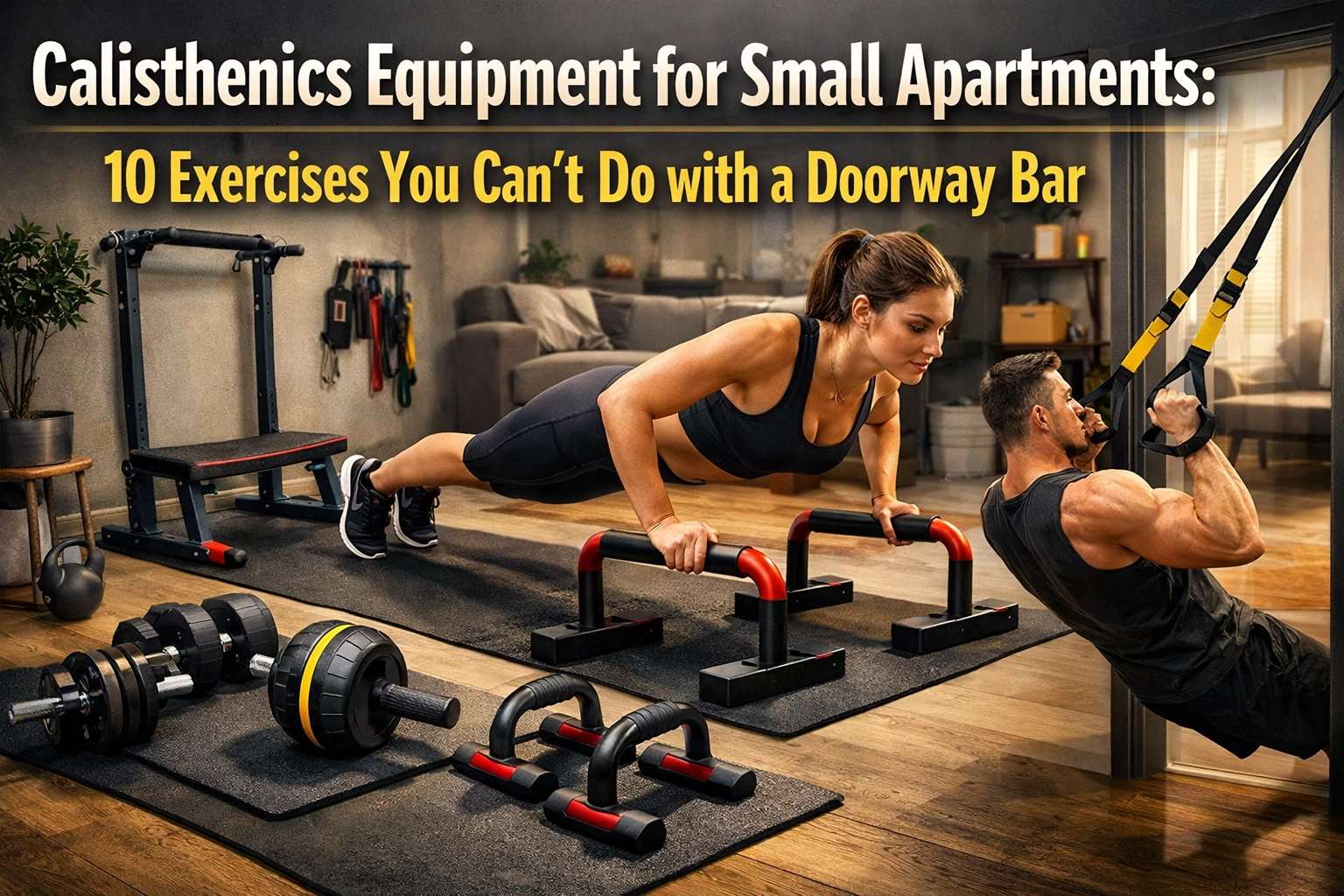
Let's be real: doorway pull-up bars are great... for about three exercises. Pull-ups, chin-ups, and maybe some hanging leg raises if you're feeling fancy. But if you're serious about bodyweight training at home and want to build real strength, explosive power, and functional athleticism in your small apartment, that doorway bar is holding you back.
Here's the truth: elite calisthenics practitioners, ninja warriors, gymnasts, and CrossFit athletes don't build their skills on doorway bars alone. They need versatile home gym equipment that allows for progressive overload, dynamic movement patterns, and exercises that challenge every plane of motion.
If you're tired of being limited by basic equipment and ready to transform your small space into a legitimate training facility, keep reading. We're breaking down 10 killer exercises you absolutely cannot do with a standard doorway bar: and showing you what calisthenics equipment for home actually unlocks your full potential.
Why Doorway Bars Fall Short for Serious Athletes
Before we dive into the exercises, let's address why that $20 doorway bar isn't cutting it anymore. Doorway bars offer a single, fixed-height bar with zero adjustability. You can't lower it for horizontal rows, raise it for muscle-up clearance, or adjust the grip width for specific training goals.
For apartment dwellers who take their fitness seriously, you need equipment that offers multiple attachment points, adjustable height settings, and the ability to perform both vertical and horizontal movements. That's where a proper no wall damage workout system comes into play: specifically, systems like the Resistance Rail from Bold Body Fitness that utilize floor-to-ceiling tension without drilling holes or damaging your rental.
Now, let's get into the exercises your doorway bar wishes it could handle.
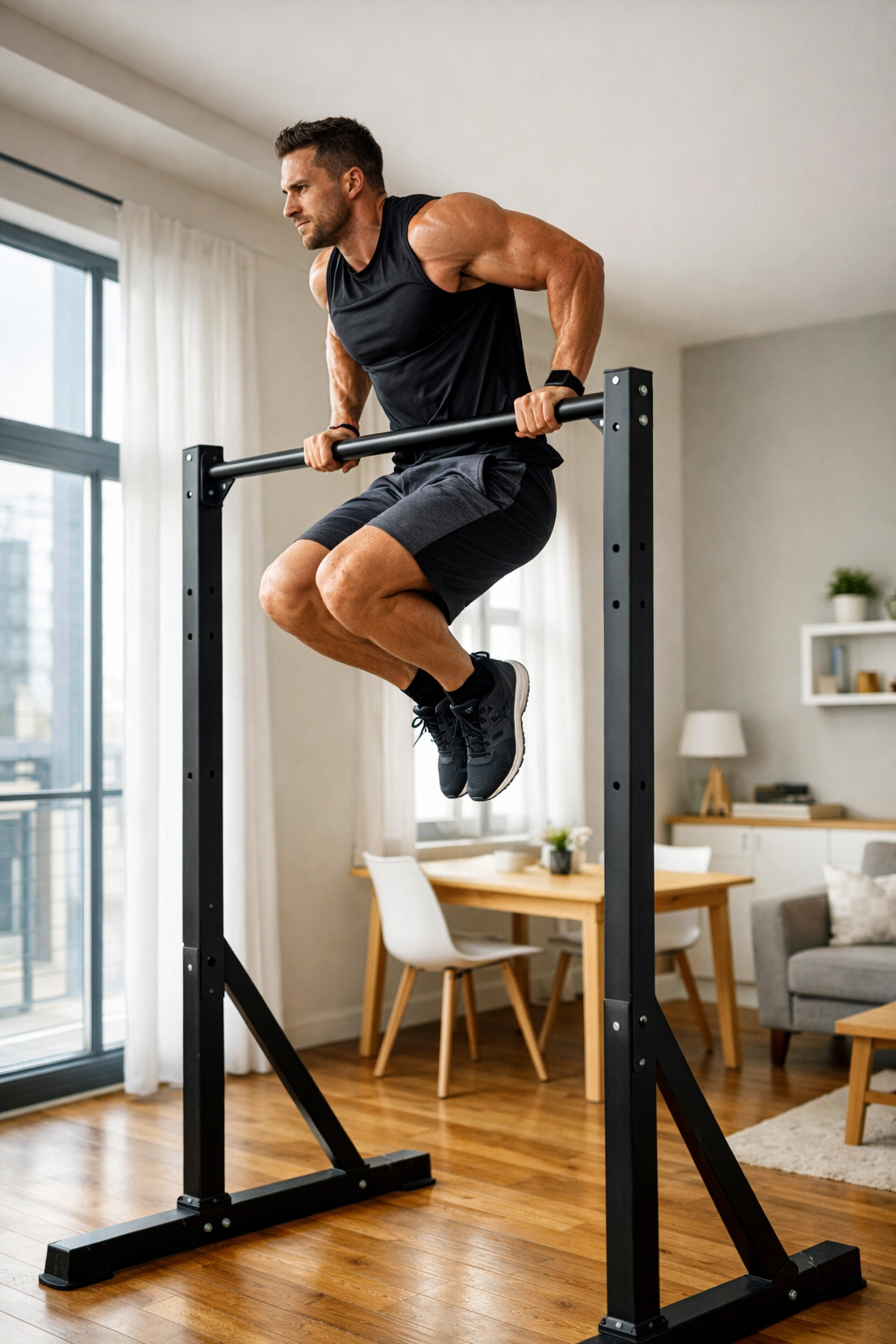
1. Muscle-Ups with Proper Clearance
The muscle-up is the holy grail of calisthenics: a true test of explosive pulling power combined with pushing strength. Here's the problem: doorway bars sit flush against the doorframe, giving you zero room to transition from pull to dip. You'll smash your face into the wall before you complete the movement.
A proper floor to ceiling gym setup allows you to position the bar with adequate clearance on all sides. You need space above the bar to drive your body upward, and you need the structural stability to handle the dynamic force of the transition. Muscle-ups demand explosive power that doorway bars simply weren't engineered to support safely.
For ninja warriors and CrossFit athletes, the muscle-up is non-negotiable. It builds the kind of functional strength that translates directly to obstacle course performance and competition movements.
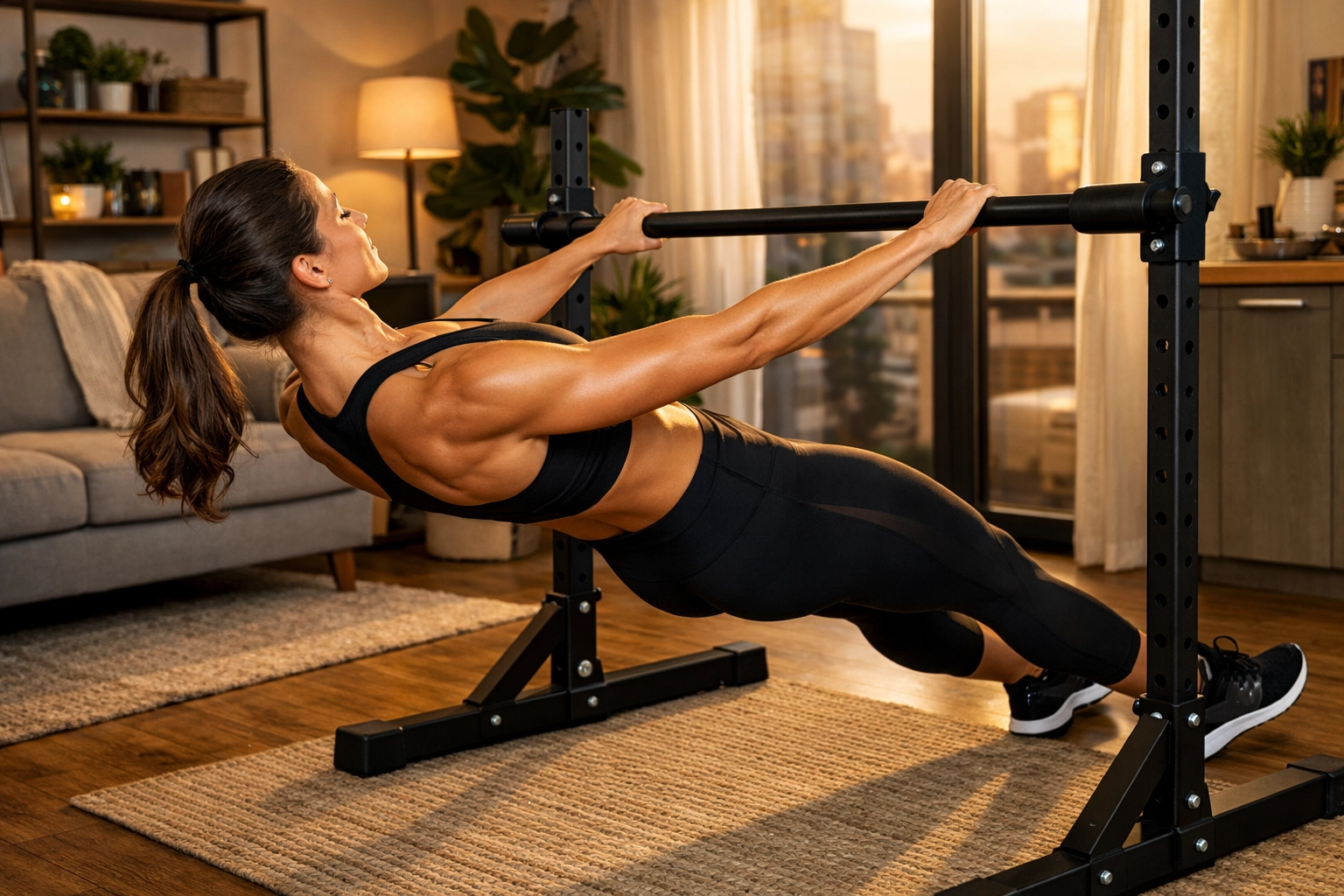
2. Adjustable-Height Inverted Rows
Inverted rows (also called Australian pull-ups or horizontal rows) are essential for building back thickness and developing the posterior chain muscles that keep your shoulders healthy. These require a bar set at waist height or lower: something physically impossible with a doorframe-mounted bar.
With a versatile home gym system that offers multiple height adjustments, you can start with the bar higher (easier) and progressively lower it as you get stronger. This scalability makes inverted rows perfect for both beginners building toward their first pull-up and advanced athletes adding volume to their pulling strength.
The horizontal pulling pattern also complements vertical pulls perfectly, ensuring balanced development and reducing injury risk. MMA fighters particularly benefit from this exercise since it mimics the pulling angles used in grappling and clinch work.
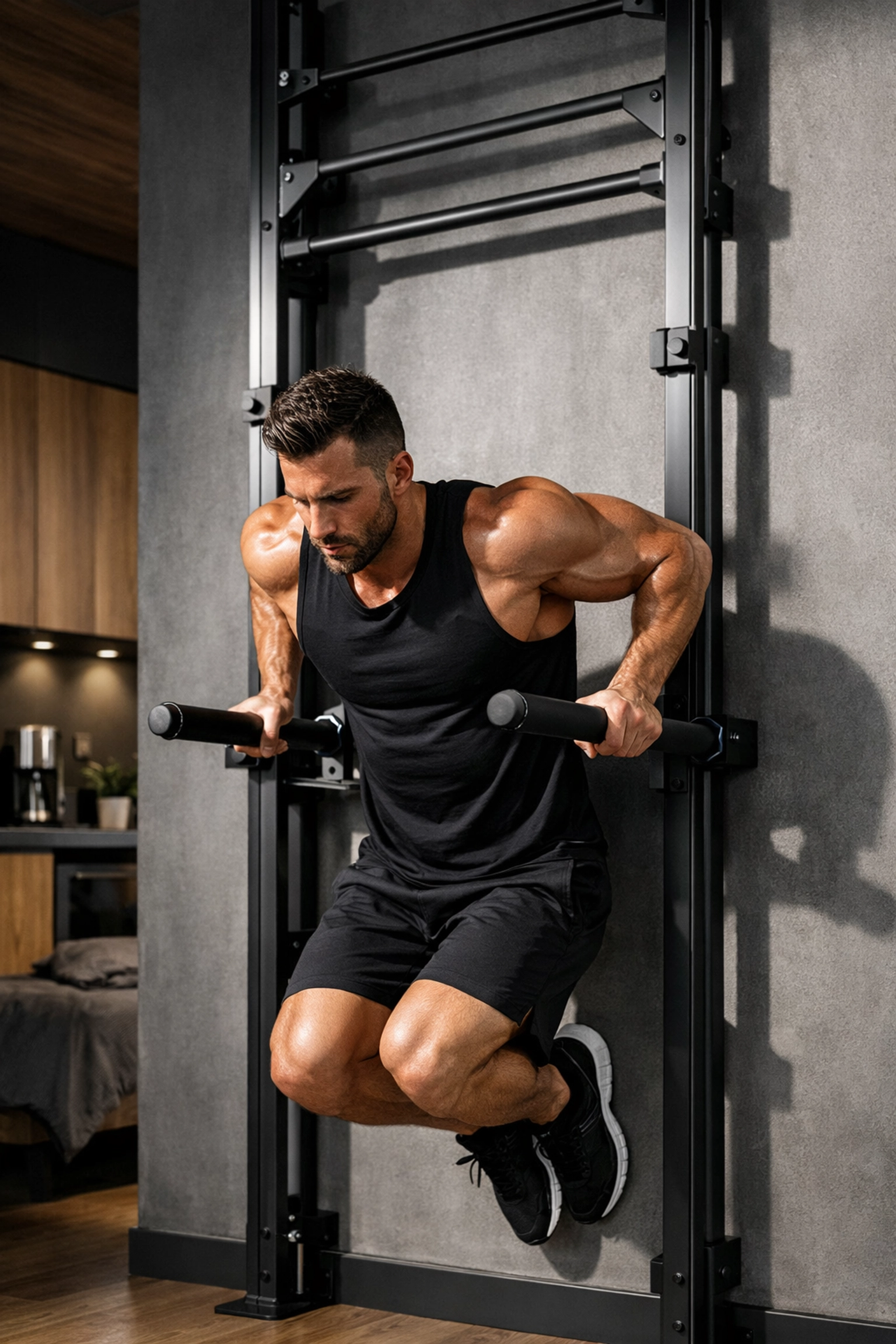
3. Parallel Bar Dips
Dips are the upper body squat: a fundamental pushing movement that builds massive triceps, chest, and front deltoids. They require two parallel bars or handles at roughly the same height, which a single doorway bar obviously can't provide.
True parallel bar dips allow for full range of motion, from arms fully extended to chest between the bars at the bottom position. This depth builds serious pressing strength and develops the stabilizer muscles throughout your shoulders and core.
For CrossFit home gym setups, dips are programming staples that carry over directly to handstand push-ups, ring work, and overhead pressing strength. A quality resistance training system with multiple attachment points makes weighted dips easily accessible by adding a dip belt or weight vest.
4. Dynamic Rope Climbs
Want to know what separates weekend warriors from elite athletes? Rope climbs. This full-body exercise builds crushing grip strength, powerful hip drive, and the kind of cardiovascular endurance that has you gasping for air after one rep.
Doorway bars can't accommodate rope attachments that hang vertically with adequate length. You need a secure overhead anchor point with at least 8-10 feet of clearance below it, basically impossible in a doorway setup.
Rope climbs are non-negotiable for ninja warrior training and functional fitness programming. They develop the grip strength and pulling endurance needed for obstacle courses, while also building core stability through the anti-rotation demands of the movement.
5. Ring Training and Gymnastic Movements
Gymnastic rings unlock an entirely different universe of bodyweight exercises: ring dips, iron cross progressions, skin-the-cats, ring push-ups, and Bulgarian dips. These unstable surfaces force your stabilizer muscles to work overtime, building functional strength that transfers to virtually every athletic movement.
The problem? Rings need adequate space to swing freely without hitting walls, furniture, or doorframes. They also require a stable overhead attachment that can handle dynamic loading from multiple angles.
A proper floor to ceiling gym system provides the height and stability necessary for ring work, while keeping your apartment walls damage-free. For gymnasts and calisthenics practitioners, rings are essential equipment: not optional accessories.
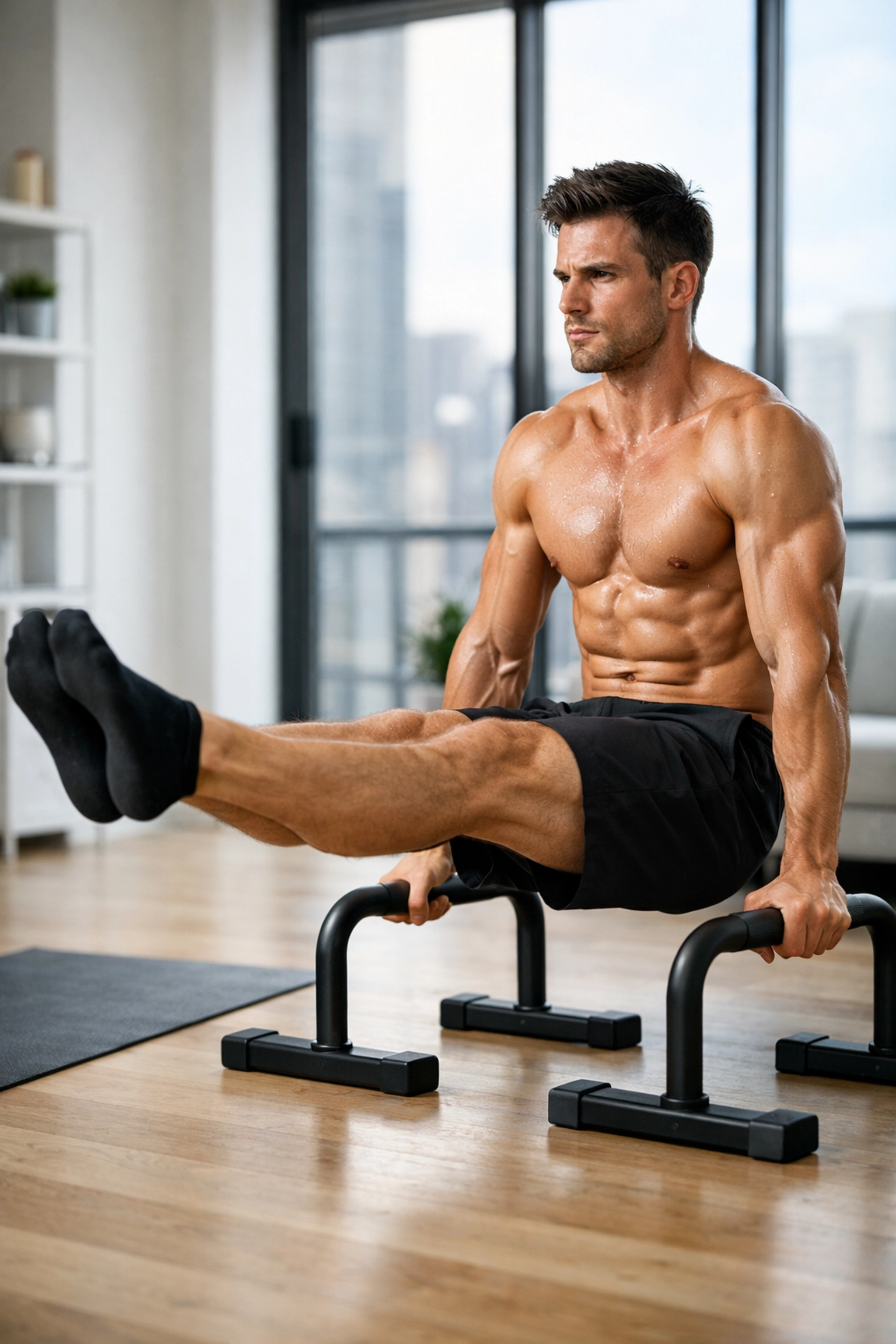
6. L-Sit Variations on Low Parallel Bars
The L-sit is a brutal core and hip flexor exercise that builds the foundation for advanced movements like planches and front levers. While you can attempt an L-sit hang from a pull-up bar, the gold standard is performing them on low parallel bars or parallettes.
This variation allows for longer holds, reduces grip fatigue, and enables progressions like L-sit to handstand, straddle L-sits, and V-sits. The parallel bar position also makes it easier to focus on compression strength: pulling your legs toward your chest: which is crucial for advanced gymnastics skills.
Small apartment dwellers can integrate parallettes or P-bars into their home gym equipment arsenal without eating up much space. These tools complement your pull-up system perfectly and open up dozens of new exercises.
7. Banded Resistance Work for Skill Progressions
Resistance bands are the secret weapon for mastering advanced calisthenics skills. They provide assistance for movements like muscle-ups, front levers, and one-arm pull-ups, while also adding resistance for exercises like banded push-ups and archer pull-up progressions.
Here's the catch: to use bands effectively, you need multiple anchor points at different heights. A doorway bar gives you one fixed point. A versatile system with multiple attachment options lets you set up bands at floor level for lower body work, mid-height for explosive movements, and overhead for assistance work.
For serious athletes working on skill progressions, band work is essential. It allows you to train movement patterns with reduced load, building the neural pathways before attempting the full bodyweight version.
8. Suspended Core Exercises and Fallouts
Suspended fallouts, body saws, and pike-ups are advanced core exercises that make regular planks look like child's play. These movements require suspension straps or rings attached to an overhead point, with your feet elevated and body positioned horizontally.
The instability creates incredible core activation: your entire midsection works to prevent rotation and maintain alignment. These exercises build the kind of core strength that directly improves your performance in every other movement.
A doorway bar doesn't provide the setup options for proper suspension training. You need a stable overhead anchor with adequate height and clearance: exactly what a quality pull up bar alternative system provides.
9. Explosive Jump Pull-Ups and Clapping Pull-Ups
Explosive plyometric work is crucial for developing power output: the kind of strength that looks impressive and performs even better. Jump pull-ups, clapping pull-ups, and explosive chest-to-bar variations require space above the bar and structural stability to handle impact forces.
Doorway bars sit too close to the frame for these dynamic movements, and most aren't rated for the impact loading that comes with explosive work. You risk both injury and property damage attempting these exercises on inadequate equipment.
For ninja warriors and CrossFit athletes, explosive pulling is a competition requirement. Your training setup needs to support these movements safely, with proper clearance and weight capacity.
10. Multi-Angle Leg Raise Progressions
While you can do basic hanging leg raises from a doorway bar, advanced variations require adjustability and different setup options. Dragon flags need a low bar for your hands behind your head. Toes-to-bar requires space between your legs and the wall. Windshield wipers demand width for your legs to swing side-to-side.
A comprehensive bodyweight training at home system lets you position yourself optimally for each leg raise variation, building complete core strength from multiple angles. This variety prevents adaptation and ensures balanced development of your entire midsection.
Building a Complete Calisthenics Setup in Your Apartment
Look, you don't need a massive home gym to train like an elite athlete. You just need smart equipment choices that maximize versatility without requiring wall damage or excessive space. The right calisthenics equipment for home should offer:
- Multiple height adjustments for different exercise variations
- Stable overhead anchoring for dynamic and explosive movements
- No permanent installation that respects your rental agreement
- Multi-angle attachment points for rings, ropes, and bands
- Weight capacity to support your current and future strength levels
The Bold Body Fitness Resistance Rail checks all these boxes. It's a floor-to-ceiling system that installs with tension: no drilling, no wall damage, no angry landlords. You get the stability of a power rack with the footprint of a doorway bar.
Whether you're a ninja warrior training for competitions, a CrossFit athlete building your home setup, or a calisthenics practitioner chasing advanced skills, having the right equipment makes the difference between plateauing and progressing.
Stop Limiting Your Potential
That doorway bar served you well for your first hundred pull-ups. But if you're serious about taking your training to the next level, it's time to upgrade your setup. The 10 exercises we covered aren't just "nice to have" additions: they're foundational movements that serious athletes consider non-negotiable.
You don't need a dedicated gym room or thousands of dollars in equipment. You just need a versatile home gym system that grows with you, supports progressive overload, and enables the full spectrum of calisthenics training.
Ready to transform your small apartment into a legitimate training facility? Check out the Bold Body Fitness shop for equipment that actually delivers on the promise of a full body workout at home: no excuses, no limitations, just results.
Your doorway bar had a good run. Time to graduate to equipment that matches your ambition.
