
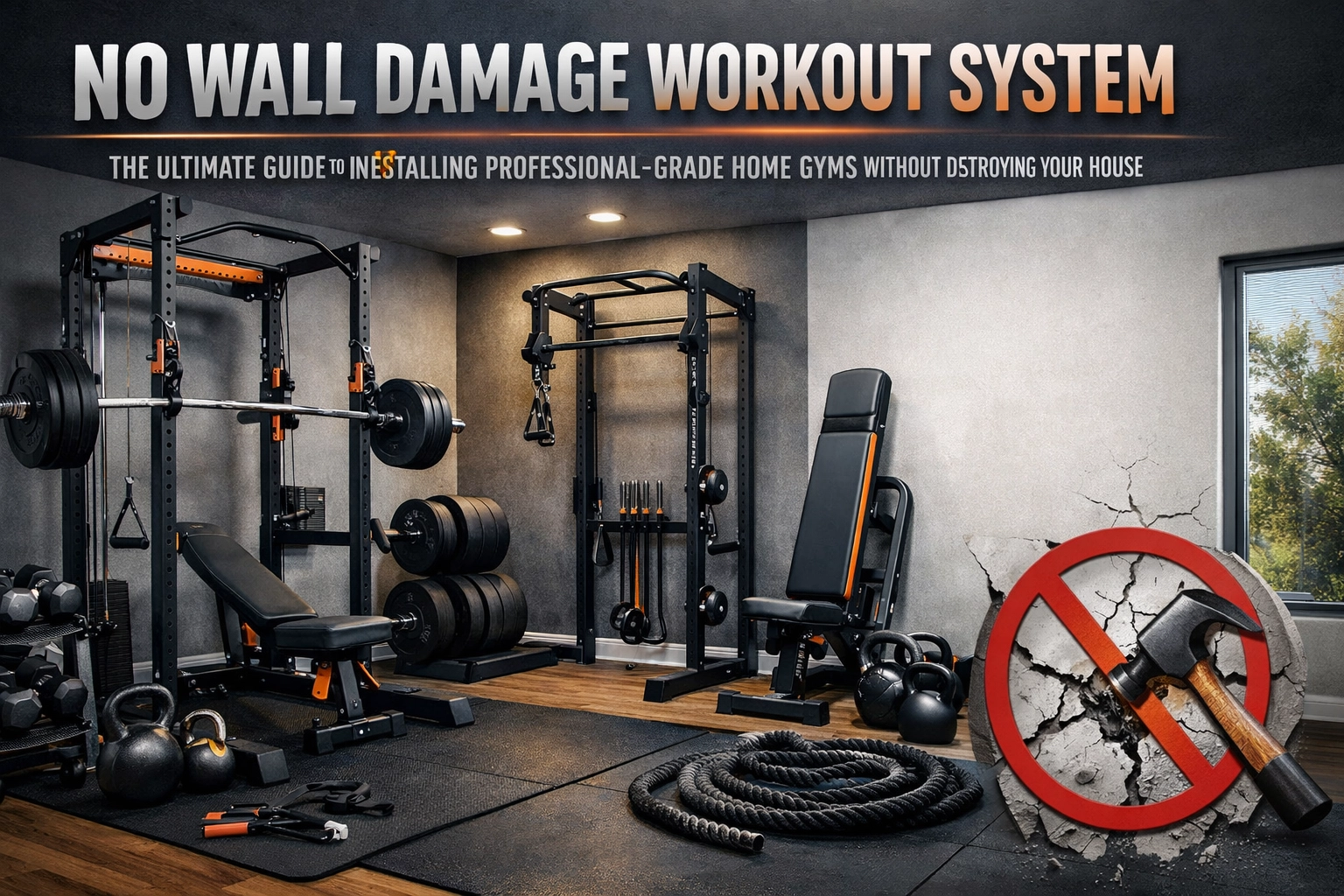
Let's be real, you've probably seen it. That friend who installed a pull-up bar and now has drywall cracks spreading like a spider web. Or worse, that Instagram fail where someone's wall-mounted rig literally ripped out of the wall mid-muscle-up. Yeah, not the kind of home gym goals anyone's chasing.
Here's the brutal truth: most home gym equipment was designed for commercial spaces with concrete walls and steel beams. When you try to bolt that same gear into your living room or garage, you're basically playing Russian roulette with your security deposit (or resale value if you own).
But here's the good news: you don't have to choose between training like a beast and preserving your walls. The no wall damage workout system isn't just possible; it's actually superior to traditional setups in almost every way.
Why Traditional Home Gyms Destroy Your House
Before we dive into solutions, let's talk about why this problem exists in the first place.
Traditional wall-mounted equipment creates concentrated stress points. Every pull-up, every muscle-up, every explosive kipping movement sends hundreds of pounds of force directly into your drywall. And unless you're drilling into solid studs (which limits where you can place equipment), you're asking for trouble.
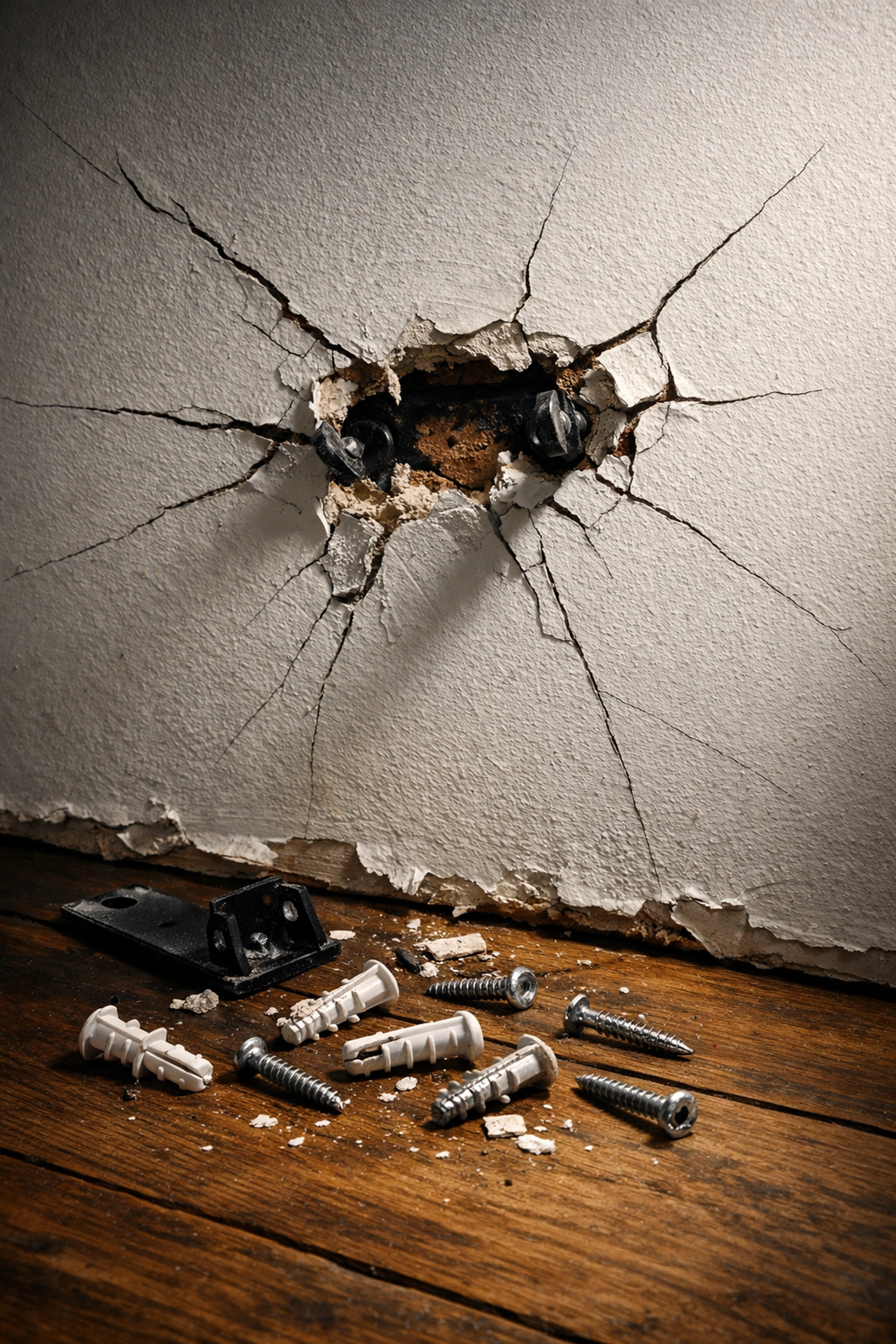
The real kicker? Most residential construction wasn't designed for dynamic loads. Your walls can handle hanging a picture frame. They weren't built to support a 200-pound CrossFit athlete doing butterfly pull-ups.
Then there's the installation nightmare. Drill holes in the wrong spot? That's wall repair. Change your mind about placement? More wall repair. Want to take your equipment when you move? You guessed it: more wall repair.
The Floor-to-Ceiling Revolution: Zero Drilling Required
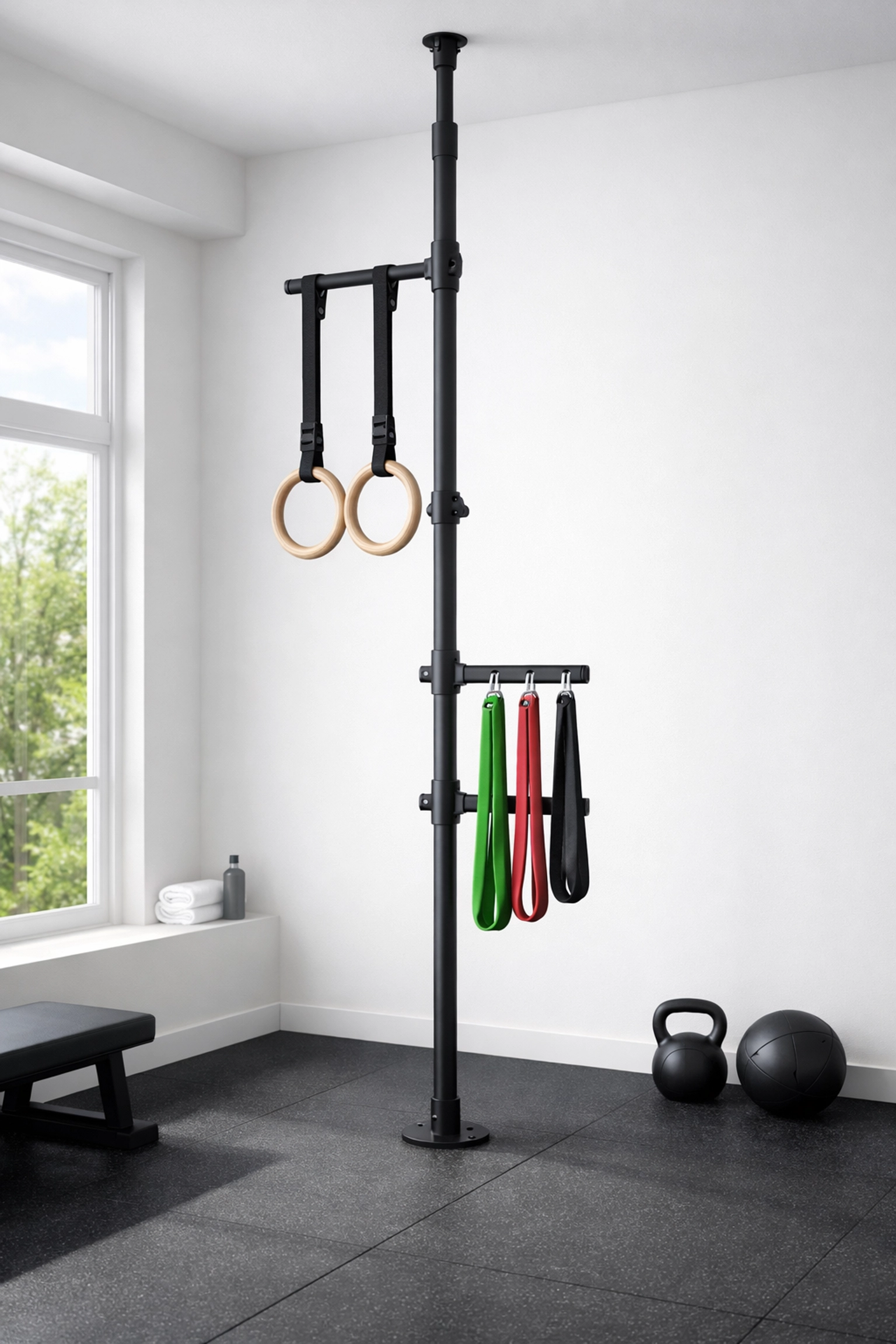
This is where the game changes completely. A floor to ceiling gym system uses tension between your floor and ceiling to create a rock-solid anchor point without a single screw or bolt penetrating your walls.
Think of it like a tension rod, but engineered to handle thousands of pounds of force. Systems like the Resistance Rail from Bold Body Fitness create a vertical column of pure stability that can support everything from basic pull-ups to advanced calisthenics training.
The physics are beautifully simple: by applying pressure between two immovable surfaces (your floor and ceiling), you create an anchor point that's actually MORE stable than most wall-mounted options. No drilling. No damage. No permanent modifications whatsoever.
Why Elite Athletes Are Making the Switch
Here's what makes these systems absolutely killer for serious training:
Versatility That Traditional Equipment Can't Touch
A single floor-to-ceiling system transforms into multiple training stations. Mount rings at different heights for gymnastics work. Add resistance bands for strength training. Install a TRX system for suspension training. Set up parallettes for calisthenics. All on the same vertical rail, all completely adjustable in seconds.
Try doing that with wall-mounted gear without turning your walls into Swiss cheese.
True Functional Movement
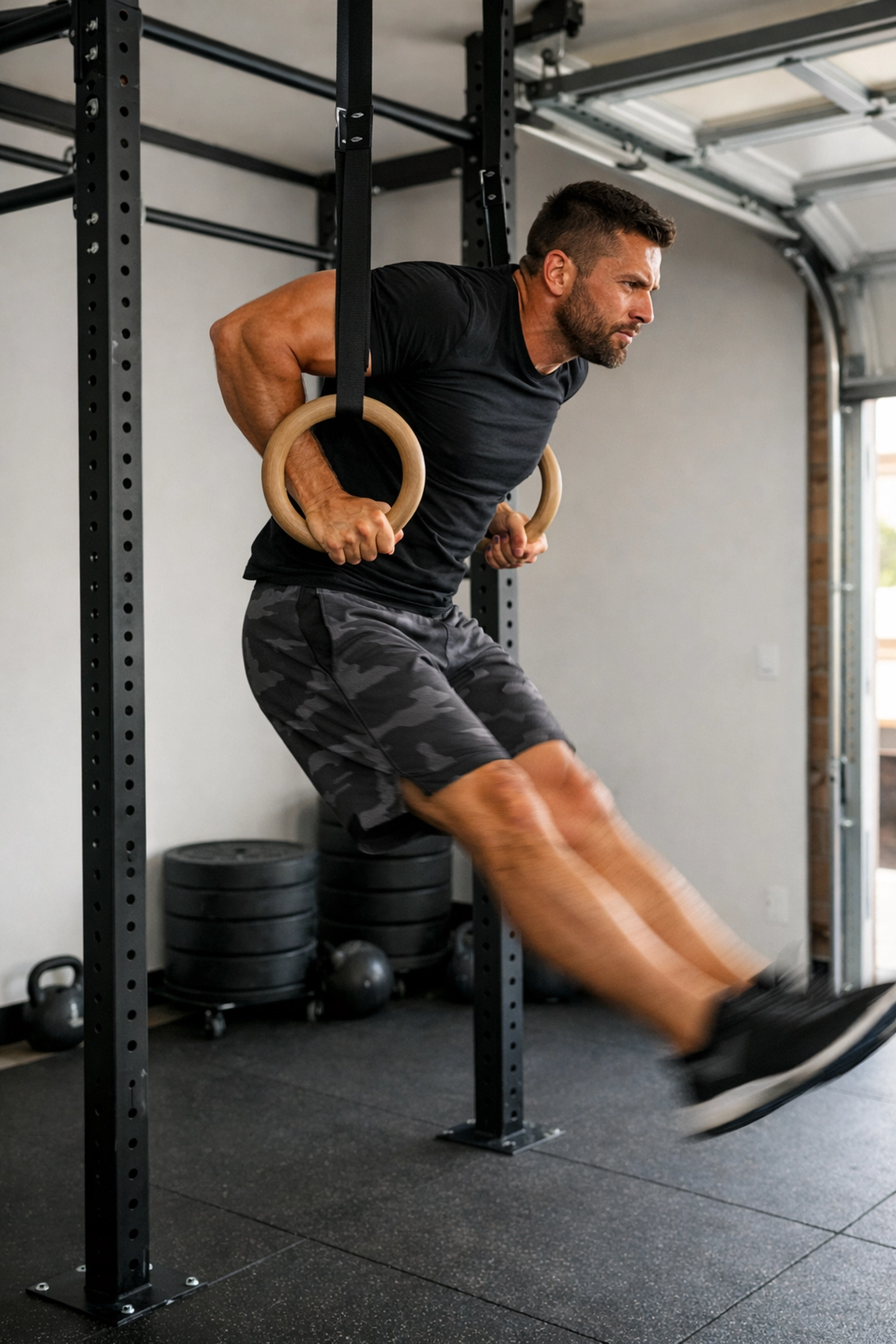
Ninja warriors need to train dynamic movements without worrying about equipment failing mid-obstacle. MMA fighters require stability during explosive bag work. Gymnasts need precision placement for ring work. A no wall damage workout system delivers all of this while actually being EASIER to adjust than traditional mounts.
Rental-Friendly Reality
Let's address the elephant in the room: most serious athletes under 35 are renting. A system that requires zero wall penetration means you can build a legit crossfit home gym without losing your security deposit or getting landlord approval. Pack it up when you move, set it up in your next place in under an hour.
Setting Up Your Damage-Free Training Space
The beauty of a versatile home gym built on floor-to-ceiling principles is the setup simplicity. But you still need to do it right.
Ceiling Height Considerations
Most systems work with standard 8-foot ceilings, but check specs before buying. If you've got vaulted ceilings or a basement with 7-foot clearance, you'll need to verify compatibility. The Resistance Rail Standard handles most residential applications perfectly.
Floor Surface Matters
Concrete? Perfect. Hardwood? Add protective mats. Carpet? Still workable with proper padding, but concrete or hard floors give you maximum stability. The system's tension relies on solid contact with both surfaces.
Space Planning for Maximum Training
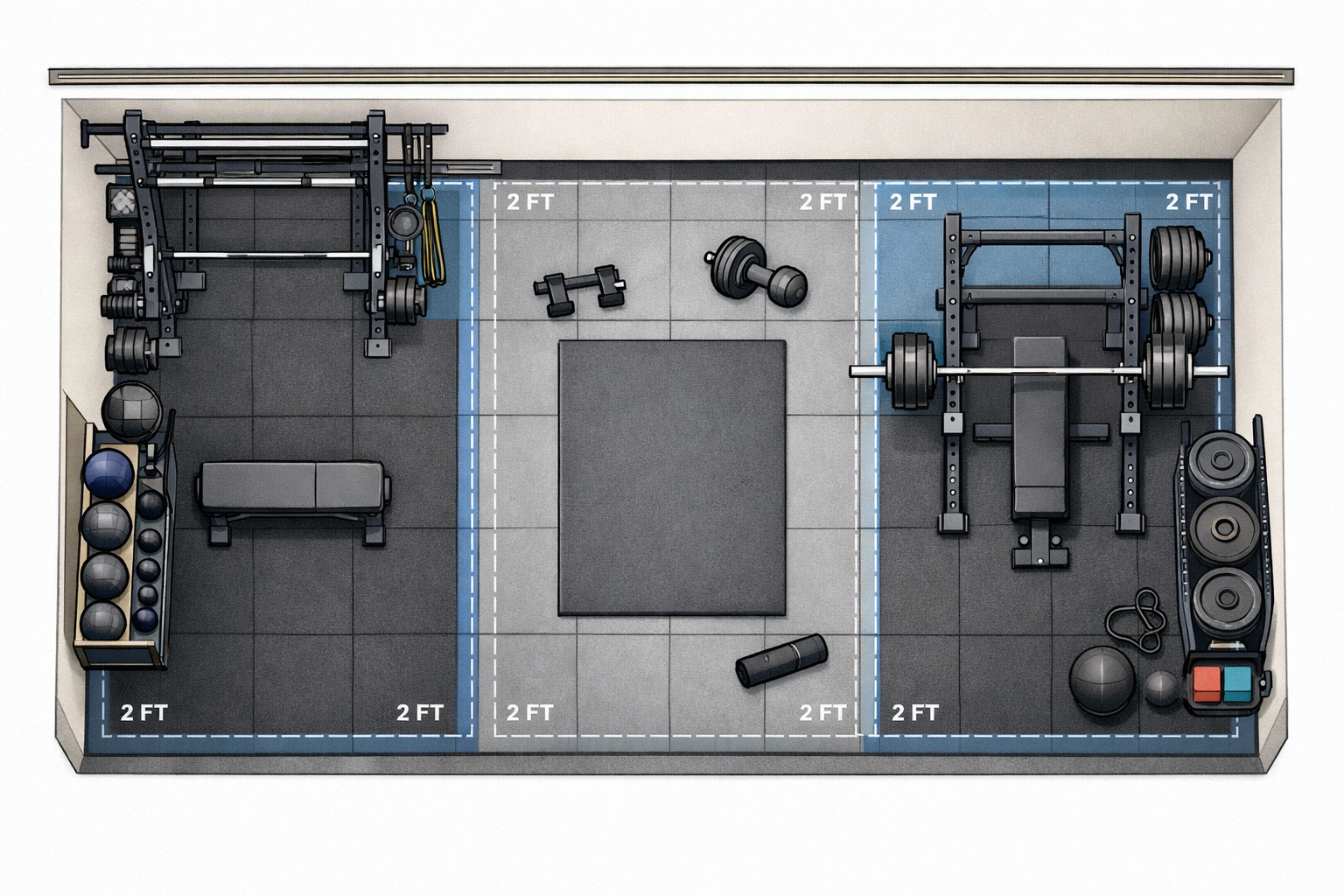
Give yourself at least 2 feet of clearance on all sides. This isn't just about wall protection: it's about having proper space for dynamic movements. Your bodyweight training at home should feel as spacious as a commercial gym, not like working out in a closet.
Create zones: put your floor-to-ceiling system in your strength zone, keep free weights in another area, designate cardio space separately. This organization naturally creates buffer zones that protect walls while optimizing your training flow.
The Complete No-Damage Equipment Arsenal
Here's how to build a professional-grade setup without touching your walls:
Core Vertical System
Your floor-to-ceiling rail is the foundation. This becomes your pull-up bar alternative, ring mount, resistance band anchor, and suspension training point. One piece of equipment, infinite configurations.
Free-Standing Power Equipment
Add a squat rack or power cage that's completely self-supporting. Modern designs are stable enough for heavy lifting without wall anchoring. Combined with your vertical system, you've got both horizontal and vertical training covered.
Smart Flooring Protection
Rubber stall mats are your best friend. They're inexpensive, durable, and protect both your floor and your walls (by preventing equipment from sliding). Consider building an 8x8 platform if you're doing serious barbell work.
Adjustable Accessories
Invest in quality attachments that work with your vertical system: Olympic rings, resistance bands at multiple resistance levels, TRX straps, and a climbing rope. All of these attach and detach in seconds, giving you a full body workout at home without any permanent setup.
Who Needs This System (Spoiler: You Do)
This isn't just for renters avoiding wall damage: though that's a huge bonus. Elite-level athletes are choosing no-damage systems because they're objectively better:
Gymnasts get infinitely adjustable ring heights and the stability needed for skill work. Try finding wall studs at exactly the right spacing for your wingspan. Good luck.
CrossFit Athletes need to transition between movements fast. Wall-mounted gear is fixed. Floor-to-ceiling systems adapt to your workout, not the other way around.
Ninja Warriors require training setups that mimic course obstacles. The vertical rail system lets you practice transitions and dynamic movements that fixed wall mounts can't replicate.
MMA Fighters and martial artists need equipment that handles intense, explosive training without worrying about ripping anchors out of drywall during heavy bag work or resistance training.
Calisthenics Enthusiasts pursuing bodyweight mastery need precision equipment placement. The adjustability of a floor-to-ceiling system beats static wall mounts every single time.
The Investment That Pays You Back
Let's talk money. A quality no wall damage workout system costs roughly the same as professional wall-mounted equipment: but without the installation costs, potential wall repairs, or loss of security deposits.
Factor in the versatility (one system replaces multiple pieces of single-purpose equipment), the portability (take it with you when you move), and the zero-maintenance reality (no checking for loose anchors or structural stress), and you're looking at equipment that actually saves money long-term.
Plus, if you ever sell your house, a non-permanent gym setup is a feature, not a problem. Buyers see a clean space they can use however they want, not pre-drilled holes and repair jobs.
Making the Move to Smarter Training
The fitness industry has caught up to reality: athletes need equipment that works with their lives, not against them. The days of choosing between serious training and wall integrity are over.
A proper floor-to-ceiling system isn't a compromise: it's an upgrade. You get more versatility, easier adjustment, better portability, and yes, zero wall damage. It's the kind of no-brainer decision that makes you wonder why anyone still drills holes in their walls.
Ready to set up a home gym that's actually smarter than a commercial facility? Check out the complete range of calisthenics equipment for home and resistance training solutions at the Bold Body Fitness shop. Your walls will thank you, and your training will hit levels you didn't think were possible outside a dedicated facility.
The future of home training isn't about doing more damage better: it's about doing zero damage while training harder than ever. That's not just smart. That's bold.
