

Walk into any serious athlete's home gym in 2026, and you'll notice something missing: those bulky wall-mounted pull-up bars that dominated garage gyms for the past decade. From ninja warriors to CrossFit athletes, MMA fighters to gymnasts, there's a major shift happening in how elite performers are setting up their calisthenics equipment for home training.
The reason? Wall-mounted bars simply can't keep up with the demands of modern bodyweight training.
The Wall-Mounted Bar Problem Nobody Talks About
Let's be real: wall-mounted pull-up bars have been the default recommendation for years. Install some lag bolts into your studs, hope you found solid framing, and pray the whole thing doesn't rip out of your drywall when you're kipping or doing muscle-ups.
But here's what serious athletes discovered the hard way:
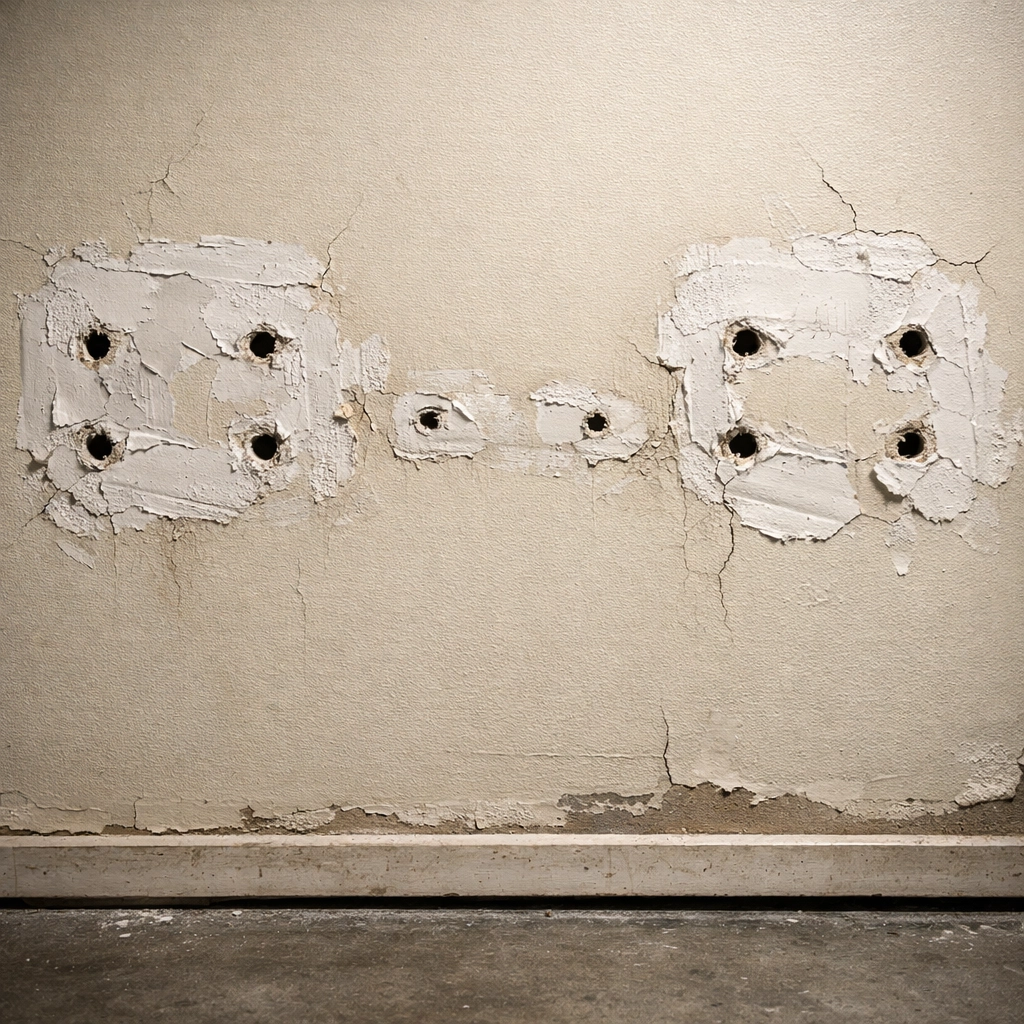
Permanent holes in your walls that tank your property value or cost you the security deposit. Every installation means committed damage, and if you want to move it? You're starting from scratch with new holes and fresh drywall repair.
Zero versatility in your training space. That bar is stuck at one height, at one spot, forever. Want to adjust for different exercises? Want to set up gymnastic rings at varying heights? Want to train explosive movements with different grip positions? Too bad.
Limited movement patterns that restrict your progression. A single horizontal bar only enables so many exercises. For athletes training ninja warrior obstacles, gymnastic skills, or advanced calisthenics, this becomes a ceiling on development fast.
Sketchy installation anxiety that every athlete feels but nobody admits. You're literally trusting your body weight: plus momentum and dynamic forces: to a few bolts in wood that might be decades old. One bad stud location, one slightly angled installation, and you're testing your physical therapy budget.
The traditional approach to home gym equipment just wasn't built for athletes who train like their performance matters.
What Serious Athletes Actually Need From Their Home Gym
Talk to any high-level ninja warrior competitor, gymnast, or calisthenics athlete about their training needs, and you'll hear the same themes:
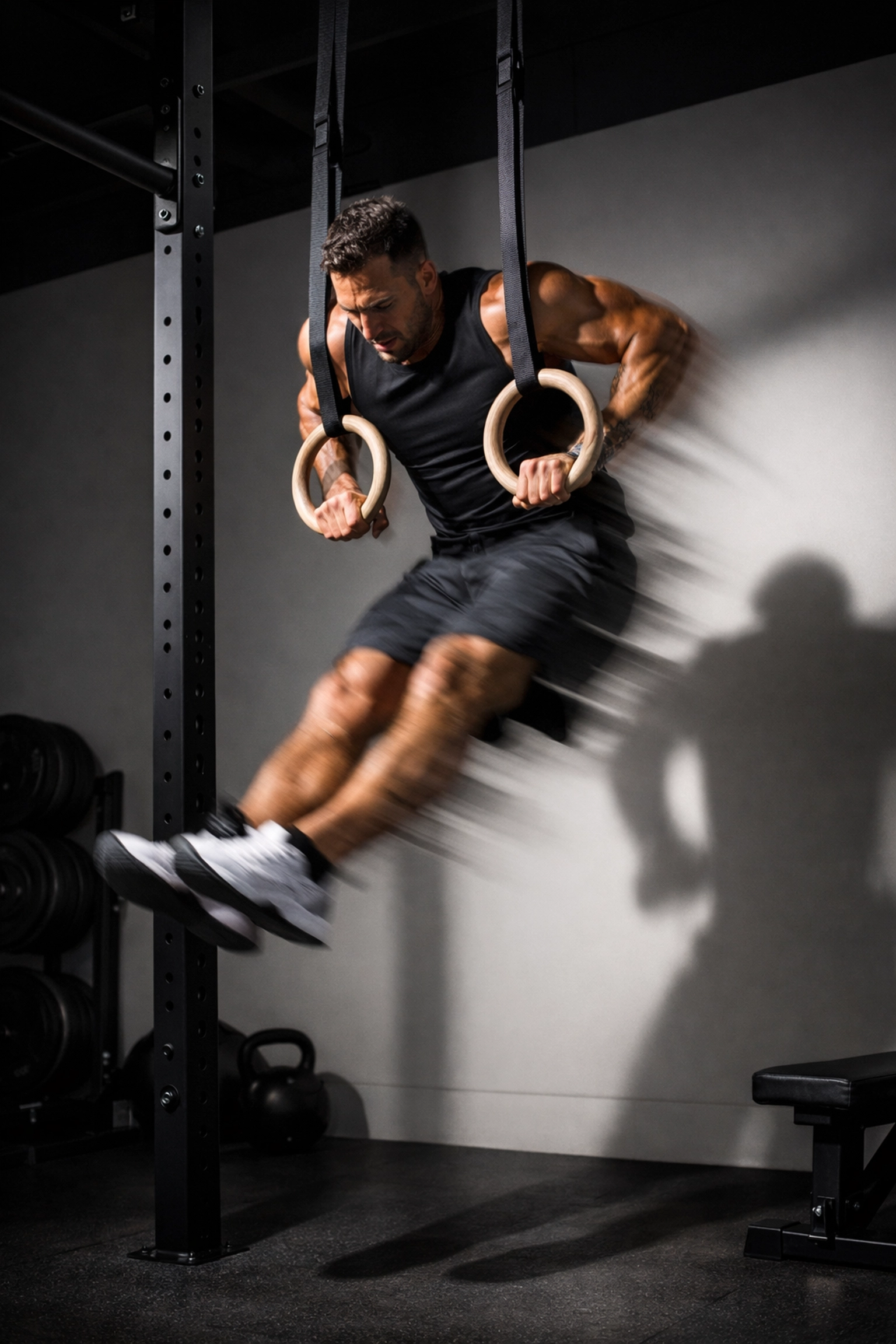
Versatility is non-negotiable. Your body doesn't move in fixed patterns, and your equipment shouldn't force you into them. Real athletic development requires the ability to train multiple movement patterns, adjust heights instantly, and flow between exercises without breaking your training rhythm.
Progression demands variation. Whether you're working toward your first muscle-up or refining your iron cross, you need equipment that can meet you at every stage. Fixed equipment becomes a limiting factor fast.
Space efficiency matters. Most of us aren't training in 2,000 square foot warehouses. We're working in spare bedrooms, garages, or corners of living rooms. Equipment that takes up massive floor space or requires permanent modifications just doesn't fit the reality of training at home.
Zero structural damage is essential. Renters need equipment they can take with them. Homeowners don't want to destroy their property value. And everyone wants the option to reconfigure their training space without hiring a contractor and patching drywall.
This is why the smartest athletes in bodyweight training have been quietly making a switch to floor to ceiling gym systems that solve all these problems simultaneously.
The Rise of Pressure-Mounted Systems
The fitness industry is finally catching up to what serious athletes figured out years ago: the best versatile home gym isn't mounted to your walls: it's pressure-mounted between your floor and ceiling.
Think about the core concept. Instead of drilling holes and hoping your wall framing can handle dynamic forces, you're using vertical tension posts that distribute load across your entire ceiling structure. It's the same engineering principle that keeps commercial gym equipment stable, adapted for home use.
This shift represents a fundamental rethinking of bodyweight training at home. Rather than adapting your training to work around fixed equipment, you're using equipment that adapts to your training needs.
For CrossFit athletes building a crossfit home gym, this means the ability to set up multiple training stations without sacrificing floor space or committing to permanent installations. For gymnasts and calisthenics practitioners, it means infinite adjustability for rings, bars, and attachments at exactly the right height for each skill.
Why the Resistance Rail Changes Everything
Here's where we need to talk about what's actually pushing this revolution forward: the Resistance Rail system from Bold Body Fitness.
This isn't just another pull up bar alternative: it's a completely different approach to building a serious home training space. The system uses floor-to-ceiling resistance posts that create an unshakable foundation for virtually any bodyweight movement you can imagine.
Zero wall damage, maximum stability. The pressure-mount design means you can set it up in under 30 minutes with zero tools, zero holes, and zero permanent modifications. When you move or want to reconfigure your space, you simply adjust the pressure and relocate. Your walls stay pristine, your landlord stays happy, and your training stays uninterrupted.
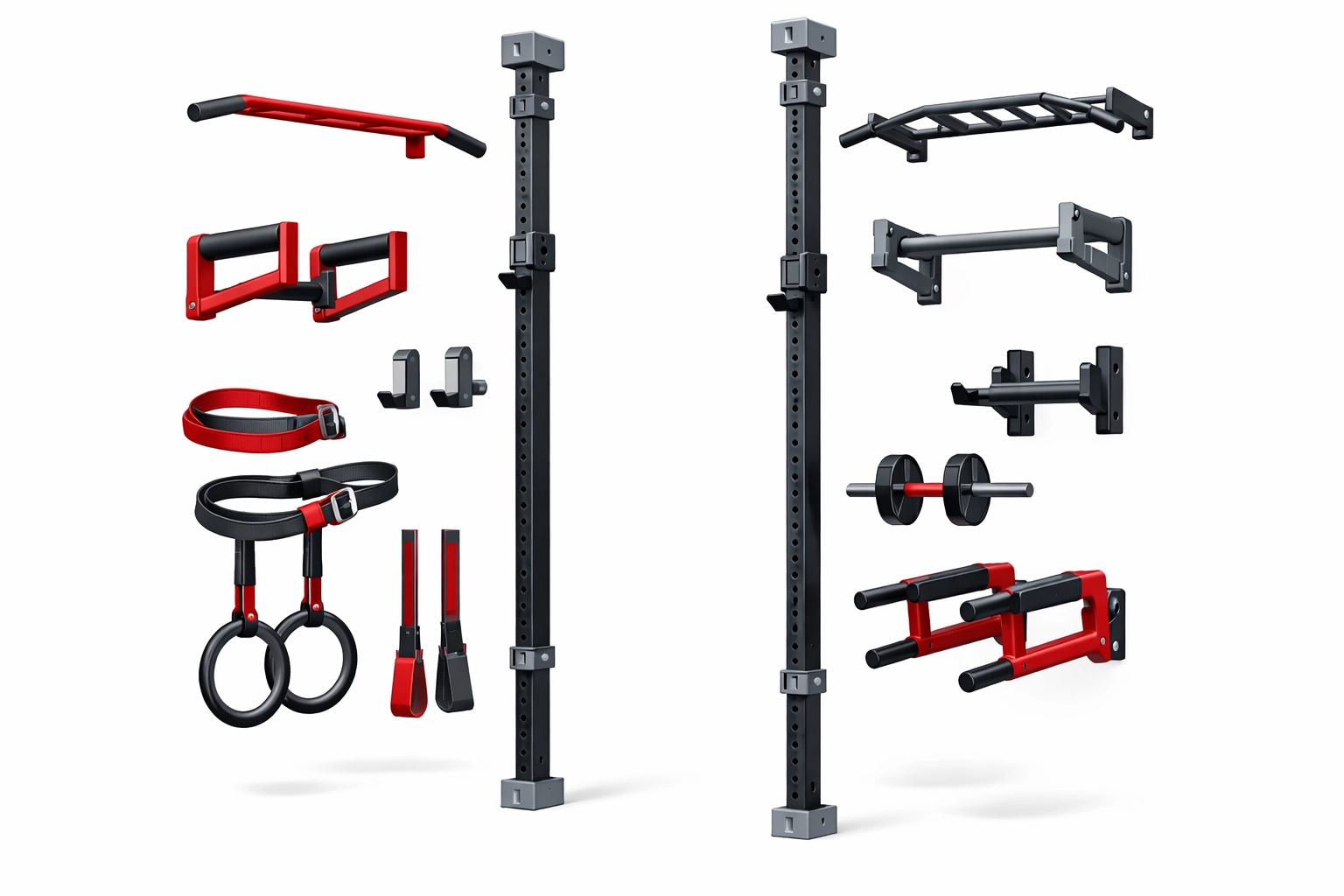
Infinite adjustability for real progression. Unlike fixed bars, the Resistance Rail lets you attach equipment at any height along the vertical posts. Working on ring dips? Set them at chest height. Progressing to archer pull-ups? Adjust your grips to the perfect width. Training explosive muscle-ups? Set the bar height exactly where you need it for your current skill level.
Modular design that grows with your training. Start with pull-ups and dips, then add gymnastic rings. Progress to resistance bands for accommodating resistance. Attach battle ropes for conditioning. The system becomes whatever your training demands without requiring new equipment or installations.
For serious athletes focused on resistance training and skill development, this modularity is game-changing. You're not locked into one manufacturer's ecosystem or forced to work around equipment limitations.
Real Training Applications for Elite Athletes
Let's get specific about how different athletes are using modern calisthenics equipment for home to level up their performance.
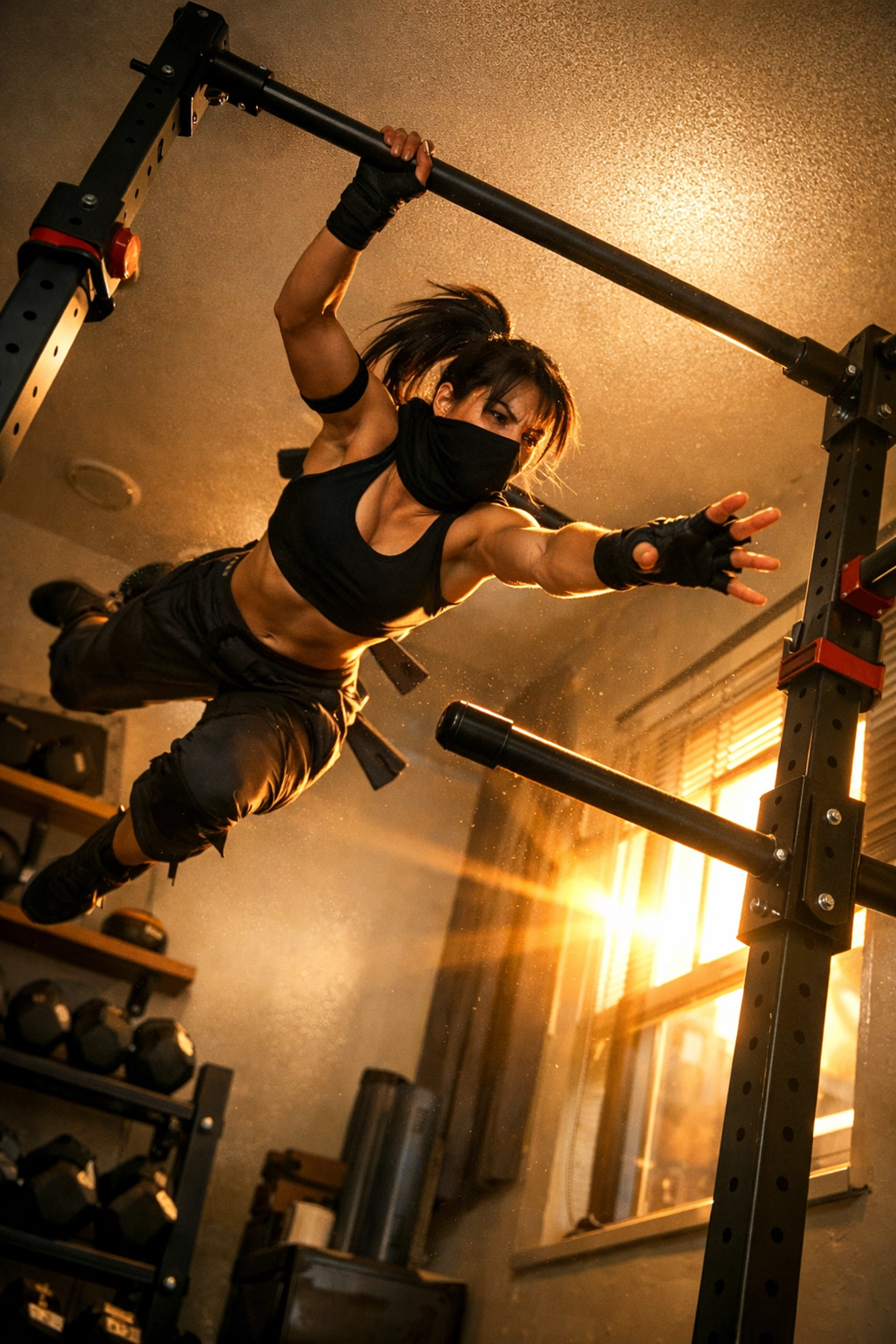
Ninja Warriors need to train obstacle-specific movements that fixed equipment simply can't accommodate. The ability to set up unstable grips at varying heights, practice lache movements with adjustable bar spacing, and train grip endurance with rings at different positions makes floor-to-ceiling systems essential. You can literally replicate competition obstacles in your own space.
Gymnasts require precise height adjustments for different skills. Ring work at various heights, bar positioning for specific skill progressions, and the ability to set up multiple training stations for circuit work all become possible. What used to require a full gymnastics facility now fits in a spare room.
CrossFit Athletes benefit from the ability to combine barbell work with bodyweight movements in the same space. Set up your Resistance Rail system alongside your squat rack, and you've got a complete crossfit home gym that handles everything from EMOMs to benchmark WODs. The space efficiency alone justifies the switch.
MMA Fighters and Combat Athletes need equipment that supports both strength work and sport-specific conditioning. Attach heavy bags for striking, set up rings for shoulder stability work, use resistance bands for power development, and train pull-ups for grappling strength: all on the same system without moving equipment between exercises.
Calisthenics Practitioners pushing toward advanced skills like planches, front levers, and handstand variations need equipment that can support progression at every stage. Adjustable bar heights for different leverage positions, ring training at optimal heights, and the ability to set up assistance tools exactly where needed make complex skill development actually achievable at home.
The Economics Actually Make Sense
Here's the math that makes wall-mounted bars look even worse: when you factor in installation costs, drywall repair, the limited utility of fixed equipment, and the inability to relocate without starting over, traditional systems aren't even cheaper.
A quality pressure-mounted system like the Resistance Rail represents a one-time investment that you can use in any space you move to, adjust for any training phase you're in, and expand as your needs evolve. No contractor fees. No patching holes when you relocate. No buying new equipment because your training progressed beyond what your fixed bar can handle.
For renters, the equation is even more obvious. You're not sacrificing security deposits or limiting your housing options because your training equipment destroyed the walls. Your no wall damage workout system moves with you, sets up in minutes, and adapts to whatever space you land in.
Making the Switch: What You Need to Know
If you're still relying on wall-mounted equipment, here's the reality check: you're training with artificial limitations that aren't making you better: they're just holding you back.
The transition to a floor-to-ceiling system is simpler than you think. Most athletes set up their Resistance Rail in under 30 minutes, start training immediately, and wonder why they didn't make the switch sooner. The stability feels more solid than wall-mounted equipment because the load is distributed across your entire ceiling structure rather than concentrated on a few bolts.
Start by evaluating your ceiling height (standard 8-foot ceilings work perfectly) and identifying the space where you do most of your training. The system requires a few feet of floor space but takes up virtually zero room compared to traditional power racks or bulky mounted equipment.
From there, you're building your full body workout at home setup based on your specific training needs. Pull-up bars, dip attachments, gymnastic rings, resistance bands: add whatever supports your goals. The beauty of the modular design is you're never locked into a configuration that doesn't serve your current training phase.
The Future of Home Training is Already Here
The shift away from wall-mounted bars isn't a trend: it's a correction. For too long, home training equipment has been designed for casual fitness enthusiasts doing basic exercises. But serious athletes training ninja warrior competitions, preparing for gymnastics meets, competing in CrossFit, or developing advanced calisthenics skills need equipment that matches their commitment level.
Floor-to-ceiling systems represent the maturation of home gym design. They solve real problems that wall-mounted equipment creates, enable training that fixed bars prevent, and provide the versatility that modern athletic development requires.
The athletes ditching their wall-mounted bars aren't abandoning proven equipment: they're upgrading to systems that actually support how elite performers train. They're choosing equipment that adapts to their progression rather than limiting it. They're investing in setups they can use for decades across multiple homes and training phases.
Ready to see what serious calisthenics equipment for home actually looks like? Check out the complete Bold Body Fitness range and discover why the smartest athletes are making the switch to pressure-mounted systems that work as hard as they do.
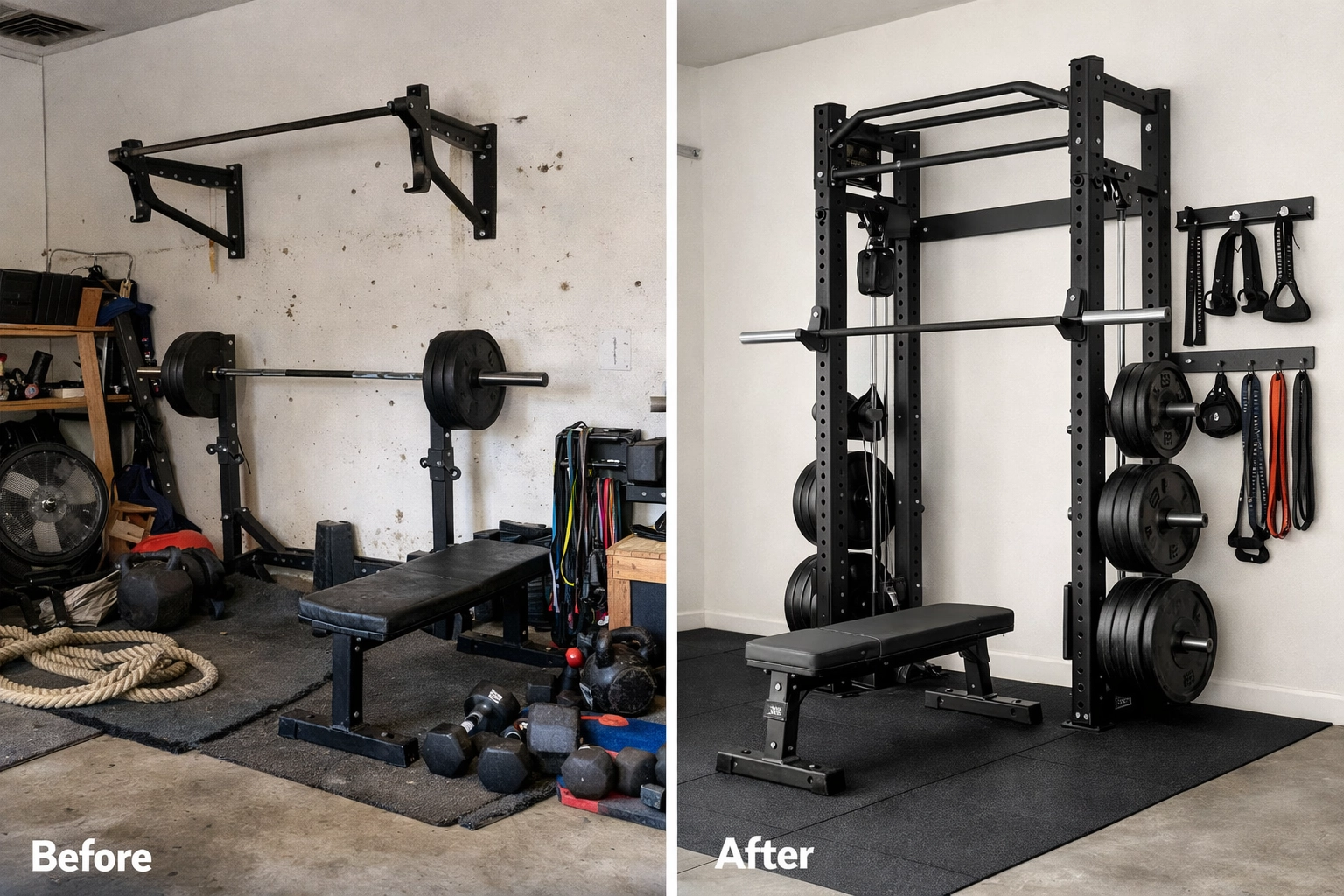
Your walls will thank you. Your training will level up. And your next home gym will actually support the athlete you're becoming rather than forcing you to work around equipment that was never designed for your ambitions.
The equipment that serious athletes are switching to isn't more complicated: it's just smarter. Visit our shop to explore the full range of training possibilities that open up when you stop drilling holes and start training like you mean it.
