
Let's get one thing straight: if you're serious about building ninja warrior-level strength, you don't need to drill a dozen holes in your walls or turn your apartment into an obstacle course that looks like your landlord's worst nightmare.
The dirty secret that elite athletes know? The most effective full body workout at home doesn't require permanent fixtures, wall-mounted rigs, or equipment that'll cost you your security deposit. What it does require is intelligent training, the right gear, and a mindset that doesn't settle for mediocre results.
Whether you're training for American Ninja Warrior, prepping for your next CrossFit competition, or just trying to build functional strength that actually translates to real-world performance, this guide breaks down exactly how to create a complete training system without putting a single screw in your walls.
Why Wall-Mounted Equipment Is Holding You Back
Here's the reality most fitness companies won't tell you: traditional wall-mounted pull-up bars, salmon ladders, and pegboards are designed for commercial gyms and permanent home installations. They're built for facilities that own the property, not for renters, apartment dwellers, or people who might want to move their training setup to different locations.
The problem isn't just about landlord restrictions or losing your deposit. Wall-mounted systems create three critical limitations:
Limited versatility. Once you bolt that pull-up bar to the wall, it's staying in that exact position. Your training space is now locked into a fixed configuration that can't adapt as your programming evolves.
Zero portability. Want to train outside? Move to a different room? Take your workout to the garage during summer? Too bad. Your equipment is literally anchored to one spot.
Installation barriers. Even if you own your home, mounting heavy-duty equipment requires finding studs, drilling pilot holes, and hoping you don't hit electrical wiring or plumbing. Most people either skip the proper installation (dangerous) or never set up their equipment at all (wasteful).
The game-changer? Floor-to-ceiling systems that require zero wall damage while providing the stability and load capacity serious athletes actually need.
The Bodyweight Foundation: No Equipment Required
Before we dive into equipment solutions, let's acknowledge something important: your body is the most versatile training tool you'll ever own. Elite ninja warriors, gymnasts, and military athletes build incredible strength using primarily bodyweight movements.
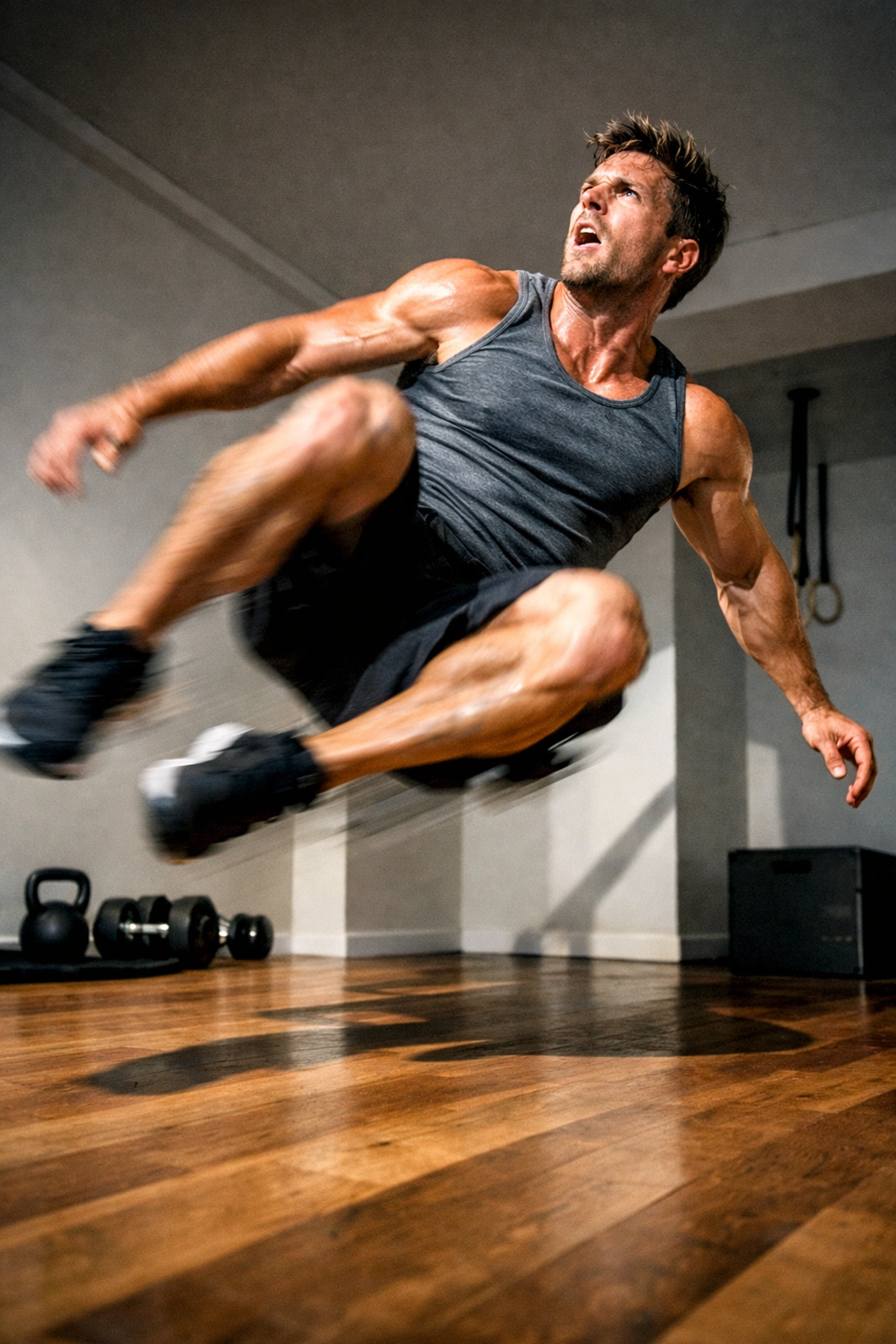
Candlestick Rolls: The Full-Body Power Developer
This deceptively simple movement targets your quads, abs, glutes, and teaches explosive power transfer through your entire kinetic chain. Lie on your back, roll backward until your legs are overhead, then use momentum to roll forward into a standing position and immediately jump.
The beauty of candlestick rolls? They develop the exact type of dynamic strength you need for obstacle transitions and explosive movements. Most people can barely complete 5 quality reps when they start. Work up to sets of 15-20 and watch your overall athleticism skyrocket.
Push-Up Variations That Actually Build Strength
Standard push-ups are fine for beginners, but ninja warrior-level training demands progression. Focus on these variations:
- Archer push-ups: Shift your weight to one arm while keeping the other extended, building single-arm strength
- Pseudo planche push-ups: Lean forward with hands positioned lower on your torso, engaging shoulders and core intensely
- Explosive clap push-ups: Build fast-twitch muscle fiber and power output
- Fingertip push-ups: Develop crushing grip strength that translates directly to obstacle performance
Jumping Lunges: Leg Power Under Fatigue
Rapidly transitioning between deep lunges teaches your legs to produce power even when fatigued: exactly what you need when you're 30 seconds into a challenging obstacle course. The key is depth and speed. Half-effort lunges with sloppy form build nothing. Deep, controlled descents with explosive transitions build champions.
Sumo Squats with Leg Lifts
Wide-stance squats combined with single-leg raises develop the hip stability and balance that separate decent athletes from elite performers. This movement pattern directly translates to unstable obstacle platforms, balance beams, and single-leg landings.
Simulating Obstacles Without Specialized Equipment
The internet is full of people who'll tell you that you need a $5,000 custom ninja rig in your backyard to train properly. They're wrong. Smart athletes know how to replicate obstacle challenges using minimal gear and creative problem-solving.
Lateral Footwork Drills
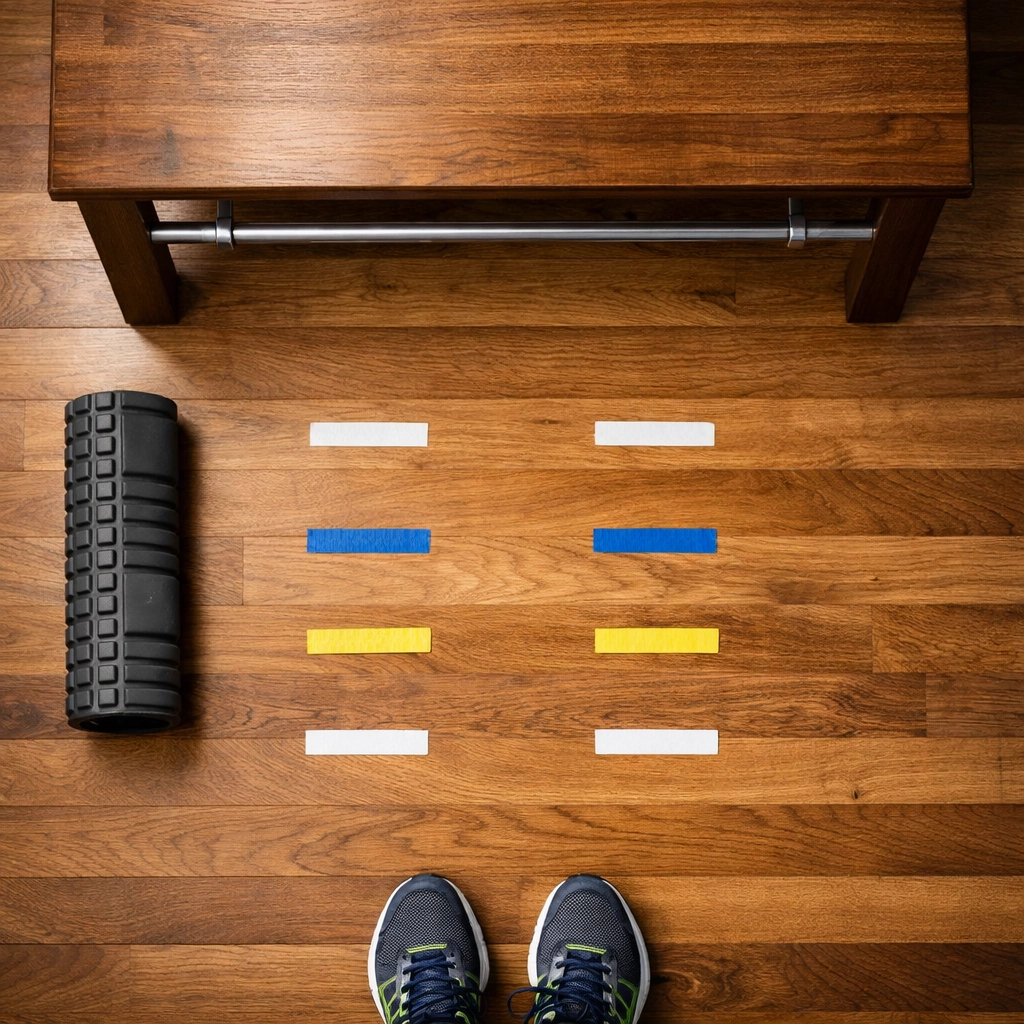
Quintuple steps and floating step obstacles require precise foot placement and rapid lateral movement. Set up markers (tape, cones, or even just spots on your floor) and practice jumping laterally from foot to foot. Focus on ankle stability and quick directional changes.
This isn't just ninja warrior prep: it's essential for any sport requiring agility and reactive movement. MMA fighters, soccer players, and basketball athletes use these same drills to develop explosive lateral power.
Table Pull-Ups and Australian Rows
A sturdy table becomes your new best friend for developing pulling strength. Slide underneath, grip the edge, and perform rows or fingertip pull-ups. This trains the same muscle groups as standard pull-ups while emphasizing grip endurance and body control.
The fingertip variation is particularly brutal and effective. If you can perform 3 sets of 10 fingertip rows, your grip strength is already better than 90% of casual gym-goers.
Foam Roller Balance Training
Balance tanks and unstable platforms are staples of ninja warrior courses. A simple foam roller replicates this challenge perfectly. Stand on the roller and practice shifting your weight heel-to-toe, maintaining stability as the roller moves beneath you.
Progress to single-leg variations, eyes-closed balance, and even performing squats while balancing. This develops the proprioception and core stability that keeps you on obstacles when other competitors fall.
The No-Wall-Damage Solution: Floor-to-Ceiling Systems
Here's where we get into the equipment that actually changes the game for home training. A properly designed floor-to-ceiling system gives you everything wall-mounted equipment provides: without drilling a single hole.
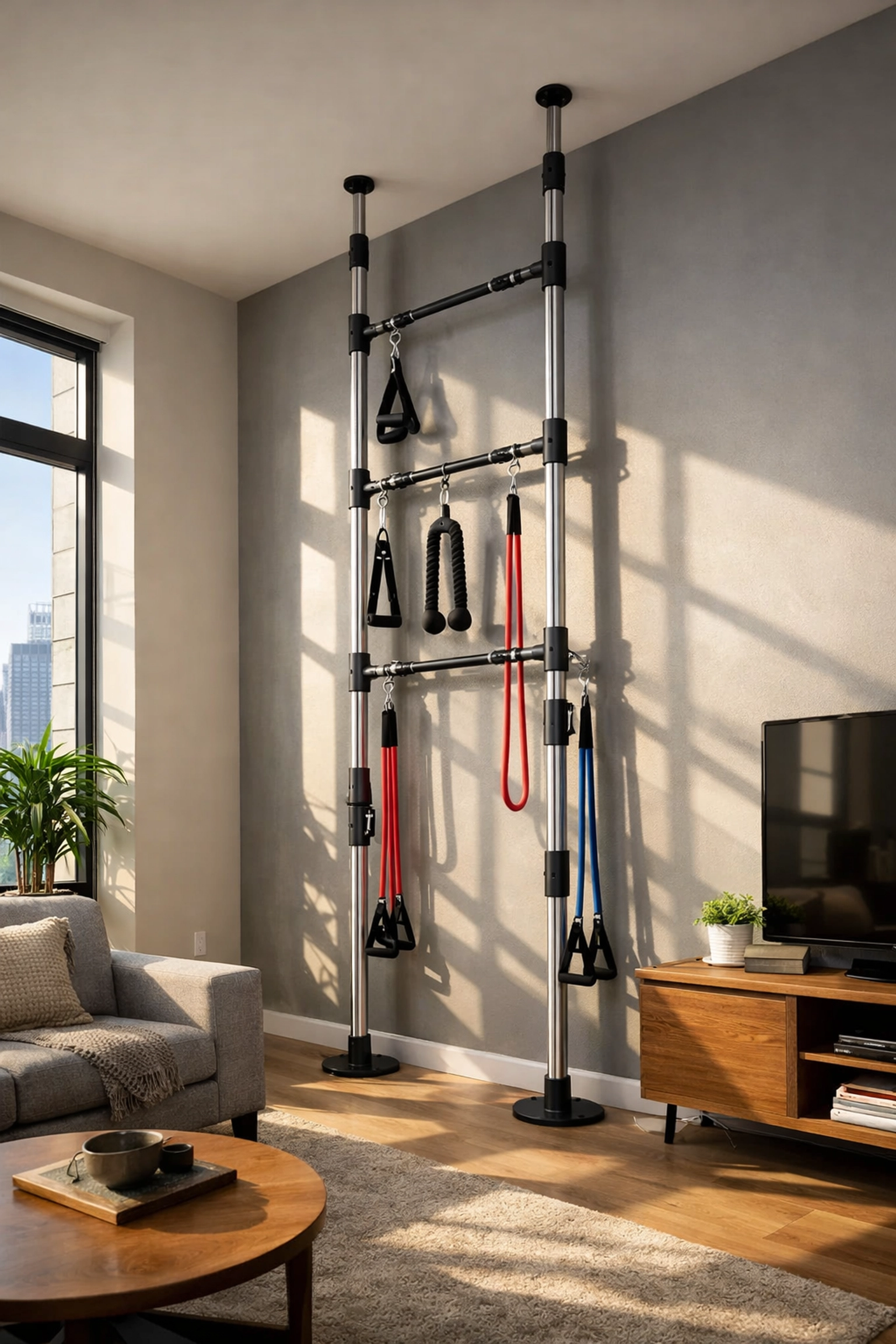
The Resistance Rail from Bold Body Fitness represents exactly this philosophy: maximum versatility, zero wall damage, and the structural integrity to handle serious training loads.
Why Floor-to-Ceiling Beats Wall-Mounted
Pressure distribution. Instead of concentrating force at wall-mounted anchor points (which can fail catastrophically), floor-to-ceiling systems distribute pressure across your ceiling joists and floor: exactly where buildings are designed to handle vertical loads.
Adjustable height. Move the system to different rooms with varying ceiling heights. Adjust attachment points on the fly to accommodate different exercises or training partners of different sizes.
Portability. When you move apartments, change homes, or just want to train outdoors during nice weather, you can relocate your entire setup in minutes. Try doing that with a wall-mounted rig.
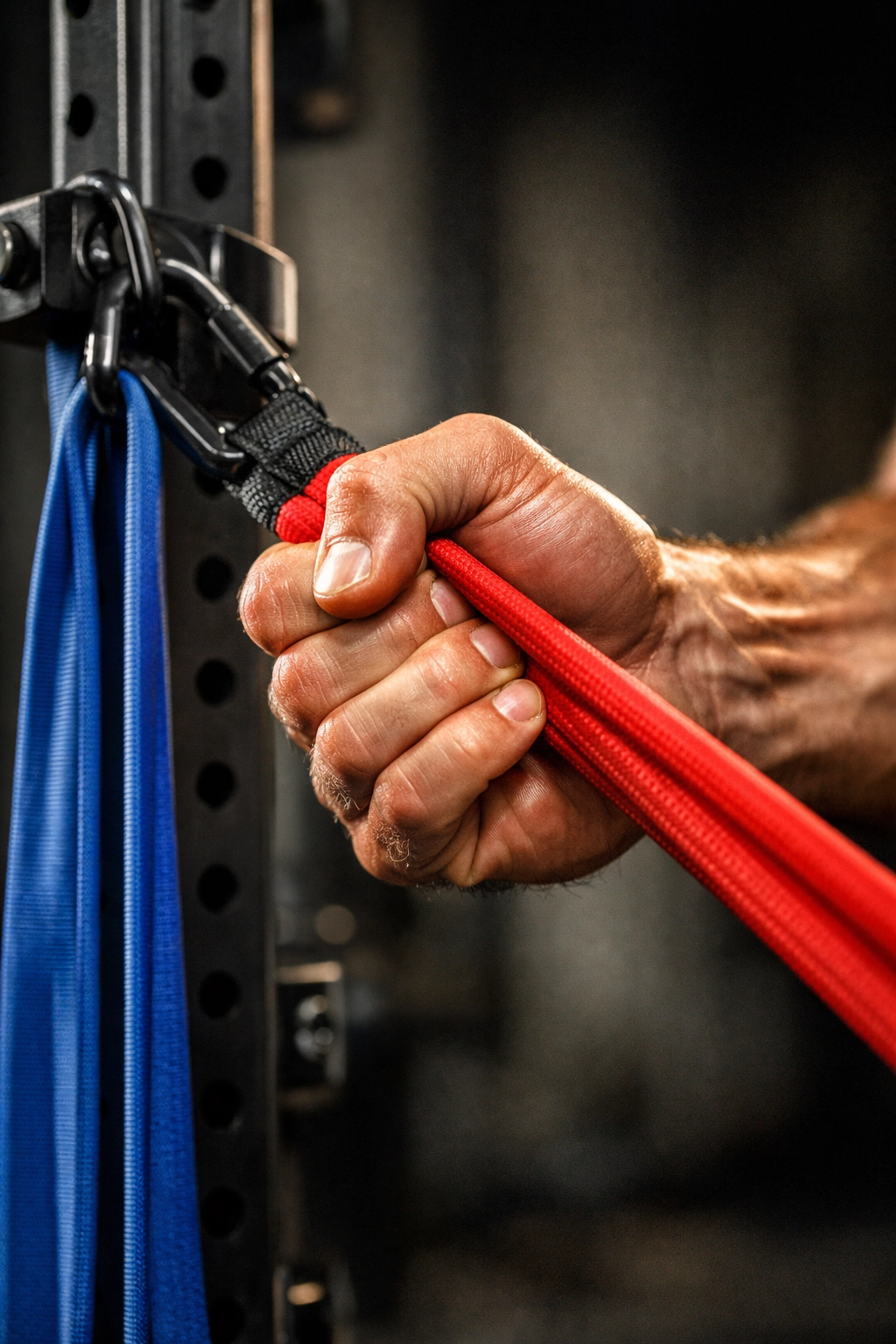
Resistance training versatility. Quality floor-to-ceiling systems integrate resistance band attachment points, allowing you to add variable resistance to bodyweight movements. This creates training stimulus that's impossible to replicate with traditional setups.
Building Your Complete Home Training Program
Equipment is just one piece of the puzzle. Elite athletes follow structured programming that builds strength, power, endurance, and skill simultaneously. Here's how to structure your training week for maximum results:
Monday: Upper Body Power
Focus on explosive pulling movements, push-up variations, and grip endurance. The goal is high intensity with adequate rest between sets.
- Explosive pull-ups or rows: 5 sets of 5 reps
- Archer push-ups: 4 sets of 8-12 reps per side
- Towel hangs: 3 sets to failure
- Resistance band face pulls: 3 sets of 15
Tuesday: Lower Body and Core
Build the foundation that keeps you stable on obstacles and generates power for dynamic movements.
- Jumping lunges: 4 sets of 12 per leg
- Sumo squats with leg lifts: 4 sets of 10 per side
- Candlestick rolls: 4 sets of 15
- Hollow body holds: 4 sets of 45 seconds
Wednesday: Active Recovery
Light movement, mobility work, and skill practice. This is where you work on balance drills, footwork patterns, and movement quality.
Thursday: Full Body Power Circuit
Combine multiple movement patterns in high-intensity circuits that simulate obstacle course demands.
- Circuit (3-5 rounds):
- 10 explosive pull-ups
- 15 jump squats
- 20 push-ups
- 30-second L-hang
- 15 candlestick rolls
Rest 2-3 minutes between rounds. The goal is intensity, not casual movement.
Friday: Grip and Endurance
Your grip will fail before your muscles on most ninja obstacles. Train it specifically and often.
- Dead hangs: 5 sets to failure
- Fingertip holds: 4 sets of 30 seconds
- Towel pull-ups: 3 sets to failure
- Resistance band crushers: 4 sets of 20 per hand
Weekend: Skills and Play
Use Saturday and Sunday to practice specific obstacle techniques, experiment with new movements, and maintain the joy that keeps you training consistently.
Advanced Progression: Adding Resistance and Complexity
Once you've built a solid foundation with bodyweight movements, adding variable resistance takes your training to the next level. This is where a versatile home gym system really proves its worth.

Resistance bands attached to a floor-to-ceiling system create accommodating resistance: meaning the difficulty increases as you progress through the movement's range of motion. This builds strength throughout the entire movement pattern, eliminating weak points that lead to plateau and injury.
Try these advanced variations:
Banded pull-ups: Attach resistance bands to create additional resistance at the top of the movement, where most people are strongest. This forces your muscles to work harder throughout the entire rep.
Resisted push-ups: Band across your back creates progressive resistance that's impossible to replicate with just bodyweight.
Banded core rotation: Attach bands at chest height and perform rotational movements that build the oblique strength essential for dynamic obstacles.
The key is progressive overload. Add resistance gradually, maintain perfect form, and track your progress religiously.
Equipment Essentials Worth Investing In
You don't need a garage full of equipment, but certain tools provide outsized returns on investment:
Floor-to-ceiling training system: The foundation of your home gym. Choose one with multiple attachment points and verified load capacity. The Resistance Rail handles everything from pull-ups to resistance band work without requiring wall anchors.
Quality resistance bands: Invest in a complete set with varying resistance levels. Cheap bands snap and create injury risk. Quality bands last for years of heavy use.
Gymnastic rings: Attach to your floor-to-ceiling system for unstable training that builds incredible stabilizer strength. Rings are used by Olympic gymnasts for a reason: they work.
Grip training tools: Hang-board equivalents that don't require mounting, thick grip attachments for pulling movements, and grip strengtheners for isolated work.
You can build world-class fitness with this minimal setup. Everything else is supplementary.
The Mental Game: Training Without Excuses
Here's the truth that separates people who actually transform their fitness from people who just talk about it: your environment will never be perfect. Your schedule will always have conflicts. Your energy levels will fluctuate.
Elite athletes train anyway. They adapt their programming to available space, time, and equipment. They find solutions instead of excuses.
Don't have access to a ninja warrior gym? Build the strength and skills at home that make you dangerous when you do get facility access. Can't drill into walls? Use floor-to-ceiling systems that provide equivalent functionality. Short on time? High-intensity circuits in 30 minutes build more fitness than mediocre 90-minute sessions.
The no-wall-damage home training approach isn't a compromise: it's a strategic advantage. You control your environment, your schedule, and your progression. You're not dependent on gym hours, equipment availability, or monthly memberships.
Putting It All Together
Building ninja warrior-level fitness at home requires three elements: intelligent programming, sufficient training tools, and relentless consistency.
Start with the bodyweight foundation movements outlined above. Master candlestick rolls, varied push-ups, jumping lunges, and balance work before adding complexity. These fundamentals build the strength, coordination, and body awareness that everything else builds upon.
Invest in a quality floor-to-ceiling system that won't damage your walls but can handle serious training loads. The shop at Bold Body Fitness offers equipment specifically designed for athletes who need performance without compromise.
Follow structured programming that builds multiple fitness qualities simultaneously. Don't just randomly throw together workouts: plan your training week to include power development, endurance work, skill practice, and adequate recovery.
Track everything. Reps, sets, rest periods, subjective difficulty ratings. What gets measured gets improved. Your training log becomes your roadmap to continuous progression.
Most importantly, train with intensity and intention. Half-effort workouts build half-effort results. Bring focus, aggression, and purpose to every training session. That's what separates athletes who achieve their goals from people who just go through motions.
Your home is now your training facility. The only question is: what are you going to build?
