
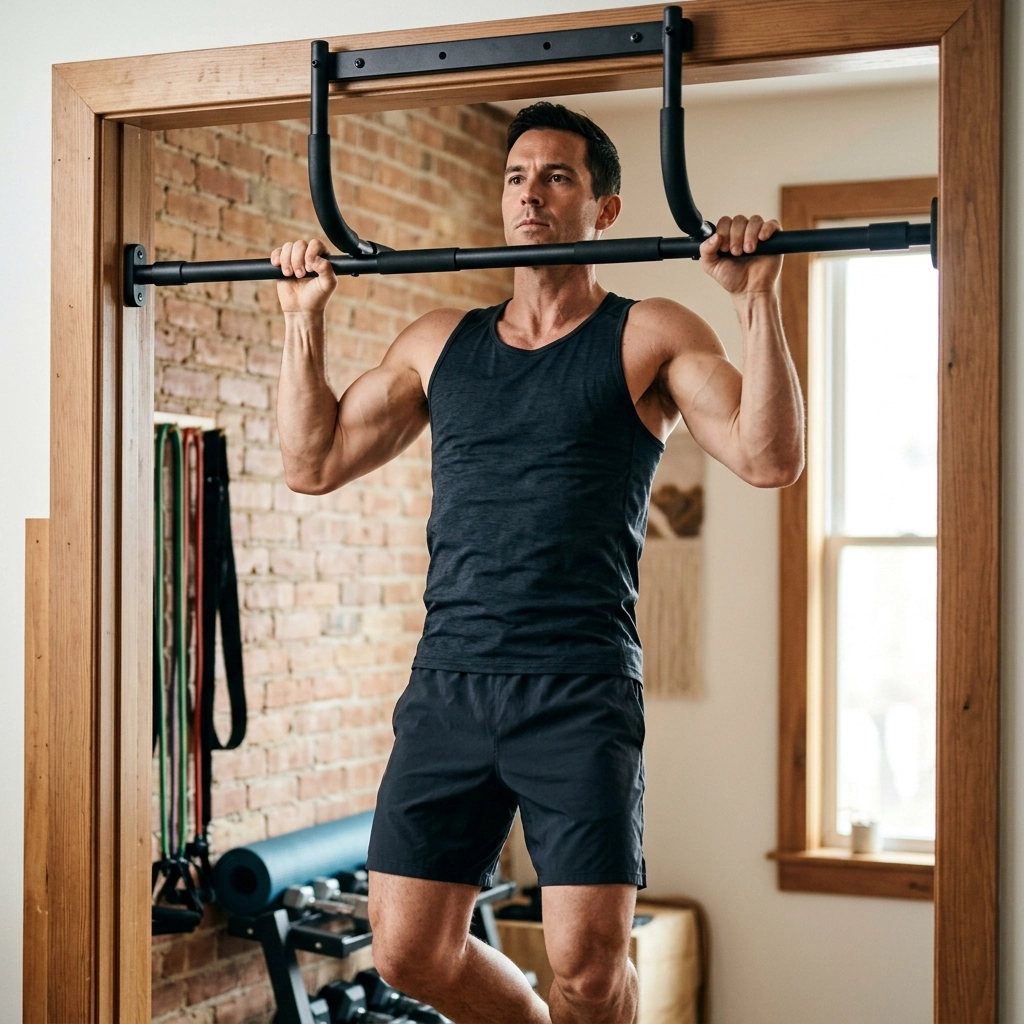
You want a back that looks like it was carved out of granite. You want grip strength that could crush a coconut and the kind of functional power that makes people stop and stare at the park. So, you did what any serious athlete does: you bought a pull-up bar for your home.
But here is the cold, hard truth: most home pull-up setups are a joke. They are flimsy, they damage your house, and they actually limit your progress instead of accelerating it. If you are a CrossFit athlete, a ninja warrior, or a serious calisthenics practitioner, "good enough" isn't in your vocabulary. You need equipment that matches your intensity.
At Bold Body Fitness, we don’t do "average." We build gear for people who demand more. Whether you are looking for the ultimate home gym equipment or a no wall damage workout system, you need to stop making these seven common mistakes that are killing your gains and potentially ruining your home.
1. Mounting Directly to Your Drywall (The "Wall-Cracker" Mistake)
This is the most common sin in the book. You buy a wall-mounted bar, grab a stud finder that you bought for ten bucks, and hope for the best.
Drywall is essentially compressed chalk. It is designed to hold paint and look pretty, not to support a 200-pound athlete performing explosive muscle-ups. Even if you manage to hit a stud, the lateral force generated during dynamic movements can cause the drywall around the mounting plate to crumble.
If you are serious about bodyweight training at home, you need to understand the physics of load. When you pull, you aren't just applying vertical weight; you are creating torque.
The Fix: Stop trusting your drywall. If you must wall-mount, use a stringer: a piece of heavy-duty lumber that spans multiple studs: to distribute the load. Or, better yet, upgrade to a floor to ceiling gym like the Resistance Rail. Our system doesn't rely on the structural integrity of your fragile drywall, giving you a rock-solid foundation for every rep.
2. Relying on Cheap Doorway Bars
Let’s be real: doorway pull-up bars are for dorm rooms, not serious training facilities. If you’re an MMA fighter or a gymnast, you know that a doorway bar is a disaster waiting to happen.
These bars create hundreds of pounds of pressure on your door trim. Most trim is held in place by tiny finishing nails. Over time, those nails pull out, the wood cracks, and one day, the whole thing comes down while you’re mid-set. Beyond the damage, doorway bars limit your range of motion and prevent you from using a wide grip or performing explosive movements like kipping.
The Fix: If you want a real full body workout at home, move away from the door frame. You need space to move, kick, and rotate. A versatile home gym setup should be out in the open where you have the freedom to train like an animal, not cramped in a closet doorway.
3. Skipping Load-Bearing Verification
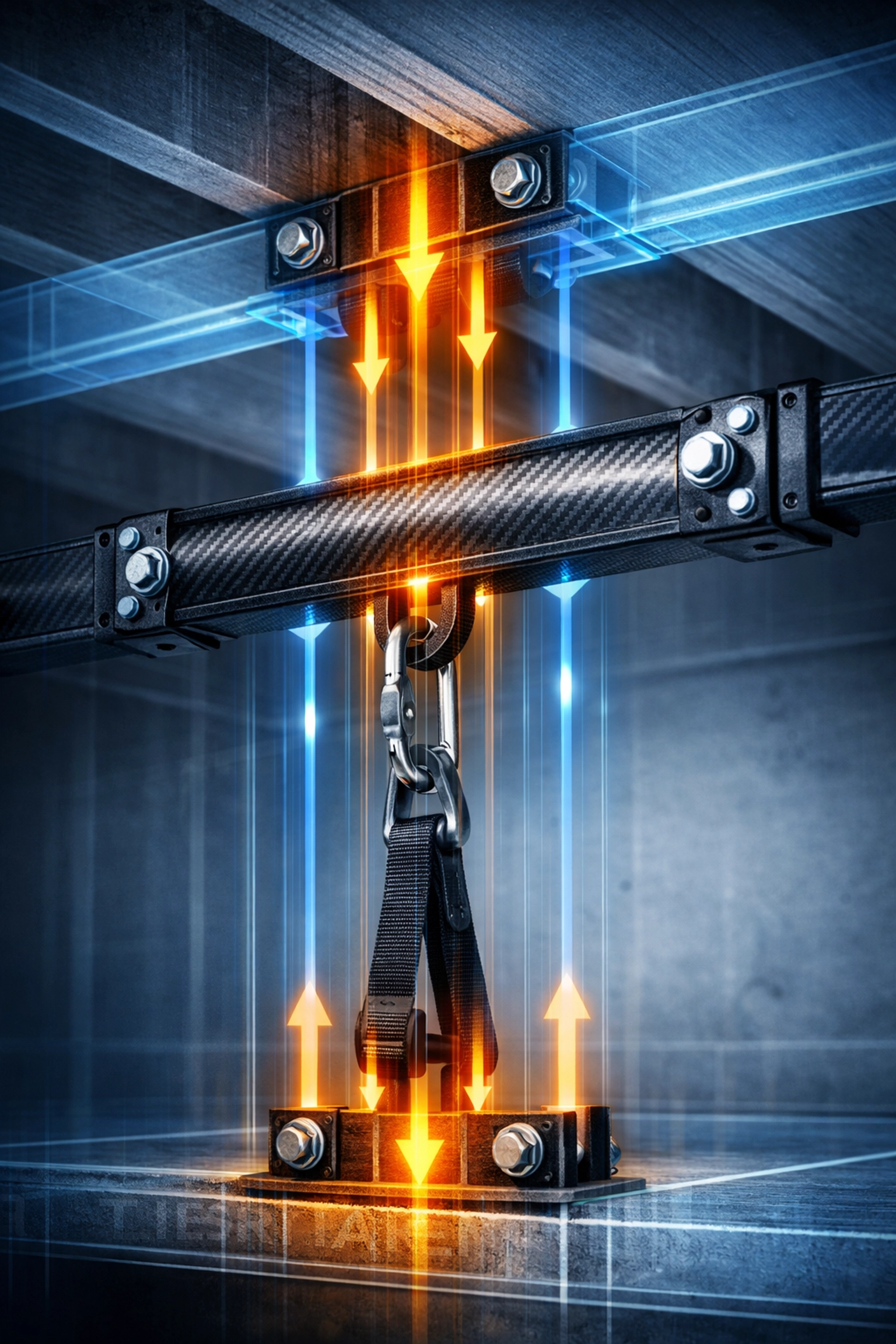
Are you 100% sure your ceiling joists or wall studs can handle a dynamic load? A "static" weight rating (what the bar says on the box) is not the same as a "dynamic" load. When a CrossFit athlete drops from the top of a pull-up and catches themselves at the bottom, the force exerted can be 3-4 times their body weight.
If you haven't verified the center of your studs with a high-quality sensor, you are gambling with your safety. Missing a stud by just half an inch means your lag screws are only grabbing air and drywall.
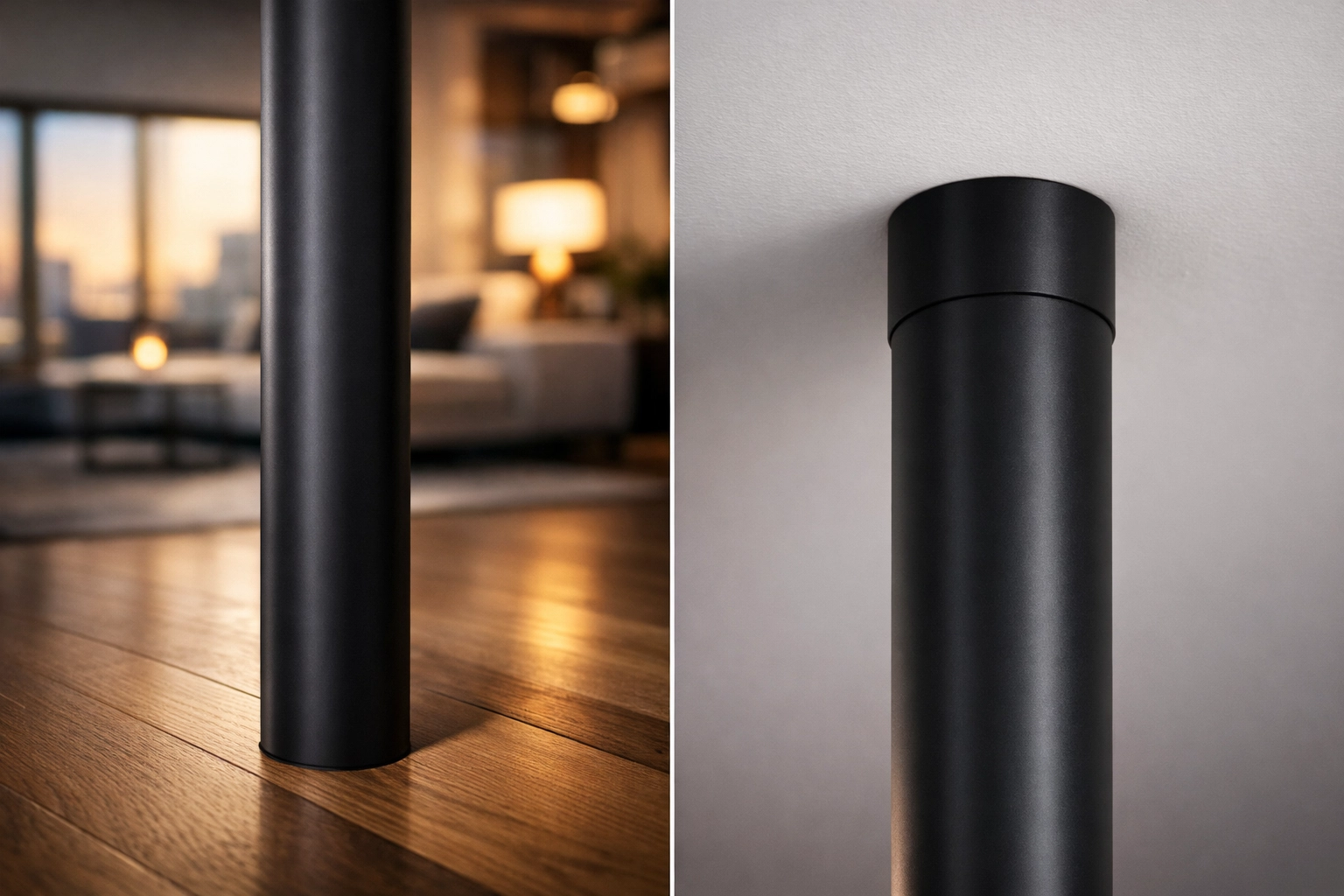
The Fix: Be meticulous. Use a professional-grade stud finder and drill pilot holes to confirm you are hitting solid wood. If you aren't a handyman, don't risk it. This is why many athletes are switching to the Resistance Rail. It’s a pull up bar alternative that uses a compression-fit system between the floor and ceiling, eliminating the guesswork of what’s behind your walls.
4. Installing at the "Lazy" Height
Most people install their pull-up bars too low because they want to be able to reach it easily. This is a massive mistake for resistance training.
If you have to bend your knees or tuck your legs behind you to achieve a dead hang, you are losing the core engagement that comes from a hollow-body position. You are also creating a neurological "short circuit" where your body anticipates hitting the floor, preventing you from putting 100% effort into the pull.
The Fix: Your bar should be high enough that you can hang with your arms fully extended and your toes barely touching the ground. You want to be able to maintain a straight line from your fingers to your toes. This allows for a full stretch of the lats and a more powerful contraction. If your ceiling height is the issue, it’s time to look for calisthenics equipment for home that is adjustable to your specific space.
5. Neglecting the "Weekly Bolt Check"
Your home is a living, breathing structure. It expands and contracts with the temperature. Your workout equipment also vibrates and shifts with every rep. Over time, bolts loosen. Tension drops.
We see it all the time in the Bold Body Fitness community: an athlete is getting stronger, adding weight to their dips or pull-ups, while their equipment is slowly getting weaker due to neglect.
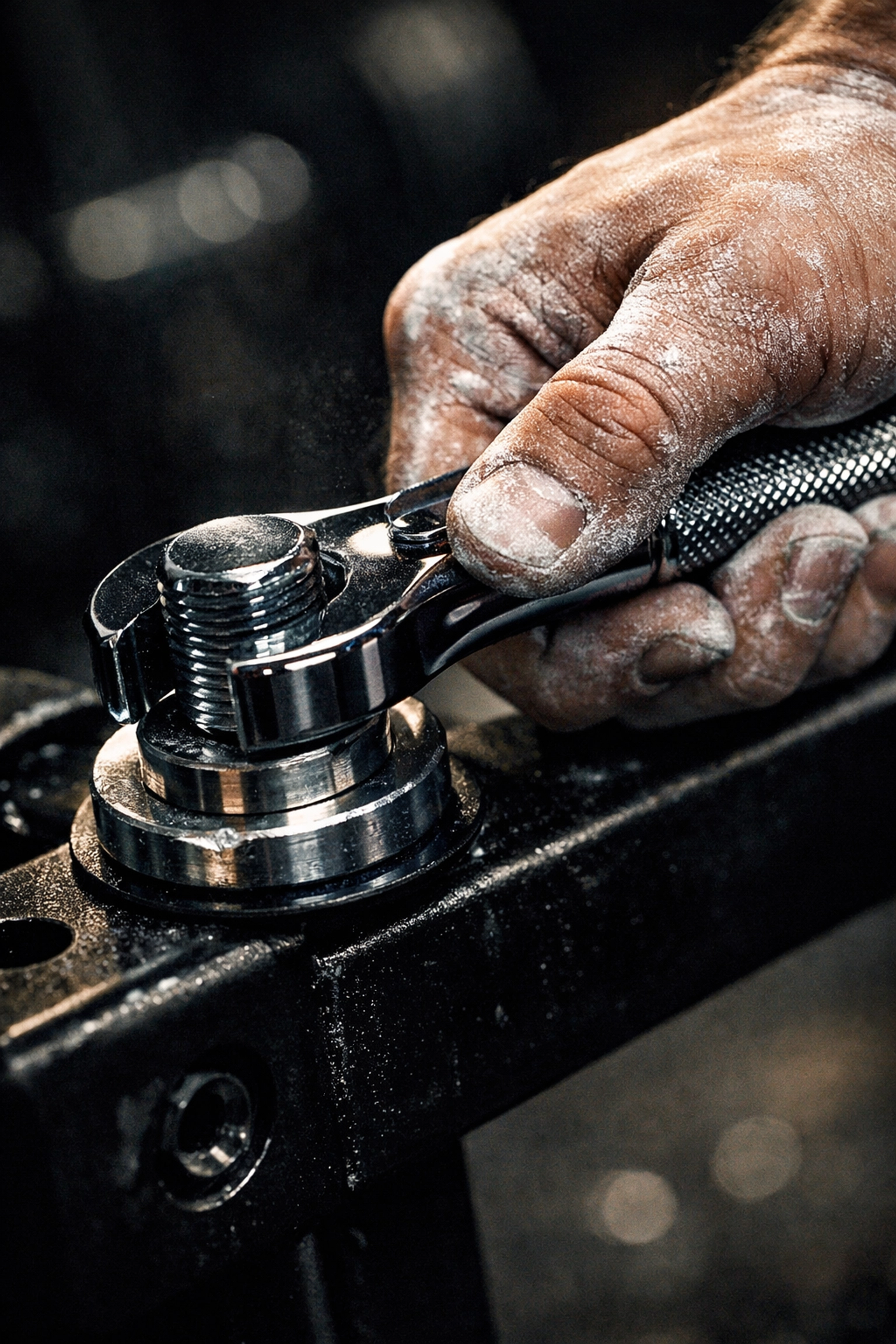
The Fix: Treat your home gym like a piece of high-performance machinery. Every Sunday, spend five minutes checking the integrity of your setup. Tighten the bolts, check the tension, and look for any signs of wear on the mounting points. If it squeaks, fix it. If it wobbles, stop using it until it’s locked down.
6. Sacrificing Range of Motion for Rep Count
Mistake number six is more about how you use the bar than how you install it. Most guys at the local gym do "half-ups." They start with slightly bent arms and end with their forehead at the bar.
If you are training for a crossfit home gym or preparing for a Spartan Race, half-reps are useless. You need the strength to pull from a complete dead hang and get your chest: not just your chin: to the bar.
The Fix: Quality over quantity. Always start from a dead hang with your shoulders packed. Pull until your collarbone touches the bar. If you can only do three "real" pull-ups but twenty "fake" ones, do the three. Use the Resistance Rail with added resistance bands to assist you in getting that full range of motion until your strength catches up to your ambition.
7. Buying a "One-Trick Pony" Bar
The biggest mistake serious fitness enthusiasts make is buying a single-purpose pull-up bar. You buy a bar that does one thing: pull-ups. Then you realize you need to do dips. So you buy a dip station. Then you want to do rows, so you buy a separate rack. Suddenly, your "home gym" is a cluttered mess of cheap steel.
Single-purpose bars are a dead end for your progress. Calisthenics and resistance training require variety. You need different grip angles, the ability to attach rings, and the flexibility to change heights for different exercises.
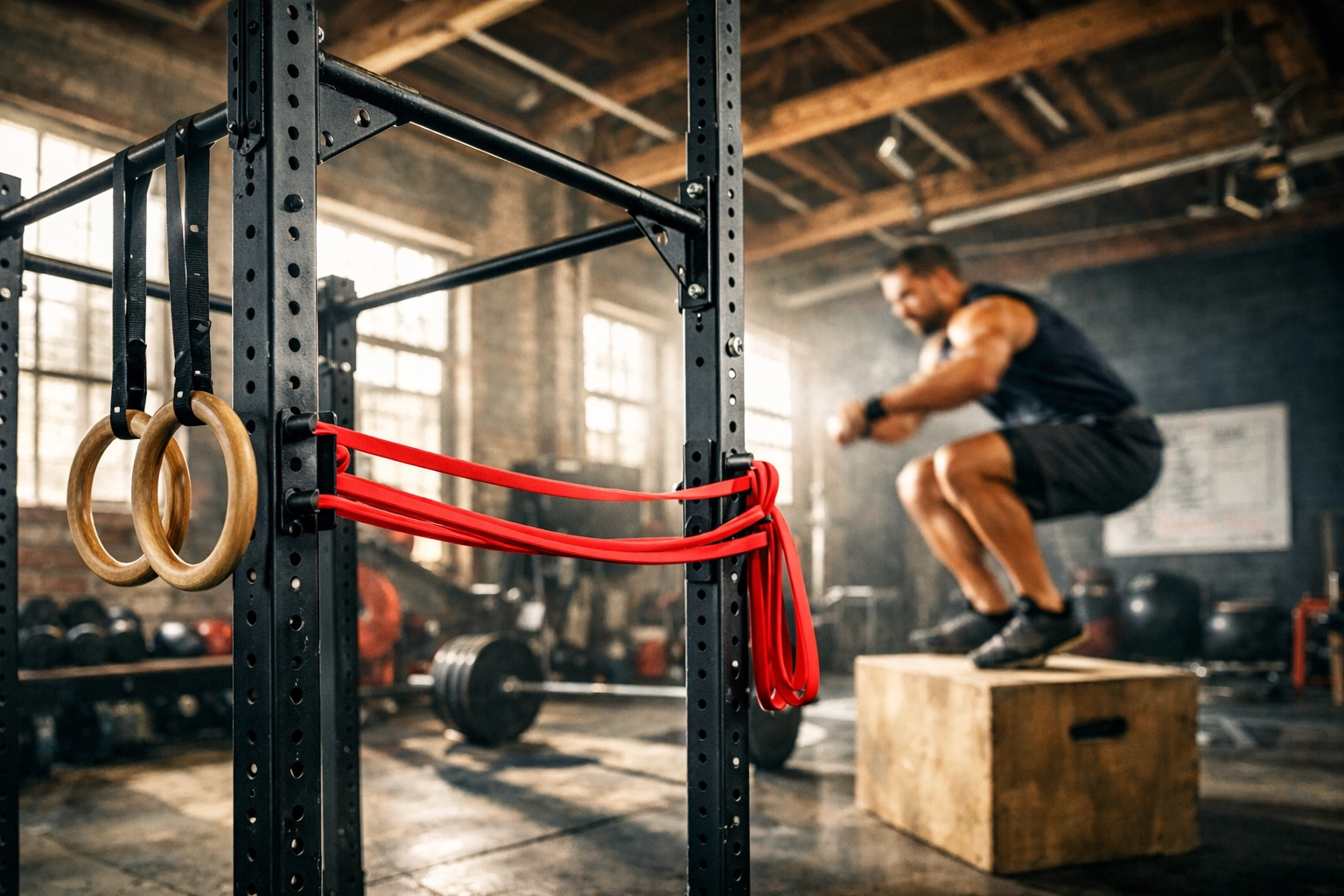
The Fix: Think modular. Your equipment should grow with you. This is exactly why we designed the Resistance Rail. It isn't just a pull-up bar; it is a fully integrated versatile home gym. You can attach resistance bands, move the bar for Australian rows, or set it up for high-intensity dips.
Why the Resistance Rail is the Ultimate Fix
If you are tired of making excuses for your equipment, it’s time to upgrade to the Resistance Rail by Bold Body Fitness.
We didn't just want to make another pull-up bar; we wanted to revolutionize bodyweight training at home. The Resistance Rail is a floor-to-ceiling powerhouse that solves every single mistake mentioned above:
- No Wall Damage: Our compression-fit technology means you don't need to drill into studs or destroy your drywall. It's a true no wall damage workout system.
- Total Stability: Designed for athletes, the Resistance Rail handles dynamic loads that would make a doorway bar snap like a twig.
- Infinite Versatility: From Ninja Warrior grip training to MMA-style conditioning, the modular nature of our system allows you to build the gym you actually need.
- Space Saving: It takes up a tiny footprint while providing a massive range of exercise options, making it the perfect pull up bar alternative for apartments or crowded garages.
Stop Settling for Weak Workouts
Your training is only as good as the tools you use. If you are still using a bar that wobbles, damages your house, or limits your range of motion, you are holding yourself back. You are an athlete. You are a warrior. You deserve equipment that can keep up with you.
Fix these seven mistakes today. Tighten your bolts, check your height, and for heaven's sake, stop pulling on your door trim.
Ready to take your home training to the next level? Check out the full line of Bold Body Fitness equipment and join the ranks of those who refuse to settle for average.
Build your legacy. Build your body. Go Bold.
For more tips on optimizing your home setup, join the conversation in our community forums and share your latest PRs with the tribe.
