
Listen, I get it. You’re tired of the crowded boxes, the monthly membership fees that keep creeping up, and the guy who hogs the chalk bucket just to do bicep curls. You want your own space. You want a crossfit home gym where you can blast your own music, drop weights when you need to, and grind through a WOD at 2:00 AM if that’s when the itch hits.
But here’s the cold, hard truth: most home gyms are absolute trash.
I’ve seen it a thousand times. People spend thousands of dollars on home gym equipment only to realize three months later that their "training sanctuary" has become a glorified storage unit. They’re tripping over dumbbells, dodging low-hanging rafters, and getting mediocre results because their setup isn't built for high-performance training.
If you’re a serious athlete: whether you’re a ninja warrior, a gymnast, a CrossFit fanatic, or an MMA fighter: you can’t afford a mediocre setup. At Bold Body Fitness, we believe in equipment that works as hard as you do.
Here are the 7 critical mistakes you’re likely making with your setup and exactly how to fix them before you waste another dime or another workout.
1. You’re Treating Your Space Like a Storage Unit
The number one mistake I see is clutter. People think that to have a versatile home gym, they need every piece of equipment under the sun. They buy the rowers, the bikes, the kettlebells, the med balls, and the squat rack, and suddenly, they have zero room to actually move.
CrossFit and calisthenics demand explosive, dynamic movement. You need room for burpees, box jumps, and muscle-ups. If you’re constantly worrying about kicking a dumbbell during a sprawl, you’re not training; you’re navigating an obstacle course.
The Fix: Think Vertically.
Stop looking at the floor and start looking at your walls and ceiling. To maximize your training area, you need a floor to ceiling gym philosophy. Load your equipment around the perimeter and keep the "Sacred Center" open.
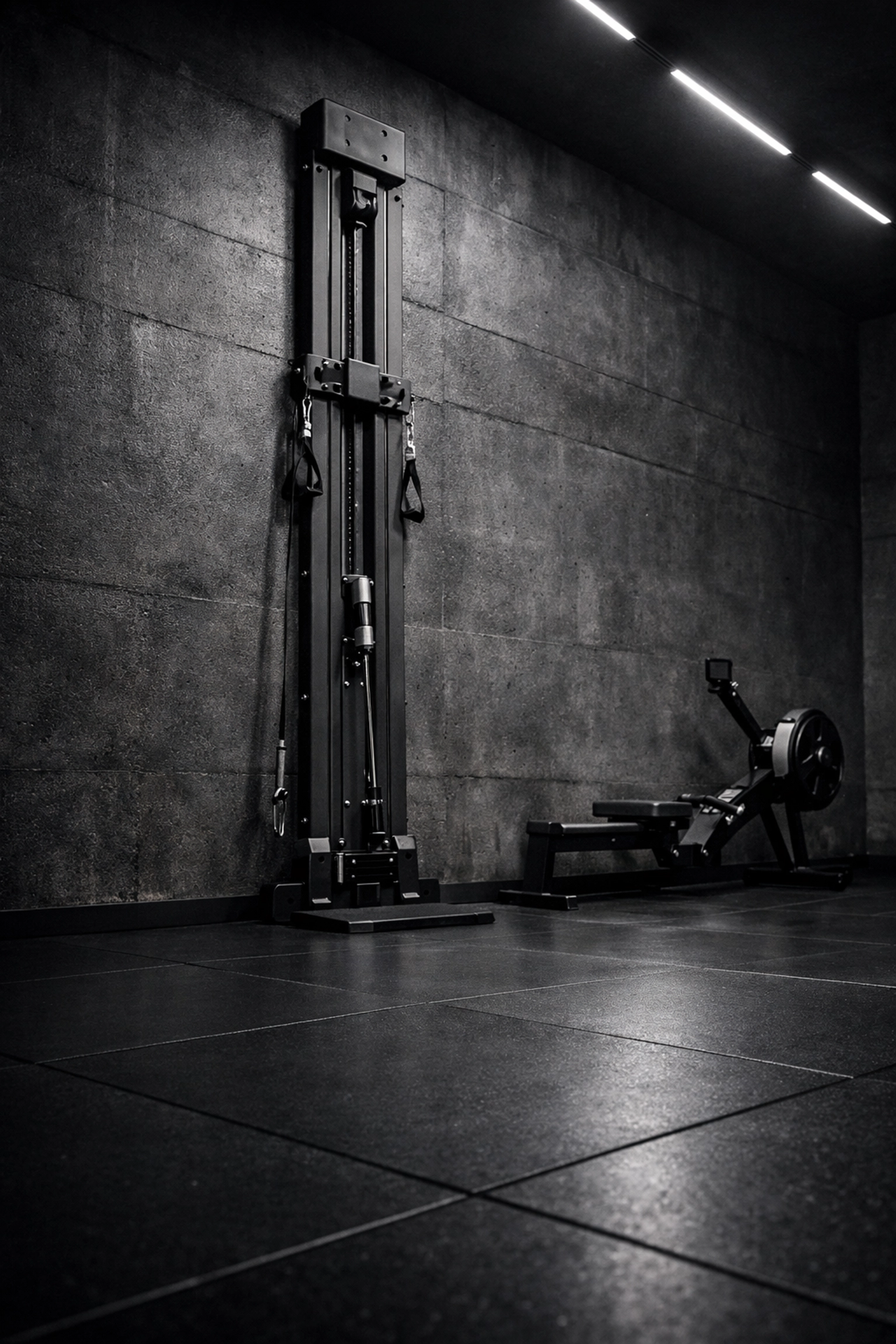
This is exactly why we designed the Resistance Rail. It’s a game-changer for those who need a no wall damage workout system that doesn't eat up your floor space. By utilizing vertical space, you keep your gym functional and your movements unrestricted.
2. Buying Cheap Equipment That Actually Breaks
I’m all for a good deal, but when it comes to home gym equipment, "cheap" is synonymous with "dangerous." I’ve seen budget pull-up bars rip out of drywall and "affordable" barbells bend under a heavy clean.
If you’re performing dynamic kipping pull-ups or high-rep Olympic lifts, your equipment is under massive stress. Subpar gear wobbles, it creaks, and eventually, it fails. For a CrossFit athlete or an MMA fighter, a mid-workout equipment failure isn't just an inconvenience: it’s an ER visit waiting to happen.
The Fix: Invest in Professional-Grade Gear.
Stop buying gear from big-box retailers that cater to the "New Year's Resolution" crowd. You need calisthenics equipment for home that is built to handle the torque of a 200lb athlete. Look for high-tensile steel, solid mounting systems, and gear that has been tested for high-intensity use. Buy it once, buy it right, and train with the confidence that your rack isn't going to collapse during your heavy sets.
3. The "Kitchen-to-Garage" Warmup Fallacy
One of the biggest psychological hurdles of a home gym is the transition. When you drive to a box, your brain starts prepping. When you walk ten feet from your kitchen to your garage, your brain thinks you’re still in "chill mode."
Skipping your warmup is the fastest way to stall your progress. You can’t go from sitting at a desk to a 90% 1RM snatch without preparing your central nervous system.
The Fix: Create a Non-Negotiable 10-Minute Routine.
Your home gym needs the same standards as a professional facility. Dedicate a corner of your space for mobility work. Use resistance bands for shoulder activation and spend at least five minutes on dynamic stretching. If you don't have a dedicated warmup area, your full body workout at home will eventually lead to chronic joint pain and missed PRs.
4. Training in a Form Vacuum
At a CrossFit box, you have coaches and peers watching your back. At home, you’re on your own. Without real-time feedback, small form errors: like a slight knee cave or a rounded lower back: become baked into your muscle memory over hundreds of reps.
This is the "Silent Progress Killer." You feel like you’re getting stronger, but you’re actually just getting better at moving poorly.
The Fix: The Digital Coach.
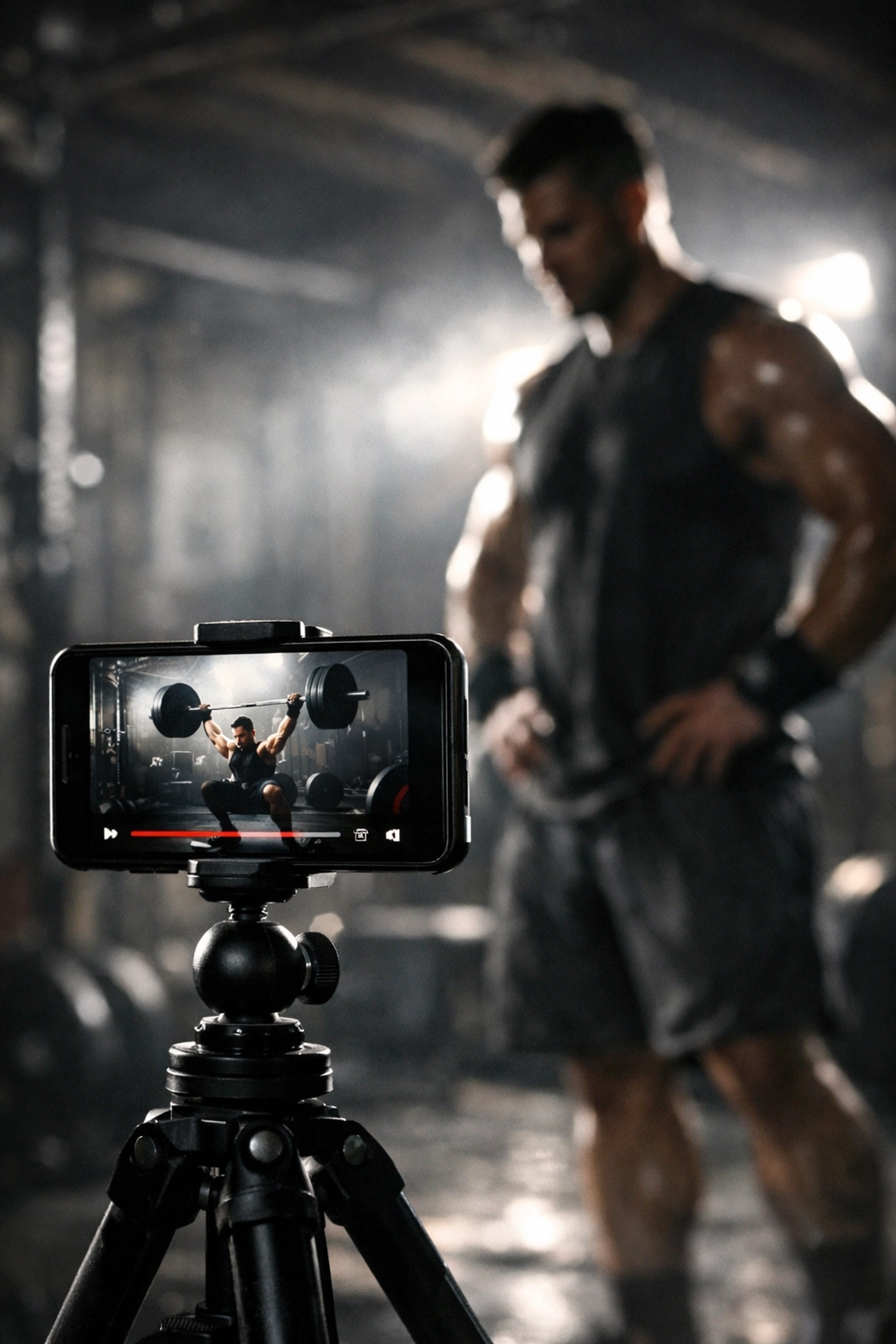
Set up a tripod or a phone mount. Film your heavy sets and your high-skill movements (like muscle-ups or handstand pushups). Compare your footage to expert demos. If you’re serious about your craft, consider joining a community or a forum where you can post videos for critique. Self-awareness is the only way to stay safe when there’s no coach on the floor.
5. Over-Indexing on Weights and Ignoring Calisthenics
A lot of guys build a crossfit home gym that is 90% barbell and 10% everything else. While heavy lifting is vital, many CrossFitters and gymnasts hit a plateau because they lack the "relative strength" that comes from high-level bodyweight movements.
If you can deadlift 400 lbs but can't do 15 strict pull-ups, your fitness is lopsided. You're missing out on the core stability and joint integrity that comes from bodyweight training at home.
The Fix: Integrate a Pull Up Bar Alternative.
You don't always need a massive power tower. If you're short on space or renting and need a no wall damage workout system, look for versatile solutions. The Resistance Rail serves as a superior pull up bar alternative, allowing you to work on your pull-ups, levers, and ring work without drilling permanent holes in your home's structure. Balance your heavy lifting days with dedicated calisthenics sessions to build a truly bulletproof physique.
6. Neglecting Your Floor Layout
Where you put your gear matters just as much as what gear you buy. I see people put their squat rack right under a ceiling fan or their jump rope area next to a glass window.
A bad layout doesn't just limit your movement: it creates mental friction. If you have to move three things just to start your resistance training session, you’re eventually going to find excuses to skip the workout entirely.
The Fix: Map Out Your "Flow Zone."
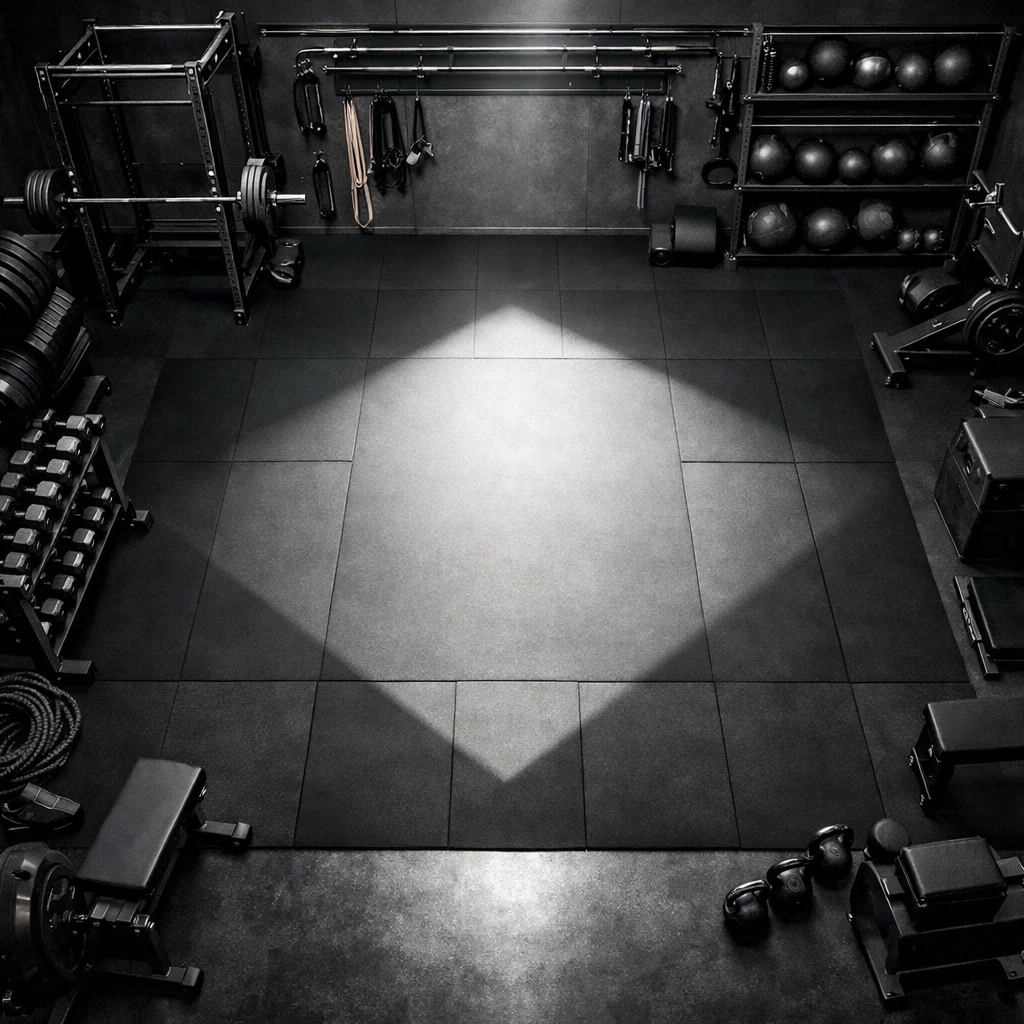
Before you bolt anything down, take a roll of painter's tape and mark out your "work zones."
- The Heavy Zone: Where the rack and platform live.
- The Engine Zone: Where the rower or bike sits.
- The Open Zone: The "Sacred Center" for bodyweight training at home, burpees, and stretching.
Keep your high-traffic areas clear. If your gym feels like a maze, you won't want to be in it. A clean, logical layout is the secret to a versatile home gym that actually gets used.
7. Working Without a Clock
The biggest distraction in a home gym is... your home. The phone rings, the dog barks, or you realize you forgot to put the laundry in the dryer. Without the "group pressure" of a class, a 45-minute workout can easily stretch into an unfocused 90-minute session of scrolling through Instagram between sets.
In CrossFit, the clock is your best friend and your worst enemy. It drives intensity. Without it, you’re just "exercising," not "training."
The Fix: Get a Big-Ass Timer.
Don’t use your phone. Buy a dedicated wall-mounted gym timer. Use EMOMs (Every Minute on the Minute) and AMRAPs (As Many Rounds As Possible) to force yourself to maintain intensity. When the clock starts, the rest of the world shuts out. This is how you turn a full body workout at home into an elite-level training session.
Why the Resistance Rail is the Missing Link for Your Home Gym
When we started Bold Body Fitness, we wanted to solve the biggest problem in home fitness: the trade-off between power and space. Most home gym equipment is either too bulky or too flimsy.
The Resistance Rail was our answer. It’s the ultimate versatile home gym component because it scales with you.
- For the Ninja Warrior: It’s a rock-solid anchor for grip training and explosive movements.
- For the Gymnast: It provides the height and stability needed for ring work and calisthenics.
- For the Renter: It’s a no wall damage workout system that gives you a professional-grade setup without losing your security deposit.
If you’re serious about fixing your setup, stop settling for the status quo. Check out our full range of gear at the Bold Body Fitness Shop and start building the gym you actually deserve.
Final Thoughts: Build for Performance, Not Just Appearance
A home gym shouldn't just look cool on your social media feed. It should be a high-performance engine designed to make you faster, stronger, and more resilient. By avoiding these seven common mistakes: clearing your floor space, investing in quality, and maintaining your intensity: you’ll turn your garage or spare room into a world-class training facility.
Don't let your equipment be the bottleneck in your progress. Level up your space, level up your gear, and get back to work.
Ready to transform your space? Browse our best-selling home gym solutions here.
