
You decided to stop paying for a monthly membership to a box that’s twenty minutes away and finally build your own sanctuary. You want the freedom to rip muscle-ups at 2 AM or hit a high-intensity full body workout at home without waiting for the local "curl bro" to move off the pull-up station.
But here is the cold, hard truth: most home setups are trash.
If you are a serious athlete: a ninja warrior, a gymnast, an MMA fighter, or a dedicated calisthenics practitioner: you cannot settle for a flimsy doorway bar and a prayer. You need a setup that matches your intensity. At Bold Body Fitness, we see the same errors repeated by athletes who have the drive but the wrong gear.
Stop wasting your gains on bad equipment. Here are the seven deadly mistakes you’re making with your calisthenics home gym and exactly how to fix them.
1. Ignoring the "Vertical Limit" (Ceiling Height)
The biggest mistake people make when buying calisthenics equipment for home is only measuring the floor space. You found a corner for a power tower, but did you check if you can actually get your head above the bar without a concussion?
If you’re training for explosive movements like muscle-ups or even standard chest-to-bar pull-ups, you need a minimum of 12 to 18 inches of clearance above the bar. If you’re a gymnast working on handstand blocks or a CrossFit athlete doing wall walks, your ceiling height is your literal ceiling for progress.
The Fix: Look for a floor to ceiling gym solution that is adjustable. Before you buy, measure your reach and add two feet for safety. If your ceilings are low, you need a system that allows you to lower the bar height without sacrificing stability.

2. Miscalculating the "Human Variable" (Range of Motion)
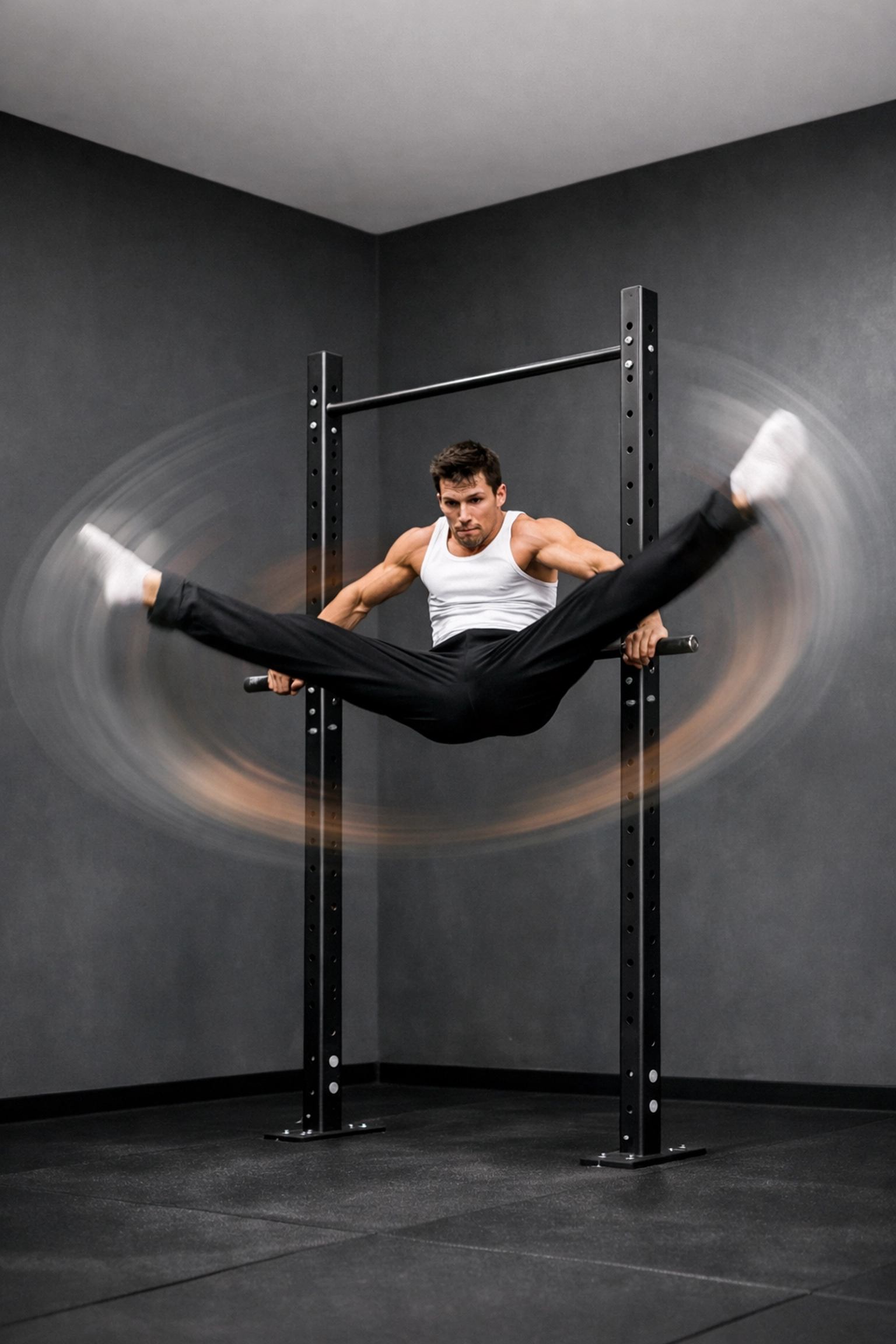
Your body isn't a static object. When you’re performing a bodyweight training at home session, you aren't just moving up and down; you’re moving in a 3D arc.
Many athletes buy a versatile home gym setup only to realize their legs hit the wall during leg raises, or their elbows smash into a bookshelf during dips. If you are a ninja warrior practicing laches or an MMA fighter doing explosive knee-to-elbow transitions, you need "swing space."
The Fix: Clear a "strike zone" that extends at least 3 feet in every direction from your main equipment. If you are tight on space, you need a pull up bar alternative that doesn't fix you to a cramped doorway. You need room to breathe, move, and fail safely.
3. Investing in Wall-Damaging "Solutions"
If you’re renting, or if you just don’t want to turn your garage into a block of Swiss cheese, the traditional "bolt everything to the studs" approach is a nightmare. Most people buy cheap wall-mounted rigs that eventually loosen, crack the drywall, or: worse: rip out mid-set.
A serious crossfit home gym shouldn't come with a bill for property damage.
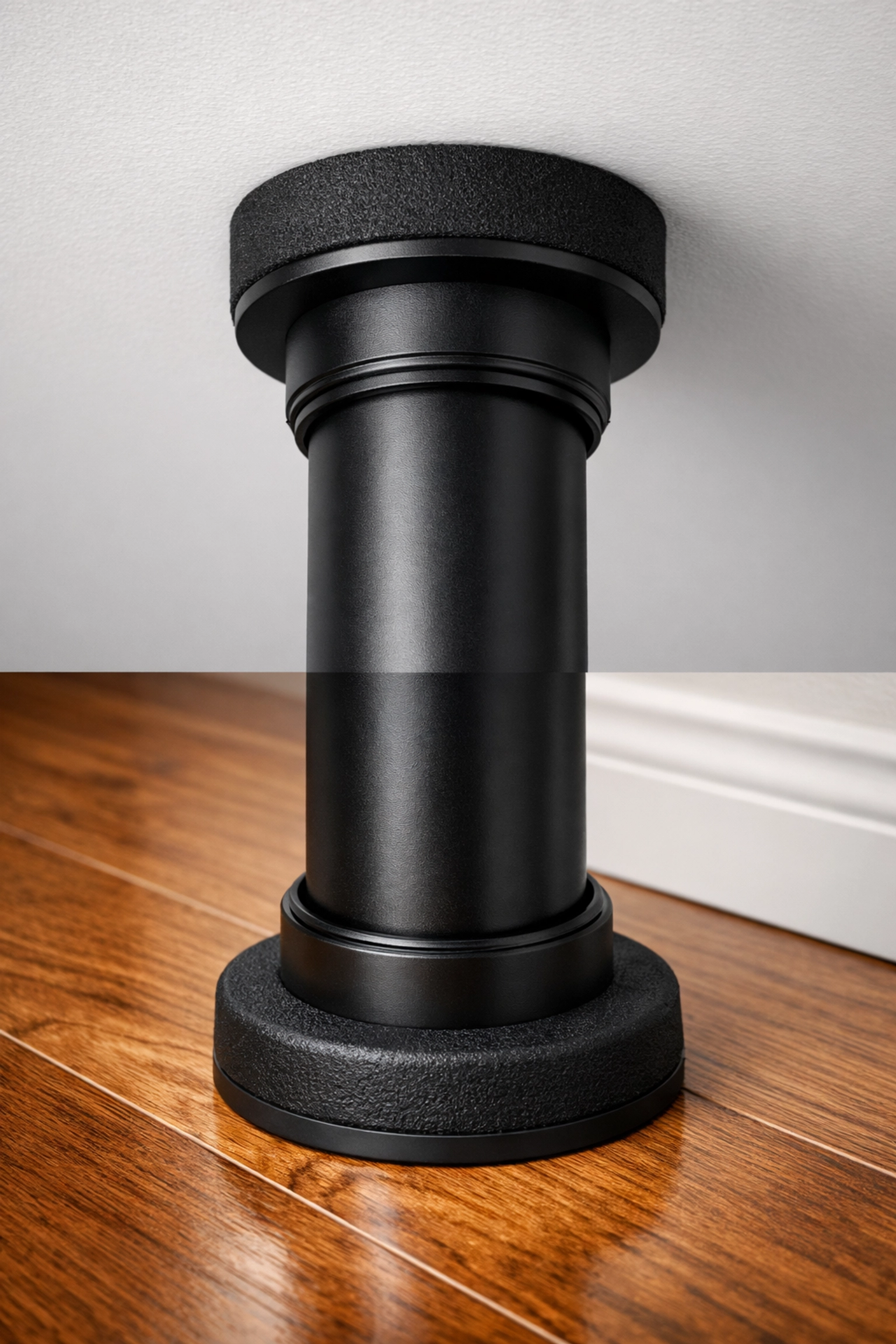
The Fix: Transition to a no wall damage workout system. This is where the Resistance Rail Standard shines. By utilizing a floor-to-ceiling tension design, you get the stability of a bolted rig without a single screw entering your walls. It’s the ultimate hack for the high-level athlete living in a modern space.
4. Neglecting Floor Quality and Stability
You can have the best home gym equipment in the world, but if it’s sitting on a slick hardwood floor or a high-pile carpet, you’re asking for an injury. Stability is the foundation of power. If your bar wobbles during a high-rep set of pull-ups, your brain subconsciously "brakes" your muscle output because it senses instability. This kills your gains.
The Fix: If you aren't using a tension-based system that locks into the ceiling, you need heavy-duty rubber matting. But better yet, choose equipment that creates its own stability. A floor-to-ceiling rail system creates a rigid vertical anchor that doesn't shift, regardless of the floor surface.
5. Over-Complicating the Setup (The "Assembly Fatigue")
We’ve all been there. You order a "versatile" setup, and it arrives in three boxes with 400 bolts and an instruction manual written in a language you don't speak. If it takes three days to build, you’re already losing momentum. Worse, if the equipment is hard to adjust, you’ll stop doing certain exercises because you don't want to spend ten minutes moving pins and clips.
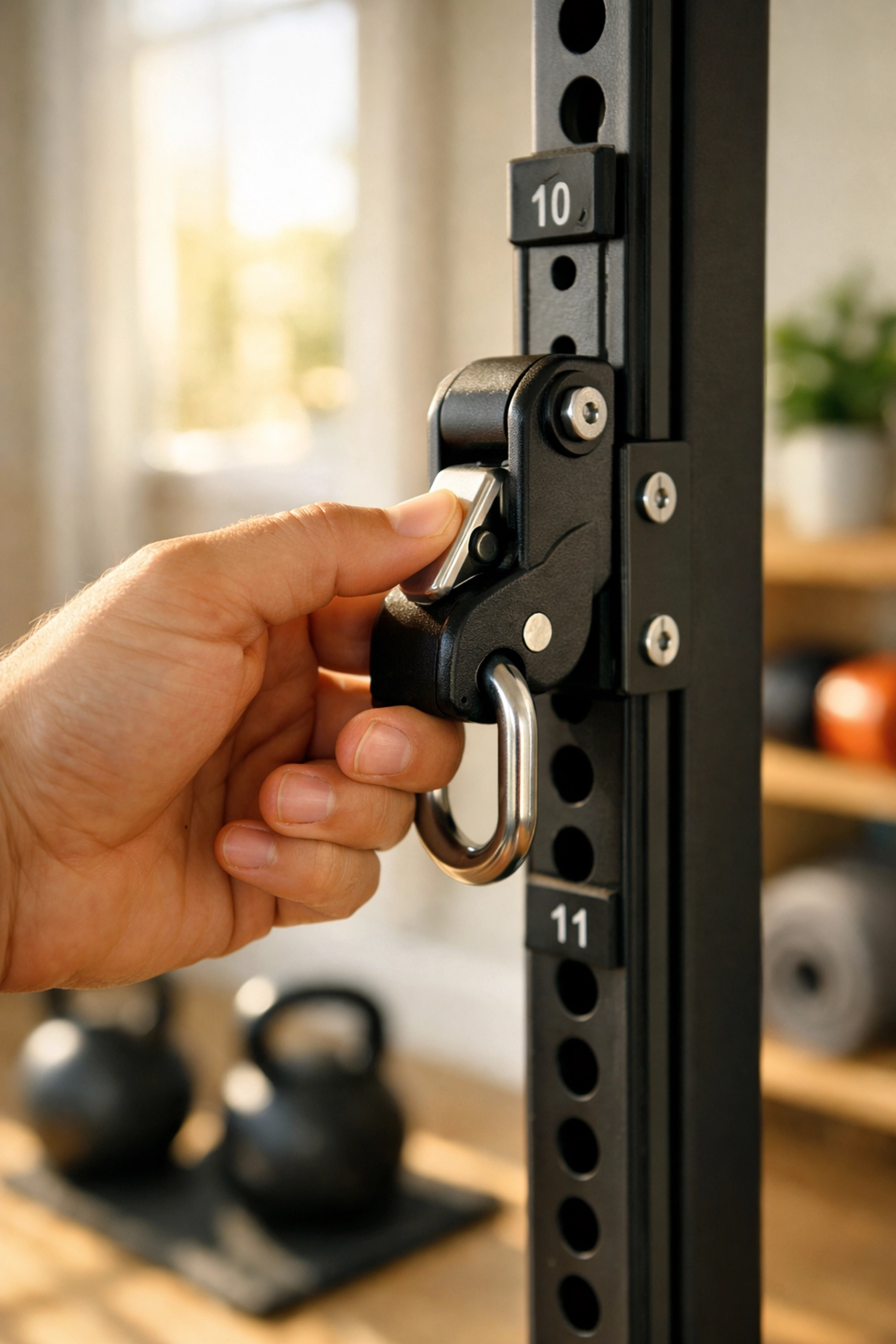
The Fix: Keep it simple. The best calisthenics equipment for home is modular. You want a system where you can go from pull-ups to resistance training with bands in under thirty seconds. At Bold Body Fitness, we believe your workout should be the hard part, not the equipment setup.
6. Buying Gear Without a Progression Plan
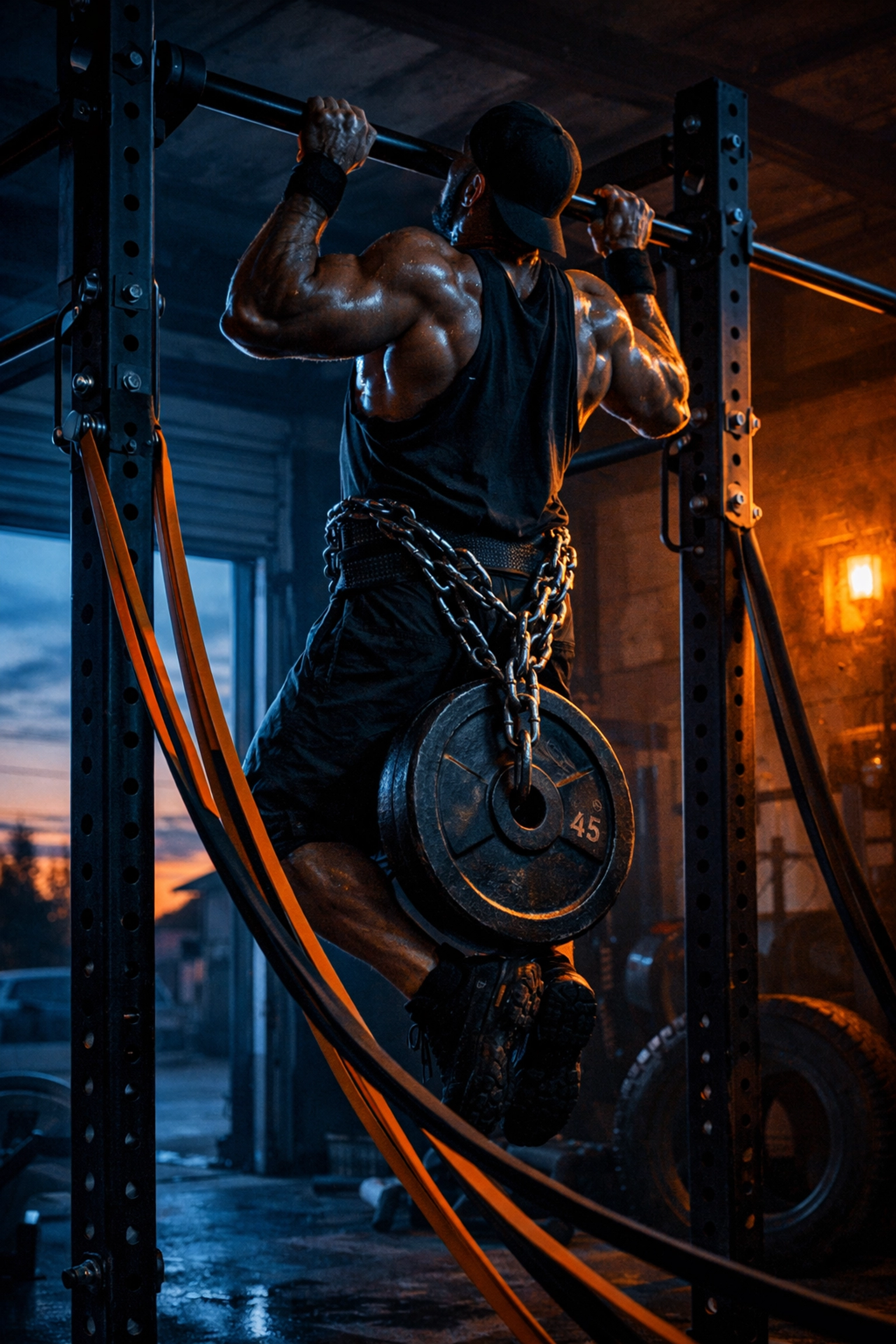
You might start your journey just wanting to hit ten clean pull-ups. But what happens when you hit twenty? Or when you want to start adding external load? Many athletes buy a basic bar and realize six months later it can't support a weighted vest or the attachment of heavy resistance bands.
A full body workout at home requires the ability to increase intensity. If your gear has a weight limit of 200 lbs and you weigh 190, you’re one weighted dip away from a disaster.
The Fix: Always buy gear rated for at least 1.5x your body weight + your goal external load. Look for systems that integrate resistance training hooks. The Resistance Rail, for example, allows you to anchor bands at any height, transforming a simple bar into a full-scale cable-style machine without the bulk. Check out our full shop to see how modularity equals longevity.
7. Choosing "Single-Use" Equipment
The final mistake is turning your home into an obstacle course of single-use machines. A dip station here, a pull-up bar there, a pile of bands in the corner. This creates mental clutter and physical crampedness. For an MMA fighter or a gymnast, space is a premium for mobility work and floor drills.
The Fix: Think vertically. A floor to ceiling gym uses the smallest possible footprint while offering the maximum number of attachment points. You want one "hub" that handles your pull-ups, dips, band work, and anchor points for TRX or rings.
The Bold Solution: The Resistance Rail
If you’re nodding your head because you’ve made these mistakes, it’s time to level up. You don't need a room full of iron; you need a smart, bold system that respects your space and your strength.
The Resistance Rail was designed specifically to solve these seven problems.
- No Wall Damage: It stays up via tension. Your security deposit is safe.
- Verticality: It leverages the floor-to-ceiling space, giving you the most stable anchor possible.
- Versatility: From CrossFit-style kipping to slow, controlled gymnastic ring work, it handles the load.
- Small Footprint: It takes up mere inches of floor space, leaving the rest of the room for your MMA drills or yoga flow.
Why Bold Body Fitness?
Because we don't build gear for "casuals." We build for the people who see a ceiling and want to climb past it. Whether you are searching for a pull up bar alternative or a complete bodyweight training at home solution, we provide the hardware that matches your hustle.
Don't let a bad setup be the reason you plateaud. Fix your space, fix your gear, and the results will follow.
Ready to transform your home into an elite training ground?
Explore the Resistance Rail Standard and stop making excuses for your home gym. It’s time to get bold.
For more tips on optimizing your training and the latest in high-performance gear, visit the Bold Body Fitness homepage.
