
Listen, if you’re reading this, you’re not looking for a "participation trophy" workout. You’re here because you want to master your body, build functional strength, and look like you were carved out of granite. But here is the cold, hard truth: most people: even the dedicated ones: are sabotaging their progress.
At Bold Body Fitness, we see it every day. People buy high-end home gym equipment, set it up with the best intentions, and then plateau because they’re making fundamental errors in how they use their gear. Whether you’re a ninja warrior, a gymnast, or a CrossFit athlete, your equipment is only as good as your execution.
If you’re ready to stop spinning your wheels and start seeing real gains with your bodyweight training at home, it’s time to fix these seven common mistakes.
1. Sacrificing Form for "The Number"
The biggest mistake in the book? Prioritizing quantity over quality. We get it: you want to tell your buddies you banged out 50 pull-ups. But if those were "kipping-seizure" pull-ups with zero range of motion, you didn't do 50 pull-ups. You did 50 ego-strokes.
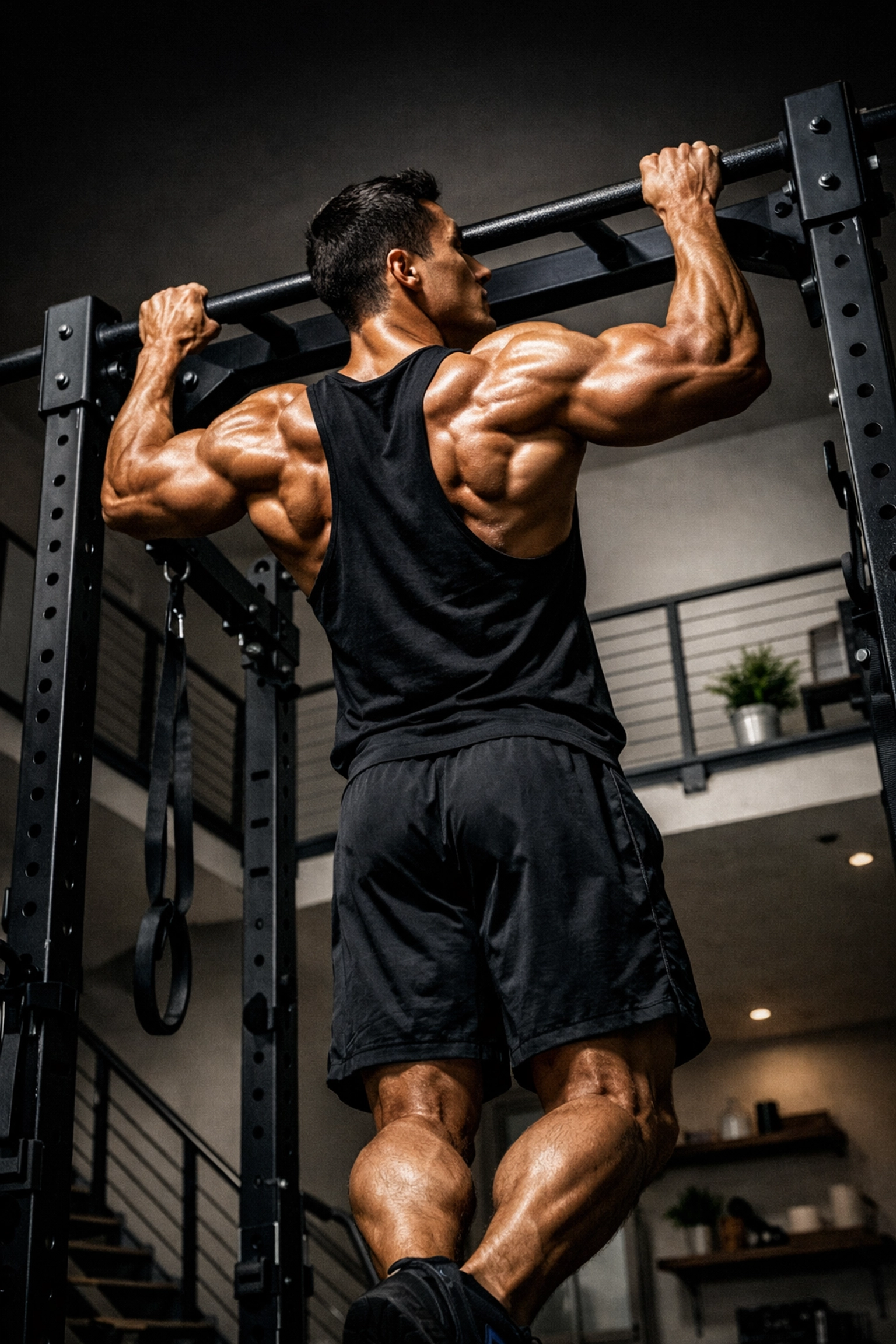
When you’re working with calisthenics equipment for home, improper form doesn't just stall your progress; it’s a fast track to the physiotherapist. Most calisthenics moves are complex. If your scapular retraction is weak during a pull-up, your shoulders take the hit.
The Fix: Film yourself. Seriously. Set up your phone, record a set, and compare it to a gold-standard demonstration. Master the basics: squats, push-ups, and pull-ups: before you even think about a muscle-up. If you can’t do ten perfect reps, don't move on.
2. The "Shiny Object" Syndrome: Skill Overload
Calisthenics is addictive. You see a video of a guy doing a Planche or a Human Flag, and suddenly you want to do it all. You try to train for the Front Lever, the Handstand, and the Pistol Squat all in the same week.
This is the fastest way to get nowhere. Your central nervous system (CNS) and your tendons need time to adapt to specific loads. By constantly switching up your exercises, you never build the necessary mechanical proficiency.
The Fix: Pick two primary skills and stick to them for 8–12 weeks. Consistency is the name of the game in resistance training. Use a versatile home gym setup like the Resistance Rail to anchor your training. It allows you to stay focused on specific progressions without needing a room full of scattered gear.
3. Skipping the Grunt Work (Progressions)
Everyone wants the "cool" move, but nobody wants to do the boring work that makes it possible. If you try a progression that is too hard, you’re not building strength; you’re just testing it: and failing. If you can’t hold a static position for at least 10 seconds or perform 3–5 clean reps, the progression is too advanced for you.
The Fix: Respect the ladder. Use resistance training tools to bridge the gap. For example, if you’re struggling with the transition of a muscle-up, use the Resistance Rail as a pull up bar alternative or a height-adjustable anchor to practice the dip portion and the explosive pull separately. Our floor to ceiling gym system is designed to allow for micro-adjustments in height, making it the perfect tool for incremental progressions.
4. Resting Like You’re on a Coffee Break (or Not at All)
There are two types of people in a crossfit home gym: those who check their phone for five minutes between sets and those who think resting is for the weak. Both are wrong.
Advanced bodyweight movements are taxing on the CNS. If you’re training for a high-intensity skill, 30 seconds of rest isn't going to cut it. On the flip side, if you're resting too long, your heart rate drops, and you lose the "pump" and the focus required for a full body workout at home.
The Fix: For strength and skill work (low reps, high difficulty), rest 2–3 minutes. For hypertrophy (8–12 reps), keep it between 60–90 seconds. Stop scrolling and start timing your rest.

5. Turning Your Home Gym Into a Construction Zone
We’ve seen it a thousand times: someone buys a cheap pull-up bar, bolts it into a doorframe that can’t handle the weight, and ends up with a face-full of drywall and a security deposit down the drain. Or worse, they buy a massive, clunky power rack that takes up the entire spare bedroom, making it impossible to move.
People think they need to renovate their house to have a serious calisthenics equipment for home setup. They’re wrong.
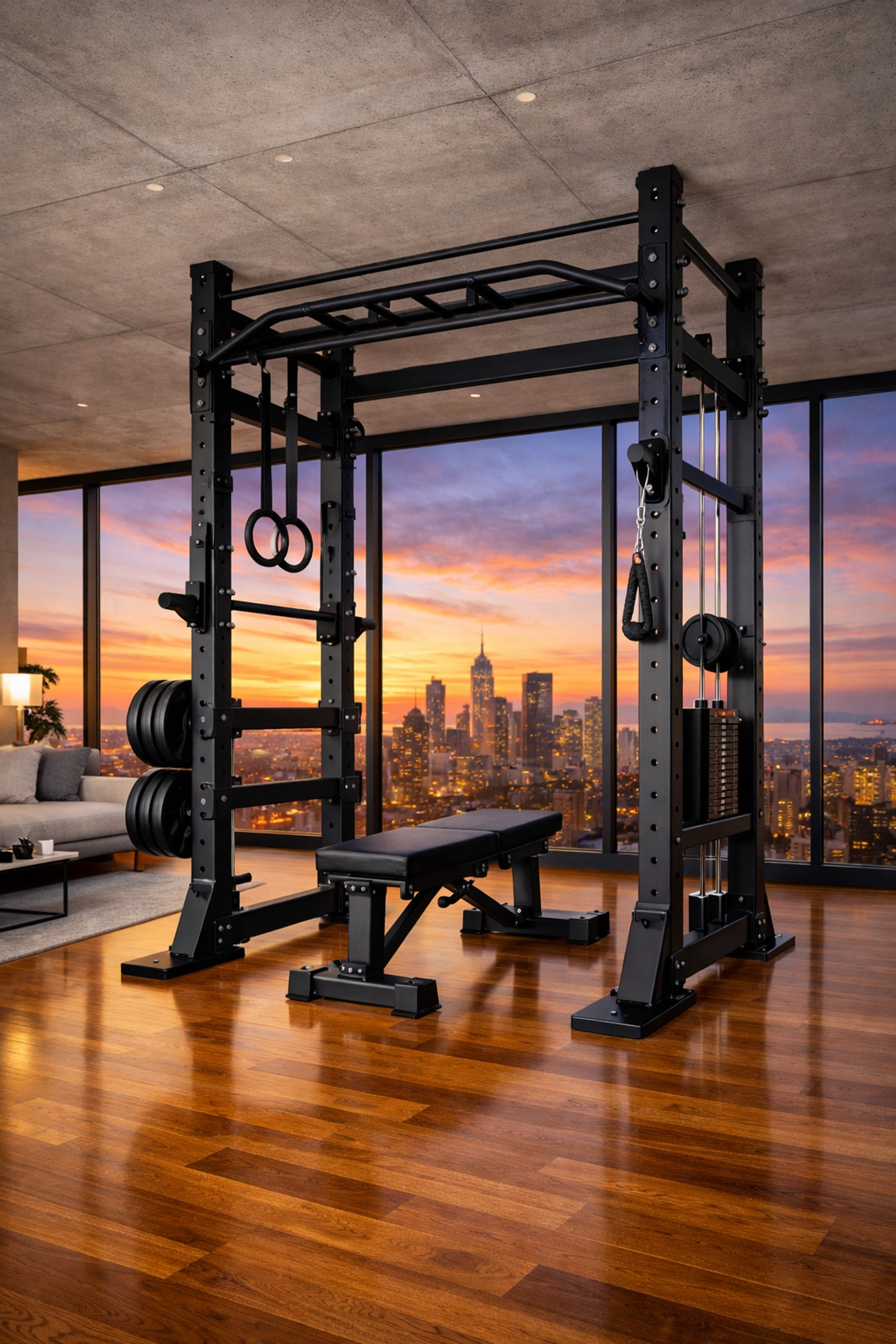
The Fix: Invest in a no wall damage workout system. The Resistance Rail is a revolutionary floor to ceiling gym that provides the stability of a professional rack without the need for bolts, screws, or permanent damage. It’s the ultimate versatile home gym for people who take their training seriously but also respect their living space. You can see how it fits into any aesthetic in our Gallery.
6. Redlining the Intensity Dial
Training to failure on every single set is a one-way ticket to burnout. While intensity is vital for growth, calisthenics involves complex joint angles and heavy stress on the elbows and wrists. If you’re grinding out "ugly" reps to hit failure every time, your CNS will fry, and your joints will eventually give out.
The Fix: Follow the "RPE" (Rate of Perceived Exertion) scale. Most of your sets should finish with 1–2 reps left in the tank. This allows you to maintain high-quality volume throughout your workout without the high risk of injury. Save the absolute failure for the last set of an accessory movement, not your primary skill work.
7. Using "Toys" Instead of Professional Tools
If you’re still using those plastic, flimsy doorframe bars that shake every time you touch them, you’re not just limiting your gains: you’re being dangerous. Serious athletes need serious gear. You wouldn't run a marathon in flip-flops, so why are you doing explosive bodyweight work on equipment designed for a laundry room?
The Fix: Upgrade your environment. A full body workout at home requires stability. You need an anchor point that doesn't budge. Whether you're an MMA fighter working on explosive pull-throughs or a gymnast working on rings, you need a system that mimics a professional facility.
Why the Resistance Rail is the Solution
At Bold Body Fitness, we didn't just want to make another piece of exercise equipment. We wanted to solve the problems that keep people from training at home.
The Resistance Rail serves as:
- The ultimate pull up bar alternative: Stable, adjustable, and height-versatile.
- A no wall damage workout system: It uses tension and clever engineering to stay rock-solid without the drills.
- A versatile home gym: It’s the perfect foundation for resistance bands, rings, and bodyweight exercises.
If you’re serious about your bodyweight training at home, you can’t afford to settle for mediocre gear. You need a system that grows with you, from your first strict pull-up to your most advanced lever.
The Bottom Line
Calisthenics is a journey of discipline. Don't let simple mistakes in form, progression, or equipment choice hold you back from the physique and strength you deserve. Fix your form, respect the rest, and invest in a home gym equipment setup that actually works for your lifestyle.
Ready to level up your training without destroying your walls? Check out our shop and join the elite ranks of athletes using Bold Body Fitness gear to redefine what's possible at home.
Stop making excuses. Start making progress.
