
Let’s be real: most home gym equipment is built for people who just want to move a little. But you? You’re a different breed. Whether you’re a Ninja Warrior training for the Salmon Ladder, a gymnast perfecting your hollow body, or a CrossFit athlete looking to crush a WOD in your garage, you need gear that keeps up.
The problem? Most people treat their pull up bar alternative like a cheap piece of furniture. They buy the first thing they see on a late-night ad, slap it on a door frame, and then act surprised when the drywall crumbles and the molding snaps.
At Bold Body Fitness, we believe your home should be your sanctuary and your stadium, not a construction zone. If you’re tired of "rental-friendly" gear that fails the moment you add a little dynamic movement, this guide is for you. We’re breaking down the seven most common mistakes people make when looking for a no wall damage workout system and how the right floor to ceiling gym setup can change your life.
1. Trusting Your Life to "Chalk" (The Drywall Trap)
Here’s a hard truth: Drywall is essentially compressed chalk held together by a thin layer of paper. It is designed to look pretty, not to hold 200+ pounds of an athlete performing explosive bodyweight training at home.
Most people buy a wall-mounted bar, grab a stud finder, and think they’re safe. But even if you hit the studs, the sheer torque of a wide-grip pull-up or a kipping movement puts immense stress on the surrounding plaster. Over time, you’ll see those dreaded spiderweb cracks. Even worse, if you miss the center of the stud, you’re looking at a catastrophic failure mid-set.
The Fix: Stop drilling holes. If you’re serious about calisthenics equipment for home, you need a system that distributes force vertically. A floor to ceiling gym like our Resistance Rail uses structural tension between your floor and ceiling joists, saving your walls from becoming a renovation project.

2. Settling for the "Doorway Destroyer"
We’ve all seen them: those $30 telescopic bars that wedge into a door frame. They claim to be the ultimate pull up bar alternative, but they are the natural enemy of door molding.
Every time you hang from one of those bars, the pressure forces the architrave (that decorative wood around your door) to compress. Eventually, the wood splits, the paint chips, and you’re left with a permanent reminder of your workout. Not to mention, those bars are notorious for slipping. If you’re an MMA fighter or a gymnast, the last thing you want is the floor coming up to meet you because a rubber pad lost its grip.
3. Ignoring the Vertical "Dead Zone"
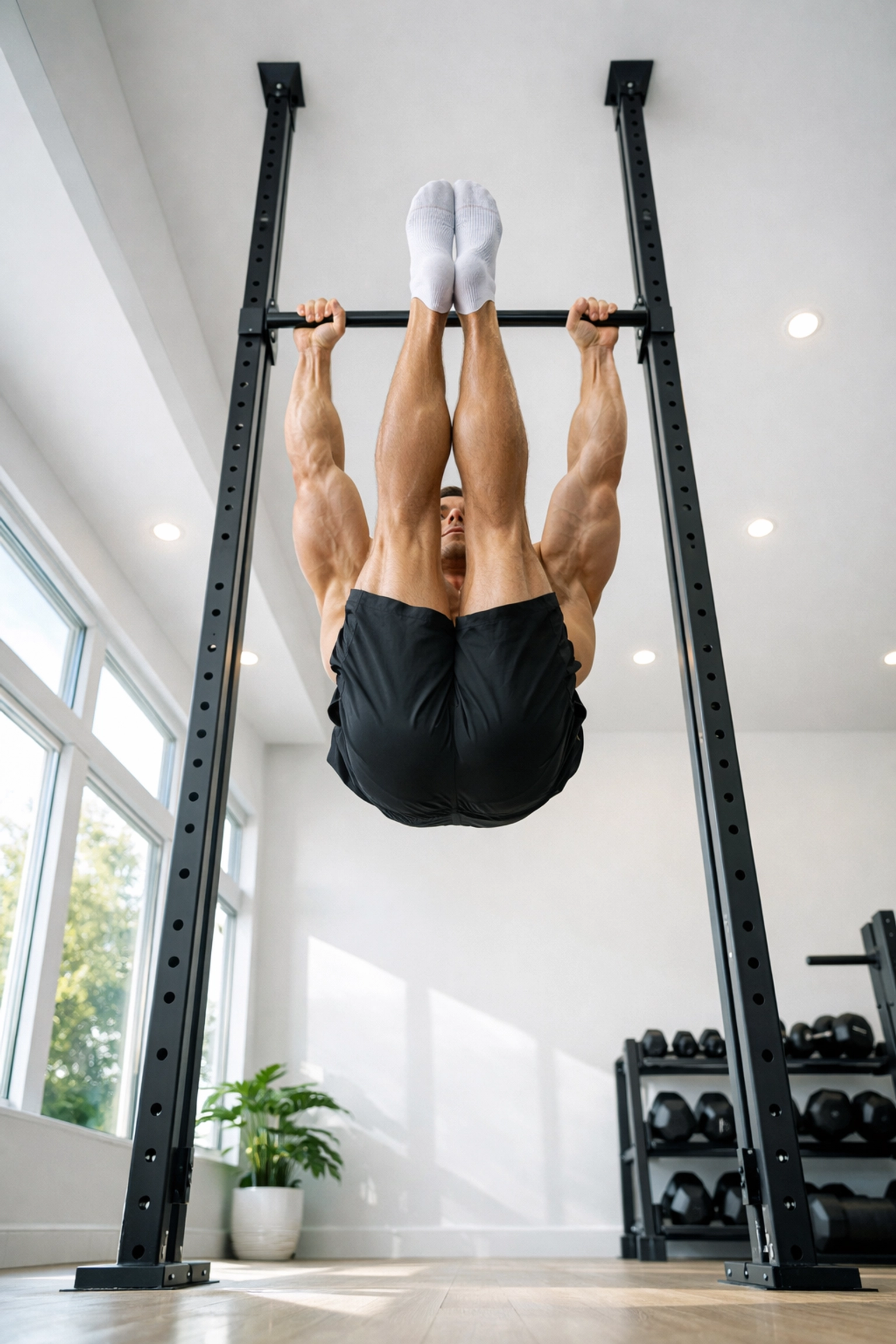
Most home gym equipment is designed for a standard 6’8” doorway. If you’re over 5’10”, you know the struggle: you have to bend your knees like a flamingo just to get a full hang.
This completely ruins your kinetic chain. For a proper full body workout at home, you need to be able to achieve a full dead hang with your toes pointed and your core engaged. Training with your knees bent limits muscle activation in your lats and forces you into poor postural habits.
By choosing a versatile home gym that utilizes the full height of your room, you gain the clearance needed for leg raises, toes-to-bar, and proper pull-up form without your knees hitting the carpet.
4. The "Single-Purpose" Stagnation
A pull-up bar is great for, well, pull-ups. But if you’re trying to build an elite physique or train for a specific sport, you need more than one movement.
Mistake number four is buying gear that only does one thing. You buy a bar for pull-ups, then a separate stand for dips, then a rack for resistance training. Before you know it, your "home gym" is a cluttered mess of metal that your spouse hates.
A versatile home gym should be an ecosystem. At Bold Body Fitness, we designed the Resistance Rail to be the foundation of your entire workout. From high-anchor pull-ups to low-anchor rows and mid-height resistance band work, your equipment should grow with your skills.
5. Overlooking Dynamic Stability (The "Swing" Factor)
Are you just hanging there, or are you moving?
If you’re a CrossFit athlete, you’re doing kipping pull-ups or butterfly reps. If you’re a Ninja Warrior, you’re practicing transitions. Most pull up bar alternatives are designed for static, slow movements. The moment you add momentum, the "wobble" starts.
A wobbly bar isn't just annoying; it's a thief. It steals the energy from your movement and forces your stabilizer muscles to work overtime just to keep the bar in place. You want your energy going into the rep, not into keeping the equipment from falling down. A floor-to-ceiling tension system provides the rigidity of a bolted-down power rack without the permanent damage to your flooring.

6. Failing to Account for Grip Variety
Training with the same grip every single day is a recipe for tendonitis and plateauing. Your elbows and wrists need variety to stay healthy.
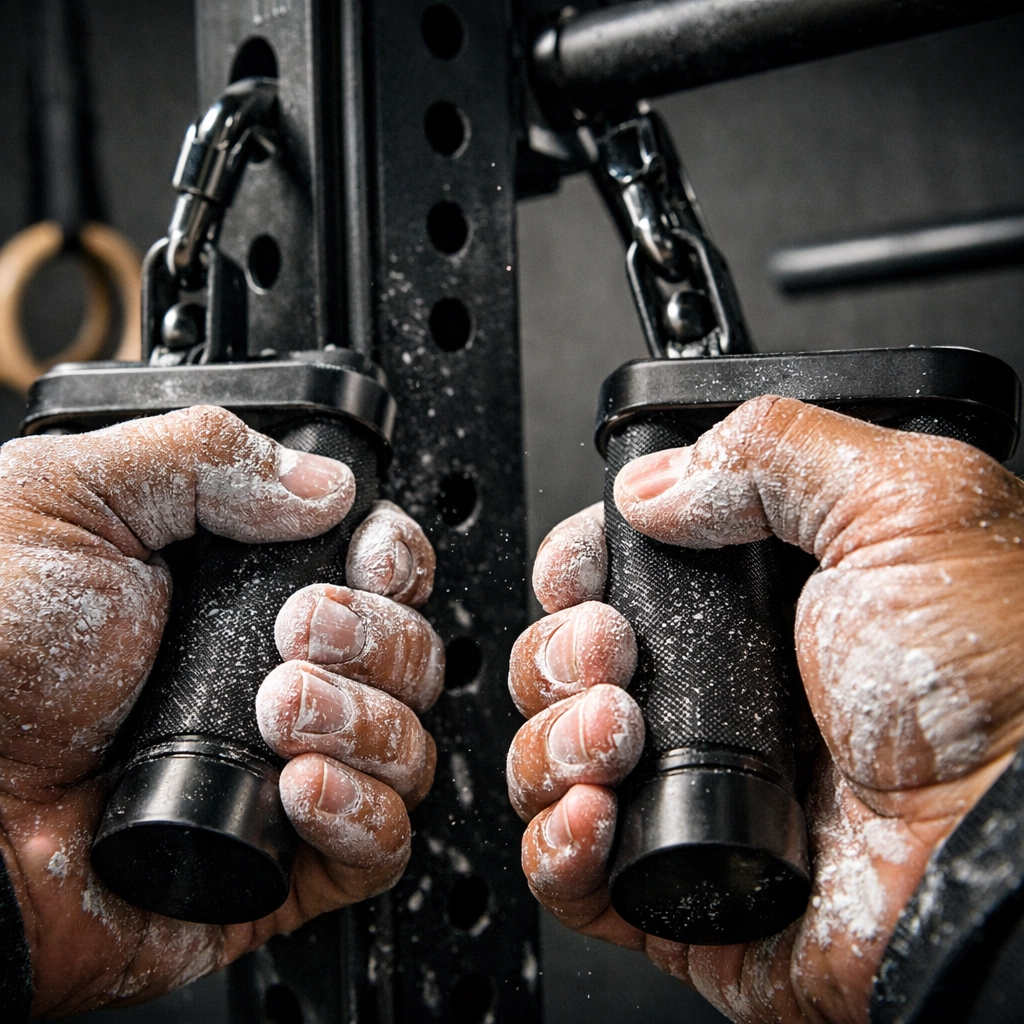
Many basic bars offer one or two positions: overhand and underhand. Serious bodyweight training at home requires neutral grips, wide grips, and the ability to attach rings or straps.
When you upgrade to a professional-grade Resistance Rail system, you’re not just getting a bar. You’re getting an adjustable anchor system that allows you to change your grip width and angle in seconds. This variety targets different parts of your back and biceps, ensuring you don’t develop the "overuse" injuries common in amateur setups.
7. Buying for the Person You Are Today, Not the Athlete You'll Be Tomorrow
The biggest mistake? Buying "entry-level" gear.
You might only be doing three pull-ups now, but in six months, you’ll be doing weighted reps, muscle-ups, and intense resistance training. If you buy a cheap pull up bar alternative now, you’ll just have to replace it when your strength outgrows it.
Invest in a crossfit home gym setup that can handle your progress. You need equipment that can take the weight of a weight vest, the snap of a heavy resistance band, and the daily grind of an elite training schedule.
Why the Resistance Rail is the Ultimate Solution
At this point, you’re probably looking at your walls and your flimsy doorway bar with a bit of suspicion. Good. You should expect more from your gear.
The Resistance Rail by Bold Body Fitness was engineered specifically to solve these seven mistakes. It is the premier floor to ceiling gym for athletes who refuse to compromise.
- No Holes, No Stress: Our tension-based system provides a rock-solid anchor point without a single screw in your wall.
- Maximized Space: It takes up a tiny footprint while offering a massive range of motion.
- Infinite Versatility: Transition from pull-ups to seated rows to overhead presses in seconds. It’s the definition of a versatile home gym.
- Professional Grade: Built for the intensity of a crossfit home gym, but designed for the aesthetics of a modern home.
Whether you're looking for a Resistance Rail Standard or a fully customized setup, we have the tools to help you dominate your training.
Elevate Your Training
Stop settling for equipment that limits your potential and destroys your home. Your training deserves a foundation that is as bold as your goals.
By avoiding these seven mistakes, you’re not just saving your walls: you’re investing in your longevity as an athlete. You need a pull up bar alternative that acts like a permanent fixture but offers the flexibility of a portable system.
Ready to stop making excuses and start making progress? Check out our full range of home gym equipment and join the community of athletes who choose strength over convenience.
Explore the Shop: View All Products
Learn More: Visit Bold Body Fitness
Don't let your gear be the bottleneck. Go Bold. Get the Rail. Save your walls.
Looking for more tips on maximizing your home workouts? Check out our community forum or browse our latest workout entries for inspiration.
