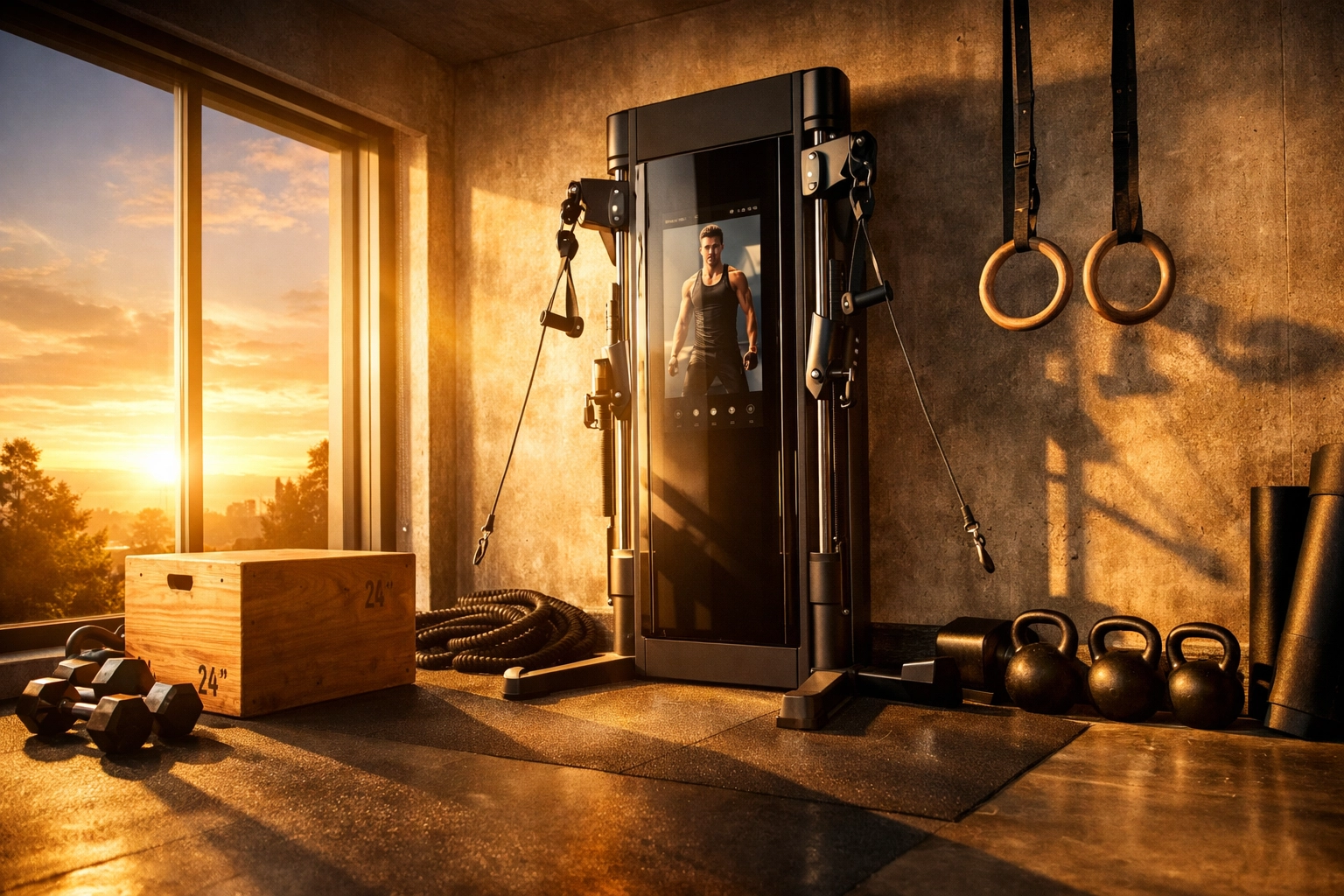
Let’s be real: most home workouts suck.
You’re in your living room, tripping over a rug, trying to follow a generic fitness influencer who’s never done a muscle-up in their life. If you’re a serious athlete: a ninja warrior, an MMA fighter, or a CrossFit regular: you know that "staying active" isn't the same as training.
At Bold Body Fitness, we don’t do "light cardio." We do performance. But even the most dedicated athletes fall into traps when they transition from a commercial facility to a home environment. You might think your home gym equipment is enough, but if your methodology is flawed, you’re just spinning your wheels.
If you want to build elite strength, explosive power, and a physique that actually performs, you need to stop making these seven common mistakes. Here is how to fix them and turn your space into a high-performance versatile home gym.
1. The "Cold Start" Ego: Skipping the Warm-Up
Most people treat their home workout like a light switch. They walk from the kitchen to the garage and immediately try to hit a personal best. This is the fastest way to a torn labrum or a blown-out knee.
When you’re at a commercial gym, the commute and the environment usually get your head in the game. At home, your central nervous system (CNS) is still in "relaxation mode." Jumping into high-intensity resistance training without preparation means your tendons and ligaments are brittle and your motor units aren't firing.
The Fix:
Spend 8 minutes on dynamic movement preparation. If you’re using the Resistance Rail, use light tension to perform high-rep face pulls, internal/external shoulder rotations, and hip hinges. Focus on blood flow and joint lubrication. A "Bold" athlete knows that the warm-up isn't a suggestion; it’s the foundation of the session.

2. Flying Blind: The Death of Biofeedback
At the gym, you have mirrors and coaches. At home, you have a TV and a pile of laundry. One of the biggest mistakes in bodyweight training at home is losing sight of your form. Without visual feedback, your "neutral spine" often looks like a question mark.
Bad movement patterns become "baked in" over time. If your rows are uneven or your chest press has a slight tilt, you’re creating muscle imbalances that will eventually lead to injury or a performance plateau. This is especially dangerous for MMA fighters and gymnasts who rely on perfect symmetry for power.
The Fix:
Set up a dedicated space where you can see your reflection or record your sets. If you’re using a floor to ceiling gym system like ours, ensure your alignment is squared to the rail. Use your phone to film your heavy sets from the side. Check our Gallery to see how professional athletes align their bodies for maximum output.
3. YouTube Roulette: Lacking a Structured Program
Are you just picking a random workout every day? That’s not training; that’s entertainment.
If you want a full body workout at home that actually produces results, you need progressive overload. You need to know exactly what you did last Tuesday so you can beat it this Tuesday. The "YouTube Roulette" approach ignores the science of adaptation.
The Fix:
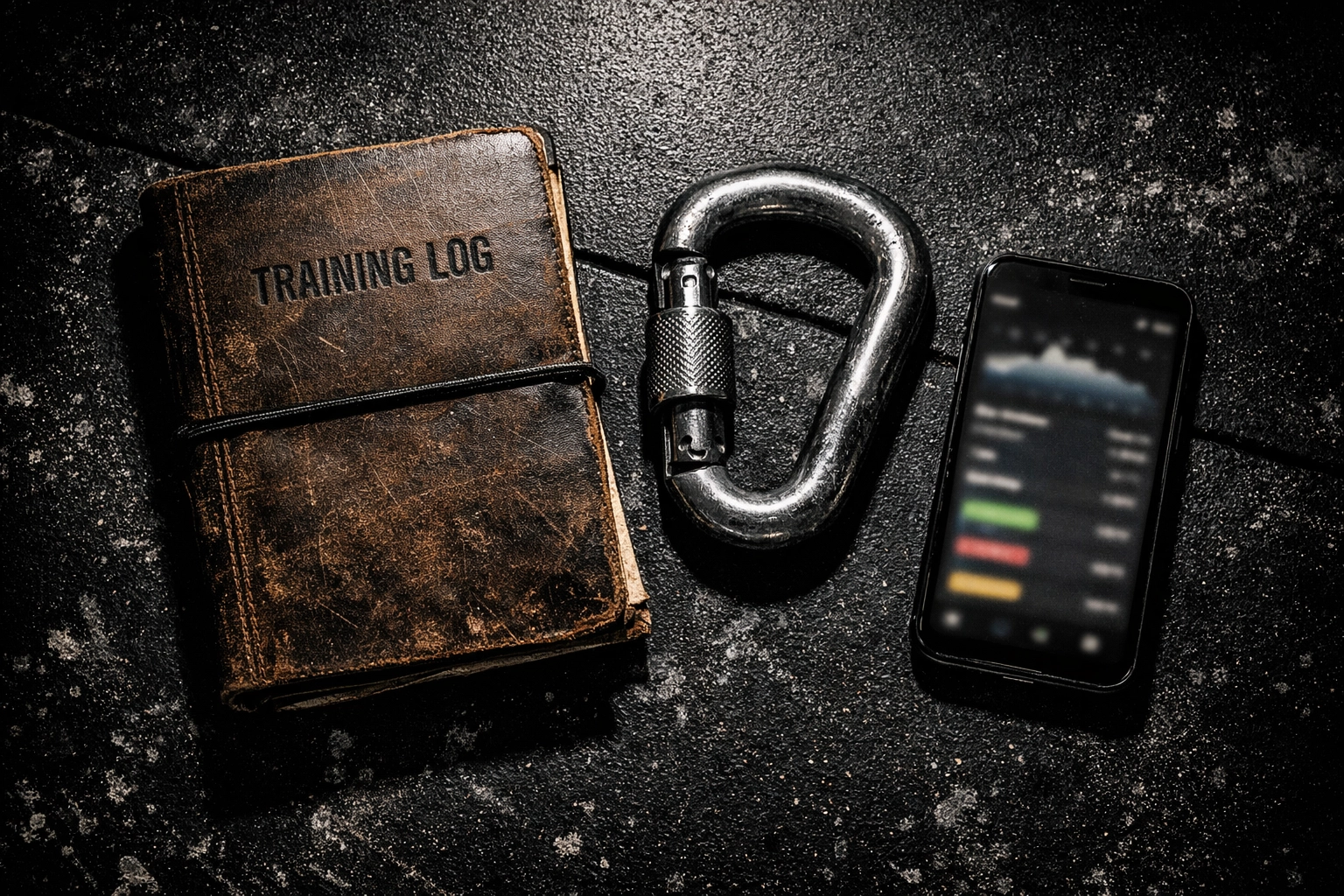
Get a logbook or a tracking app. Your home gym equipment is just a tool; the program is the blueprint. Focus on a 4-to-6-week block where you systematically increase resistance, reps, or decrease rest time. Serious athletes don't guess: they measure. Join the conversation on our Forums to see how other practitioners are structuring their home-based calisthenics and strength programs.
4. The Plateau of Boredom: Repetitive Planes of Motion
Human beings are designed to move in three dimensions. Yet, most home resistance training is stuck in the sagittal plane (forward and backward). If all you do is standard push-ups and squats, you’re leaving 70% of your potential on the table.
For practitioners of calisthenics equipment for home, the biggest mistake is staying static. If you aren't changing your angles, your stabilizing muscles are falling asleep. This is why many "home-trained" athletes crumble the moment they step into a CrossFit box or a wrestling mat: they haven't trained for lateral or rotational power.
The Fix:
Vary your resistance vectors. The beauty of the Resistance Rail is that it allows for instant height adjustments. Don't just do a chest press; do a high-to-low fly, then a low-to-high punch. Switch to rotational woodchoppers to engage your obliques and core. By changing the anchor point on your floor to ceiling gym, you force your body to adapt to new stresses, shattering any plateaus.
5. The "Gear Gap": Settling for Subpar Equipment
Let’s talk about the elephant in the room: cheap equipment. If you are using a $20 door anchor or a flimsy "pull up bar alternative" that feels like it’s going to rip the trim off your wall, you are holding yourself back.
You can’t go 100% on a movement if you’re subconsciously afraid the equipment will fail. This "fear-based training" limits your explosive power. Furthermore, most home setups are a nightmare for renters because they cause permanent damage.
The Fix:
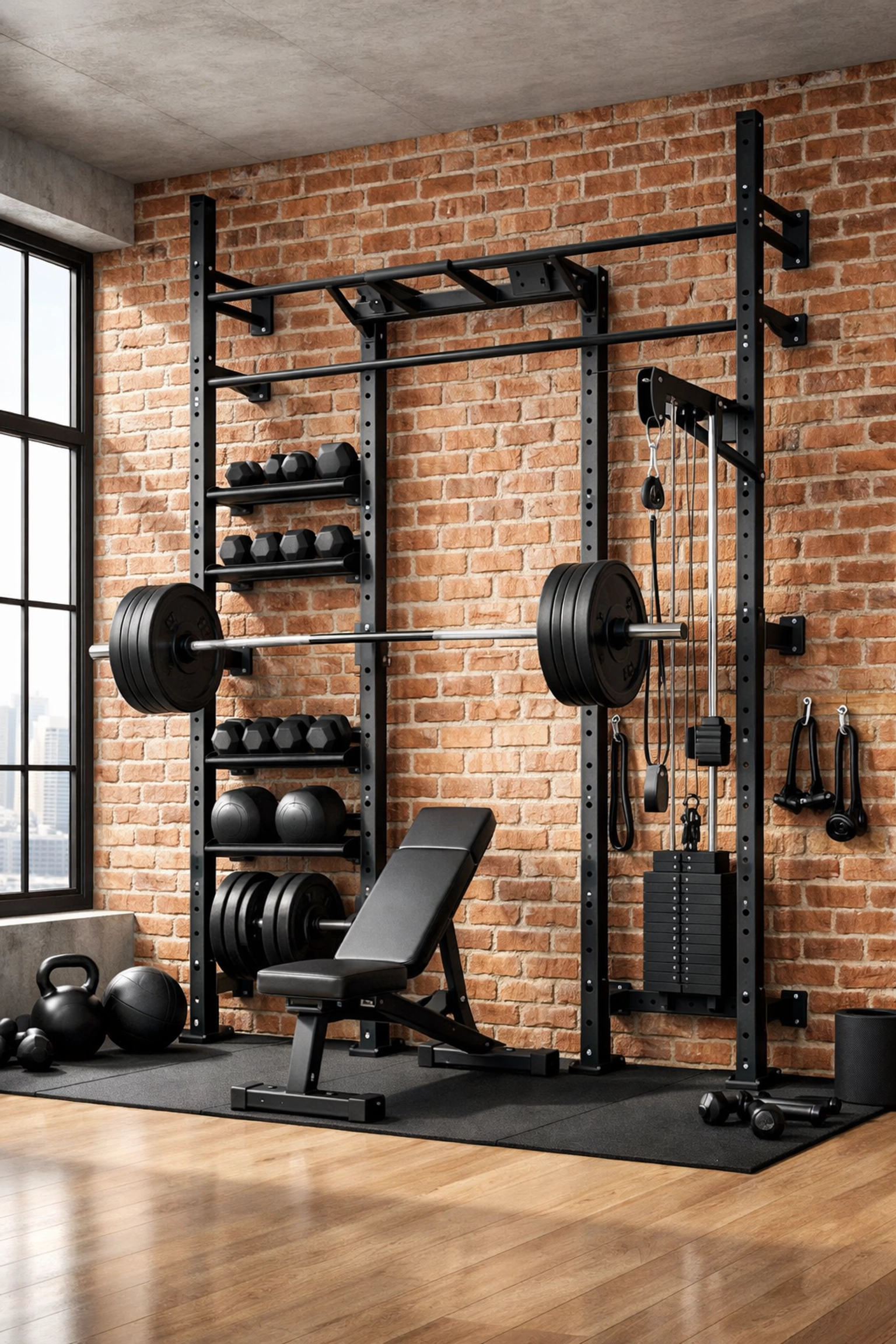
Stop buying toys and start buying tools. If you’re serious about a CrossFit home gym, you need commercial-grade stability. We developed the Resistance Rail to be a no wall damage workout system that provides the stability of a bolted-down power rack without the footprint. It’s the ultimate versatile home gym for those who refuse to compromise on quality. Check out our full range at the Bold Body Fitness Shop.
6. Intensity Amnesia: Going Too Light or Burning Out
At home, intensity is hard to gauge. Some people treat their home gym like a spa, never breaking a sweat. Others, driven by guilt for not being at "the real gym," go full-throttle every single day until their central nervous system is fried.
Both are mistakes. If you’re an MMA fighter or a ninja warrior, your home resistance training needs to be calculated. You need to hit high-intensity peaks followed by strategic deloads.
The Fix:
Use the RPE (Rate of Perceived Exertion) scale. Most of your working sets should be an 8 or 9 out of 10. Save the 10/10 "total failure" sets for once a week. This ensures you’re pushing hard enough to trigger hypertrophy and strength gains without causing chronic fatigue. Remember, the goal of a full body workout at home is to be better tomorrow, not just exhausted today.
7. The Recovery Abyss: Ignoring the 23 Hours Outside the Gym
The final mistake is thinking the workout is the only thing that matters. Training is the stimulus; recovery is the result.
Because your "gym" is now your "home," the lines get blurred. You might finish a brutal session and immediately jump into stressful work emails or sit on the couch eating processed junk. When you train at home, you lose the "ritual" of post-workout recovery.
The Fix:
Create a post-training ritual. Spend 10 minutes on mobility and breathwork immediately after your session. Prioritize protein synthesis and sleep. If you want to see how the pros handle their downtime, visit our Members Area for exclusive tips on holistic athletic performance. Your home gym equipment is only as effective as your body’s ability to repair the damage you do to it.

Why the Resistance Rail is the Ultimate Fix
If you’ve read this far, you’re not looking for a "quick fix." You’re looking for a permanent solution to your home training limitations. You need a system that supports bodyweight training at home while offering the resistance of a professional facility.
The Resistance Rail was engineered specifically for the athlete who demands more.
- No Wall Damage: Most systems require drilling into studs. Ours uses a revolutionary tension-based no wall damage workout system that stays rock-solid during explosive movements.
- True Versatility: Whether you need a pull up bar alternative or a high-anchor point for suspension trainers, the rail adapts in seconds.
- Compact Power: You don't need a 500-square-foot garage. Our floor to ceiling gym fits into any corner, making it the most versatile home gym on the market.
Stop Making Excuses. Start Building Power.
The transition to home training is a test of discipline. Don't let these seven mistakes undermine your hard work. By fixing your form, following a plan, and investing in high-quality home gym equipment, you can achieve a level of fitness that most people think is only possible in a professional facility.
Are you ready to stop "working out" and start training?
Explore the Resistance Rail Standard here and join the ranks of athletes who refuse to settle for average.
For more tips, community support, and deep dives into elite training, head over to Bold Body Fitness. It’s time to claim your space.