
Let's be real, setting up a home gym should be straightforward. You buy some equipment, throw it in your garage or spare bedroom, and start crushing workouts. Simple, right?
Wrong.
Most people sabotage their home gym before they even complete their first workout. They waste thousands on equipment that doesn't fit, damages their property, or collects dust in the corner while they debate whether to turn it into a very expensive clothes rack.
If you're serious about training at home, whether you're into CrossFit, calisthenics, MMA, or ninja warrior training, you can't afford these mistakes. Here are the seven biggest equipment errors I see (and exactly how to fix them).
Mistake #1: Treating Your Ceiling Height Like an Afterthought
Here's a scenario that plays out constantly: Someone gets hyped about building their CrossFit home gym, orders a pull-up bar or rig, and then discovers their ceiling is too low for kipping pull-ups. Or worse, they mount it anyway and crack themselves in the skull on rep twelve.
The reality: Standard ceiling height in most homes is 8 feet. Sounds like plenty until you factor in your height, arm reach, and the equipment itself. Add a thick rubber mat (which you absolutely need), and you've just lost another inch.
The fix: Measure your space properly before buying anything. Stand with your arms fully extended overhead. Can you comfortably do a pull-up without your feet touching the ground? Do you have clearance for muscle-ups, toes-to-bar, or hanging leg raises?
If your ceiling height is limiting, look for alternative solutions like a floor to ceiling gym system that uses tension rather than permanent mounting. These systems can accommodate lower ceilings while still providing serious resistance training options for bodyweight training at home.
Mistake #2: Drilling Holes Like You're Building the Hoover Dam
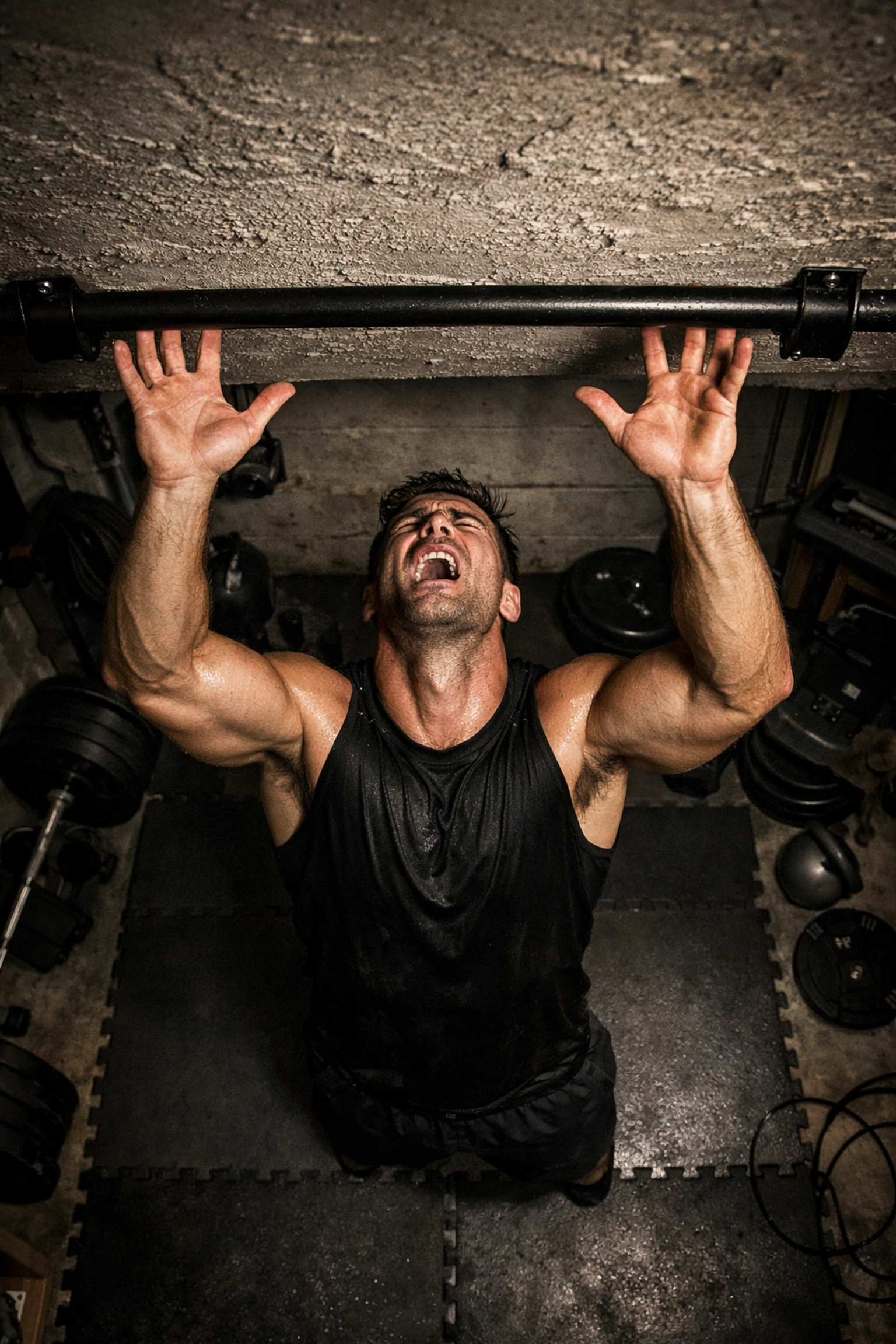
I've seen rental deposits vanished and walls destroyed because people went drill-happy with their home gym setup. Wall-mounted pull-up bars, heavy bags bolted to ceiling joists, squat racks screwed into drywall (please don't): the damage adds up fast.
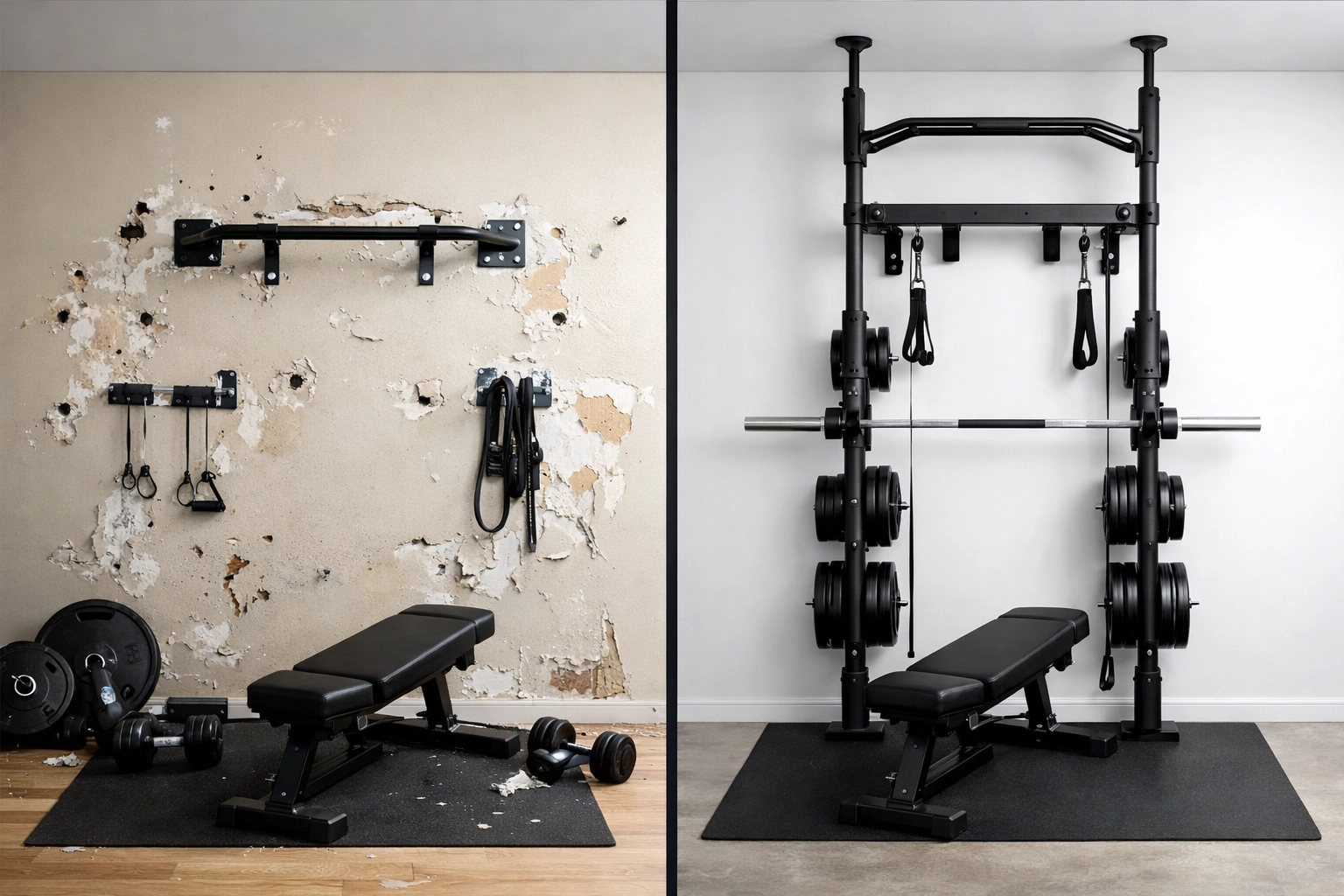
The reality: Most traditional home gym equipment requires serious installation. We're talking finding studs, drilling into ceilings, potentially damaging walls, and creating permanent fixtures you can't easily move or remove. For renters, this is often a complete deal-breaker.
The fix: Prioritize a no wall damage workout system that uses pressure-mounting or freestanding designs. Modern calisthenics equipment for home has evolved beyond the drill-and-pray method. Systems that leverage ceiling tension create rock-solid stability without destroying your property.
This is exactly why we developed the Resistance Rail at Bold Body Fitness: a floor-to-ceiling system that requires zero drilling, zero wall damage, and takes about five minutes to set up. You get the stability of a permanent rig with the flexibility to move it whenever you want.
Mistake #3: Buying Single-Purpose Equipment That Becomes Expensive Furniture
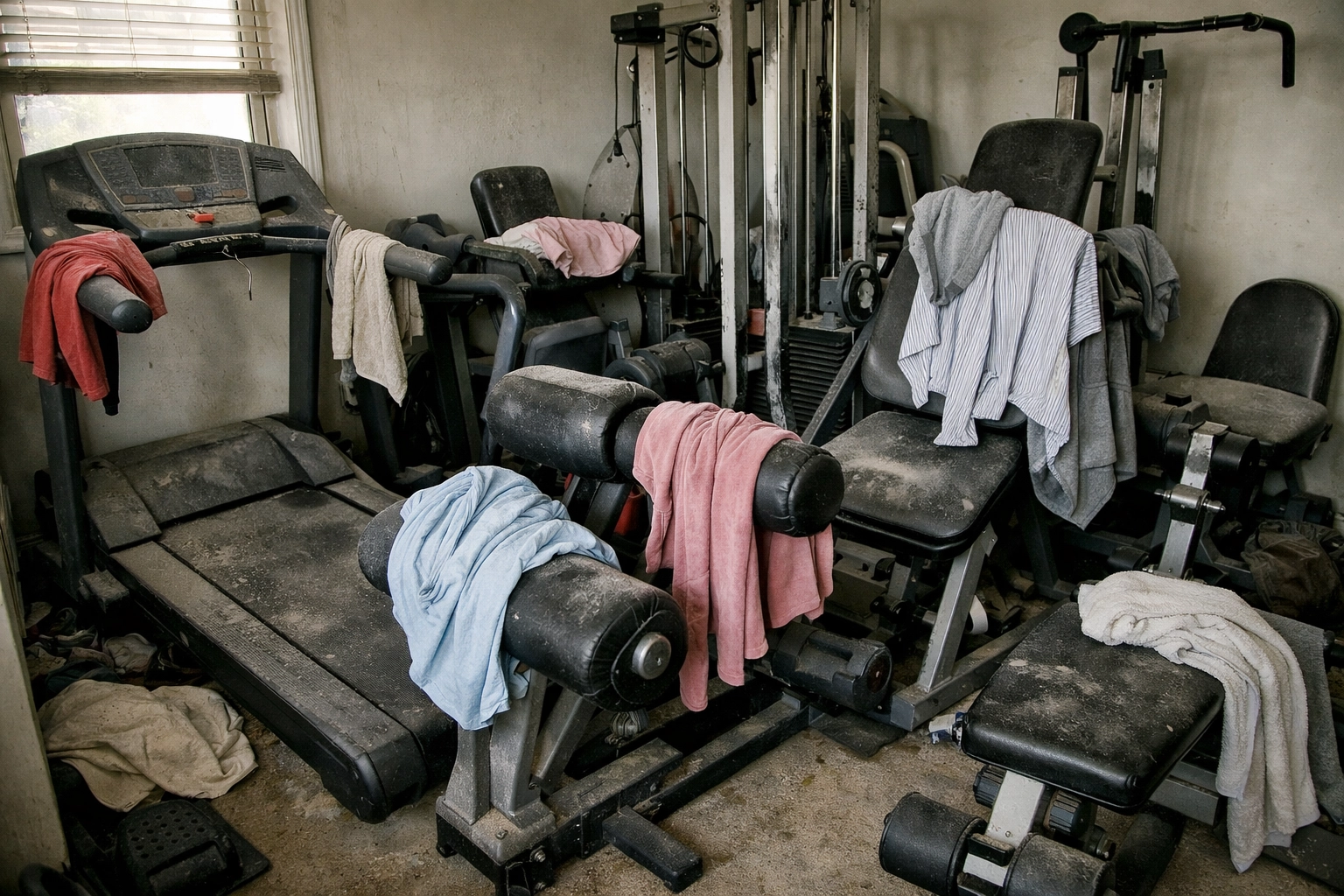
Walk into any gym equipment store and you'll find machines that do exactly one thing. A leg curl machine. A pec deck. A preacher curl bench. These might work in commercial gyms with unlimited space, but in your home? They're space-wasting nightmares.
The reality: Single-use equipment severely limits your training variety. That treadmill you bought? Great for running. Terrible for everything else. It takes up massive floor space and probably costs more than your first car.
The fix: Think versatile. Every piece of equipment should serve multiple purposes. Adjustable dumbbells beat fixed weights. Resistance bands offer hundreds of exercise variations. A quality barbell with different attachments demolishes five specialty bars taking up wall space.
For serious athletes, the ultimate versatility comes from a versatile home gym system that supports multiple training modalities. Pull-ups, dips, rows, muscle-ups, resistance band work, suspension training, and more: all from one piece of equipment. That's the efficiency home training demands.
Mistake #4: Ignoring the Power of Bodyweight Training
Here's an uncomfortable truth: Most people buying thousands in equipment can't even do 20 perfect push-ups, 10 strict pull-ups, or hold a 60-second L-sit. Yet somehow they've convinced themselves they need a $3,000 cable machine.
The reality: Elite gymnasts, ninja warriors, and military special forces build incredible strength using primarily bodyweight exercises. The equipment requirements? Minimal. The results? Maximum.
The fix: Start with foundational bodyweight training at home before dropping serious cash on weight machines. Master the basics: pull-ups, dips, push-up variations, handstand work, leg raises, and pistol squats. These movements build real-world strength and body control that translates everywhere.
Invest in equipment that supports progressive calisthenics training: a solid pull up bar alternative that can also handle dips, rows, and advanced movements. Add resistance bands for assisted work or extra resistance as you progress. This approach costs less than a single weight bench while delivering superior functional strength.
Mistake #5: Choosing Price Over Quality (Then Paying Twice)
"I'll just get the cheap version on Amazon. How different can it be?"
Very different. Catastrophically different, sometimes.
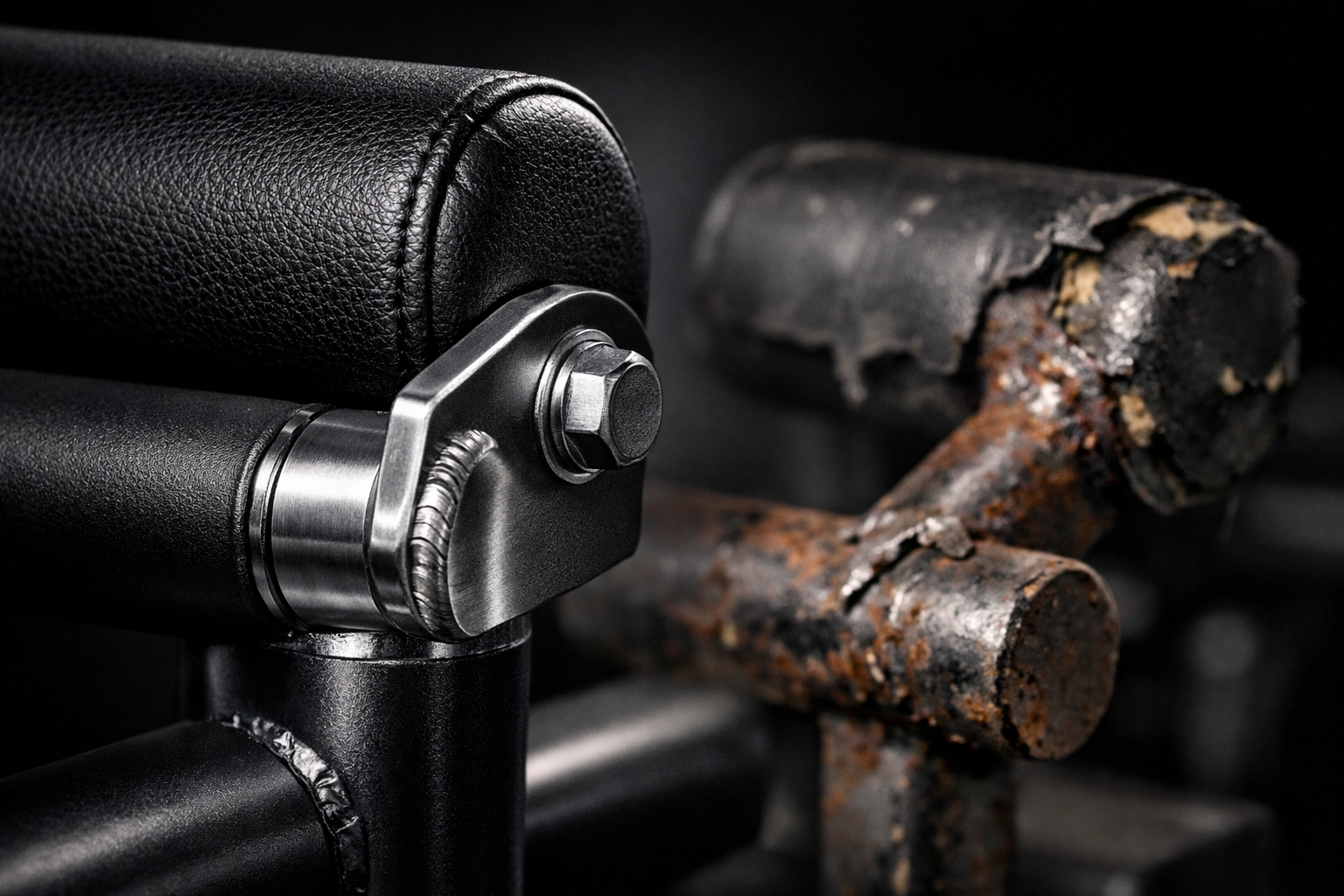
The reality: Cheap home gym equipment breaks. Welds crack. Foam deteriorates. Moving parts seize up. That "$99 pull-up bar" becomes a hospital bill when it tears out of your doorframe mid-set. Low-quality resistance bands snap back into your face. Budget weight benches collapse under normal use.
Beyond safety, cheap equipment just feels wrong. Wobbly. Unstable. It degrades your workout quality and makes training less enjoyable. Eventually, you'll buy the better version anyway: meaning you've now paid for the same thing twice.
The fix: Buy once, cry once. Invest in quality equipment from reputable companies that stand behind their products. Check weight capacities. Read reviews from actual athletes, not just five-star bot spam. Look for robust warranties and responsive customer service.
Quality doesn't always mean most expensive: it means appropriate for your training intensity. A serious CrossFit athlete needs commercial-grade equipment. Someone doing bodyweight and resistance band training needs solid construction but doesn't need to support 500-pound back squats.
At Bold Body Fitness, we engineer our equipment to handle whatever punishment you throw at it. Our Resistance Rail system supports athletes up to 300 pounds and withstands years of intense training because we built it for serious athletes, not casual fitness tourists.
Mistake #6: Not Planning for Progressive Overload
You start strong: crushing workouts, seeing gains, feeling unstoppable. Then you plateau. Hard. Your equipment can't scale with your progress, and you're stuck repeating the same workouts with no way to increase difficulty.
The reality: Progressive overload is non-negotiable for continued strength gains. You need to progressively increase resistance, volume, or complexity. If your equipment can't accommodate advancement, your progress stops.
The fix: Choose equipment that grows with you. Adjustable weight systems. Resistance bands with multiple tension levels. Training tools that support both basic and advanced movement patterns.
For resistance training and calisthenics, this means starting with exercises like regular pull-ups and progressing to weighted pull-ups, muscle-ups, one-arm pull-up progressions, and beyond. Your equipment needs to handle this evolution without requiring complete replacement.
A floor to ceiling gym system offers exceptional scalability. Add resistance bands for assistance or extra challenge. Adjust grip positions to target different muscle groups. Progress from basic movements to advanced skills: all using the same core equipment. This is smart training and smarter spending.
Mistake #7: Forgetting That You Actually Need to Use This Stuff
This is the most common and most painful mistake: buying equipment based on fantasy rather than reality.
You imagine yourself doing two-hour workouts every morning. You picture your home gym featured in a fitness magazine. You envision neighbors asking for training advice because you're so obviously jacked.
Then reality hits. The equipment sits unused. Your motivation vanishes. That spare bedroom becomes storage. Your "home gym" becomes a monument to good intentions and wasted money.
The reality: The best home gym equipment is the equipment you'll actually use consistently. Not the most expensive. Not the most impressive. Not the setup that looks best on Instagram. The one you'll train with regularly.
The fix: Be ruthlessly honest about your training style and preferences. Do you genuinely enjoy running, or do you just think you should? Will you really do those complicated cable machine exercises, or do you prefer simple, effective movements?
Consider your schedule, space, and actual fitness goals. Buy equipment that makes training easier and more enjoyable, not harder and more complicated. Remove barriers to working out rather than adding them.
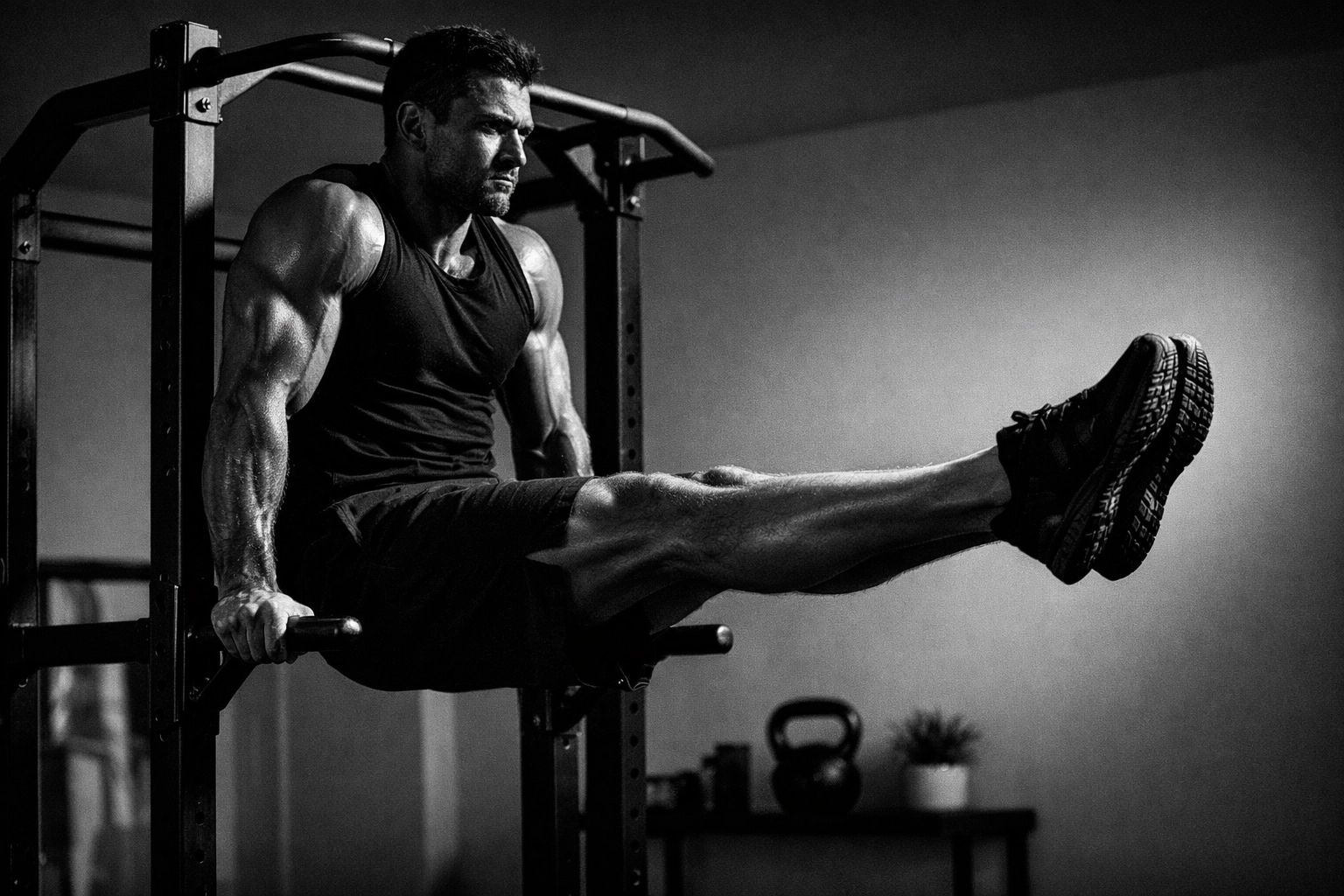
This is why minimalist setups often outperform elaborate home gyms. A versatile system that you can set up in minutes, use for a full body workout at home, and store without hassle beats an intimidating equipment collection that requires 20 minutes just to prepare.
Building a Home Gym That Actually Works
Here's the bottom line: Your home gym should empower your training, not complicate it.
The most effective home gym setups share common traits:
- Space-efficient: They fit your available area without overwhelming it
- Versatile: They support multiple training modalities and progress with you
- Durable: They're built to withstand years of intense use
- Convenient: They're quick to set up and actually enjoyable to use
- Smart: They solve real training problems rather than creating new ones
Whether you're training for ninja warrior competitions, building gymnastics strength, preparing for MMA fights, or pursuing calisthenics mastery, your equipment should support these goals: not hinder them.
Stop making the mistakes that drain your wallet and derail your progress. Choose equipment that works as hard as you do. Your future self will thank you when you're crushing PRs in a home gym that actually delivers results.
Ready to build a smarter home gym setup? Check out our complete equipment collection designed specifically for serious athletes who demand performance without compromise.
Your training deserves better than makeshift solutions and Amazon's cheapest option. Invest in quality, versatile equipment that transforms your space into a legitimate training facility. Because the only thing worse than not having a home gym is having one full of equipment you can't or won't use.
Now stop reading and start training. Your home gym is waiting.
