
You dropped serious cash on your home gym. You cleared out the garage. You committed. And yet... the gains aren't coming.
What gives?
Here's the brutal truth: your home gym setup might be actively working against you. Not because you're lazy. Not because you lack discipline. But because you made some critical mistakes that are sabotaging every rep, every set, and every drop of sweat you pour into your training.
Whether you're a calisthenics beast, a CrossFit warrior, an MMA fighter, or a ninja warrior competitor, these seven mistakes are the silent killers of progress. Let's expose them: and fix them today.
Mistake #1: You Didn't Measure Your Space (And Now You're Stuck)
This one sounds basic. It's not.
You bought that power rack because it looked sick online. Now it's crammed in your basement with six inches of clearance, and you can't even do a proper overhead press without scraping your knuckles on the ceiling.
Sound familiar?
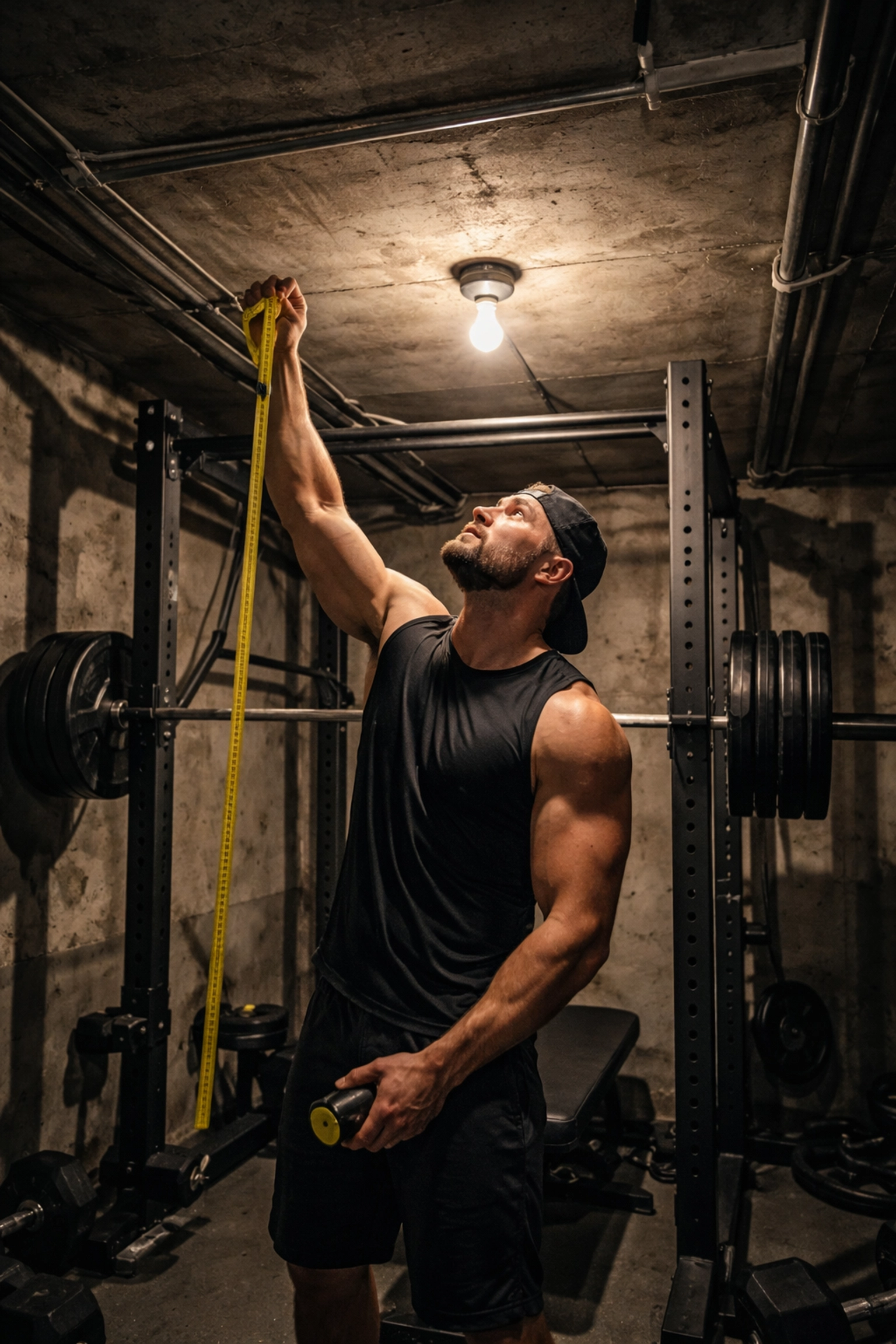
Failing to measure your gym space: including ceiling height, floor dimensions, and clearance for movement: is one of the most expensive mistakes you can make. That "deal" you scored becomes dead weight when you can't actually use the equipment.
The Fix: Before you buy anything, grab a tape measure. Account for flooring thickness if you're adding mats. Think about the movements you'll perform, not just the equipment footprint. If you're working with limited space, look into a versatile home gym setup that maximizes training options without eating up square footage.
Mistake #2: You Went Cheap on Equipment
We get it. Budget matters. But there's a difference between being smart with money and being reckless with your safety.
That $40 doorframe pull-up bar? It's going to wobble. It's going to damage your trim. And eventually, it's going to fail mid-rep when you're cranking out muscle-ups.
Cheap equipment doesn't just underperform: it's dangerous. Plates crack. Bars bend. Cables snap. And when you're pushing your limits in resistance training, equipment failure can mean serious injury.
The Fix: Invest in quality from reputable companies that understand what serious athletes need. You don't need to buy everything at once. Start with one solid piece of home gym equipment that earns its place in your training. At Bold Body Fitness, we build gear specifically for athletes who refuse to compromise.
Mistake #3: You Have No Clear Training Goals
Your gym is stuffed with random equipment. A treadmill. Some resistance bands. A dusty ab roller. A kettlebell you used twice.
Why? Because you bought without a plan.
When you don't define clear fitness goals, you impulse-buy equipment that doesn't serve your actual training needs. You end up with an expensive storage unit instead of a functional training space.
The Fix: Get specific. Are you training for a ninja warrior competition? You need grip strength tools and pull-up variations. Preparing for MMA? Functional strength and explosive power are your priorities. Building a calisthenics foundation? Bodyweight training at home requires equipment that supports progressions: not machines that lock you into fixed movement patterns.
Define your goals first. Then build your gym around them.

Mistake #4: Your Equipment Has Zero Versatility
Here's where most home gyms fail spectacularly.
You bought a single-purpose machine. Maybe it's a lat pulldown station. Maybe it's a leg extension machine. Whatever it is, it does one thing: and now it takes up half your training space.
For serious athletes: especially those doing full body workouts at home: versatility isn't a luxury. It's a requirement.
A CrossFit athlete needs to transition between pull-ups, rows, and core work seamlessly. A gymnast needs rings, bars, and resistance options. An MMA fighter needs functional movement patterns, not isolated muscle pumps.
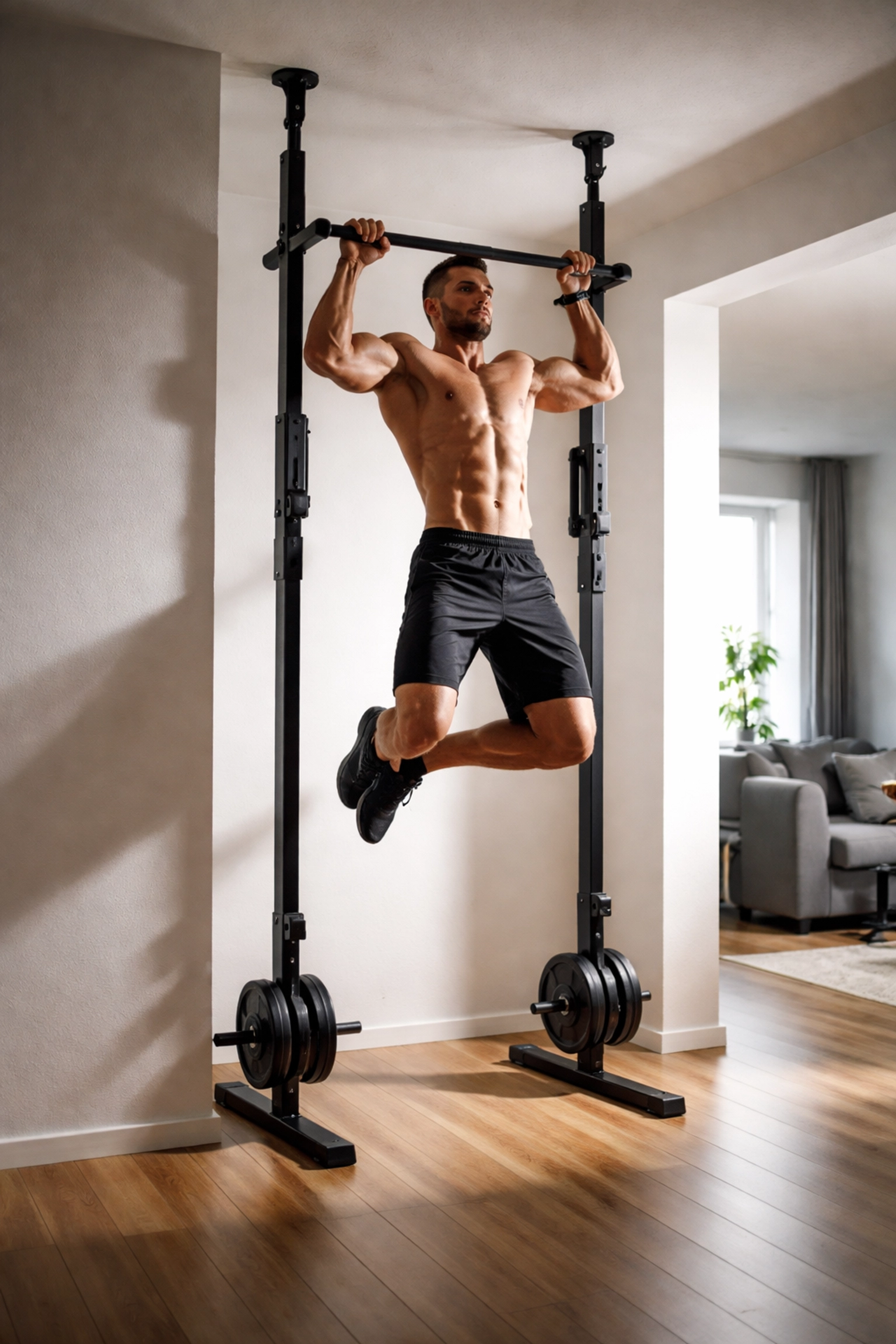
The Fix: Prioritize multi-use equipment that adapts to your training, not the other way around. This is exactly why we designed the Resistance Rail: a floor to ceiling gym system that supports pull-ups, resistance band work, suspension training, and more. One piece of calisthenics equipment for home that replaces an entire gym's worth of single-use machines.
Mistake #5: You Ignored Your Flooring
You're deadlifting on concrete. Doing burpees on carpet. Dropping weights on hardwood.
Your floors hate you. Your joints hate you. Your landlord definitely hates you.
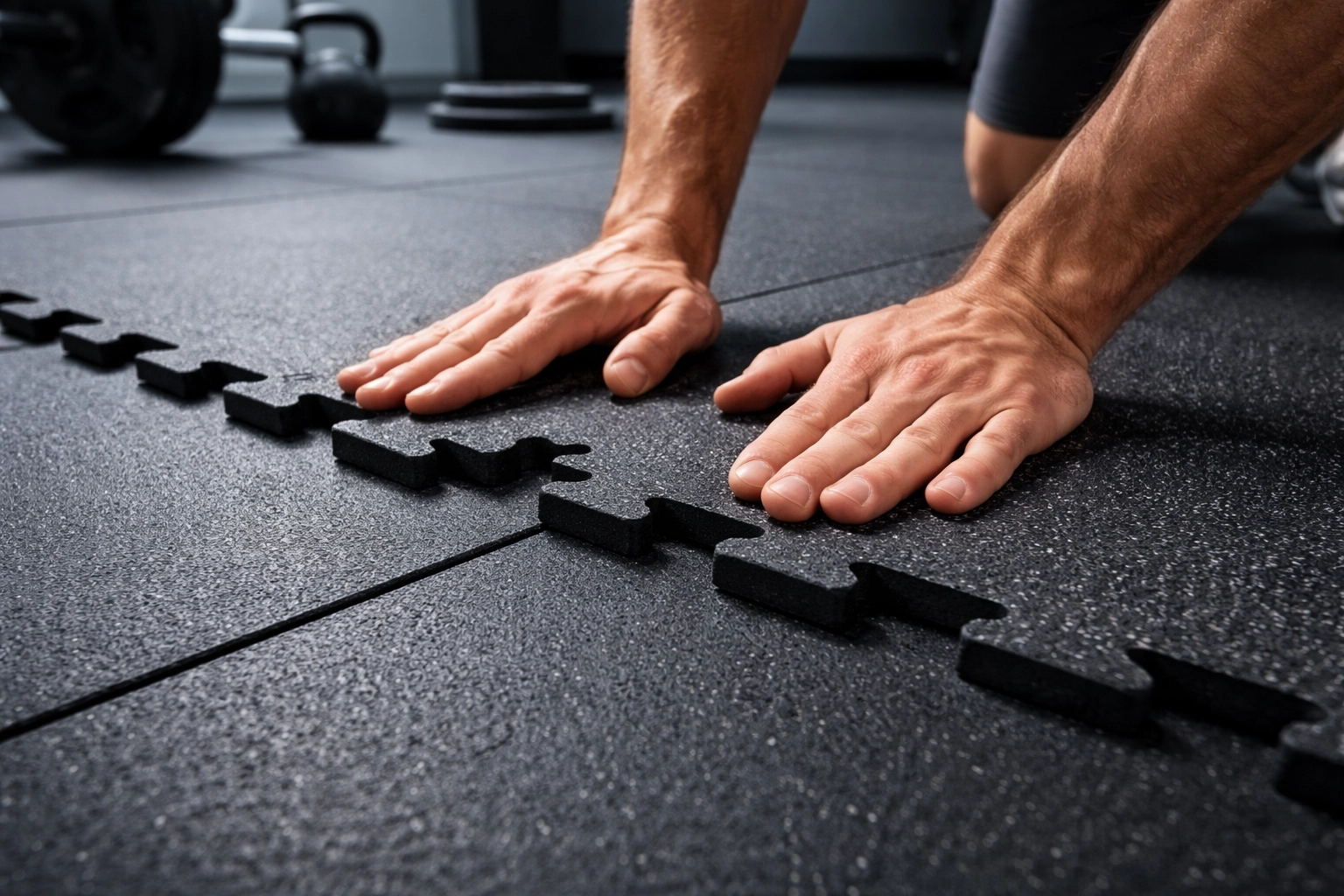
Neglecting gym flooring isn't just uncomfortable: it damages your equipment, destroys your floors, and creates an unstable surface that compromises your form on heavy lifts.
The Fix: Invest in proper gym flooring. Rubber mats or interlocking tiles protect your floors, absorb impact, reduce noise, and give you a stable foundation for every lift. This is especially critical if you're building a no wall damage workout system: protecting your space is part of the game.
Mistake #6: Your Form Is Trash (And You Don't Even Know It)
You've got the equipment. You've got the space. But every rep looks like a cry for help.
Bad form doesn't just limit your gains: it guarantees injury. And in a home gym, there's no trainer watching your back. No spotter calling out your mistakes. Just you, your ego, and a one-way ticket to snap city.
This is especially dangerous for advanced movements. Kipping pull-ups with sloppy mechanics destroy shoulders. Heavy squats with a rounded back crush spines. Muscle-ups with poor timing wreck elbows.
The Fix: Film yourself. Seriously. Set up your phone and record your lifts. Compare your form to expert demonstrations. Start lighter than your ego wants and master the movement pattern before adding load. If you're serious about bodyweight training at home, perfect your basics first: dead hangs, strict pull-ups, controlled dips: before chasing the flashy stuff.
Mistake #7: You're Going Too Hard Too Fast
Day one in the new home gym and you're attempting one-rep maxes. Week one and you're training six days straight. Month one and you're burnt out, beat up, and wondering why your body feels like it's falling apart.
We love the enthusiasm. But sustainable progress doesn't come from redlining every session.
Going too hard too fast spikes your injury risk, tanks your recovery, and builds bad habits that'll haunt your training for years.
The Fix: Warm up properly: 5-10 minutes minimum with dynamic movements that prepare your body for work. Progress gradually in weight, reps, and intensity. Vary your tempo. Emphasize the eccentric (lowering) phase to build control and mind-muscle connection. Training smart beats training hard every single time.
Build a Home Gym That Actually Works
Here's the bottom line: your home gym should be a weapon, not an obstacle.
Every piece of equipment should serve a purpose. Every inch of space should be optimized. Every training session should move you closer to your goals: not sideline you with injuries or frustration.
At Bold Body Fitness, we build equipment for athletes who take this seriously. The Resistance Rail Standard is designed as the ultimate pull up bar alternative: a floor to ceiling gym that delivers maximum versatility with zero wall damage. Perfect for renters. Perfect for small spaces. Perfect for athletes who demand more from their training.
No more excuses. No more wasted money on equipment that collects dust. No more gains left on the table.
Fix these seven mistakes, dial in your setup, and watch what happens when your home gym finally starts working for you instead of against you.
Your gains are waiting. Go get them.
Ready to upgrade your home gym with equipment built for serious athletes? Check out the full lineup at our shop and see why CrossFit athletes, ninja warriors, and calisthenics practitioners trust Bold Body Fitness.
