
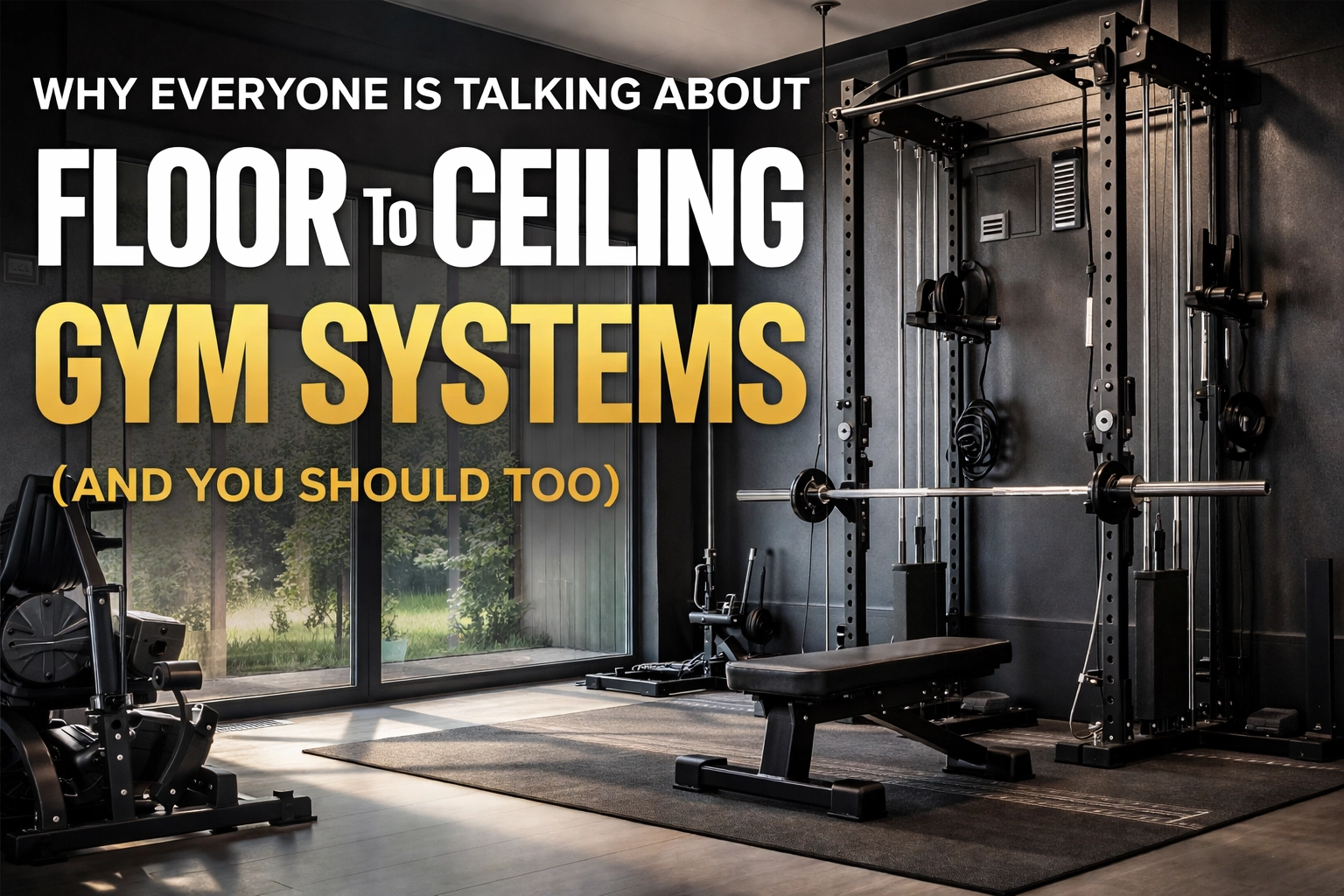
Let's cut straight to it. The fitness world is buzzing about floor-to-ceiling gym systems, and it's not just hype. Whether you're a ninja warrior training for competition, a CrossFit athlete grinding through WODs, or a calisthenics practitioner chasing that perfect muscle-up, this equipment trend is revolutionizing how serious athletes train at home.
Gone are the days when building a versatile home gym meant drilling massive holes into your walls, sacrificing your security deposit, or cramming bulky equipment into every corner. Floor-to-ceiling gym systems are changing the game: and if you're still relying on outdated doorway bars or expensive commercial memberships, you're leaving gains on the table.
What Exactly Is a Floor-to-Ceiling Gym System?
A floor-to-ceiling gym system is exactly what it sounds like: a vertical training station that anchors between your floor and ceiling using tension or compression: no drilling, no permanent fixtures, no structural damage to your space.
Think of it as the ultimate pull-up bar alternative that doesn't stop at pull-ups. These systems typically feature multiple attachment points for resistance bands, gymnastic rings, suspension trainers, and various grip options. The result? A complete bodyweight training at home setup that takes up minimal floor space while maximizing your training potential.

Unlike traditional wall-mounted rigs that require studs, anchors, and a commitment to your current living situation, floor-to-ceiling systems are designed for flexibility. Moving to a new apartment? Take it with you. Renting? No problem. Want to train in different rooms depending on the weather or your mood? Done.
The Space Problem Every Home Gym Owner Faces
Here's the brutal truth about home gym equipment: most of it is designed for people with dedicated garage gyms or basement setups. Squat racks, cable machines, power towers: they all assume you have unlimited square footage and zero concern about aesthetics.
But most of us? We're working with spare bedrooms, studio apartments, or shared living spaces. We need equipment that performs without taking over our lives.
Floor-to-ceiling gym systems solve this by using vertical space that would otherwise go completely unused. While your floor remains clear for yoga, stretching, or additional exercises, you've got a fully functional training station overhead ready for action.
This space optimization isn't just convenient: it's strategic. Research shows that the most effective home gyms prioritize versatility over quantity. One well-designed piece of equipment that handles multiple exercises will always outperform a cluttered collection of single-purpose machines.
Why Serious Athletes Are Making the Switch
Let's talk about who's actually benefiting from this trend. It's not casual gym-goers looking for an easy workout. It's dedicated athletes who demand performance from their equipment.
Ninja Warriors and Obstacle Course Racers
Grip strength, pulling power, and hanging endurance are non-negotiable for obstacle course racing. Floor-to-ceiling systems provide the perfect platform for dead hangs, varied grip pull-ups, and transitional movements that mimic competition obstacles. The ability to attach different grip implements means you can train specificity without building a full ninja gym in your backyard.

CrossFit Athletes
The CrossFit home gym setup has always been challenging because the sport demands such variety. Floor-to-ceiling systems accommodate kipping pull-ups, toes-to-bar, muscle-up progressions, and ring work: all movements that appear regularly in WODs. Add resistance bands for assisted movements or extra difficulty, and you've got scalable training for any fitness level.
Calisthenics Practitioners
For those pursuing calisthenics equipment for home training, these systems are a goldmine. Front lever progressions, back lever training, skin-the-cats, and advanced hanging core work all require stable overhead anchor points. The vertical design also provides clearance for full range-of-motion movements that doorway bars simply can't accommodate.
MMA Fighters and Grapplers
Functional strength for combat sports requires unusual movement patterns and grip demands. Floor-to-ceiling systems allow fighters to train pulling strength, rotational core power, and grip endurance in positions that translate directly to the mat or cage.
Gymnasts
Even competitive gymnasts use these systems for supplemental training. Ring strength, flexibility work, and conditioning drills all benefit from having a reliable home training station that doesn't require a trip to the gym.
The No-Damage Advantage
Let's address the elephant in the room: renters and homeowners alike are tired of destroying their walls in the name of fitness.
A no wall damage workout system isn't just about protecting your security deposit: though that's certainly a factor. It's about respecting your living space while refusing to compromise on training quality.
Traditional wall-mounted equipment requires:
- Finding and drilling into structural studs
- Dealing with drywall repair when you move or change setups
- Permanent commitment to equipment placement
- Potential structural concerns with older homes
Floor-to-ceiling systems eliminate all of these headaches. The tension-based mounting distributes force evenly without penetrating surfaces. When you're done: whether that's for the day or permanently: your home looks exactly as it did before.
At Bold Body Fitness, we've built our entire product line around this philosophy. The Resistance Rail exemplifies what a modern floor-to-ceiling gym system should be: rock-solid stability, multiple training options, and zero damage to your space.
Full Body Training Without Compromise
The best full body workout at home doesn't require dozens of machines. It requires intelligent equipment that adapts to your training needs.
Floor-to-ceiling gym systems excel here because they support:
Upper Body Pulling: Pull-ups, chin-ups, inverted rows, and hanging variations
Upper Body Pushing: Ring dips, push-up variations with elevated feet, and tricep extensions
Core Work: Hanging leg raises, knee tucks, windshield wipers, and L-sits
Lower Body: Pistol squat assistance, Nordic curl anchoring, and resistance band exercises
Full Body: Muscle-ups, burpee pull-ups, and complex movement combinations

This versatility means your resistance training never gets stale. Progressive overload becomes a matter of creativity and effort rather than equipment limitations.
What to Look For in a Floor-to-Ceiling System
Not all systems are created equal. When shopping for your setup, prioritize these factors:
Weight Capacity: Serious training means dynamic movements with momentum. Your system needs to handle peak forces, not just static weight.
Ceiling Height Compatibility: Most homes have 8-10 foot ceilings. Ensure your system adjusts to your specific measurements.
Attachment Options: The more connection points, the more exercises you can perform. Look for systems with multiple anchor points at varying heights.
Build Quality: This isn't the place to cut corners. Steel construction and quality hardware separate legitimate training equipment from flimsy fitness gimmicks.
Ease of Installation: If it takes four hours and an engineering degree, you'll dread moving it. The best systems install in minutes with basic tools.
The Resistance Rail Deluxe checks all these boxes, which is why athletes across disciplines are making it their go-to home training solution. You can see how other athletes have incorporated it into their training by exploring our calisthenics home gym guide.
The Bottom Line
Floor-to-ceiling gym systems aren't a trend: they're an evolution. As more athletes discover that effective training doesn't require massive equipment investments or permanent home modifications, these systems will continue gaining popularity.
The question isn't whether this equipment makes sense. It's whether you'll adapt now or keep struggling with inferior alternatives while everyone else levels up their home training.
Ready to build your versatile home gym without the compromises? Visit the Bold Body Fitness shop and discover why serious athletes are making the switch to floor-to-ceiling training systems.
Your walls will thank you. Your gains will speak for themselves.
