
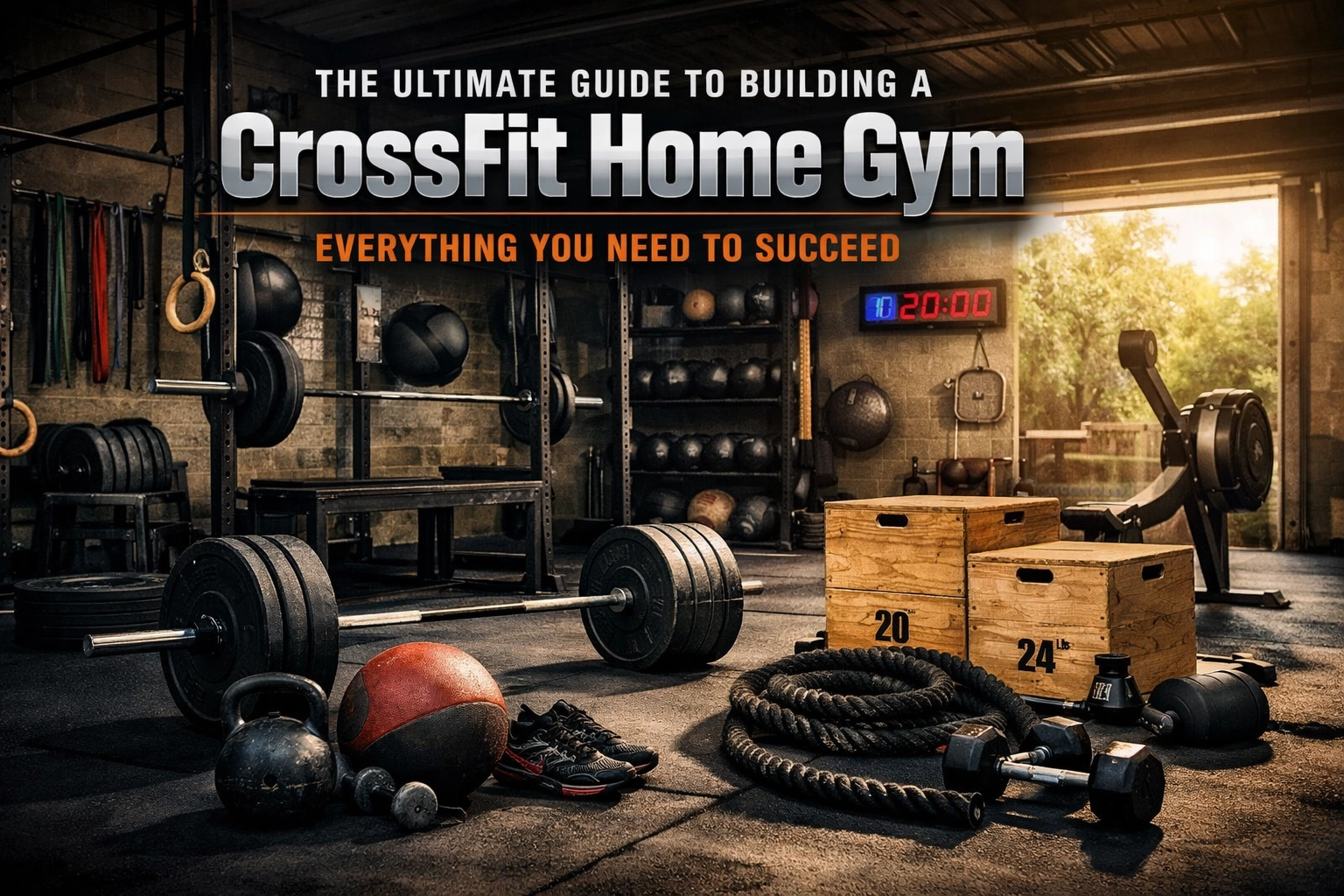
Let’s be real: the "box" is great, but the commute, the monthly fees, and the guy who never wipes down the rower? Not so much. If you’re a serious athlete: whether you’re crushing WODs, training like a Ninja Warrior, or perfecting your L-sit: the ultimate goal is a space of your own.
Building a crossfit home gym isn't just about throwing some weights in a garage. It’s about creating a powerhouse of performance that fits your life and your space. At Bold Body Fitness, we believe your home should be your primary training ground. You don’t need 5,000 square feet; you need the right gear and a bold mindset.
In this guide, we’re breaking down exactly how to build a high-performance, versatile home gym that targets everything from Olympic lifting to high-level bodyweight training at home.
The Foundation: Why Home Training Wins
Before we get into the nuts and bolts, let’s talk about why you’re doing this. A home setup gives you 24/7 access to your goals. No more waiting for the squat rack. No more "closed for the holidays."
For the MMA fighter, it’s about supplemental conditioning. For the gymnast, it’s about consistent floor work. For the CrossFit athlete, it’s about volume. To succeed, you need a setup that allows for a full body workout at home without the limitations of commercial gym crowds.
Phase 1: The Core Essentials (The "Must-Haves")
If you’re starting from scratch, don’t buy the shiny stuff first. You need the tools that offer the highest ROI for your strength and metabolic conditioning.
1. The Barbell and Bumper Plates
The barbell is the undisputed king of the home gym. If you want to move heavy weight, you need a high-quality Olympic bar and bumper plates. Why bumpers? Because in a home setting, you’re going to drop the weight. Bumper plates protect your floor and your sanity.
2. High-Impact Flooring
Do not skip this. Whether you’re in a garage or a spare room, you need rubber stall mats or high-density tiles. This isn’t just about protecting the concrete; it’s about joint health and noise reduction.
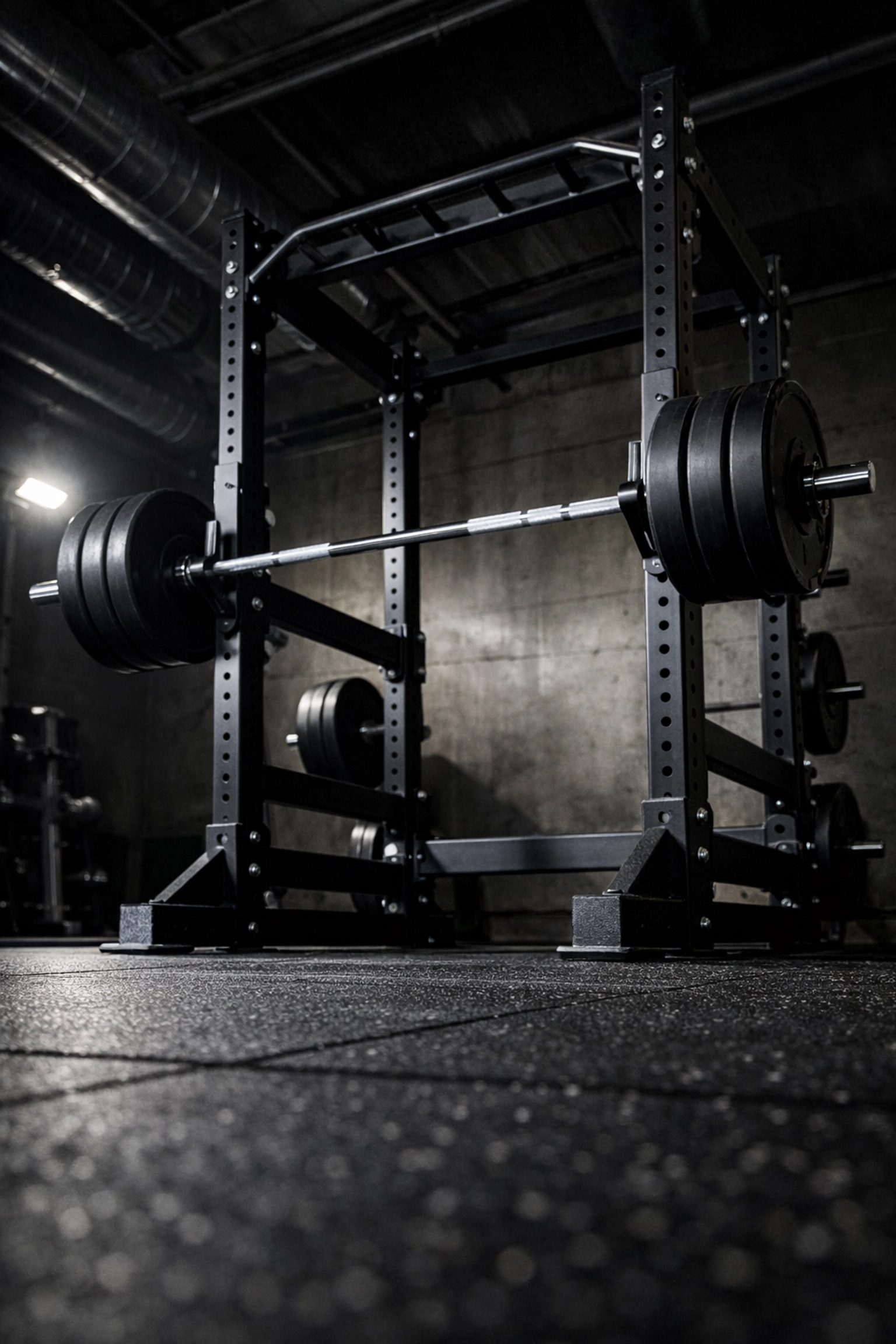
3. A Squat Rack or Power Cage
You can’t hit a new PR on your back squat if you’re trying to clean the weight into position every time. A solid rack is the centerpiece of any crossfit home gym. If you're tight on space, look for folding racks or wall-mounted options.
Phase 2: Solving the Space & Rental Problem
One of the biggest hurdles athletes face is the "damage" factor. Traditional pull-up bars and rigs require drilling massive bolts into your studs. If you’re renting or you don’t want to tear up your walls, you need a no wall damage workout system.
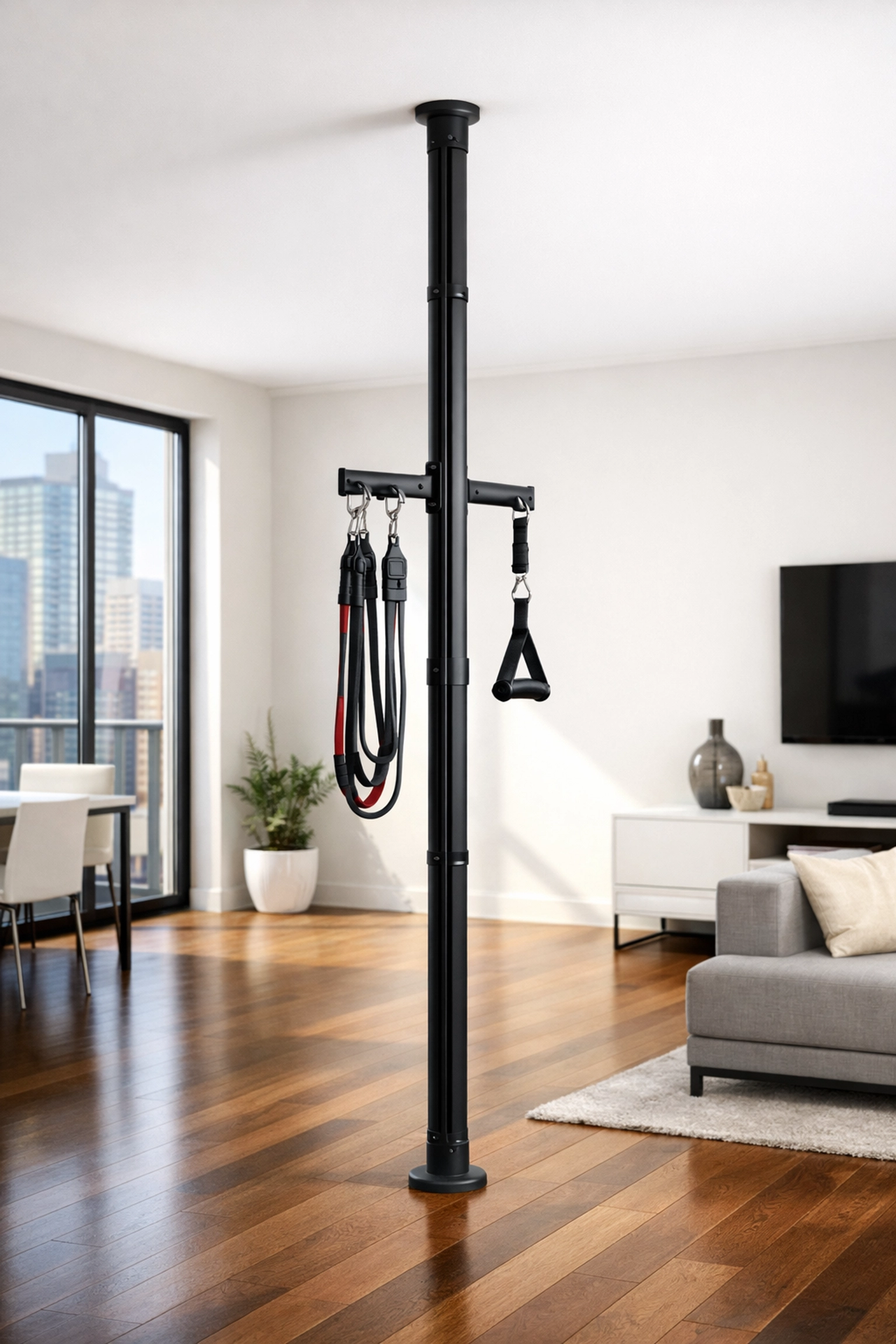
This is where the Resistance Rail from Bold Body Fitness changes the game.
Traditional setups are static. The Resistance Rail is a floor to ceiling gym solution that allows for incredible versatility without the permanent commitment of a bolted rig. It serves as a superior pull up bar alternative and a mounting point for resistance training bands, allowing you to scale your movements or add intensity where you need it most.
Whether you're doing banded deadlifts or training for Ninja Warrior obstacles, having a vertical mounting system that doesn't ruin your drywall is the holy grail of home fitness. Check out our Resistance Rail Standard to see how it fits into your layout.
Phase 3: Conditioning and Explosive Power
CrossFit is nothing without the "MetCon." Once your strength foundation is set, you need to drive that heart rate up.
- The Rower or Bike: If you have the budget, a Concept2 Rower is the gold standard. It’s low impact and hits every muscle group. If space is at a premium, an Echo Bike or Assault Bike provides a brutal stimulus in a small footprint.
- Kettlebells and Dumbbells: Essential for unilateral work and high-repetition conditioning. A pair of 35lb and 50lb dumbbells can cover 90% of your metabolic needs.
- The Plyo Box: Box jumps, step-ups, and even box dips. It’s a simple tool that builds explosive power.
Phase 4: Calisthenics and Gymnastics
For gymnasts and calisthenics practitioners, your body is the machine. But you still need the right calisthenics equipment for home to progress to those advanced movements like muscle-ups or levers.
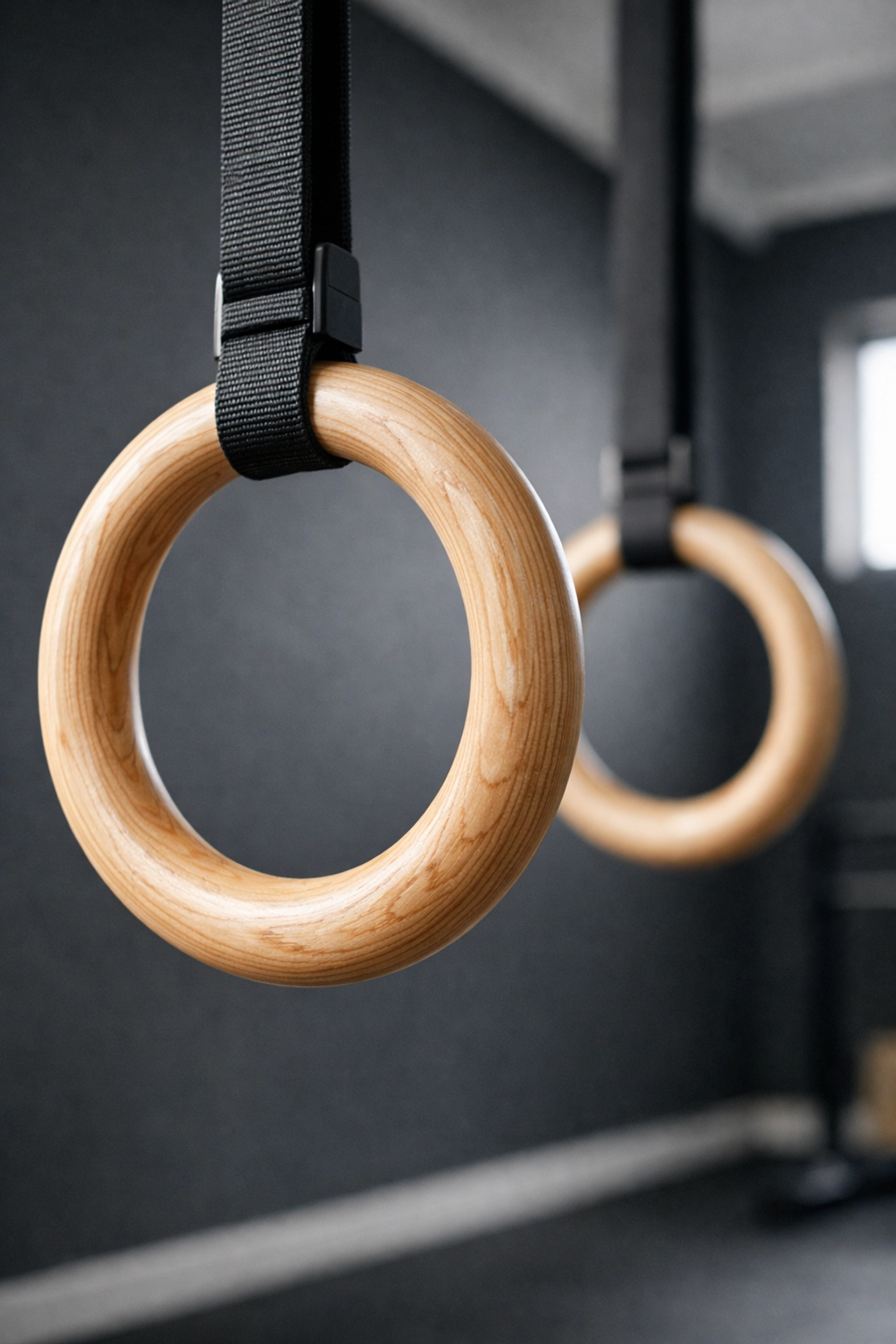
Gymnastics Rings
Rings are perhaps the most versatile tool you can own. Hang them from your rack or your Resistance Rail. They force stabilization that a fixed bar simply can’t match.
Parallettes
Essential for L-sits, handstand push-ups, and planche work. They take the pressure off your wrists and allow for a deeper range of motion.
Designing Your Layout for Flow
A cluttered gym is a gym you won’t use. When setting up your versatile home gym, think about "zones."
- The Lifting Zone: Keep your rack and barbell clear of obstacles. You need a 10x10 space to safely move.
- The Metabolic Zone: Place your rower or bike against a wall when not in use.
- The Bodyweight Zone: Use your floor to ceiling gym system as the hub for your bands, rings, and pull-up work.
By keeping the center of the room open, you leave space for burpees, double-unders, and mobility work.
The Bold Approach to Resistance Training
Many people think resistance training is just for rehab or "light" days. They’re wrong. Incorporating heavy-duty bands into your home gym setup allows you to mimic cable machines and add variable resistance to your squats and presses.
Using the Bold Body Fitness Resistance Rail, you can adjust the height of your resistance points instantly. This is crucial for MMA fighters practicing take-downs or gymnasts working on eccentric strength for their iron cross.
Budgeting Your Build
You don't need to drop $10k today. Here is the Bold Body Fitness "Phased Build" strategy:
- Month 1: Barbell, 160lbs of Bumper Plates, and Flooring. (Start lifting).
- Month 2: The Resistance Rail and a set of rings. (Add pull-ups and bodyweight training at home).
- Month 3: A single heavy Kettlebell and a Jump Rope. (Conditioning).
- Month 6: A Squat Rack and more plates. (Go for PRs).
Why "No Wall Damage" Matters
We’ve spoken to hundreds of athletes who were sidelined because they didn't have a garage or a basement they could "destroy." The future of the crossfit home gym is portable and non-invasive. When you can set up a high-performance rig in an apartment or a bedroom using a no wall damage workout system, the excuses disappear.
Final Thoughts: Stop Dreaming, Start Building
The "perfect" gym doesn't exist: only the one you actually train in. Whether you're a seasoned CrossFit pro or just starting your journey into calisthenics equipment for home, the key is to prioritize quality over quantity.
Invest in gear that lasts. Invest in gear that adapts to your space. And most importantly, invest in yourself.
Ready to take the first step toward the ultimate home setup? Browse our full shop for the latest in innovative home gym tech. It's time to get bold.
Quick Links for Your Journey:
- Join the conversation in our Community Forum.
- Check out our latest Workout Guides.
- See the Resistance Rail in action here.
