
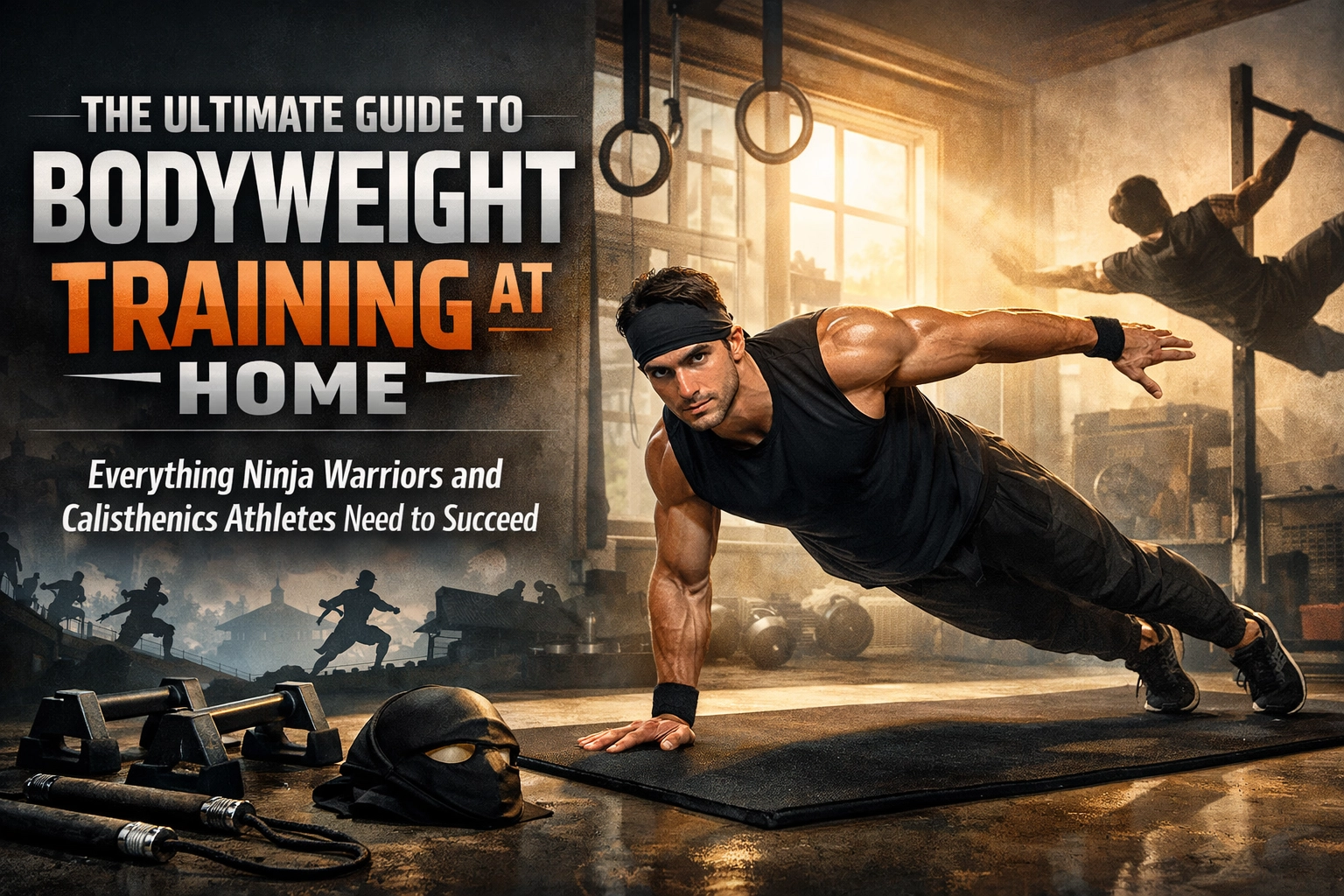
Let's cut through the noise: bodyweight training at home isn't just for beginners doing basic push-ups and squats. If you're a ninja warrior crushing obstacle courses, a calisthenics athlete pushing for that perfect planche, or a CrossFit enthusiast who needs to train when the box is closed: you already know your body is the ultimate piece of equipment.
The problem? Most home setups are either too basic to challenge serious athletes or require drilling holes in every wall until your place looks like Swiss cheese. But here's the thing: you don't need to choose between elite-level training and keeping your security deposit.
Why Bodyweight Training Matters for High-Level Athletes
Think bodyweight training is just a stepping stone to "real" strength work? Tell that to gymnasts throwing iron crosses or MMA fighters who can muscle-up their way out of any position. Bodyweight training at home develops the kind of functional strength, body control, and movement quality that you simply can't get from machines.
For ninja warriors, every obstacle demands explosive power combined with precise body awareness. Calisthenics athletes know that moving hundreds of pounds on a bar means nothing if you can't control your own bodyweight through complex ranges of motion. And CrossFit competitors? You're mixing everything: so mastering your bodyweight foundation is non-negotiable.
The benefits stack up fast:
- Relative strength gains that translate directly to performance
- Joint-friendly training that builds resilience instead of breaking you down
- Movement pattern mastery that improves everything else you do
- Zero commute time so you can train more consistently
- Minimal equipment footprint in your home
The Core Components of Elite Bodyweight Training
Here's what separates weekend warriors from athletes who actually get results with a full body workout at home:
Progressive Overload Without Adding Weight
You can't just do the same 20 push-ups forever and expect to progress. Elite bodyweight training demands constant progression through:
Leverage manipulation: Moving from regular push-ups to archer push-ups to one-arm push-ups changes the mechanical advantage and forces adaptation.
Tempo control: A 5-second negative pull-up builds more strength than cranking out sloppy reps.
Range of motion: Deep deficit push-ups or full ROM handstand push-ups create new stimulus.
Instability training: Rings, suspension training, or unstable surfaces challenge your nervous system in ways fixed equipment can't.
The Movement Categories You Must Master
Forget random workout videos. Structure your training around these fundamental patterns:
Vertical Push: Handstand push-ups, pike push-ups, and variations. This builds shoulder strength crucial for overhead obstacles and advanced calisthenics moves.
Vertical Pull: Pull-ups, chin-ups, muscle-ups. The king of upper body movements. If you're serious about ninja warrior or calisthenics, you should own this pattern completely.
Horizontal Push: Push-ups, planche progressions, pseudo-planche push-ups. These build the chest and front deltoid strength while teaching body tension.
Horizontal Pull: Bodyweight rows, front lever work, Australian pull-ups. The forgotten movement that protects your shoulders and builds thick back muscles.
Lower Body Anterior: Pistol squats, sissy squats, deep step-ups. Single-leg work eliminates strength imbalances and builds ninja-level leg power.
Lower Body Posterior: Single-leg deadlifts, Nordic curls, bridge variations. Your posterior chain powers explosive movements and protects your knees.
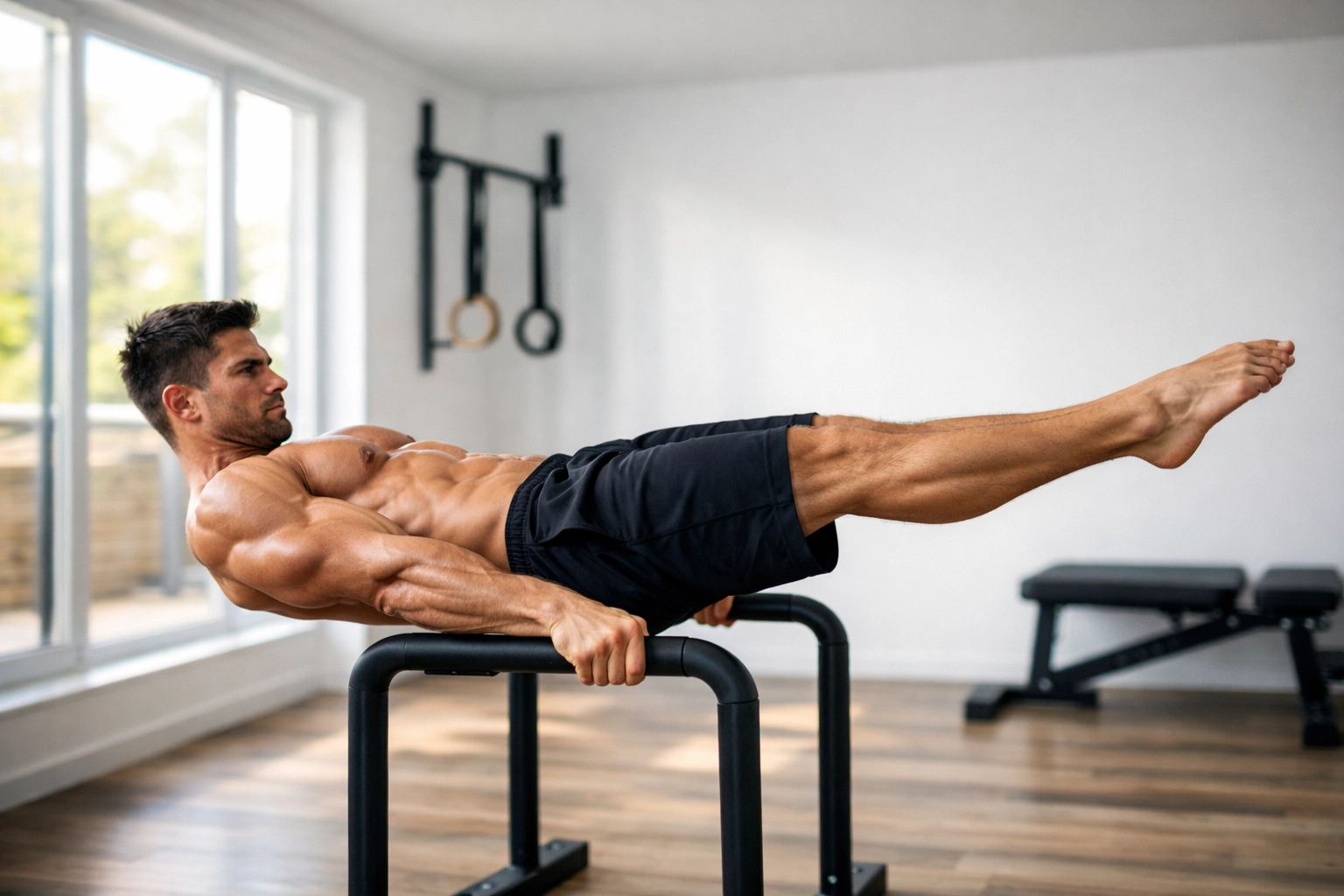
Core & Rotation: Hollow body holds, L-sits, hanging leg raises, dragon flags. A bulletproof core ties everything together.
Setting Up Your Home Training Space
You don't need a warehouse. But you do need smart equipment choices that give you maximum versatility without permanent installations.
The traditional approach? Mount a pull-up bar in a doorway (limited grip options), bolt some rings to your ceiling (hello, landlord issues), and hope you have enough space for floor work. It works, but it's limiting.
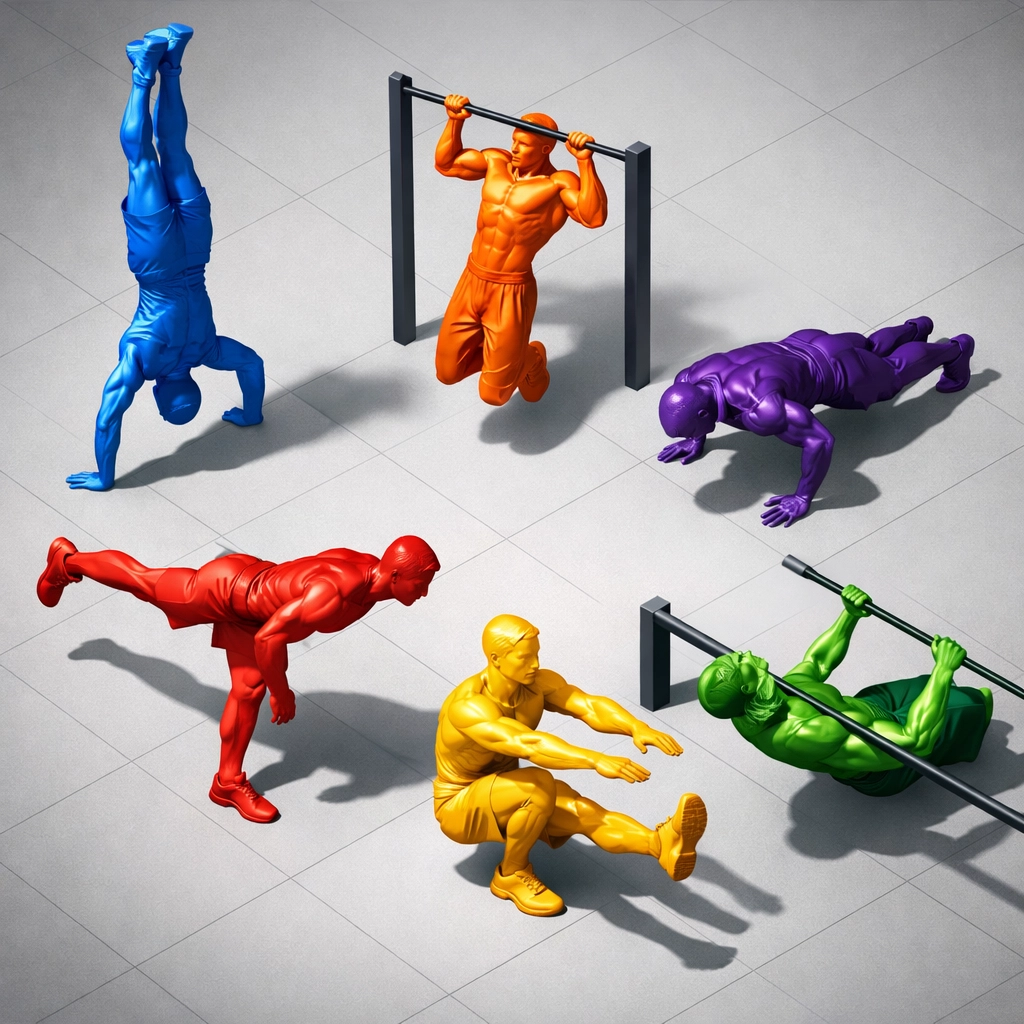
This is where thinking about a versatile home gym setup matters. Look for calisthenics equipment for home that offers multiple training options without requiring construction skills. The best setups let you switch between exercises quickly, adjust resistance easily, and pack down when you need the space back.
For serious athletes, a floor to ceiling gym system delivers the goods. Systems like the Resistance Rail from Bold Body Fitness use tension rather than screws: giving you a pull up bar alternative that doesn't damage walls while supporting advanced movements like muscle-ups, front levers, and everything in between. It's essentially a no wall damage workout system that doesn't compromise on what you can do.
The genius is in the simplicity: floor-to-ceiling tension gives you a stable anchor point for rings, bands, suspension trainers, or bare-handed pulling work. You can adjust height for different exercises. When you're done, it disassembles in minutes. That's the kind of setup that makes sense for athletes who train hard but also have actual lives.
Programming Your Bodyweight Training
Random workouts are great for fitness influencers' engagement metrics. Terrible for actual progress.
The Weekly Split That Works
Option 1: Push/Pull/Legs
- Monday: Vertical & horizontal pushing + core
- Wednesday: Vertical & horizontal pulling + core
- Friday: Lower body + conditioning
- Weekend: Skill work (handstands, muscle-ups, flow)
Option 2: Upper/Lower
- Monday: Upper body emphasis (both push and pull)
- Wednesday: Lower body + core strength
- Friday: Upper body (different exercise variations)
- Sunday: Lower body + skill practice
Option 3: Full Body (for ninja warriors and MMA)
- Monday/Wednesday/Friday: Full body circuits with emphasis rotation
- Maintains work capacity while building strength
- Better for sport-specific conditioning
Sets, Reps, and Intensity
For strength: 3-5 sets of 3-8 reps at high difficulty (near failure)
For hypertrophy: 3-4 sets of 8-15 reps, controlled tempo
For endurance/conditioning: 2-3 sets of 15-30 reps or timed sets
The key? Make it challenging. If you can easily hit the top of your rep range, progress the movement variation.
Essential Exercises for Ninja Warriors and Calisthenics Athletes
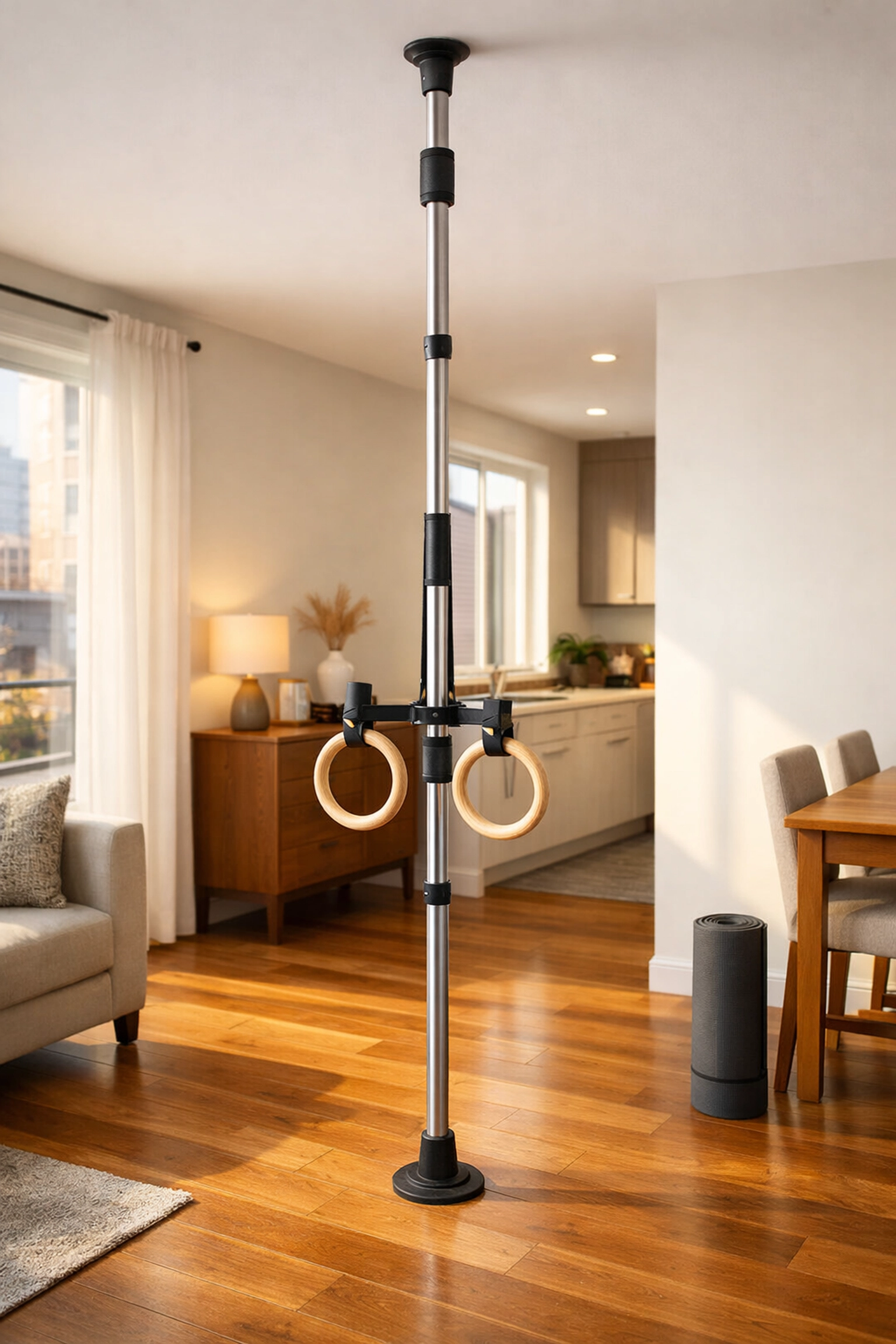
Let's get specific. These movements build the foundation:
The Pulling Progressions
Start where you can do 5 quality reps, then climb the ladder:
- Australian pull-ups (adjust height for difficulty)
- Negative pull-ups (5-second descents)
- Band-assisted pull-ups
- Strict pull-ups (chin over bar, controlled)
- Chest-to-bar pull-ups
- Weighted pull-ups
- L-sit pull-ups
- Muscle-ups
- Front lever progressions
- One-arm pull-up work
The Pushing Progressions
- Incline push-ups
- Regular push-ups (chest to floor)
- Deficit push-ups
- Archer push-ups
- Pseudo-planche push-ups
- Ring push-ups
- Pike push-ups
- Wall handstand push-ups
- Freestanding handstand push-ups
- Planche work
Core and Leg Essentials
Core: Master the hollow body hold (60+ seconds), then progress through hanging knee raises, toes-to-bar, windshield wipers, L-sits, and dragon flags.
Legs: Build single-leg strength through Bulgarian split squats, then progress to assisted pistol squats, full pistol squats, and shrimp squats. Add Nordic curls and single-leg deadlifts for posterior chain development.
Avoiding the Common Pitfalls
Pitfall #1: Ego Training
Doing crappy muscle-ups doesn't make you strong: it makes you injured. Focus on quality reps through full range of motion. If you can't control the movement, regress to a variation you can own completely.
Pitfall #2: Neglecting Fundamentals
That fancy planche might look cool on Instagram, but if you can't hold a 90-second plank or do 20 perfect push-ups, you're building a house on sand. Master the basics first.
Pitfall #3: No Periodization
You can't go 100% intensity every session. Wave your training intensity across weeks. Push hard, then dial it back for recovery. Your body needs time to adapt.
Pitfall #4: Ignoring Mobility
Tight shoulders, hips, and ankles will cap your progress fast. Spend 10 minutes before and after training working on mobility. Your future self will thank you.
Recovery and Progression Strategies
Elite bodyweight training is demanding. Your nervous system takes a beating when you're working at high intensities with complex movements. Recovery isn't optional: it's part of the training program.
Sleep: Aim for 7-9 hours. Non-negotiable for strength gains and skill acquisition.
Nutrition: Fuel your training. You need adequate protein (0.8-1g per pound of bodyweight) and enough carbs to power high-intensity sessions.
Active recovery: Light movement, yoga, or mobility work on off days keeps blood flowing without adding stress.
Deload weeks: Every 4-6 weeks, reduce volume by 40-50%. You'll come back stronger.

Making It Work Long-Term
Here's the reality check: the best training program is the one you'll actually do consistently. That means:
Keep it simple: Don't overcomplicate your setup or programming. Get solid equipment, follow a proven structure, and show up.
Track your progress: Write down your workouts. When you see that you've gone from 5 pull-ups to 15, that's fuel to keep pushing.
Find your community: Whether it's online forums, local ninja warrior gyms, or training partners, surrounding yourself with people chasing similar goals keeps you accountable.
Invest wisely: Quality equipment pays for itself in consistency. When training at home is easy and effective, you'll do it more often. Check out the Bold Body Fitness shop for equipment designed specifically for serious home athletes.
Your Next Steps
Stop waiting for the perfect setup or the perfect program. Start with what you have:
-
This week: Assess your current ability in each movement pattern. Where are you weakest?
-
This month: Pick a training split that fits your schedule and stick to it for 4 weeks minimum.
-
This quarter: Set one specific goal (first muscle-up, 20 pull-ups, 60-second handstand, sub-3-minute Fran at home).
The beautiful thing about bodyweight training at home is that it scales infinitely. Whether you're building your first pull-up or training for American Ninja Warrior, the principles stay the same: consistent progressive overload, quality movement, smart recovery, and the right setup that doesn't limit what you can do.
Your home gym doesn't need to be Instagram-perfect. It needs to be functional, versatile, and ready when you are. Now stop reading and go train.
