
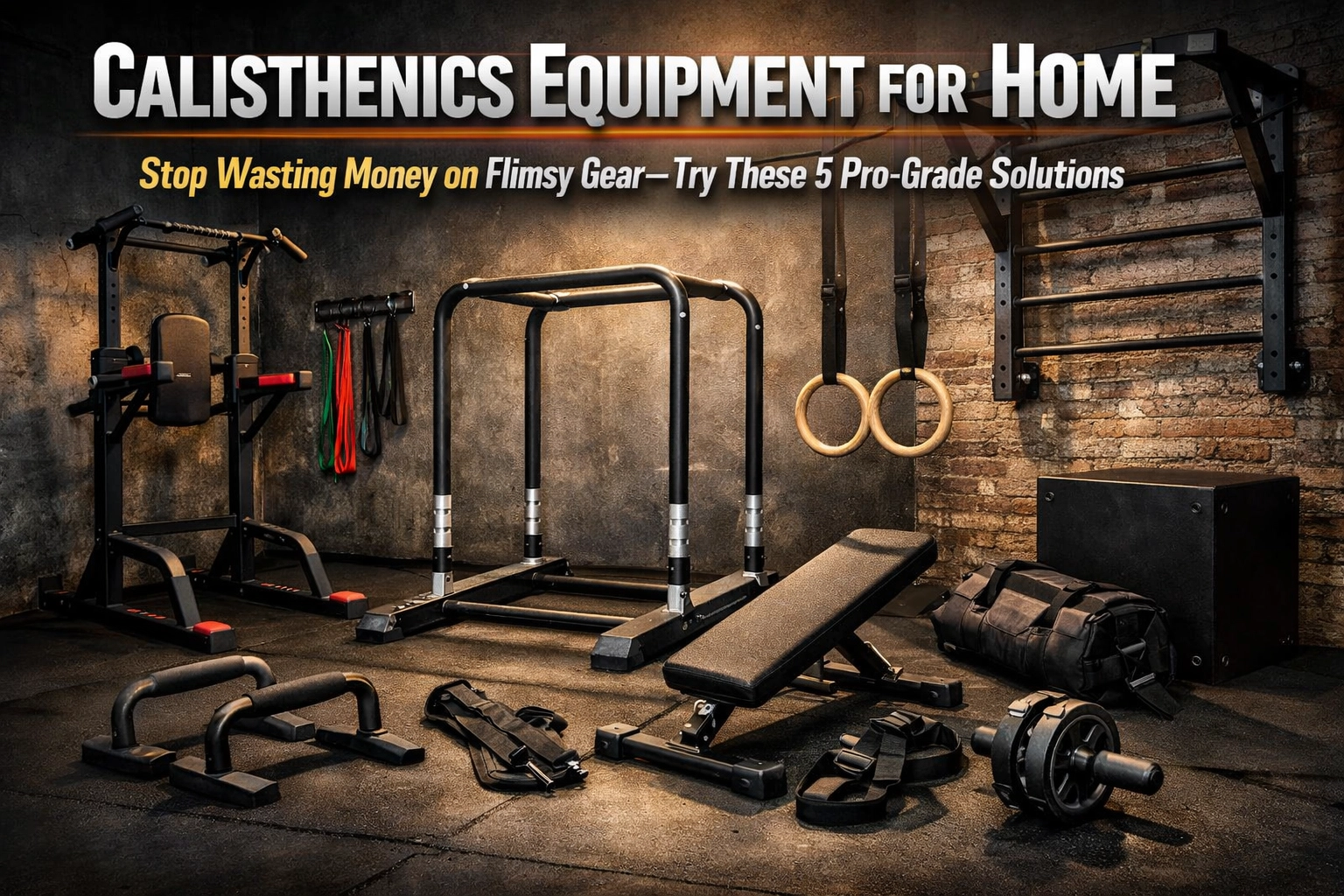
Let's be real, most home gym equipment is garbage. You know it, I know it. Those cheap pull-up bars that bend under pressure, parallettes that wobble when you shift your weight, and dip stations that feel like they're about to collapse mid-rep? They're not just a waste of money, they're dangerous.
If you're serious about calisthenics equipment for home, you need gear that can handle punishment. Whether you're a CrossFit athlete grinding through AMRAPs, an MMA fighter building functional strength, or a gymnast perfecting your muscle-up, flimsy equipment will hold you back (or worse, send you to the emergency room).
After years of testing equipment and watching athletes trash subpar setups, I've narrowed it down to five pro-grade solutions that actually deliver. These aren't just "good enough", they're the foundation of a legitimate home gym setup that rivals what you'd find in elite training facilities.
1. Gymnastic Rings: The Ultimate Versatility Play
Here's something most people don't realize: gymnastic rings are the single most versatile piece of calisthenics equipment you can own. Period.
Think about it. With one set of rings, you can perform muscle-ups, dips, rows, L-sits, archer push-ups, front lever progressions, and literally hundreds of other movements. They're unstable by design, which means every exercise becomes a full-body workout that hammers your stabilizer muscles.
But here's the catch, not all rings are created equal. Cheap plastic rings will crack. Thin straps will fray. And low-quality buckles? They'll fail right when you're inverted and vulnerable.
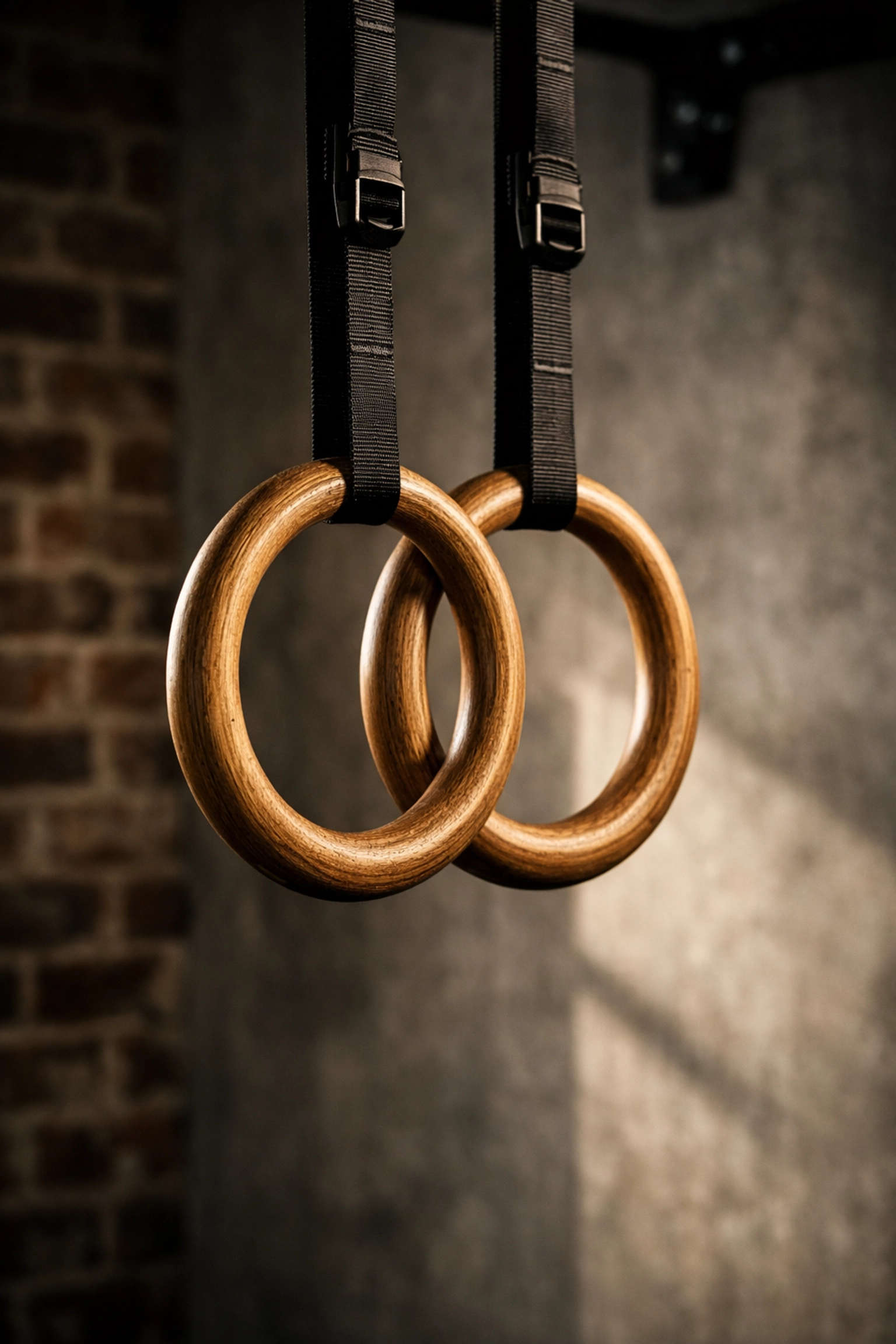
Look for rings made from solid wood (better grip when sweaty) or high-quality composite materials. The straps should be thick, numbered for easy adjustment, and rated for well over your body weight. Pro tip: if the rings don't come with a weight rating clearly listed, move on.
For serious athletes doing advanced movements like iron crosses or planches, you need bombproof reliability. Your bodyweight training at home should never feel compromised by equipment that can't keep up with your progression.
2. Floor-to-Ceiling Systems: Zero Wall Damage, Maximum Gains
This is where most people screw up their home gym plans. They drill a dozen holes in their walls, mount heavy bars, and then realize they can't move anything without leaving their rental looking like Swiss cheese.
Enter floor-to-ceiling mounting systems, the game-changer for anyone who values flexibility and wants a no wall damage workout system.
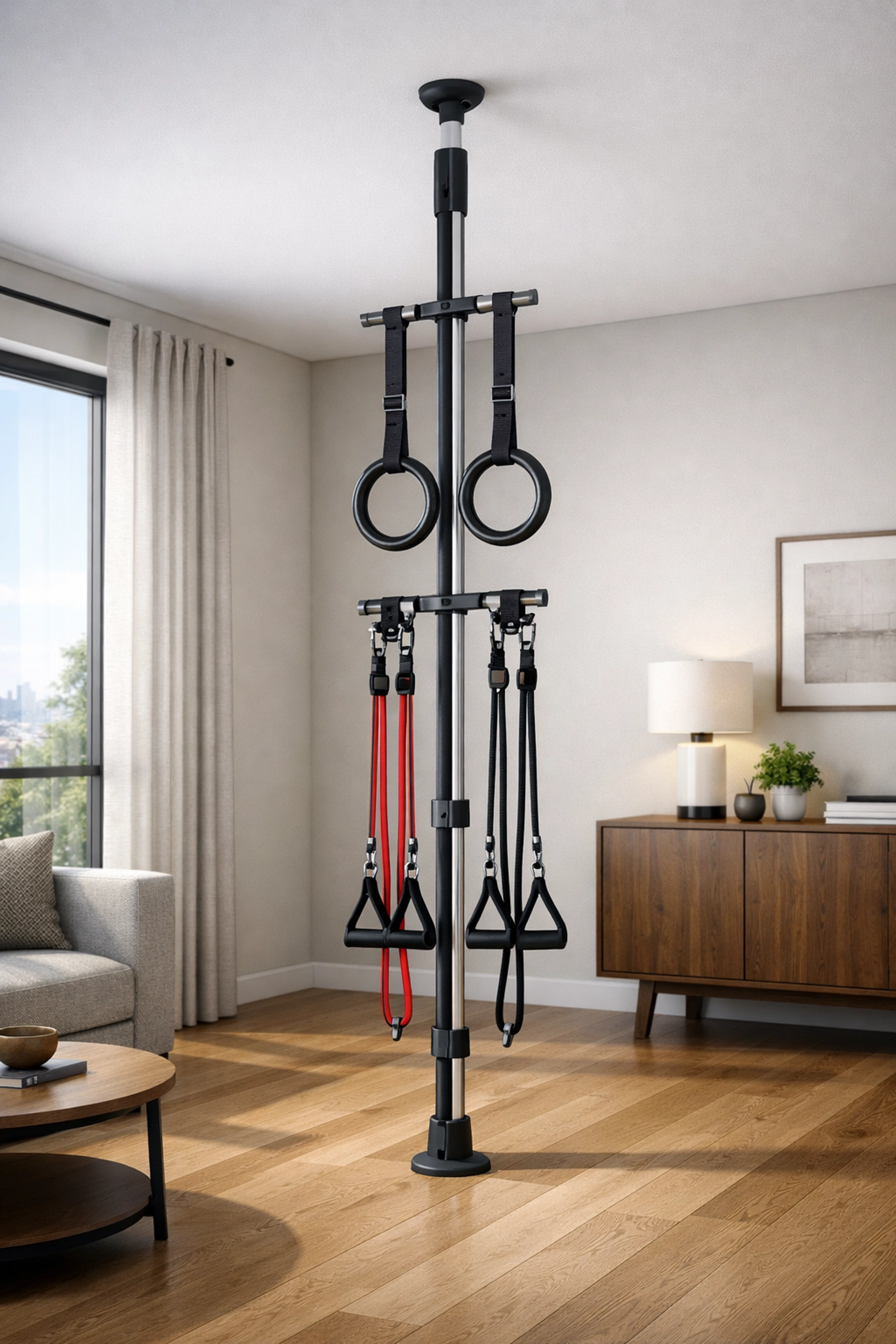
These tension-mounted systems work by creating secure pressure points between your floor and ceiling. No drilling. No permanent modifications. Just rock-solid stability that can handle pull-ups, muscle-ups, ring work, and heavy resistance training.
Bold Body Fitness designed the Resistance Rail specifically to solve this problem. It's a full-scale floor to ceiling gym that transforms any space into a functional training area without compromising your security deposit or home value. You can mount rings, resistance bands, or create a pull up bar alternative that doesn't require tearing apart your walls.
The beauty of systems like the Resistance Rail is adaptability. Today it's your pull-up station. Tomorrow you're hanging resistance bands for speed work. Next week you're setting up a ninja warrior-style grip course. That's what a truly versatile home gym looks like.
3. Competition-Grade Parallettes: Low, Medium, or High?
Parallettes are criminally underrated. Most people think they're just for beginners doing elevated push-ups, but that's missing about 95% of their potential.
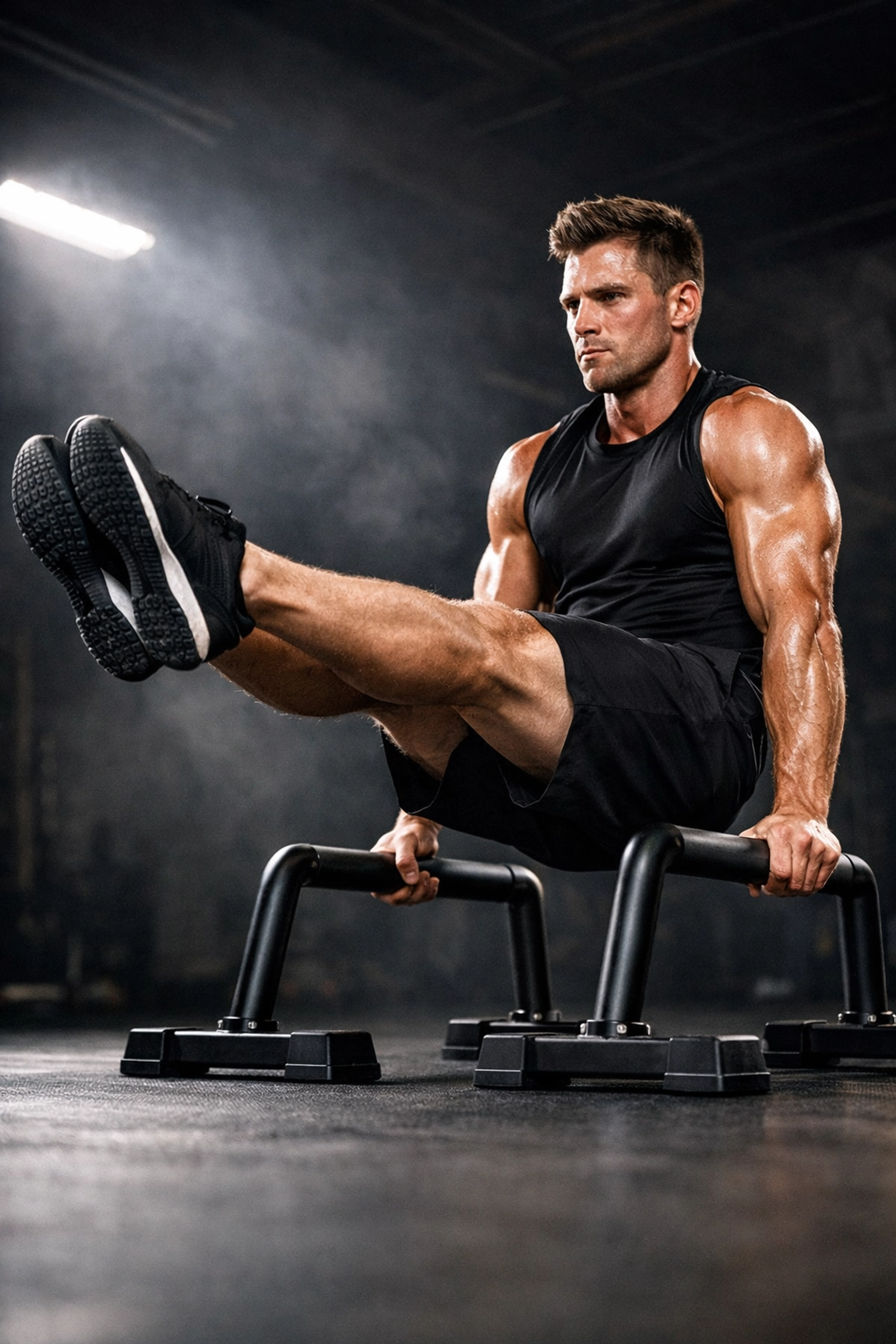
L-sits. Handstand push-up progressions. Planche leans. V-sits. Tucked planches. These movements separate casual gym-goers from serious calisthenics practitioners: and you need solid parallettes to train them safely.
The key decision: height. Low parallettes (4-6 inches) are perfect for push-up variations and traveling. Medium height (8-12 inches) gives you clearance for L-sits without your feet dragging. High parallettes (12+ inches) are what gymnasts use for dip transitions and advanced holds.
Here's my recommendation: get medium-height parallettes with a wide base. The wider the base, the more stable they'll be during dynamic movements. And make sure they can support at least 400 pounds: not because you weigh that much, but because dynamic movements create force multipliers that put serious stress on equipment.
Cheap PVC pipe parallettes might seem tempting, but they'll flex and shift when you need them most. Pro-grade parallettes use solid steel or thick wood with non-slip feet that actually grip your floor.
4. Dip Bars That Won't Betray You Mid-Set
Dips are a fundamental upper body movement. They crush your chest, triceps, and shoulders while building functional pressing strength that translates to everything from muscle-ups to handstand push-ups.
But wobbly dip bars? Those are an injury waiting to happen.
The problem with most home dip stations is they're built for casual users doing bodyweight dips with perfect form. Add weight, lean forward for chest emphasis, or push the pace with CrossFit-style kipping dips, and suddenly that $50 Amazon special starts creaking like a haunted house.
For a full body workout at home that includes serious dip training, you need bars that can handle:
- Dynamic loading: Kipping and explosive movements create forces beyond your static body weight
- Different grip widths: Narrow for triceps, wider for chest emphasis
- Weight vest work: Adding 50-100 pounds for strength progressions
- Ring dips: If you're attaching rings to your dip station
Wall-mounted dip bars save space and typically offer more stability than freestanding options. But if you're in a rental or want flexibility, look for freestanding dip stations with a wide footprint and thick gauge steel tubing.
5. The Ceiling Mount Solution: Weather-Proof Your Training
Here's a frustration every outdoor calisthenics athlete knows: rain, snow, heat, and cold all mess with your training schedule. Park equipment gets slippery, frozen, or outright unusable.
Ceiling mounts solve this by bringing your training indoors without sacrificing the exercises that matter most. Mount rings from your ceiling, and suddenly you've got:
- Year-round muscle-up training
- Indoor ring work for lever progressions
- Protected equipment that won't rust or degrade
- The ability to adjust height for different movements
The catch? Installation matters. A lot. Ceiling mounts need to anchor into solid wood joists: not just drywall. If you're not sure what you're doing, hire someone who does. No exercise is worth a trip through your ceiling.
For renters or anyone who wants a reversible option, this is where floor-to-ceiling systems like the Resistance Rail shine. You get the stability and functionality of ceiling-mounted equipment without the permanent installation requirements.
Building Your Complete Calisthenics Setup
Here's the truth: you don't need to buy everything at once. But you do need to buy smart.
Start with the equipment that matches your current training focus. If you're chasing your first muscle-up, prioritize rings and a solid pull-up solution. If you're working on planche progressions, parallettes and floor space matter more.
The mistake most people make is buying cheap gear with the plan to "upgrade later." That's backwards thinking. Cheap equipment either breaks (costing you replacement money) or limits your progression (costing you time and results). Buy once, buy right.
For a comprehensive setup that covers most bases, check out the Bold Body Fitness shop for equipment that's built for athletes who actually push their limits. The Resistance Rail system particularly stands out as a versatile home gym solution that adapts to your training instead of limiting it.
The Bottom Line on Pro-Grade Calisthenics Equipment
Flimsy gear wastes your money, limits your progress, and puts you at risk. Pro-grade equipment costs more upfront but pays dividends in longevity, safety, and performance.
Gymnastic rings give you exercise variety. Floor-to-ceiling systems provide no-damage versatility. Parallettes unlock bodyweight skills. Solid dip bars enable progressive overload. Ceiling mounts (or their pressure-mounted alternatives) weather-proof your training.
These five solutions form the foundation of a legitimate home calisthenics setup. Whether you're a ninja warrior building grip strength, a CrossFit athlete hammering gymnastics movements, or a calisthenics purist chasing the front lever, this equipment will serve you for years.
Stop settling for gear that can't keep up with your ambition. Your training deserves better than that.
