
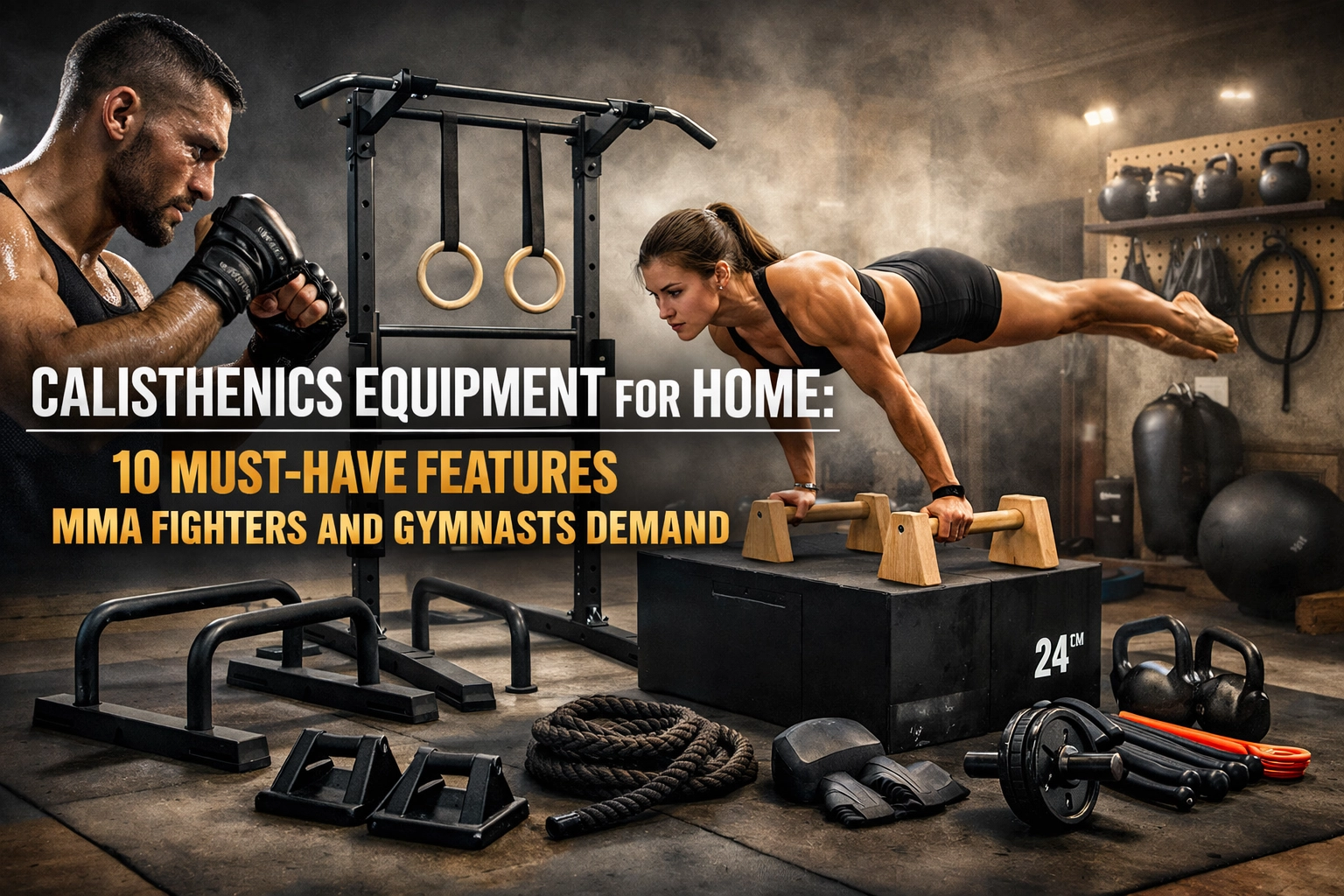
Look, if you're serious about bodyweight training, you already know that cheap equipment is a waste of money. MMA fighters don't mess around with flimsy pull-up bars that bend under pressure, and gymnasts won't trust equipment that can't handle advanced movements. When elite athletes choose calisthenics equipment for their home gyms, they're looking for specific features that separate professional-grade gear from the garbage cluttering up big-box retail stores.
Here's what actually matters when you're building a home calisthenics setup that can handle real training intensity.
1. Zero Wall Damage Installation
Gymnasts and MMA fighters who rent their training spaces or want the flexibility to move their setup can't afford to drill dozens of holes in walls. Traditional pull-up bars require permanent mounting, which is a dealbreaker for serious athletes who need adaptable training environments.
The best calisthenics equipment uses tension-based systems that distribute force across ceiling and floor contact points. This means you can set up a complete bodyweight training station in minutes without compromising structural integrity or losing your security deposit. Systems like the Resistance Rail exemplify this approach: maximum stability with zero permanent installation.
2. Professional-Grade Weight Capacity
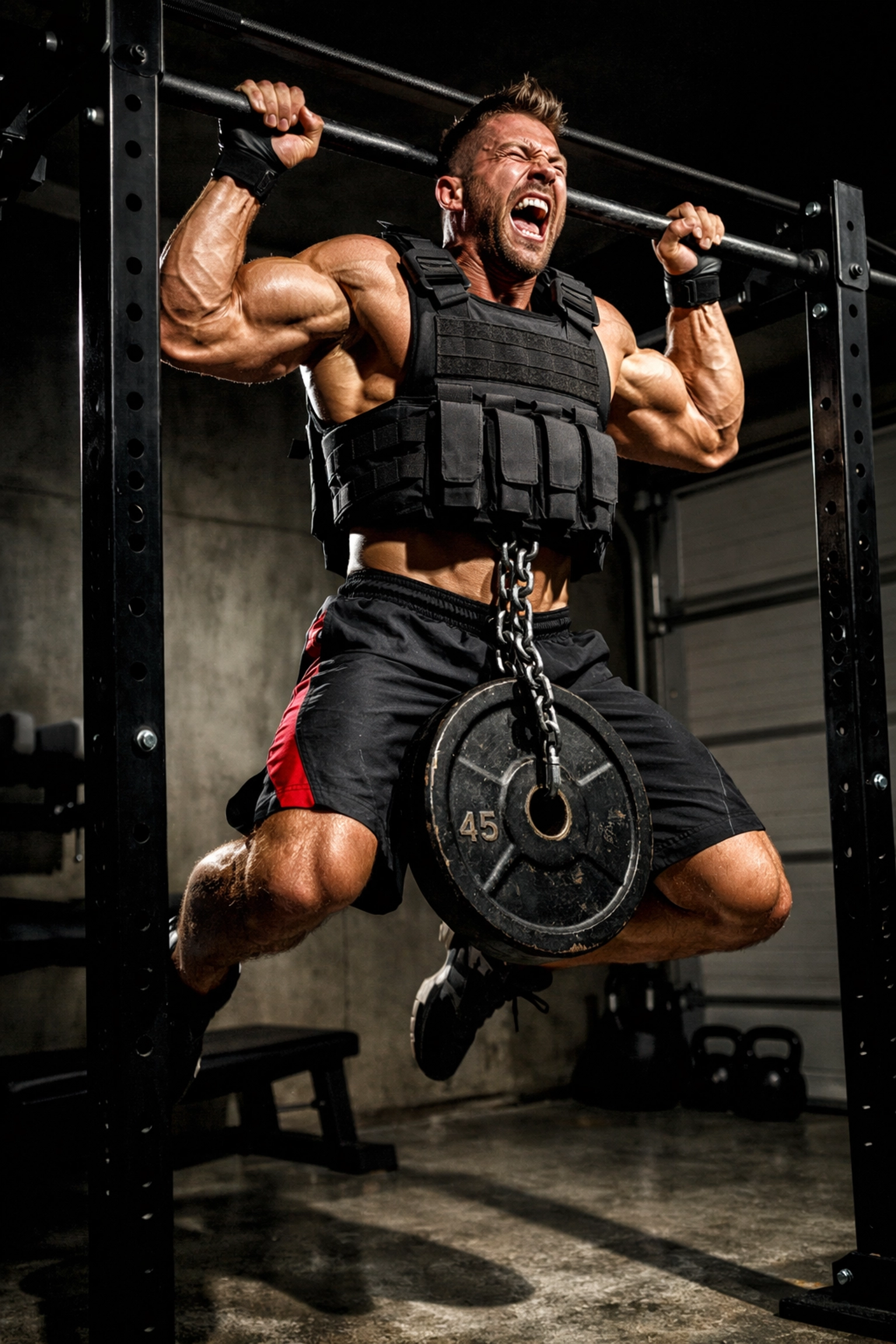
When an MMA fighter is doing weighted pull-ups with a 50-pound vest, or a gymnast is performing explosive muscle-ups, equipment rated for "up to 250 pounds" isn't going to cut it. Professional athletes need gear that can handle dynamic loads: the sudden force generated by explosive movements is significantly higher than static body weight.
Look for equipment rated to at least 400 pounds, preferably higher. This isn't just about maximum capacity; it's about durability over thousands of reps. The difference between consumer-grade and professional equipment becomes obvious after six months of intensive training. One holds up. The other becomes a safety hazard.
3. Multi-Grip Versatility for Complete Development
Gymnasts need to train various grip positions to develop the specific strength required for rings, bars, and apparatus work. MMA fighters need grip variety to build functional strength that translates to clinch work and grappling. Your calisthenics equipment should support:
- Wide grip pull-ups for back width
- Close grip for bicep emphasis
- Neutral grip for shoulder health
- Multiple height positions for different exercises
Equipment that forces you into a single grip position limits your development. Period. The ability to switch between grip styles on the same piece of equipment means you can flow through circuits without wasting time switching stations.
4. Adjustable Resistance Attachment Points
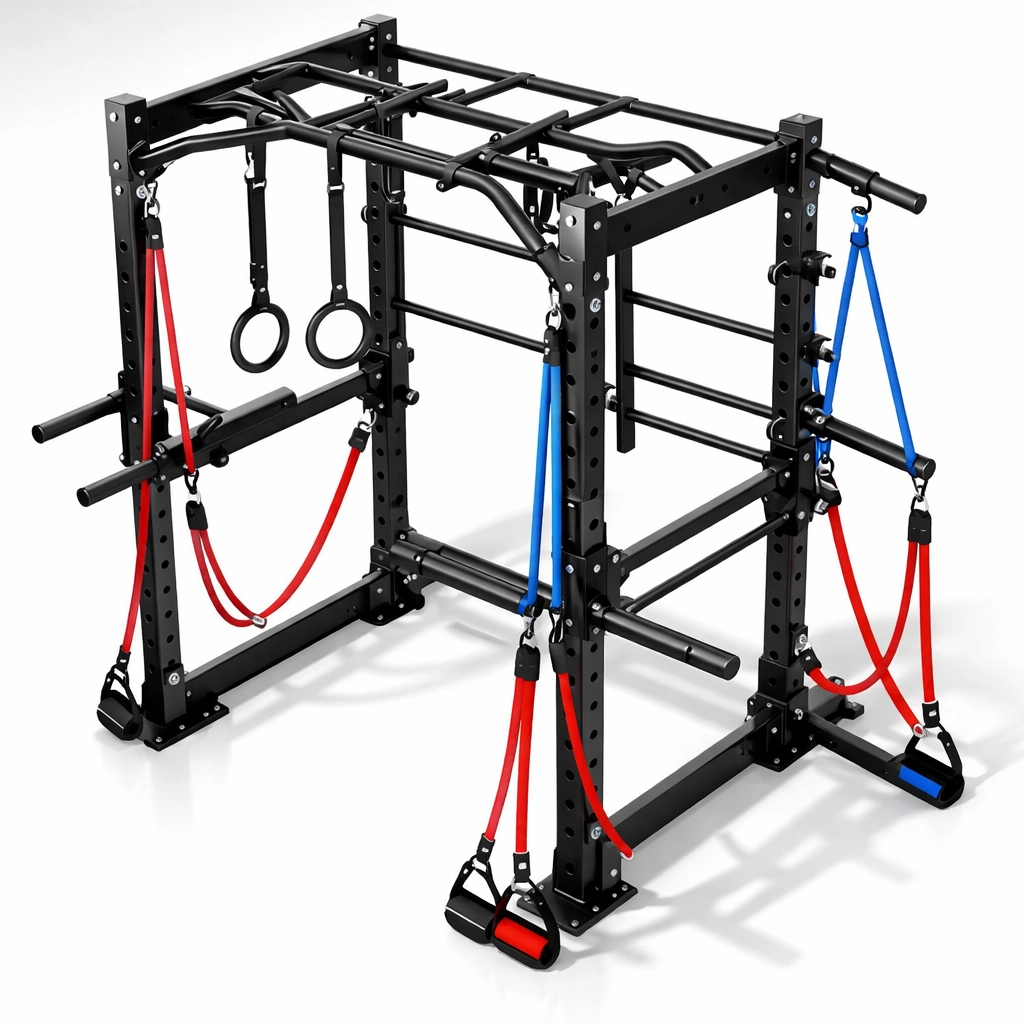
Here's where most home calisthenics equipment falls short. Elite athletes need the ability to add resistance bands at multiple heights and angles. A pull-up bar is great, but can you attach bands for assisted movements or add resistance to make exercises harder?
The best systems include multiple attachment points at varying heights. This allows you to:
- Use bands for assistance when learning advanced movements like muscle-ups
- Add resistance bands to increase difficulty on mastered exercises
- Set up band resistance for horizontal pulling movements
- Create accommodating resistance that matches strength curves
This flexibility transforms a simple pull-up station into a complete training system. Check out the full range of equipment at Bold Body Fitness to see how professional setups handle progressive overload.
5. Compact Footprint Without Sacrificing Function
MMA fighters and gymnasts often train in garages, spare bedrooms, or small studio spaces. They need equipment that maximizes training options while minimizing floor space. A power rack might offer versatility, but it dominates an entire room.
The ideal calisthenics setup should:
- Use vertical space efficiently
- Fold or adjust when not in use
- Allow multiple users to train different movements simultaneously
- Fit in spaces as small as 6' x 6'
Floor-to-ceiling systems excel here because they leverage unused vertical space. You get the full functionality of a commercial gym setup in a fraction of the footprint. This matters when every square foot of your training space counts.
6. Seamless Integration with Gymnastics Rings and Parallettes
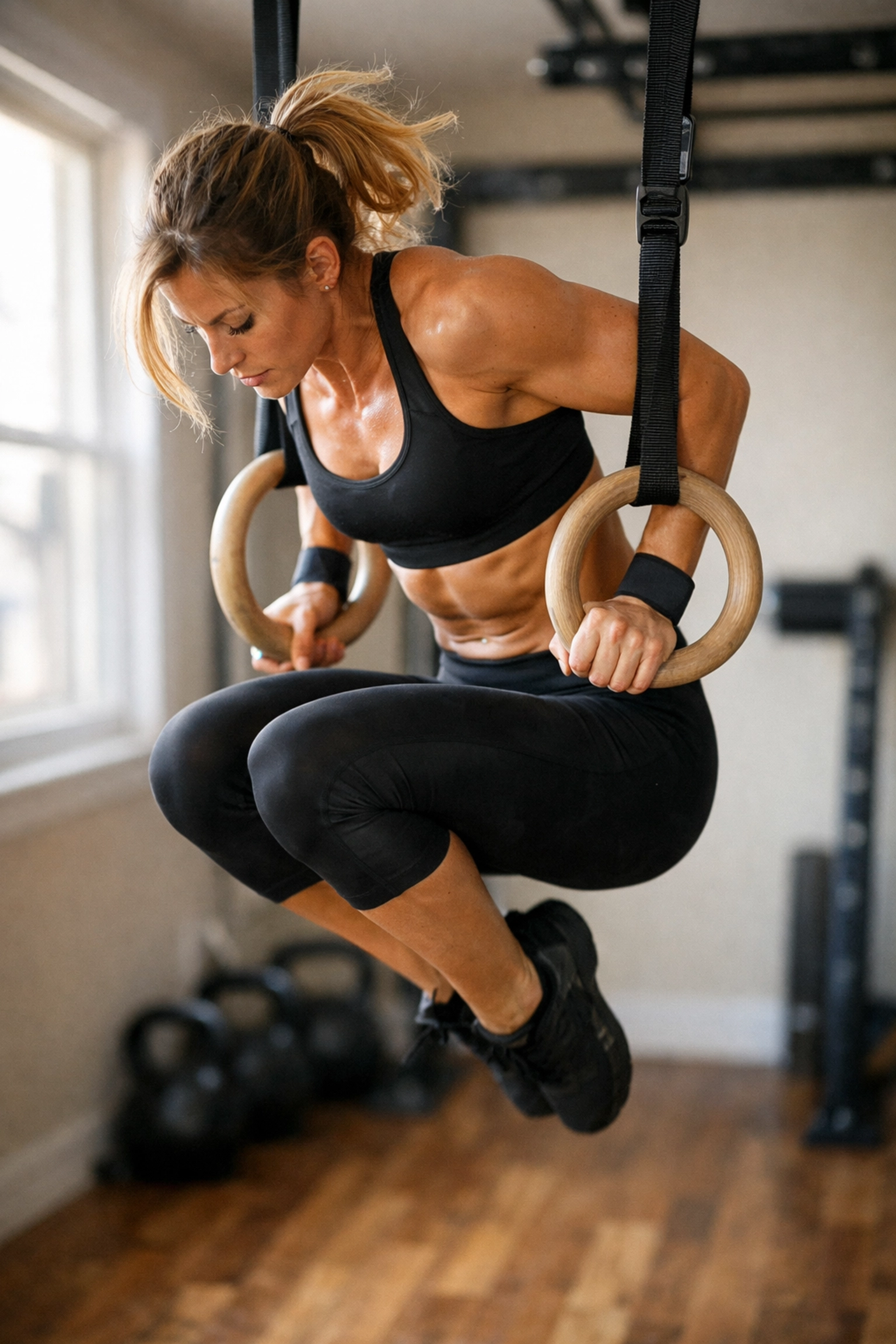
Real talk: rings are the most powerful tool in any serious calisthenics program. Gymnasts have known this forever, and MMA fighters are catching on because ring training builds the kind of functional, anti-rotation core strength that transfers directly to fighting.
Your primary calisthenics equipment needs to accommodate rings without modification. This means:
- Attachment points rated for dynamic ring work
- Sufficient height for full range of motion exercises
- Clearance for swing-based movements
- Secure mounting that won't slip during high-tension positions
Similarly, your setup should work with parallettes for handstand training, L-sits, and advanced push-up variations. Equipment that plays well with other tools gives you exponentially more training options.
7. Built for Explosive Movement Patterns
Static exercises are great, but MMA fighters need explosive power, and gymnasts need to train dynamic skills. Your equipment must handle:
- Kipping pull-ups and chest-to-bar variations
- Explosive muscle-ups
- Dynamic transitions between movements
- High-speed circuit training
This requires equipment with minimal flex or sway. When you're throwing your body weight around at high speed, unstable equipment is dangerous. The frame needs to absorb and redirect force without wobbling or shifting. This is non-negotiable for anyone training advanced calisthenics movements.
8. Temperature and Humidity Resistant Construction
Garage gyms get hot. Basements get humid. Serious athletes train year-round in less-than-ideal conditions. Your calisthenics equipment needs to handle environmental stress without degrading.
Look for:
- Powder-coated steel that resists rust
- Grips that don't become slippery with sweat
- Materials that won't warp in temperature extremes
- Hardware that doesn't corrode in high humidity
Consumer-grade equipment often fails within a year when exposed to garage conditions. Professional equipment is built to last decades, even in harsh environments. The upfront cost difference disappears when you're not replacing equipment every 18 months.
9. Modularity for Progressive Skill Development
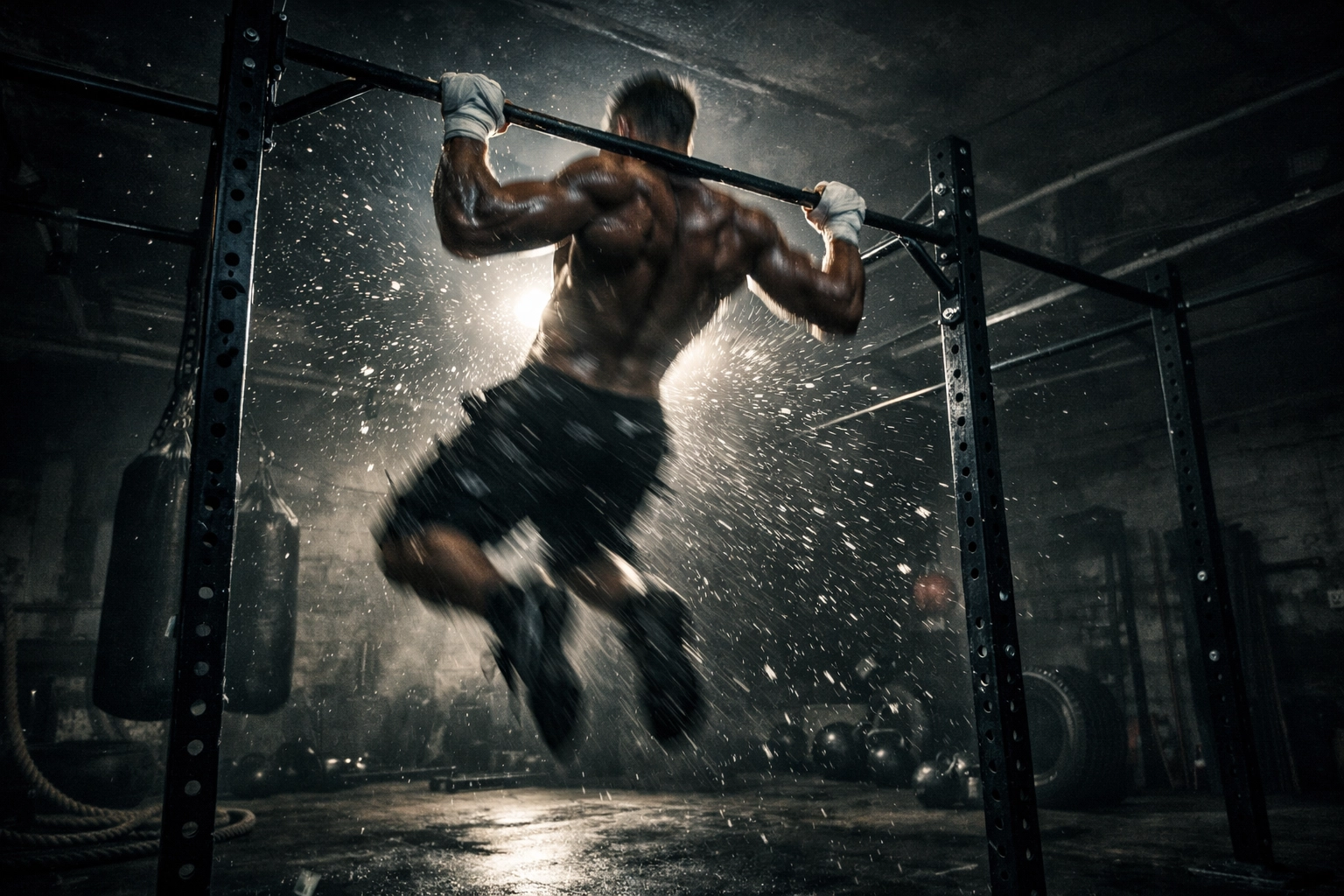
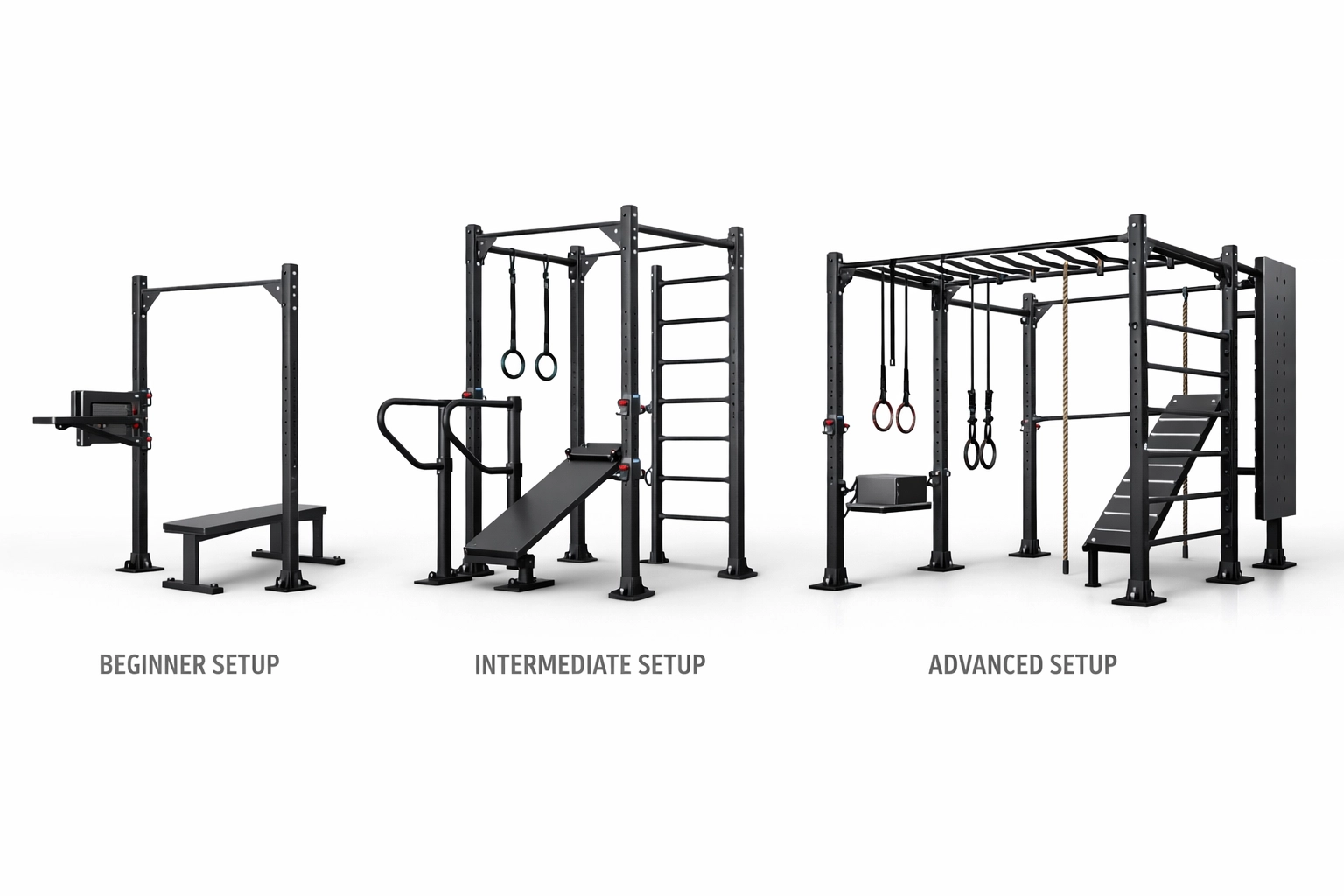
Beginner gymnasts and advanced athletes have vastly different needs, but they're often the same person at different points in their journey. Smart calisthenics equipment grows with you.
The best systems allow you to:
- Start with basic pull-ups and progress to advanced variations
- Add accessories as your skills develop
- Adjust difficulty on individual exercises
- Modify setup for different training focuses
This modularity means your equipment remains useful as you advance. A pull-up bar that only works for pull-ups becomes obsolete. A versatile system that adapts to your changing needs is an investment that pays dividends for years.
10. Quick Transition Between Exercise Variations
MMA fighters running fight-prep circuits don't have time to adjust equipment between exercises. Gymnasts working skill progressions need to flow smoothly between movements. Your calisthenics setup should enable rapid transitions.
This means:
- No tools required for height adjustments
- Intuitive resistance band attachment and removal
- Clear spacing between exercise zones
- Setup that supports circuit training without equipment swaps
The shop at Bold Body Fitness features equipment designed with this workflow in mind. When you can move seamlessly from pull-ups to dips to leg raises to core work without breaking flow, your training intensity skyrockets.
Building Your Elite Calisthenics Setup
Here's the bottom line: serious athletes: whether you're a gymnast training for competition, an MMA fighter building functional strength, or a calisthenics practitioner chasing advanced skills: need equipment that matches your commitment level.
Don't settle for equipment that limits your potential. Every feature on this list exists because athletes demanded better solutions. Wall-mounted pull-up bars that damage rental properties? Solved with tension-based systems. Limited exercise options? Fixed with modular, multi-height designs. Gear that can't handle explosive movements? Replaced with professional-grade construction.
Your home gym should be a place where you push limits, not where your equipment becomes the limiting factor. The difference between amateur and professional setups isn't just about cost: it's about understanding what features actually matter for serious training.
When you're ready to build a calisthenics setup that performs like commercial gym equipment but fits in your home, focus on these ten features. They're the difference between gear that supports your goals and gear that holds you back.
The athletes who train the hardest demand equipment that keeps up. Make sure yours does.
