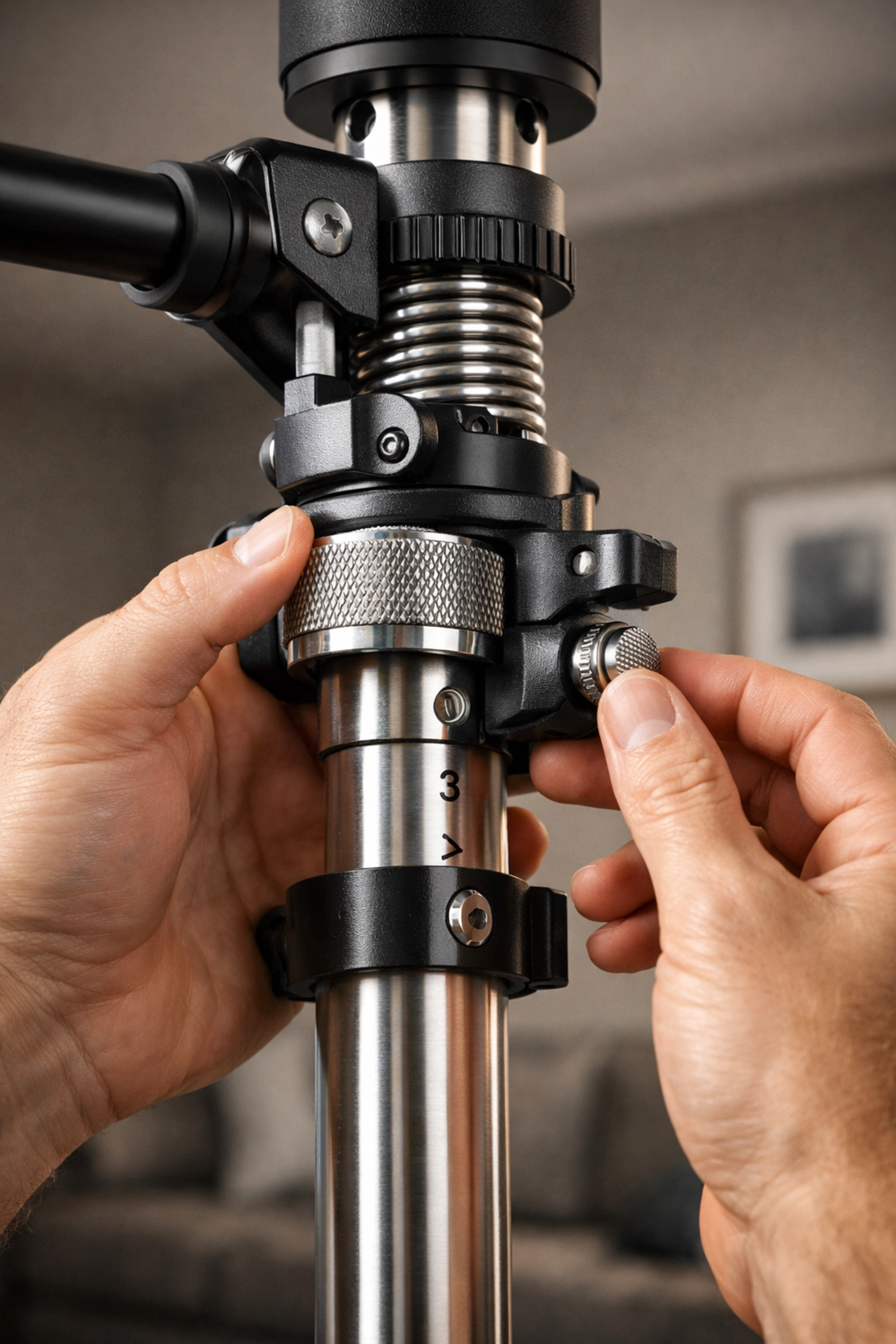
Let's cut through the noise: wall-mounted pull-up bars aren't inherently "bad", but they come with serious limitations that most fitness enthusiasts don't discover until after the damage is done. Literally.
If you're reading this, you're probably either considering drilling into your walls, already dealing with regret from doing so, or you're smart enough to research before committing. Either way, you're in the right place.
The Wall-Mounted Bar Reality Check
Wall-mounted pull-up bars have been the go-to home gym solution for decades. They're stable, they can handle heavy loads, and when properly installed into solid concrete or brick, they're incredibly secure. But here's what the product descriptions don't tell you: "properly installed" is where most people's plans fall apart.
The average home in America isn't built for aggressive training. Unless you live in a commercial building or your home has exceptional construction, mounting a pull-up bar isn't as straightforward as it seems. And for renters? Forget about it. You're risking your security deposit the moment you pick up that drill.
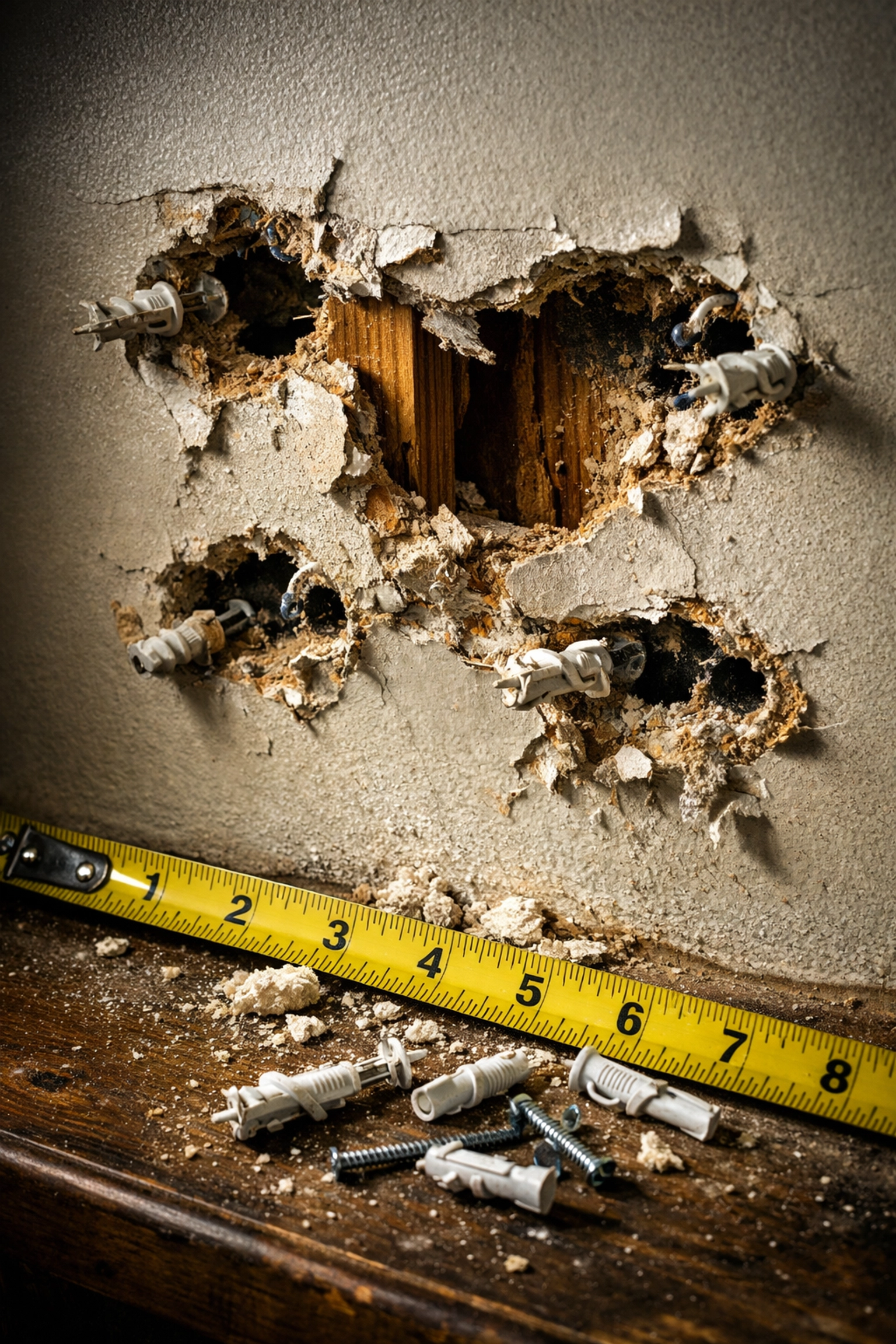
The Hidden Costs of Drilling Into Your Walls
Here's what actually happens when you install a wall-mounted bar:
Structural Requirements: You need to hit solid studs or masonry, not drywall. Miss the stud by an inch, and you're looking at a bar that'll rip out during your first set of kipping pull-ups. For serious athletes doing muscle-ups, explosive movements, or weighted pull-ups, the forces involved can exceed 300-400 pounds. That's a lot of stress on four bolts.
Installation Expertise: Most people overestimate their handyman skills. Installing a wall-mounted bar correctly requires finding studs (which aren't always where you expect), drilling perfectly level holes, and using the right hardware. One mistake means starting over, with new holes in your wall.
Permanence Problem: Once it's up, it's staying up. Want to rearrange your home gym? Train in a different room? Move to a new house? You're either leaving it behind or dealing with significant wall repair. And those anchor holes? They're permanent scars on your wall that need professional patching and painting to truly disappear.
Space Limitations: Wall-mounted bars lock you into one location with a fixed height. This matters more than you think. CrossFit athletes need clearance for kipping movements. Gymnasts need space for skills training. Ninja warriors need room for dynamic movements. A bar mounted to accommodate pull-ups might not work for everything else you want to do.
What Serious Athletes Actually Need
Talk to any professional athlete or coach, and they'll tell you: training equipment needs to be versatile, reliable, and adaptable. That's where traditional wall-mounted solutions fall short.
Consider the training requirements for different disciplines:
CrossFit Athletes need space for kipping pull-ups, bar muscle-ups, and high-intensity circuits. They're generating massive forces and need equipment that won't limit their movement patterns.
Gymnasts and Ninja Warriors require precise positioning for skills training, enough clearance for dynamic movements, and the ability to work at different heights without compromise.
Calisthenics Practitioners want options for progressive bodyweight training, from basic pull-ups to advanced moves like front levers and planches. Fixed equipment limits progression.
MMA Fighters need functional strength training that mimics real-world movement patterns and doesn't box them into rigid positions.
The common thread? They all need more than a static bar bolted to a wall.

The Floor-to-Ceiling Revolution
This is where the game has changed. Floor-to-ceiling systems represent a fundamental shift in how we think about home gym equipment, and it's not just marketing hype.
A proper floor-to-ceiling system offers everything athletes need without the permanent commitment or structural concerns of wall mounting. The concept is simple but brilliant: use the natural structural integrity of your floor and ceiling (which are already designed to handle vertical loads) instead of relying on wall studs that vary wildly in location and quality.
Zero Wall Damage: This is the big one. No drilling, no anchor points, no patch-and-paint jobs when you move. For renters, this is a game-changer. For homeowners, it's peace of mind.
True Portability: Want to train in your garage today and your living room tomorrow? Done. Moving to a new house? Take your entire setup with you in one trip. This flexibility fundamentally changes how you can structure your training environment.
Adjustable Height: Different exercises demand different bar heights. A floor-to-ceiling system lets you adjust positioning on the fly, opening up training possibilities that fixed wall mounts simply can't match.
Superior Versatility: The best systems go beyond just pull-ups. We're talking full-body training stations that support resistance training, gymnastics rings, suspension trainers, and more. You're building a complete training ecosystem, not just mounting a bar.
Why Athletes Are Making the Switch
The shift toward floor-to-ceiling systems isn't a trend, it's athletes and coaches recognizing what actually works for serious training.
At Bold Body Fitness, we've seen this evolution firsthand. Athletes who previously settled for wall-mounted bars or door-frame units are discovering what's possible with a properly engineered floor-to-ceiling system like the Resistance Rail.
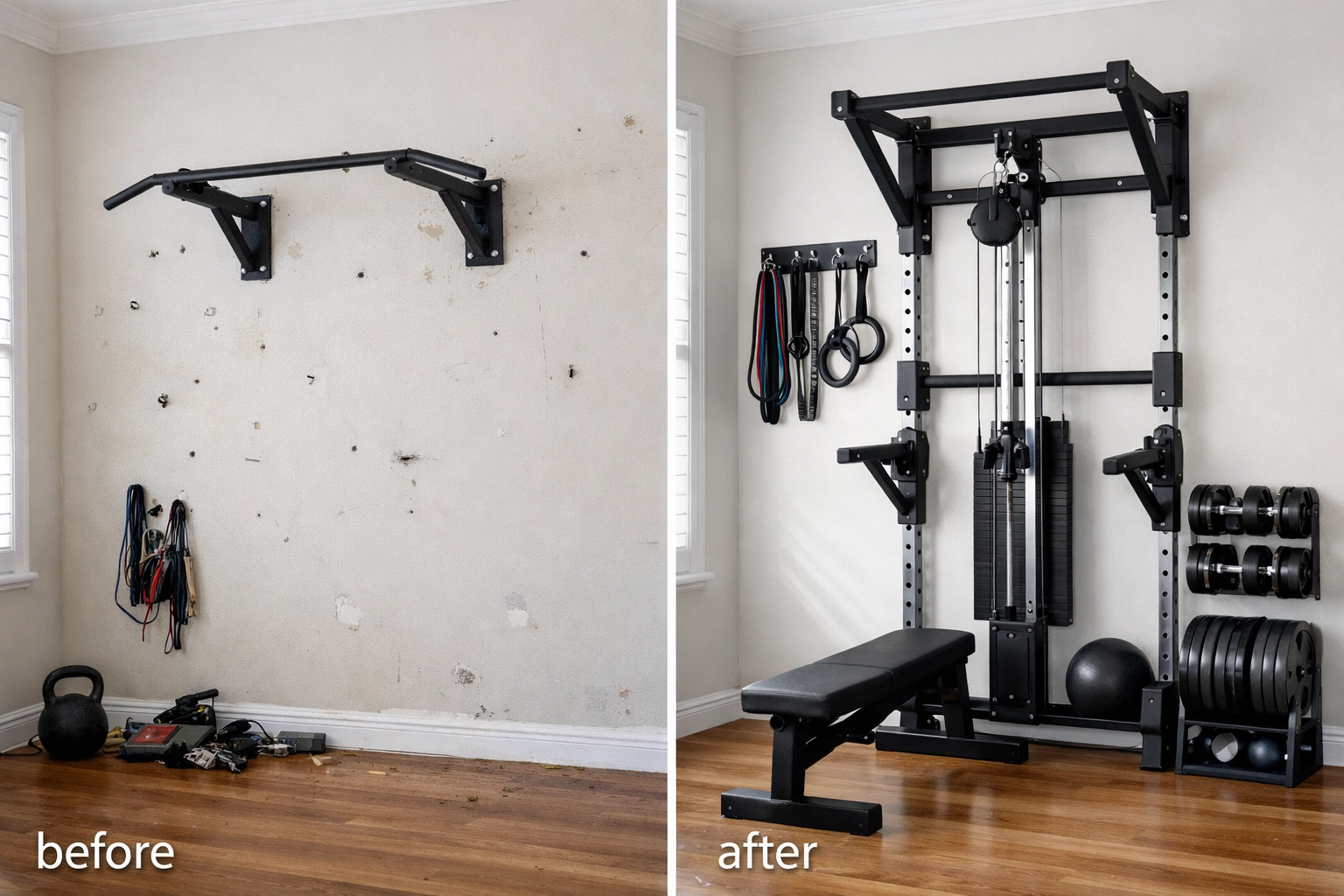
The feedback is consistent: "Why didn't I do this sooner?"
Real Training Volume: When you're not worried about your bar ripping out of the wall mid-set, you train with more confidence and intensity. That psychological factor matters more than most people realize. Doubt kills performance.
Multiple Training Modalities: The Resistance Rail system isn't just a pull-up bar, it's a platform for rings work, rope climbs, resistance band training, and countless bodyweight exercises. You're getting the versatility of a fully equipped gym without dedicating an entire room or drilling into every available wall surface.
Progressive Overload Made Easy: Adjust the height for different exercise variations. Lower the bar for inverted rows, raise it for strict pull-ups, position it perfectly for muscle-up progressions. This adaptability accelerates progress in ways that fixed equipment can't match.
Professional-Grade Stability: Here's the truth bomb: properly engineered floor-to-ceiling systems can be just as stable as wall-mounted bars, often more so. The forces are distributed through the structural elements designed to handle them (your floor and ceiling joists), not relying on finding studs in exactly the right positions.
Installation That Actually Makes Sense
Let's be real about installation for a second. Wall-mounted bars require commitment, both time and expertise. You're measuring, marking, drilling pilot holes, driving anchors, mounting brackets, and hoping you got everything level and secure.
Floor-to-ceiling systems? They're pressure-mounted. Setup takes minutes, not hours. No special tools required beyond what's included. And if you mess up? Just release the tension and try again. No damage, no stress, no calling a handyman to fix your mistakes.
This isn't just convenient, it's practical. When your training equipment is easy to install and adjust, you're more likely to optimize your setup over time. You experiment with different positions, try new exercises, and evolve your training space as your goals change.

The Economics of Smart Training Equipment
Wall-mounted bars seem cheaper upfront. A basic model might run you $50-$100. But factor in the real costs:
- Installation hardware (the good stuff, not what comes in the box): $30-$50
- Wall repair supplies if you mess up: $50-$100
- Time spent installing and fixing mistakes: Hours of your life
- Security deposit lost (renters): $200-$500 or more
- Inability to take it with you when you move: Total loss of investment
Suddenly that "cheap" bar isn't so cheap.
A quality floor-to-ceiling system like what you'll find at the Bold Body Fitness shop represents a different value proposition. Yes, the initial investment is higher. But you're buying versatility, portability, and zero-commitment installation that follows you through multiple training phases and living situations.
You're also buying confidence. Confidence that your equipment won't fail during your hardest sets. Confidence that you can train without limits. Confidence that you made a smart investment in your fitness journey.
Making the Right Choice for Your Training
So, are wall-mounted pull-up bars "bad"? No: but they're increasingly obsolete for anyone serious about their training.
If you own your home, have perfect walls for mounting, never plan to move, and only need a basic pull-up station, a wall-mounted bar might work fine. But that's a lot of "ifs" for most people.
For everyone else: renters, frequent movers, serious athletes, or anyone who wants a versatile home gym without permanent modifications: floor-to-ceiling systems are the smarter play.
The athletes making the switch aren't doing it because of trends or marketing. They're doing it because this equipment better serves their training needs while respecting their living spaces. That's the truth that matters.
Your walls will thank you. Your landlord will thank you. And most importantly, your training will thank you.
Ready to train without compromise? Check out the complete Resistance Rail system and see why serious athletes are rethinking how they build their home gyms.