
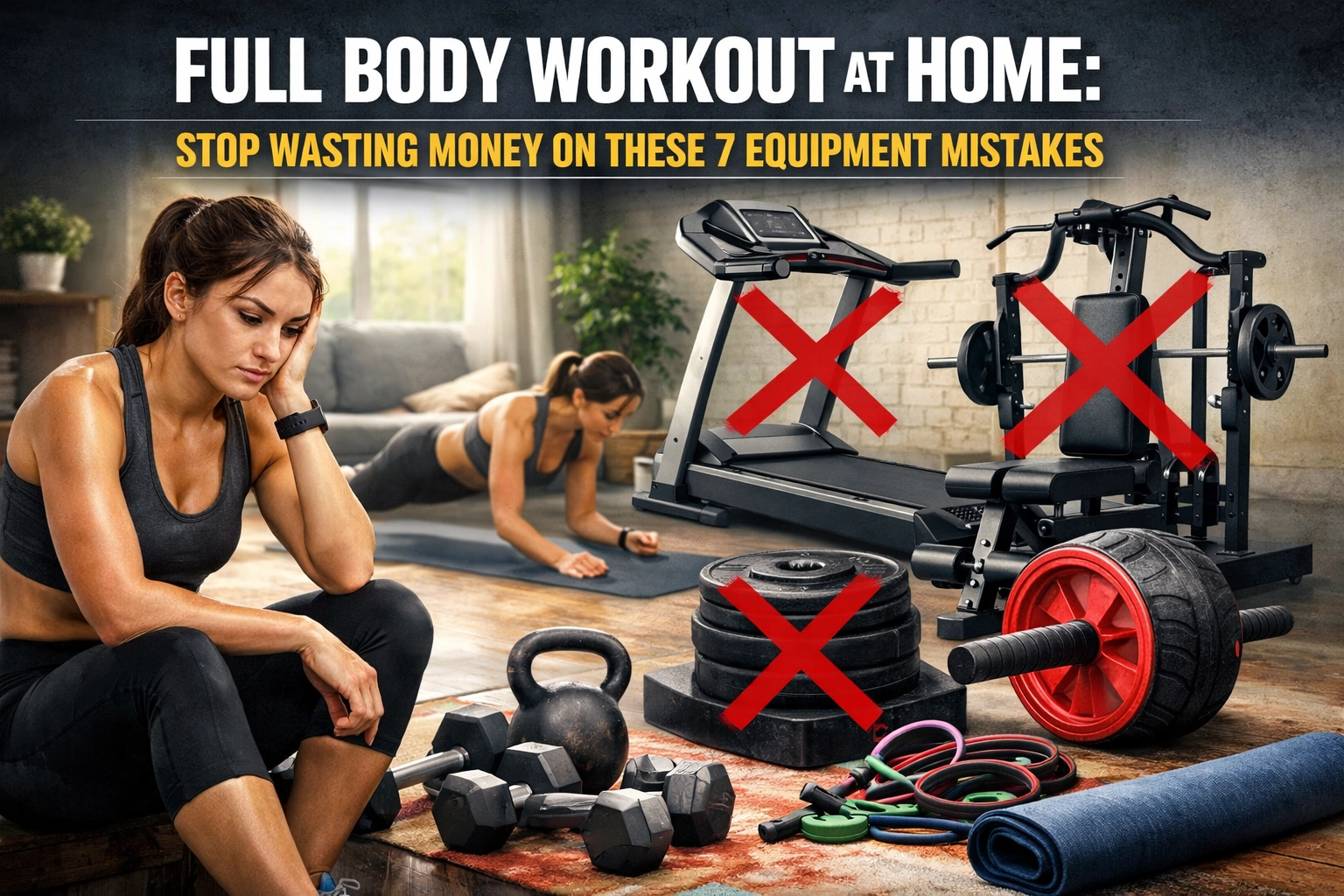
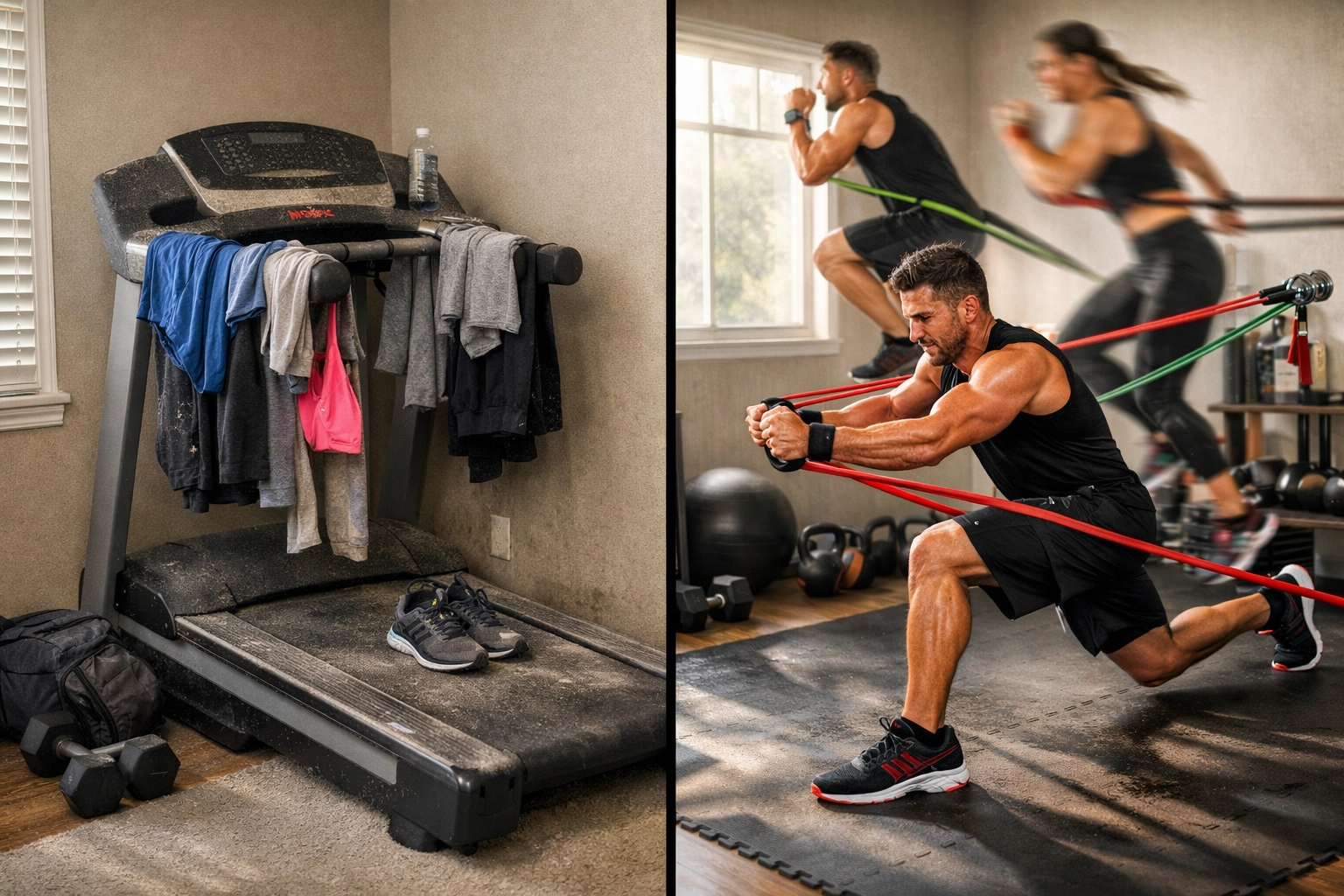
You're ready to build your dream home gym. You've got a budget, you've got space, and you're pumped to finally train on your own terms. But here's the brutal truth: most people waste hundreds, sometimes thousands, of dollars on equipment mistakes that turn their home gym into an expensive clothes rack.
I've seen it happen over and over. Someone gets excited, drops $2,000 on equipment, and six months later they're back to making excuses about why they don't train. The problem isn't motivation. It's that they bought the wrong stuff.
Let's fix that. Here are the seven biggest equipment mistakes that kill full body workout routines at home, and exactly how to avoid them.
Mistake #1: Buying Single-Purpose Equipment That Collects Dust
That fancy leg extension machine looks cool in the catalog. But here's what nobody tells you: single-purpose equipment is a home gym killer.
When you're setting up for full body workouts at home, every piece of equipment needs to earn its place. A leg extension machine does ONE thing. Meanwhile, that same floor space could hold equipment that handles dozens of exercises.
The math is simple. If you buy five single-purpose machines at $300 each, you've spent $1,500 and can do five movements. If you invest that same money into versatile equipment, you can access 50+ exercises.
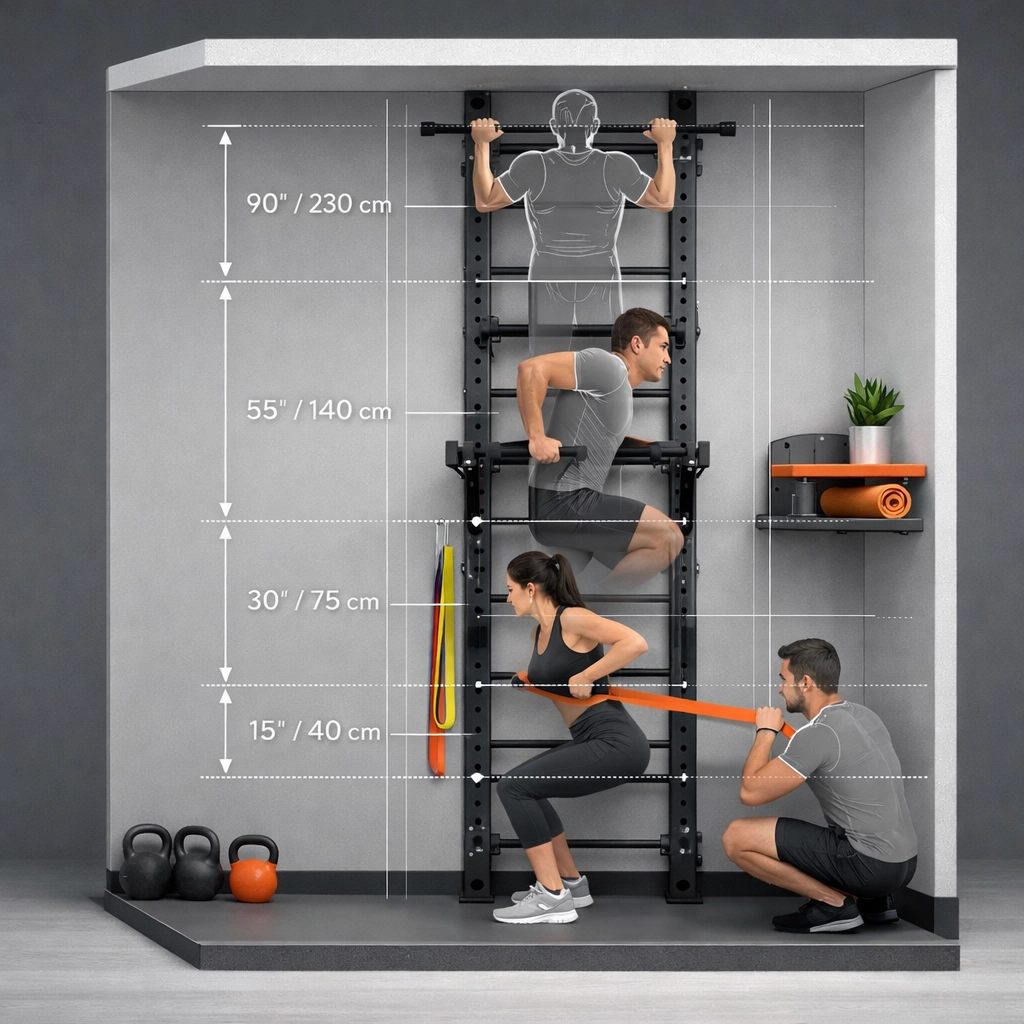
The Fix: Prioritize multi-functional equipment. Adjustable dumbbells, resistance bands, and bodyweight training systems give you more bang for your buck. Even better? Systems that mount vertically and give you pull-up bars, dip stations, and resistance training options all in one.
Mistake #2: Going Cheap on Your Primary Training Tools
Look, I get it. Budget matters. But there's a huge difference between being smart with money and being cheap with the wrong things.
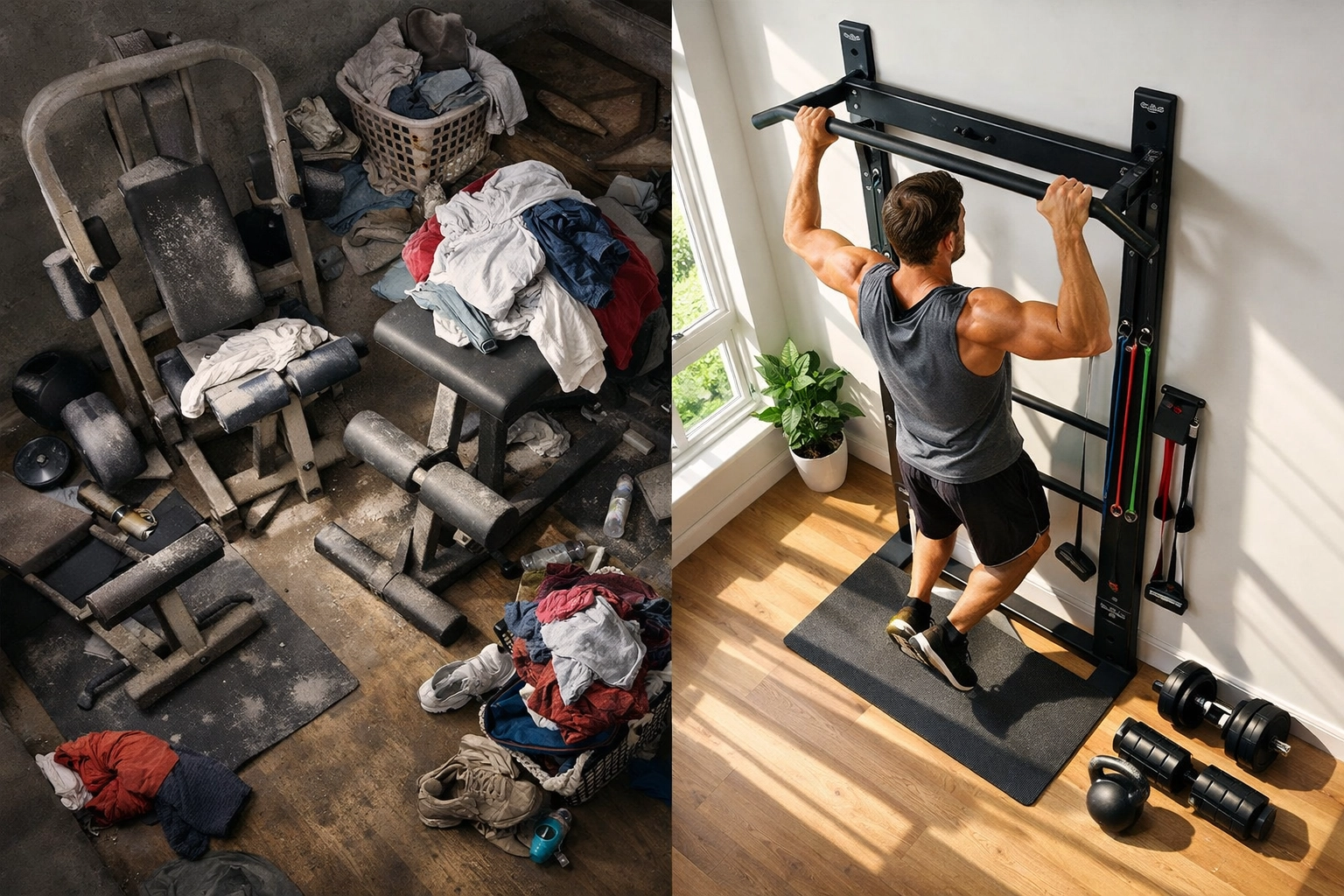
Buying a $40 pull-up bar that rips out of your doorframe mid-workout isn't saving money, it's wasting it. Worse, it's dangerous. When you're hanging from equipment or doing explosive movements, structural integrity isn't optional.
Here's where people get it backwards: they'll drop $800 on a treadmill they'll use twice, then buy the cheapest possible resistance bands that snap during their first serious workout. That's not budgeting. That's self-sabotage.
The Fix: Invest in quality for equipment you'll use daily. Your primary tools for resistance training and bodyweight work should be rock-solid. Save money on accessories, not essentials. A premium multi-use system from Bold Body Fitness will outlast three cheap setups and give you better workouts the entire time.
Mistake #3: Ignoring Vertical Space (Your Home Gym's Secret Weapon)
Most people think in two dimensions when setting up their home gym. Floor space is expensive and limited. But you know what's usually wide open? Your ceiling height.
Traditional home gym setups waste massive amounts of vertical real estate. You get a bench, some dumbbells on the floor, maybe a rack if you're lucky. Meanwhile, there's 7-8 feet of unused space above you that could transform your training options.
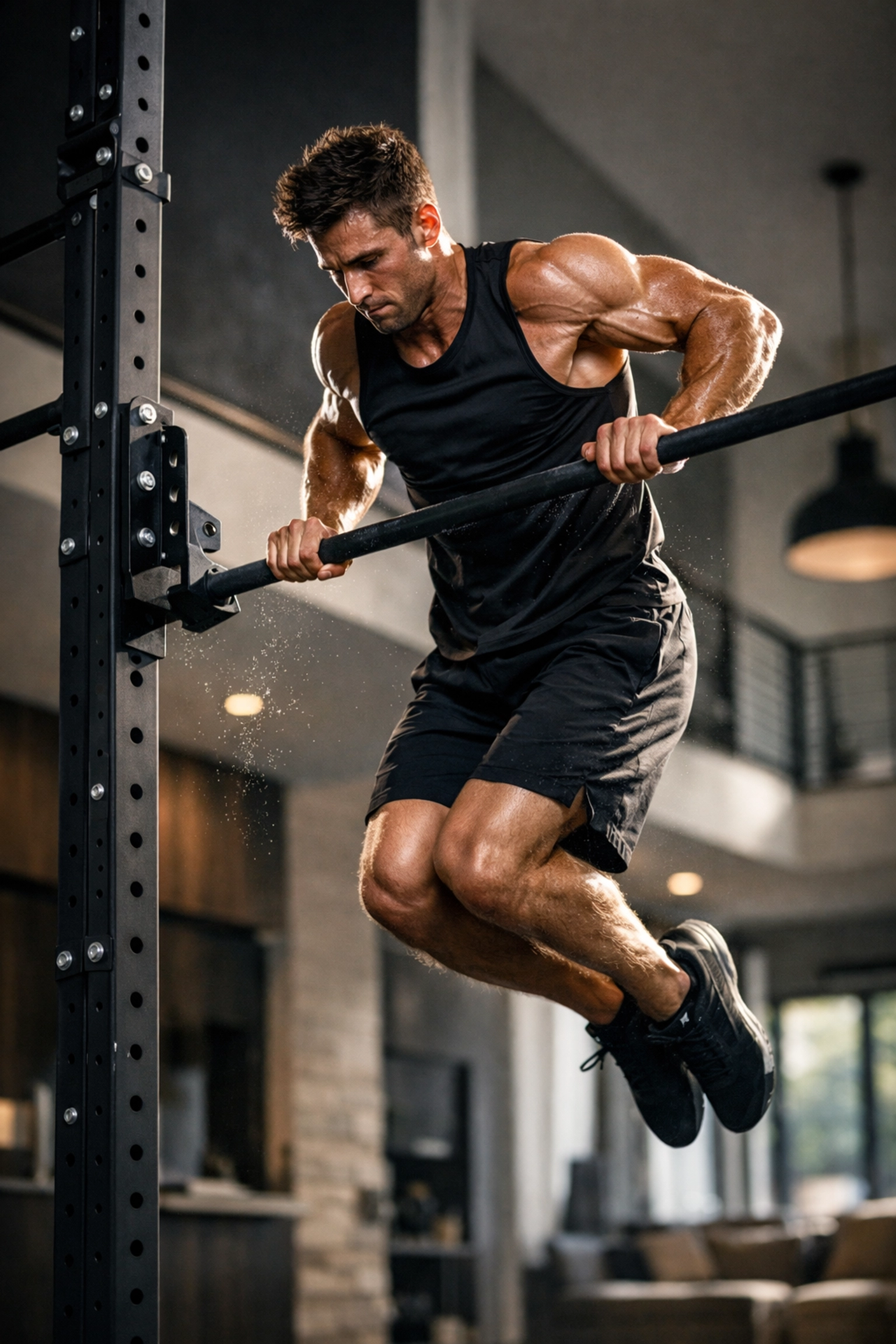
Gymnasts, ninja warriors, and serious calisthenics practitioners figured this out years ago. Vertical training isn't just for pull-ups. It opens up muscle-ups, hanging leg raises, rope climbs, and hundreds of advanced movements that crush any full body workout.
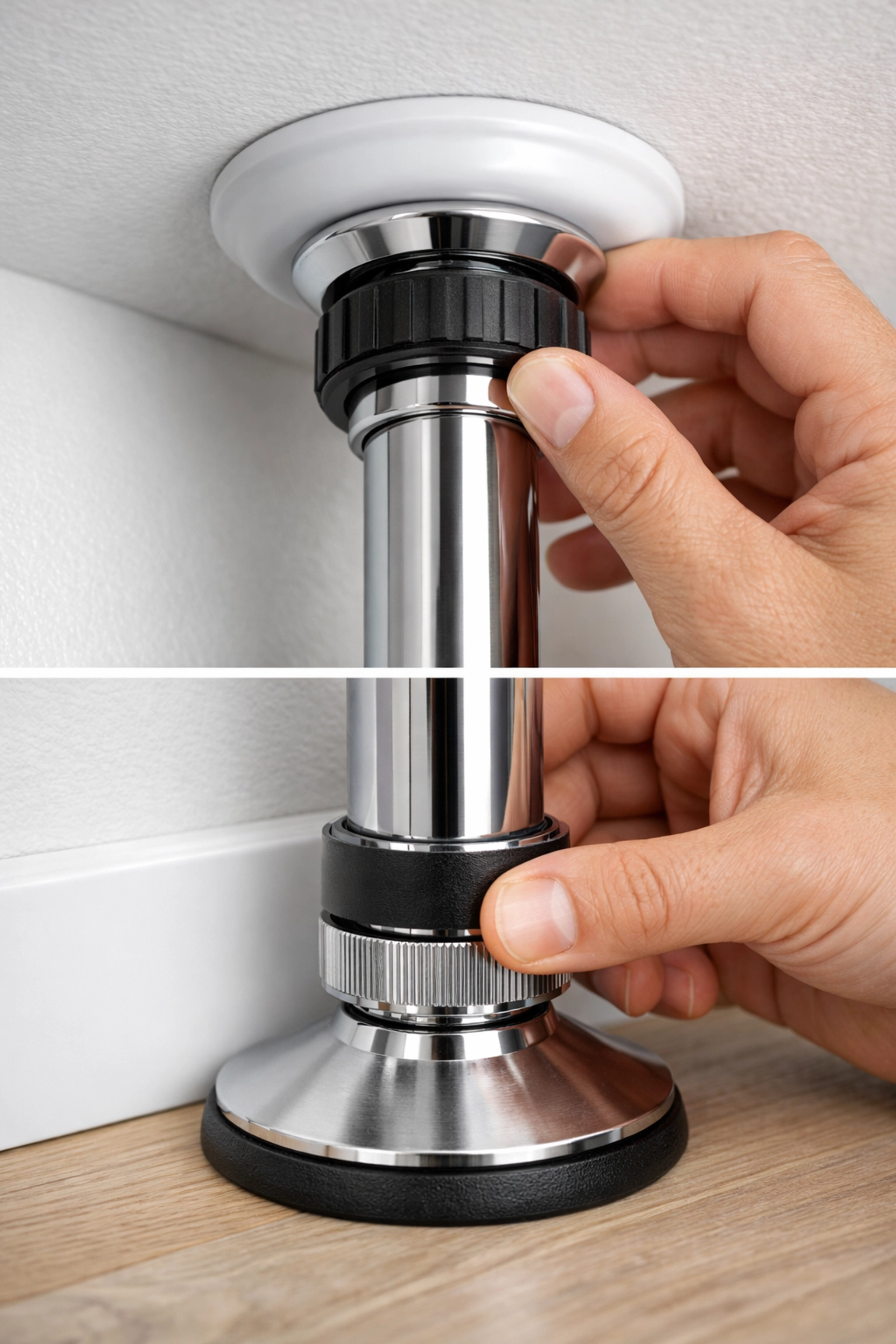
The Fix: Think vertical from day one. Floor-to-ceiling systems maximize space efficiency and unlock movement patterns you can't get any other way. The Resistance Rail system uses tension mounting, no drilling, no permanent damage, and transforms any room into a complete training facility.
Mistake #4: Overbuying Before You Know Your Training Style
This is the mistake that empties bank accounts fastest. Someone decides they want a home gym, researches for a weekend, then buys everything at once based on what "complete home gym" articles tell them.
Three months later, half the equipment never gets touched. Why? Because they bought for someone else's training style, not their own.
Maybe you thought you'd love barbell work, but you actually prefer calisthenics and bodyweight movements. Or you bought a rowing machine because some article said you "need cardio," but you'd rather do HIIT circuits with resistance training.
The Fix: Start minimal and grow organically. Get the basics that support full body workouts, pull-up capability, resistance options, and space for bodyweight movements. Train consistently for 2-3 months. THEN add specific equipment based on what you actually enjoy and what's limiting your progress.
This approach saves money and ensures every piece of equipment earns its place. It's how serious CrossFit athletes and MMA fighters build their home gyms, based on real training needs, not marketing hype.
Mistake #5: Not Considering Wall Damage and Installation Hassles
Here's a conversation that happens in thousands of homes: "Yeah, we COULD mount that pull-up bar, but we're renting and can't put holes in the wall." Or: "The equipment is still in boxes because I need to find a contractor to install it properly."
Installation barriers kill home gyms before they start. If your equipment requires professional installation, structural modifications, or permanent mounting, there's a good chance it never gets set up. And equipment that sits in boxes doesn't build muscle.
Then there's the damage factor. Even if you own your home, do you really want to drill anchor bolts into studs, patch drywall later, and deal with that whole mess? Wall-mounted systems often work great: until you want to rearrange, move, or take your equipment with you.
The Fix: Choose no-wall-damage systems that install in minutes without tools. Modern pressure-mount technology is incredibly strong when done right. You get all the benefits of mounted equipment: stability, safety, versatility: without destroying your walls or waiting for installation.
Mistake #6: Focusing on Cardio Machines Over Strength Equipment
Walk into any gym around February, and you'll see rows of treadmills and ellipticals packed with New Year's resolution people. Walk back in July, and half those machines are empty while the strength training area is still busy.
The same pattern plays out in home gyms. People spend $1,500 on a treadmill that becomes a glorified coat rack, when that money could have built a complete strength and conditioning setup.
Here's the thing: you can do cardio anywhere. Running outside is free. Jump ropes cost $15. High-intensity bodyweight circuits torch calories without any equipment. But quality strength training and resistance work? That's where home gym equipment actually adds massive value.
Full body workouts that build real strength, power, and athleticism require resistance. Whether that's bodyweight on rings, weighted movements, or band resistance, that's what equipment should prioritize.
The Fix: If you're setting up a home gym for full body workouts, build around strength and resistance first. Add cardio equipment only after your strength setup is complete and you KNOW you'll use it. Most serious athletes find they don't need dedicated cardio machines at all: their conditioning comes from intense resistance training circuits.
Check out the options at the Bold Body Fitness shop to see how versatile home gym equipment eliminates the need for expensive single-purpose machines.
Mistake #7: Not Planning for Progression
Beginner equipment is great: when you're a beginner. But what happens when you can do 20 pull-ups, and that doorframe bar you bought doesn't allow for weighted variations? Or when resistance bands become too easy and don't provide enough load for growth?
Too many people buy equipment for their current fitness level without thinking six months ahead. Then they hit a plateau, get frustrated, and either stop training or need to buy entirely new equipment.
This is especially critical for serious practitioners: ninja warriors, gymnasts, CrossFit athletes, calisthenics enthusiasts. These athletes need systems that grow with them from foundational movements to advanced skills.
The Fix: Invest in equipment that scales. Adjustable resistance, multiple mounting heights, and systems that support progression from basic to advanced movements. The best home gym equipment works for beginners AND experts.
A truly versatile home gym system lets you add resistance bands for strength work, adjust heights for different movement patterns, and supports advanced skills like muscle-ups, levers, and dynamic movements as you progress.
The Smart Way to Build Your Home Gym
Look, I'm not here to tell you that home gym equipment is cheap or that there's some magic shortcut. Quality gear costs money. But there's a massive difference between spending money wisely and wasting it.
Avoid these seven mistakes and you'll build a home gym that:
- Costs less upfront
- Delivers better workouts
- Grows with your abilities
- Actually gets used consistently
- Doesn't destroy your home
The secret is simple: prioritize versatility, quality, and space efficiency over collections of specialized equipment.
Whether you're training for ninja competitions, building calisthenics strength, or just want effective full body workouts without the gym commute, the right equipment setup makes all the difference.
Start with the essentials. Make sure they're high-quality and multi-functional. Then add strategically based on your actual training needs and progress.
Your home gym should be a training tool, not a museum of equipment you bought once and never use. Make these decisions right the first time, and you'll save money, space, and: most importantly: actually build the strength and skills you're after.
Ready to build a home gym that actually works? Skip the mistakes, invest smart, and train hard. Your future self will thank you.
