
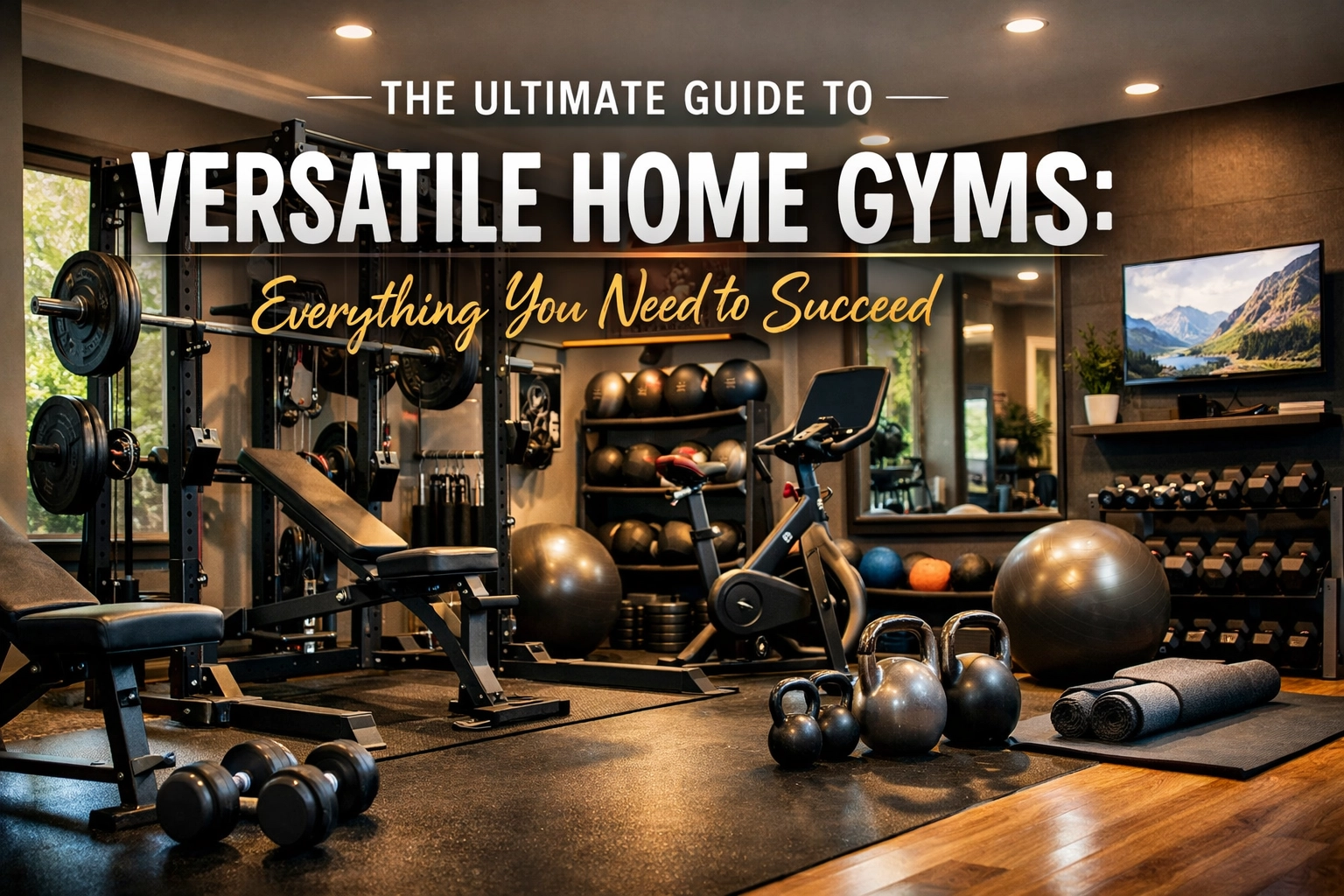
Most home gyms fail because they're built around single-purpose equipment that collects dust after the initial excitement wears off. A truly versatile home gym isn't about cramming every piece of equipment imaginable into your garage: it's about strategically selecting adaptable tools that unlock unlimited training possibilities without turning your space into a cluttered mess.
Whether you're a CrossFit athlete chasing new PRs, an MMA fighter building fight-ready conditioning, or a calisthenics practitioner perfecting bodyweight mastery, the principles of building a versatile home gym remain the same: prioritize multi-use equipment, maximize training variety, and eliminate the excuses that keep you from showing up consistently.
What Makes a Home Gym Truly Versatile?
Versatility in a home gym means three things: exercise variety, progressive overload capability, and space efficiency. The equipment you choose should enable hundreds of different movements, allow you to gradually increase resistance as you get stronger, and accomplish all this without requiring a warehouse-sized footprint.
The biggest mistake people make is buying equipment that only serves one purpose. A leg extension machine might be great for quad isolation, but it's a one-trick pony that eats up valuable floor space. Compare that to a set of resistance bands or a floor-to-ceiling training system that can target every muscle group through dozens of different exercises: that's versatility.
For serious athletes, a versatile home gym needs to support multiple training modalities: strength work, explosive power development, endurance conditioning, mobility training, and skill practice. Your setup should be just as comfortable handling heavy compound lifts as it is facilitating high-rep calisthenics circuits or technical movement drills.
The Foundation: Core Equipment Every Versatile Home Gym Needs
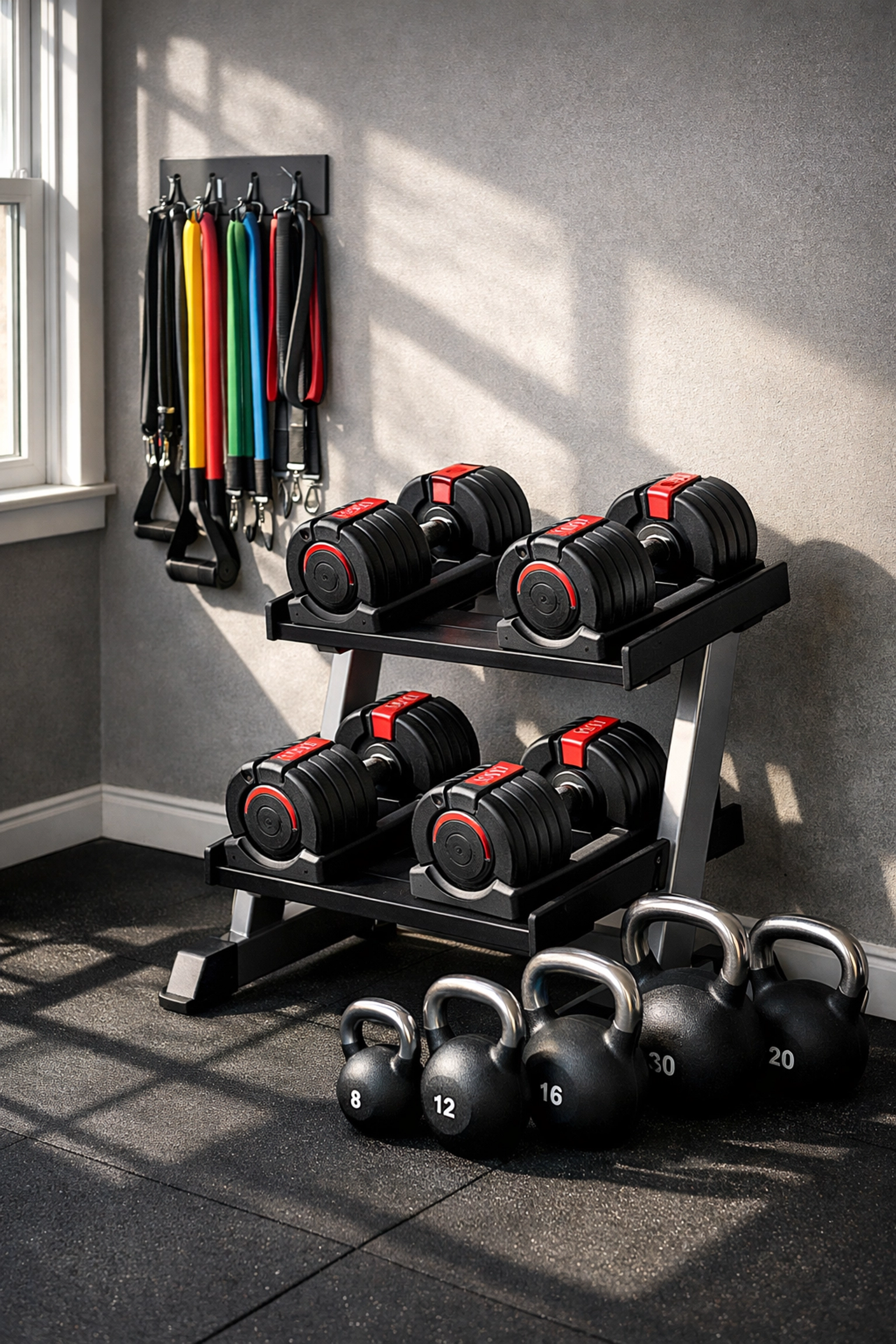
Start with equipment that offers the highest return on investment in terms of exercise variety and training outcomes. These foundational pieces form the backbone of any serious home training setup.
Adjustable Resistance Tools are non-negotiable. Whether that's adjustable dumbbells, kettlebells of varying weights, or a comprehensive resistance band set, you need the ability to scale load appropriately for different exercises and training phases. Dumbbells alone unlock hundreds of pressing, pulling, squatting, and loaded carry variations that build functional strength across multiple planes of motion.
Bodyweight Training Infrastructure separates amateur setups from legitimate training facilities. A quality pull-up bar or pull-up bar alternative isn't optional: it's essential. Gymnasts, ninja warriors, and calisthenics athletes know that vertical pulling strength is foundational to upper body development. The problem? Most pull-up bars require drilling into walls or doorframes, creating permanent damage that renters can't afford and homeowners don't want.
This is where floor-to-ceiling systems shine. Products like the Resistance Rail from Bold Body Fitness create a stable vertical training platform without a single screw or anchor bolt. You get pull-up bar functionality plus the ability to attach resistance bands, suspension trainers, and other accessories: all from one piece of equipment that installs in seconds and leaves zero wall damage.
A Solid Training Surface matters more than people realize. Whether it's rubber flooring tiles, horse stall mats, or interlocking foam, your floor needs to handle dropped weights, jumping movements, and barefoot training without destroying your foundation or bothering downstairs neighbors.
Equipment Selection by Training Style
Different athletes have different needs, but the beauty of a versatile home gym is that one well-designed setup can serve multiple training styles simultaneously.
For CrossFit Athletes and Functional Fitness Enthusiasts
CrossFit home gym setups need to handle the "constantly varied" part of the methodology. That means equipment for Olympic lifting, gymnastics movements, and metabolic conditioning: often performed back-to-back in the same workout.
Beyond the basics, prioritize:
- Barbell and Bumper Plates: Essential for cleans, snatches, and heavy compound lifts
- Plyo Boxes or Stackable Steps: Box jumps and step-ups for power development
- Jump Rope: Classic conditioning tool that requires zero space
- Wall Ball or Slam Ball: Explosive full-body movements that build work capacity
The key is creating workout variety without requiring a massive equipment list. A floor-to-ceiling training system gives you the gymnastics component (pull-ups, toes-to-bar, muscle-ups) while doubling as an anchor point for resistance band work when you're running circuits that mix strength and conditioning.
For MMA Fighters and Combat Athletes
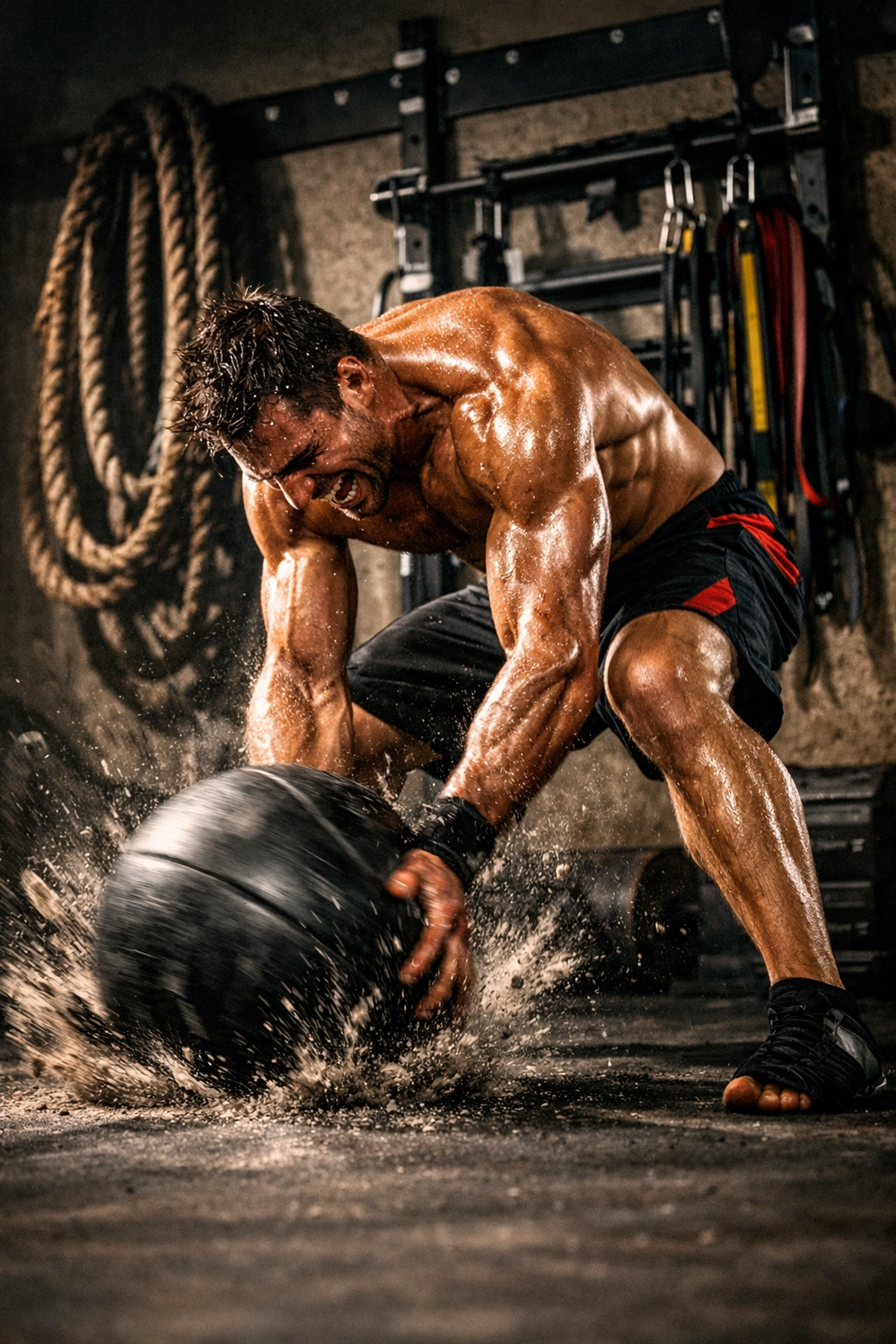
MMA-specific home training demands equipment that builds explosive power, endurance, and functional strength across multiple energy systems. Combat athletes need full body workout at home options that translate directly to the demands of fighting.
Essential tools include:
- Heavy Bag and Speed Bag: Technical striking work and conditioning (if ceiling height allows)
- Battle Ropes: Grip endurance and shoulder conditioning
- Medicine Balls: Rotational power and core strength
- Resistance Bands: Perfect for shadow boxing with added load and mimicking grappling resistance
The beautiful thing about bodyweight training at home for fighters is that it builds relative strength: strength relative to your body weight: which matters infinitely more in combat sports than absolute strength. A versatile pull-up bar setup lets you work everything from strict pull-ups for back strength to explosive muscle-ups for explosive pulling power.
For Gymnasts, Ninja Warriors, and Calisthenics Practitioners
This crew needs equipment that facilitates skill acquisition and progressive calisthenics development. Calisthenics equipment for home doesn't need to be complicated, but it needs to be stable and versatile enough to support advanced progressions.
Must-haves include:
- Parallettes or Dip Bars: Essential for handstand work, L-sits, and pressing movements
- Gymnastic Rings: The ultimate versatile tool for upper body strength and stability
- Foam Blocks or Yoga Blocks: Hand balancing and flexibility work
- Resistance Bands: Assistance for advanced skills like muscle-ups and front levers
A floor-to-ceiling system becomes invaluable here because it provides the structural stability needed for dynamic movements without requiring permanent installation. You can hang rings at various heights, practice rope climbs, work muscle-up transitions, and modify setups between training sessions: all from one central piece of equipment.
Space Optimization: Getting More from Less
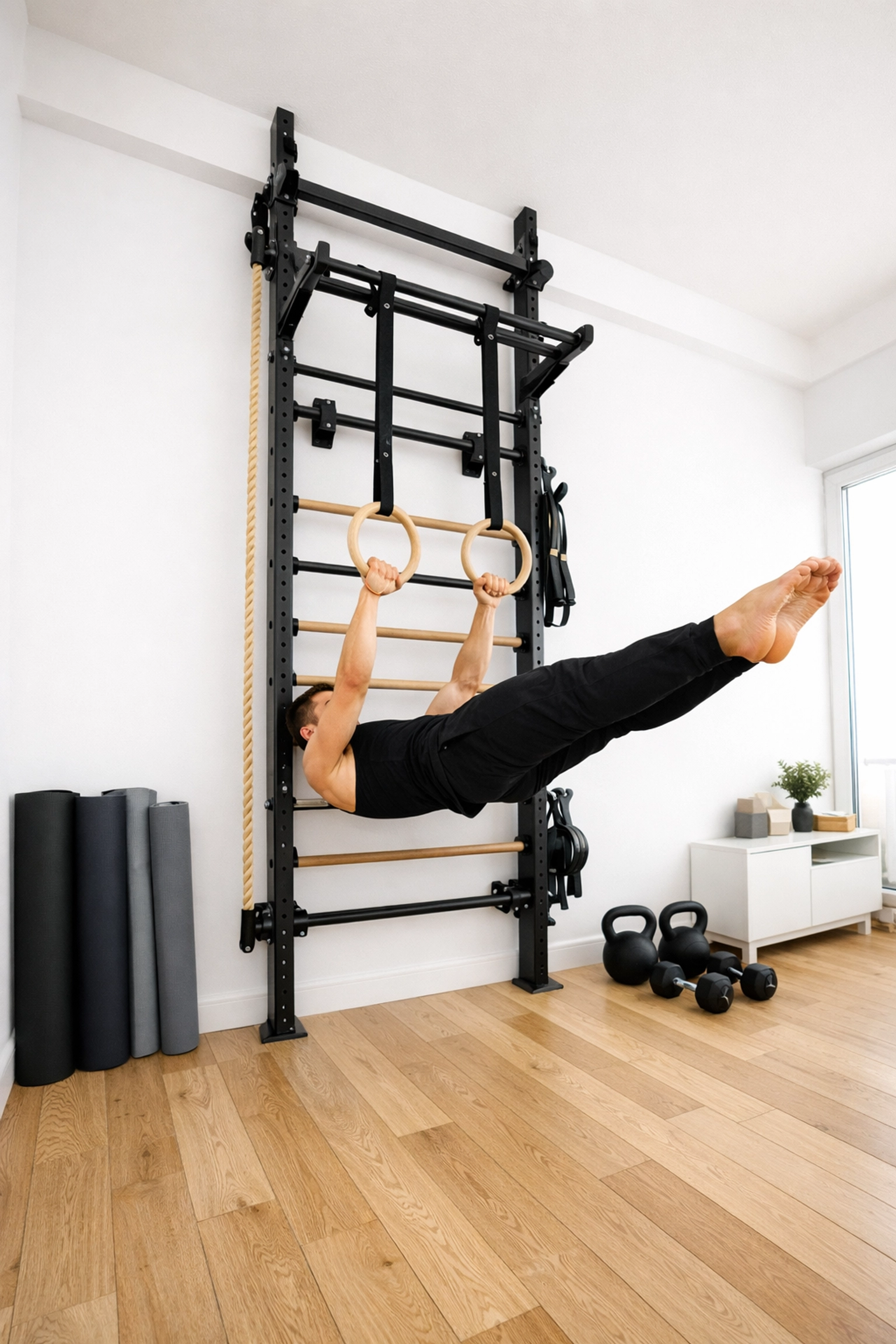
The harsh reality is that most people don't have unlimited space for home training. The key to building a versatile home gym in limited square footage is thinking vertically and prioritizing equipment that serves multiple functions.
Vertical Training Systems maximize your training options while minimizing floor space consumption. A traditional power rack might take up 6-8 feet of floor space, but a ceiling-mounted or floor-to-ceiling system only requires the footprint of wherever you're standing. This opens up your floor for movement-based training, conditioning circuits, and mobility work.
Collapsible and Stackable Equipment keeps your space functional when you're not training. Adjustable dumbbells collapse down to a fraction of the space of traditional dumbbell sets. Resistance bands store in a drawer. Yoga mats roll up. Think about the equipment's storage footprint as much as its active use footprint.
Wall-Mounted Solutions work great if you own your home, but they're death for renters. This is why the no wall damage workout system approach has become increasingly popular. Modern equipment engineering allows for stable, secure training platforms that use tension and leverage instead of permanent mounting: giving you gym-quality stability with apartment-friendly installation.
The Resistance Rail Advantage: One System, Unlimited Options
Here's the truth about most home gym equipment: it's either versatile or stable, but rarely both. Suspension trainers offer tons of exercise variety but lack the stability for heavy resistance work. Power racks are rock-solid but lock you into a fixed footprint and training pattern.
The Resistance Rail from Bold Body Fitness solves this equation by combining floor-to-ceiling stability with modular versatility. The system creates a secure vertical training column using tension between floor and ceiling: zero drilling, zero wall damage, zero permanent modifications to your space.
What makes it particularly valuable for serious athletes is the attachment ecosystem. Mount resistance bands at any height for variable resistance training. Hang gymnastic rings for skill work. Attach a suspension trainer for instability training. Use it as a pull-up bar for strict strength work. Switch between setups in seconds, not hours.
For ninja warriors, this means practicing obstacle-specific movements without building a permanent backyard course. For gymnasts, it's a home training setup that actually supports advanced skills. For CrossFit athletes, it's the gymnastics station that doesn't require permanently installing hardware in your garage. For MMA fighters, it's an anchor point for resistance band strikes, takedown drills, and functional pulling strength.
The system scales with you too. Beginners can use assistance bands to work toward their first pull-up. Advanced athletes can add weight vests or resistance for pull-up PR attempts. The equipment doesn't limit your progression: your work capacity does.
Programming Your Versatile Home Gym
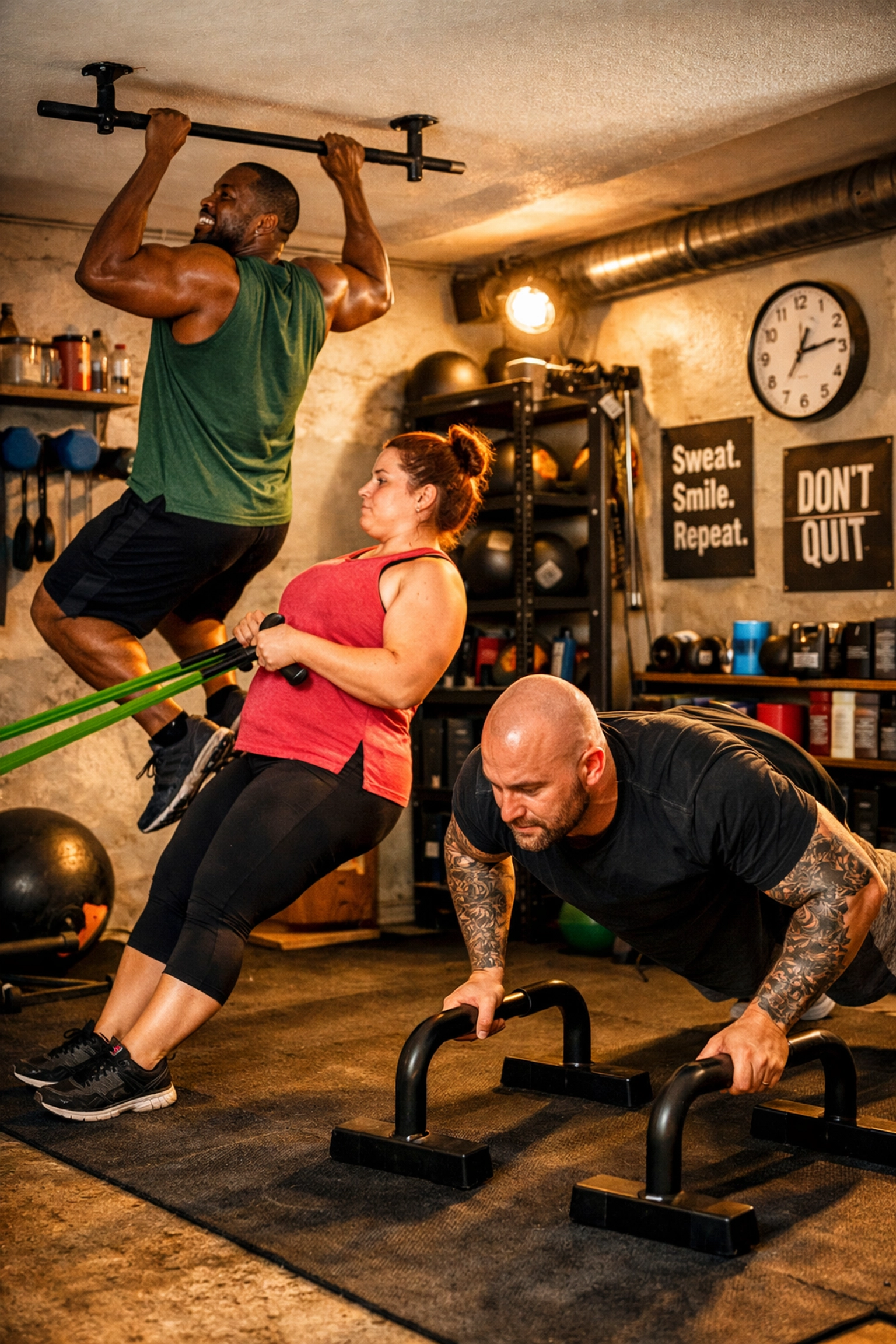
Equipment alone doesn't create results: intelligent programming does. The advantage of a versatile home gym setup is that you can rotate through different training focuses without needing new equipment.
Periodize Your Training Focus by changing exercise selection rather than equipment. One month might emphasize heavy strength work with barbells and dumbbells. The next month could focus on bodyweight skill acquisition and calisthenics progressions. The following month might blend both with functional fitness circuits. Your equipment stays the same, but your training stimulus constantly varies.
Create Training Stations for circuit-style workouts. With a versatile setup, you can design home workouts that flow seamlessly between strength, conditioning, and skill work. Start with pull-ups, move to dumbbell complexes, hit battle ropes for conditioning, and finish with core work on the floor: all within a 10-foot radius.
Use Progressive Overload Strategically by manipulating more than just weight. With bodyweight movements, you can progress by changing leverage (regular push-ups to decline push-ups to handstand push-ups). With resistance bands, you can increase tension by using thicker bands or adjusting your position. With traditional weights, you can add load, increase reps, or decrease rest periods.
Building Your Setup: A Practical Approach
Start with the essentials and expand based on your specific training goals and space limitations. Don't fall into the trap of buying everything at once: that's how you end up with a cluttered garage full of equipment you never use.
Phase 1: Foundation (Months 1-3)
- Quality resistance bands (light to heavy)
- Adjustable dumbbells or kettlebell set
- Floor-to-ceiling training system or pull-up bar alternative
- Basic floor protection
Phase 2: Expansion (Months 4-6)
- Barbell and weight plates (if space allows)
- Parallettes or dip attachment
- Jump rope and plyo box
- Additional specialized tools based on training style
Phase 3: Optimization (Months 7+)
- Conditioning equipment (rower, assault bike, etc.)
- Specialty items for specific skills
- Upgraded accessories and attachments
- Fine-tuning based on actual usage patterns
The most important investment isn't the equipment itself: it's creating a training environment that eliminates excuses. If your home gym is convenient, versatile, and actually enjoyable to use, you'll train consistently. Consistency beats perfect equipment every single time.
The Bottom Line
A versatile home gym isn't built around expensive machines or Instagram-worthy aesthetics. It's built around honest assessment of your training needs, smart equipment choices that maximize training variety, and a commitment to actually using what you buy.
The athletes who succeed with home training are the ones who understand that versatility means freedom: freedom to train on your schedule, experiment with different methodologies, and progress at your own pace without monthly gym fees or commute times eating into your training time.
Whether you're building a full garage gym or optimizing a spare bedroom corner, the principles remain the same: choose multi-use equipment, prioritize stability and safety, and design a space that makes you actually want to train. Everything else is just details.
Ready to build your own versatile training setup? Check out the complete range of equipment and accessories at Bold Body Fitness and start training without limits.
