
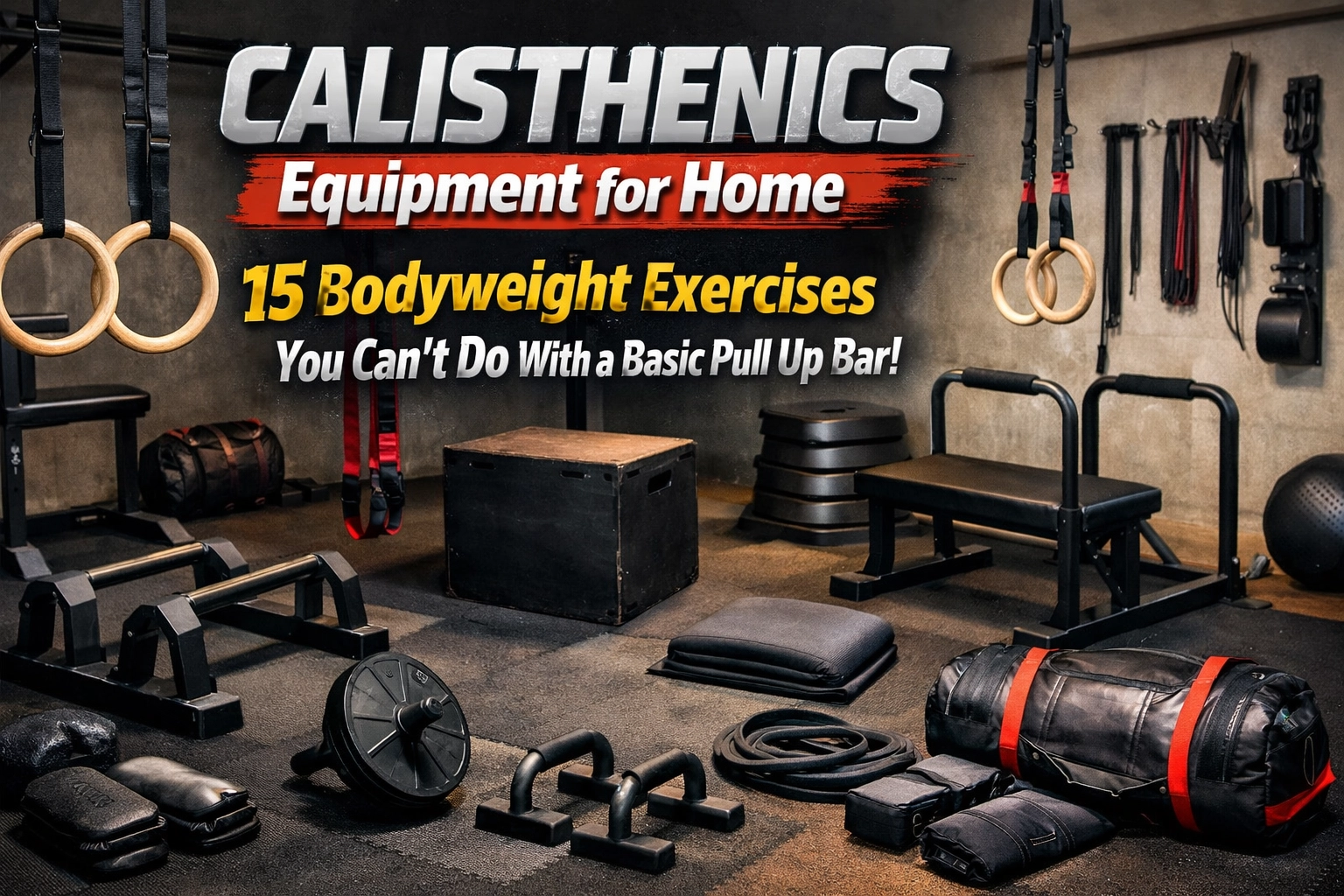
Let's be real: a basic pull-up bar is great for what it does. But if you think you're building a complete calisthenics arsenal with just a doorway bar, you're missing about 80% of what serious bodyweight training at home can offer.
Pull-ups are killer. Chin-ups? Fantastic. But elite ninja warriors, gymnasts, CrossFit athletes, and MMA fighters don't build their physiques on vertical pulling alone. They need pressing, core stability, horizontal pulling, explosive power, and advanced movement patterns that a simple bar bolted to your doorframe just can't deliver.
The truth is, versatile home gym equipment opens up an entirely different dimension of training: one where you can progressively overload every muscle group, hit angles that target weak points, and develop the kind of strength that translates to real-world performance.
Here are 15 bodyweight exercises you absolutely cannot do with a basic pull-up bar: and what you need to unlock them.
Upper Body Pushing Power
1. Ring Dips
Standard dips are already superior to push-ups for building chest, triceps, and shoulder strength. But ring dips? They're on another level. The instability forces your stabilizer muscles to fire constantly, building functional strength that fixed bars can't touch.
With a floor to ceiling gym setup like the Resistance Rail, you can adjust ring height instantly: no wall damage, no drilling, just pure performance. This kind of adjustability means you can progress from assisted dips to full ring dips to weighted variations without buying multiple pieces of equipment.
2. Pseudo Planche Push-Ups
Want straight-arm strength that makes regular push-ups feel like a warm-up? Pseudo planche push-ups shift your center of gravity forward, loading your shoulders and core in ways that build toward full planche progressions.
You need floor space and the mental fortitude to embrace the burn. No bar required: just you, the ground, and the determination to lean forward until your shoulders are screaming.
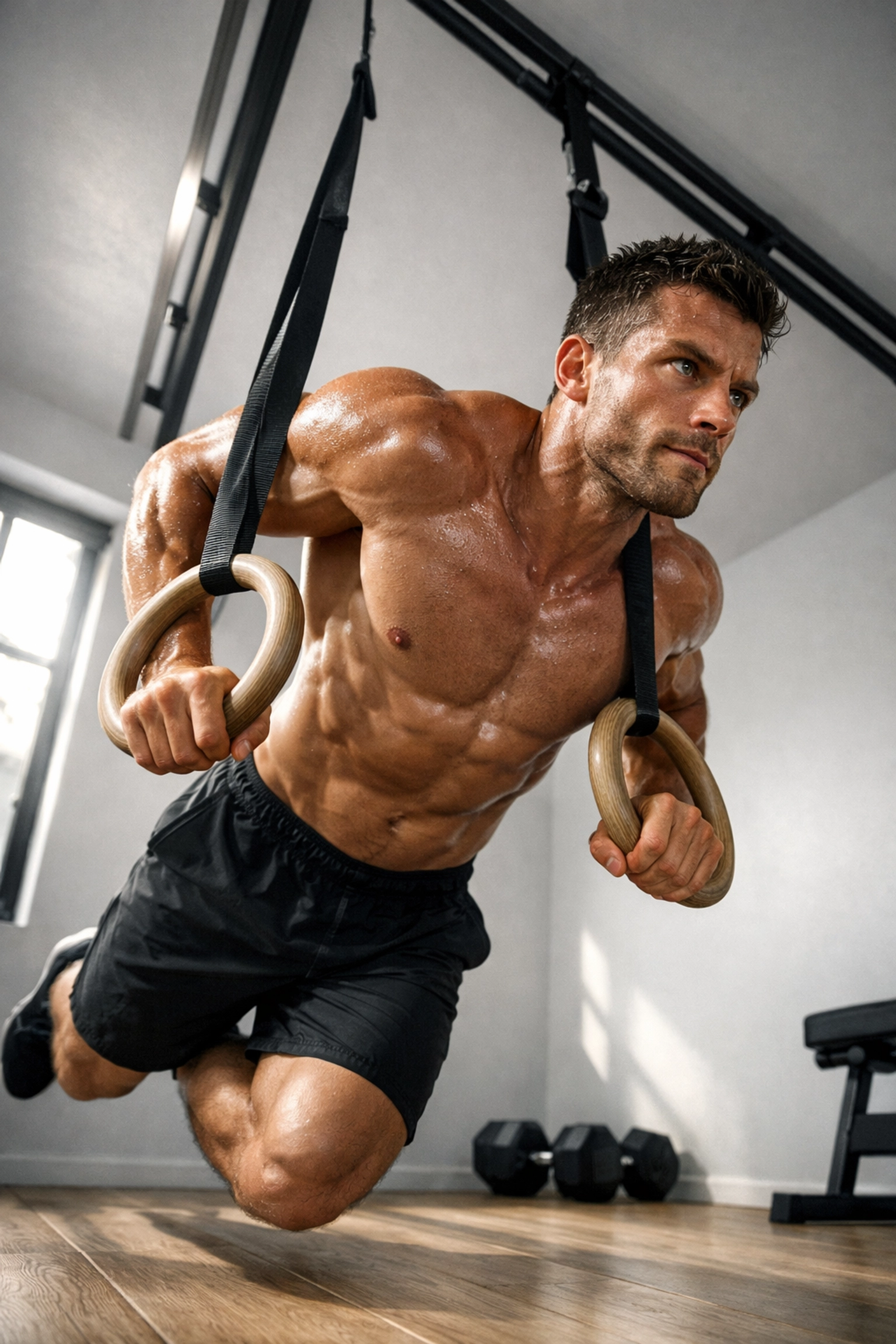
3. Archer Push-Ups
These single-arm push-up progressions develop unilateral pressing strength while maintaining some assistance from your off-hand. They're perfect for building toward one-arm push-ups and expose strength imbalances that bilateral movements hide.
Your pull-up bar? Useless here. But your floor and proper programming? Game-changers.
Core and Compression Strength
4. L-Sit Progressions
The L-sit is a fundamental gymnastics position that builds insane core strength and hip flexor endurance. Whether you're holding it on parallettes, rings, or even the floor with straight arms, this isometric position develops the compression strength necessary for advanced calisthenics.
A basic pull-up bar doesn't give you the clearance or stability needed for proper L-sit work. You need a stable platform where your legs have room to extend forward without hitting anything.
5. Dragon Flags
Bruce Lee made these famous for a reason. Dragon flags are one of the most brutal core exercises in existence, working your entire anterior chain from shoulders to hips in one continuous line of tension.
You need a stable bench, a specialized setup, or adjustable equipment where you can anchor your hands behind your head. The Bold Body Fitness Resistance Rail system provides exactly this kind of versatility: turn it into a dragon flag station in seconds, then switch to something else just as fast.
6. Hanging Leg Raises with Rings
"But I can do leg raises on my pull-up bar!" Sure. But ring leg raises add an instability component that absolutely torches your core and grip. The rings move as you lift, requiring constant stabilization that makes standard hanging leg raises feel elementary.
Horizontal Pulling Variations
7. Ring Rows (Multiple Angles)
Horizontal pulling is criminally underrated in most bodyweight training programs. Ring rows allow you to adjust difficulty by changing your body angle, hit different muscle groups by adjusting hand position, and build the posterior chain strength that balances out all that pressing.
Your pull-up bar only moves you vertically. Ring rows develop strength through multiple planes of motion: exactly what functional fitness demands.
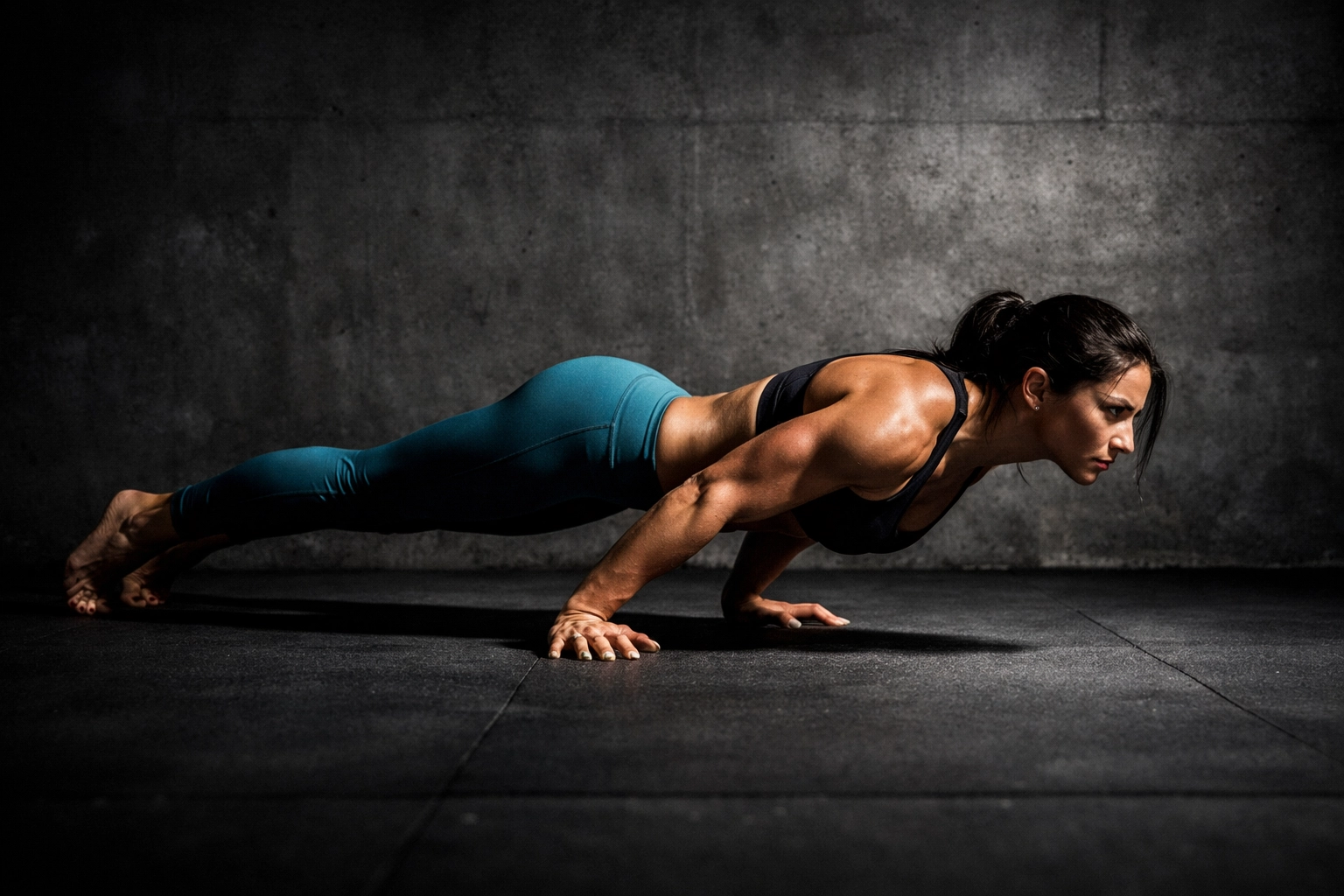
8. Inverted Rows with Feet Elevated
Take ring rows further by elevating your feet. This increases the difficulty, shifts more load to your back, and develops the kind of pulling strength that translates directly to muscle-up progressions.
The key is having adjustable height equipment. With a no wall damage workout system, you can change positions quickly without the frustration of fixed equipment or the commitment of permanent installations.
9. Face Pulls with Rings
Rear delt and upper back development is critical for shoulder health and posture. Ring face pulls provide constant tension through the movement and allow for natural scapular movement that cables and machines restrict.
This isn't happening on your doorway pull-up bar. You need rings or similar equipment attached to a versatile anchor point.
Advanced Gymnastics Movements
10. Skin the Cat
This shoulder mobility and strength builder is a staple in gymnastics training. You hang from rings, tuck your knees, and rotate backward through your shoulders until you're in a German hang position, then reverse back.
The movement requires rings with enough clearance and stability. A pull-up bar doesn't allow the rotation or clearance needed: you'd smash into the doorframe.
11. Muscle-Up Transitions
The muscle-up combines pulling and pushing into one explosive movement. While you can technically do a bar muscle-up on a pull-up bar, ring muscle-ups are the gold standard. They require more technique, more stability, and build more functional strength.
Ring height needs to be perfect: too low and you can't perform them safely, too high and you can't practice transitions. Adjustable calisthenics equipment for home solves this instantly.
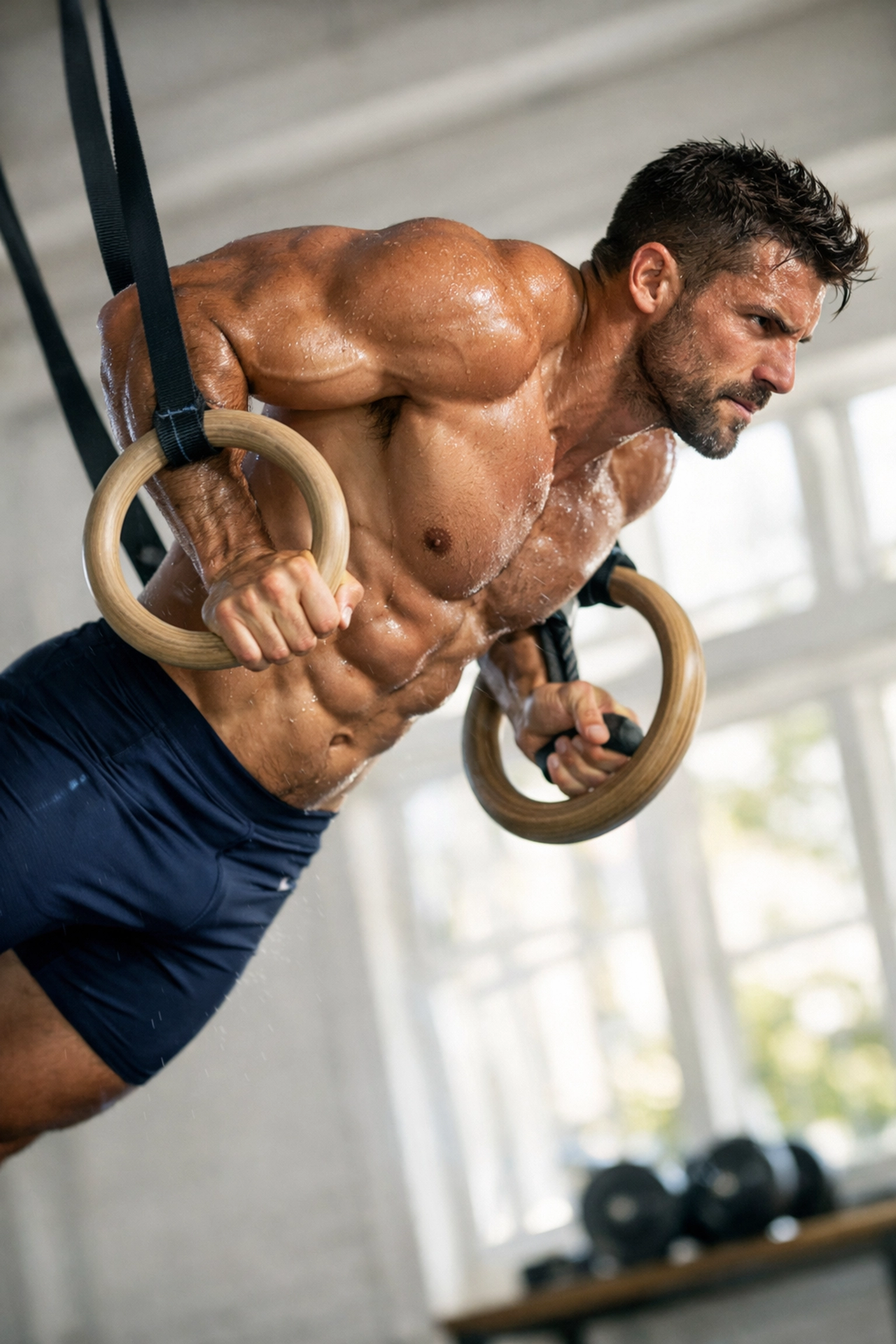
12. Planche Progressions (Tuck, Straddle, Full)
The planche is the ultimate straight-arm pushing exercise. Building toward it requires dedicated practice on stable parallettes, rings, or the floor with proper hand positioning.
You'll progress through tuck planche, advanced tuck, straddle, and eventually full planche over months or years. None of these progressions involve hanging from a bar. They're about pushing your body horizontal while hovering above the ground.
Lower Body and Posterior Chain
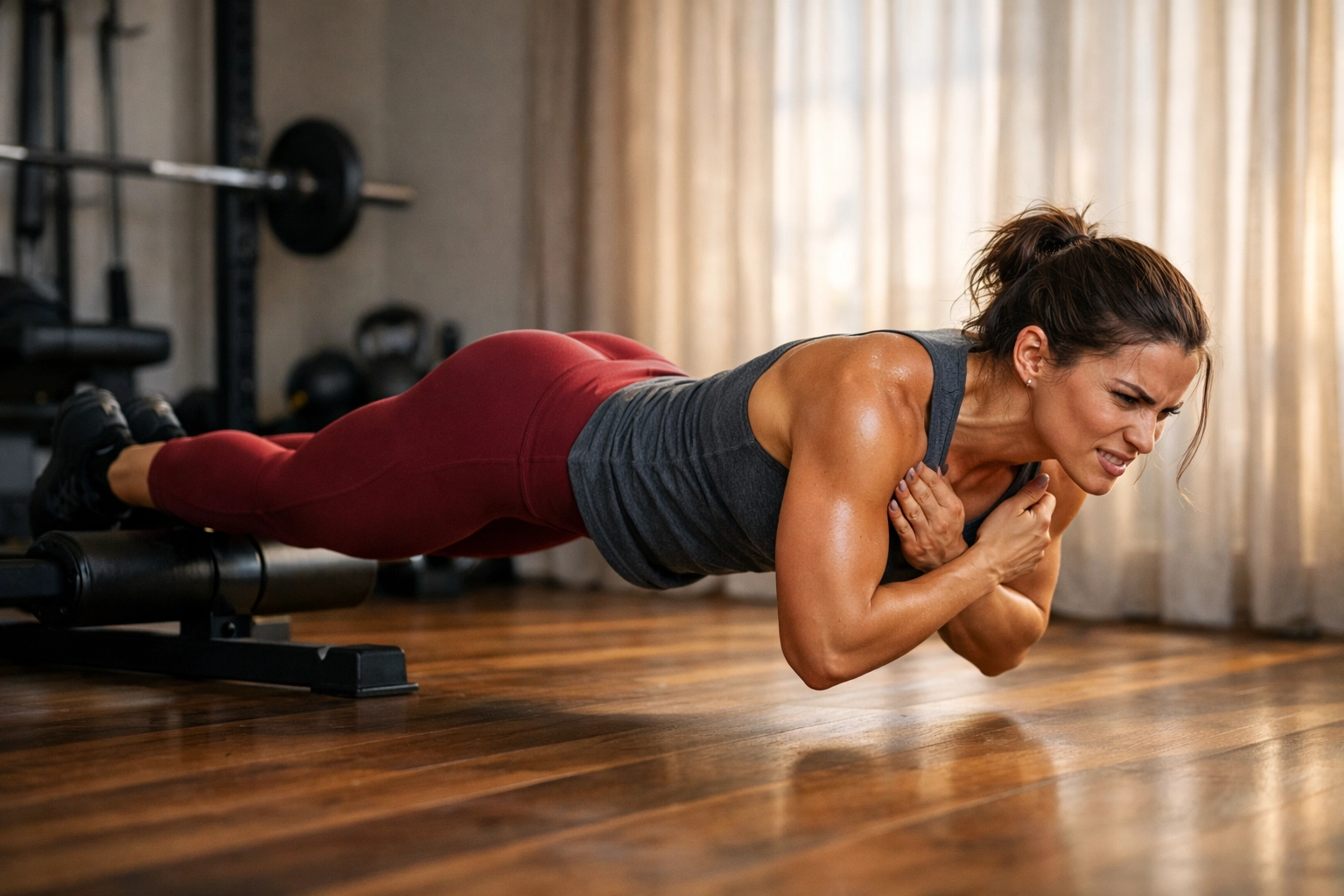
13. Nordic Curls
Your hamstrings are screaming just thinking about these. Nordic curls are one of the most effective bodyweight exercises for hamstring strength and injury prevention, but they require an anchor point for your feet.
You kneel with your ankles secured, then lower yourself forward with control, resisting gravity with pure hamstring strength. A CrossFit home gym setup with adjustable equipment makes these accessible: a pull-up bar doesn't.
14. Pistol Squats with Assistance
Single-leg squats build unilateral leg strength, expose imbalances, and develop the stability and mobility that bilateral squats can't touch. While advanced athletes can perform these unassisted, most people benefit from holding onto suspension trainers or rings for balance during progressions.
Having resistance training equipment that adjusts to your height and allows for this kind of assistance work is crucial for proper progression.
15. Shrimp Squats
Another single-leg squat variation, shrimp squats involve holding one foot behind you while descending into a deep squat on the other leg. They emphasize quad strength and require exceptional balance and flexibility.
While these can be performed without equipment, many athletes use rings or suspension trainers for assistance during the learning phase. The point is: you need more than a basic pull-up bar to build complete lower body strength.
Why Equipment Versatility Matters
Here's what serious athletes understand: full body workout at home requires equipment that adapts to your training, not training that adapts to limited equipment.
A doorway pull-up bar costs $20-40 and provides exactly one exercise angle. Meanwhile, a versatile home gym system opens up literally hundreds of exercise variations. The Resistance Rail system transforms any room into a complete training facility without permanent installations or wall damage.
This matters for several reasons:
Progressive overload: As you get stronger, you need to increase difficulty. With adjustable equipment, you can change angles, add resistance bands, or modify leverage to keep making gains.
Injury prevention: Training only vertical pulling creates muscular imbalances. Comprehensive bodyweight training at home requires equipment that supports all movement patterns: pressing, pulling (vertical and horizontal), squats, hinges, and rotation.
Space efficiency: Instead of cluttering your home with multiple fixed pieces of equipment, one versatile system can replace parallettes, a dip station, rings stations, and more.
Training variety: Your body adapts to repeated stimulus. Having access to diverse exercises keeps your training fresh and your progress consistent.
Building Your Complete Home Calisthenics Setup
If you're serious about bodyweight training, here's what you actually need:
Adjustable height system: Whether it's a Resistance Rail or similar floor-to-ceiling setup, this becomes your training foundation. You can attach rings, resistance bands, or suspension trainers and adjust height for any exercise.
Gymnastic rings: The most versatile single piece of calisthenics equipment. Rings enable dozens of exercises at various difficulty levels and angles.
Parallettes: For L-sits, planches, and various hand-balancing work. These can be standalone or improvised with stable chairs for beginners.
Resistance bands: Perfect for assistance work, adding resistance to movements, or performing specific pulling variations.
Floor space: Never underestimate clear floor space for push-up variations, mobility work, and ground-based movements.
Check out the full range of home gym equipment designed specifically for serious athletes who refuse to compromise on their training.
The Bottom Line
A basic pull-up bar is a starting point, not a destination. If you're a ninja warrior, gymnast, CrossFit athlete, MMA fighter, or dedicated calisthenics practitioner, you know that elite performance requires comprehensive strength development.
These 15 exercises represent just a fraction of what becomes possible when you invest in proper calisthenics equipment for home. They target muscle groups and movement patterns that vertical pulling alone can't touch. They build the kind of functional, athletic strength that translates to performance in your sport and resilience in your life.
The best part? You don't need a massive warehouse gym or thousands of dollars in equipment. You need smart, versatile tools that adapt to your training: and the commitment to push beyond what's comfortable.
Stop limiting your potential with limited equipment. Your body is capable of incredible feats of strength. Give it the tools to prove it.
