
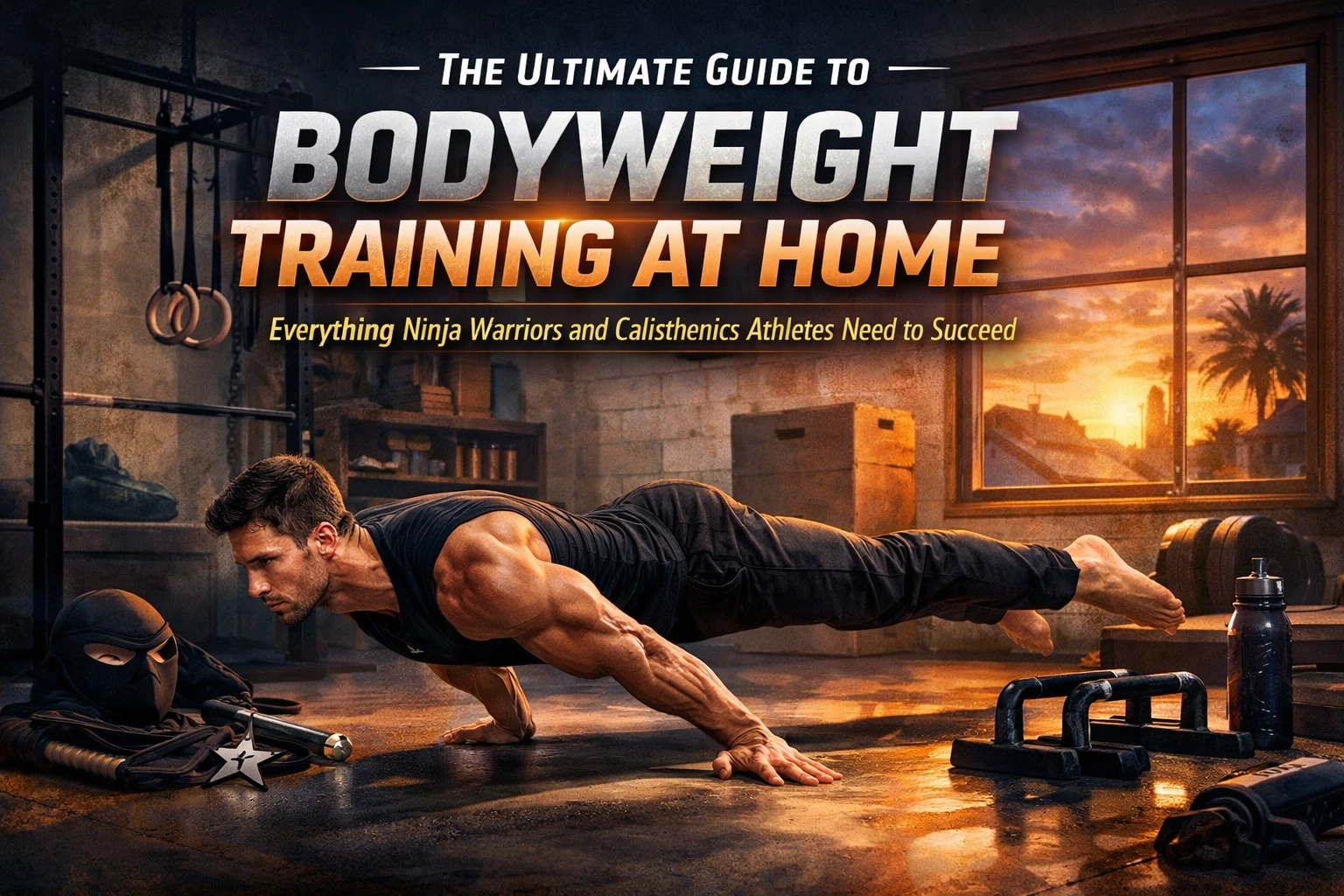
Let's cut through the noise: bodyweight training at home isn't just for beginners doing modified push-ups on their knees. Elite ninja warriors, gymnasts, and calisthenics athletes have been proving for years that your own body is the most versatile piece of equipment you'll ever own. If you're serious about building explosive power, functional strength, and the kind of movement quality that separates weekend warriors from actual competitors, it's time to treat bodyweight training like the sophisticated discipline it is.
Why Ninja Warriors and Calisthenics Athletes Dominate with Bodyweight Training
Watch any American Ninja Warrior competition or advanced calisthenics athlete training, and you'll notice something immediately: these athletes move with a level of body control that most gym-goers never achieve. That's not by accident.
Bodyweight training forces you to master relative strength: the ratio of your power output to your body weight. When you're hanging from a warped wall or holding a planche, there's no machine to help you. Your stabilizer muscles, core, and proprioception all work in perfect synchronization. This creates athletic carryover that weights alone can't replicate.
The beauty of full body workout at home programming? You eliminate excuses. No gym membership. No commute. No waiting for equipment. Just you, your space, and the commitment to show up consistently.
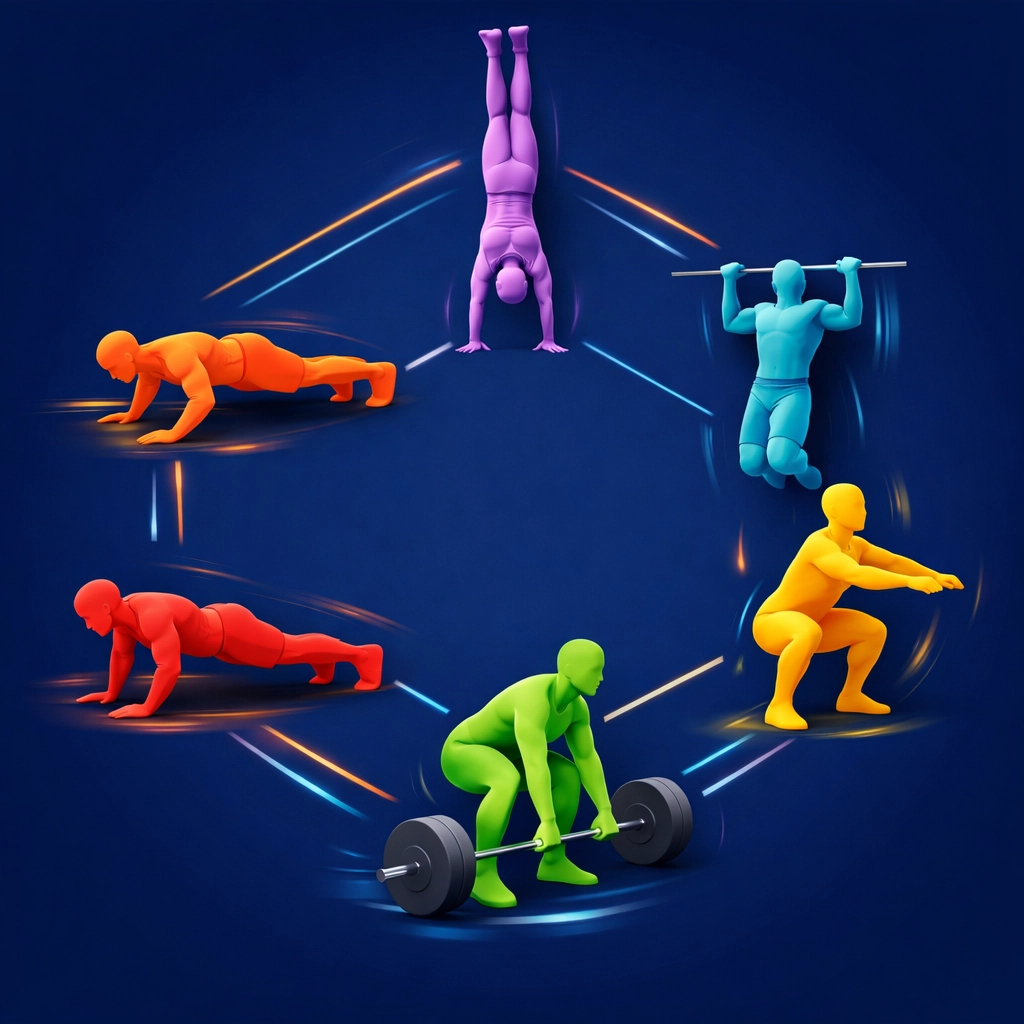
The Six Core Movement Patterns That Build Elite Athletes
Every effective bodyweight training program revolves around fundamental human movements. Here's how to structure your training for maximum results:
1. Upper Body Push (Horizontal and Vertical)
Push-ups and their endless variations form the foundation, but don't stop there. Pike push-ups, pseudo planche push-ups, and handstand progressions build the pressing strength that translates directly to obstacle courses and advanced holds.
Progressive approach: Start with standard push-ups (3 sets of 15 reps), then progress to decline push-ups, then diamond push-ups, and eventually towards one-arm variations or planche work.
2. Upper Body Pull
This is where most home training programs fall apart. You need a pulling stimulus to balance your pushing work and build the back strength required for rope climbs, ledge grabs, and advanced skills.
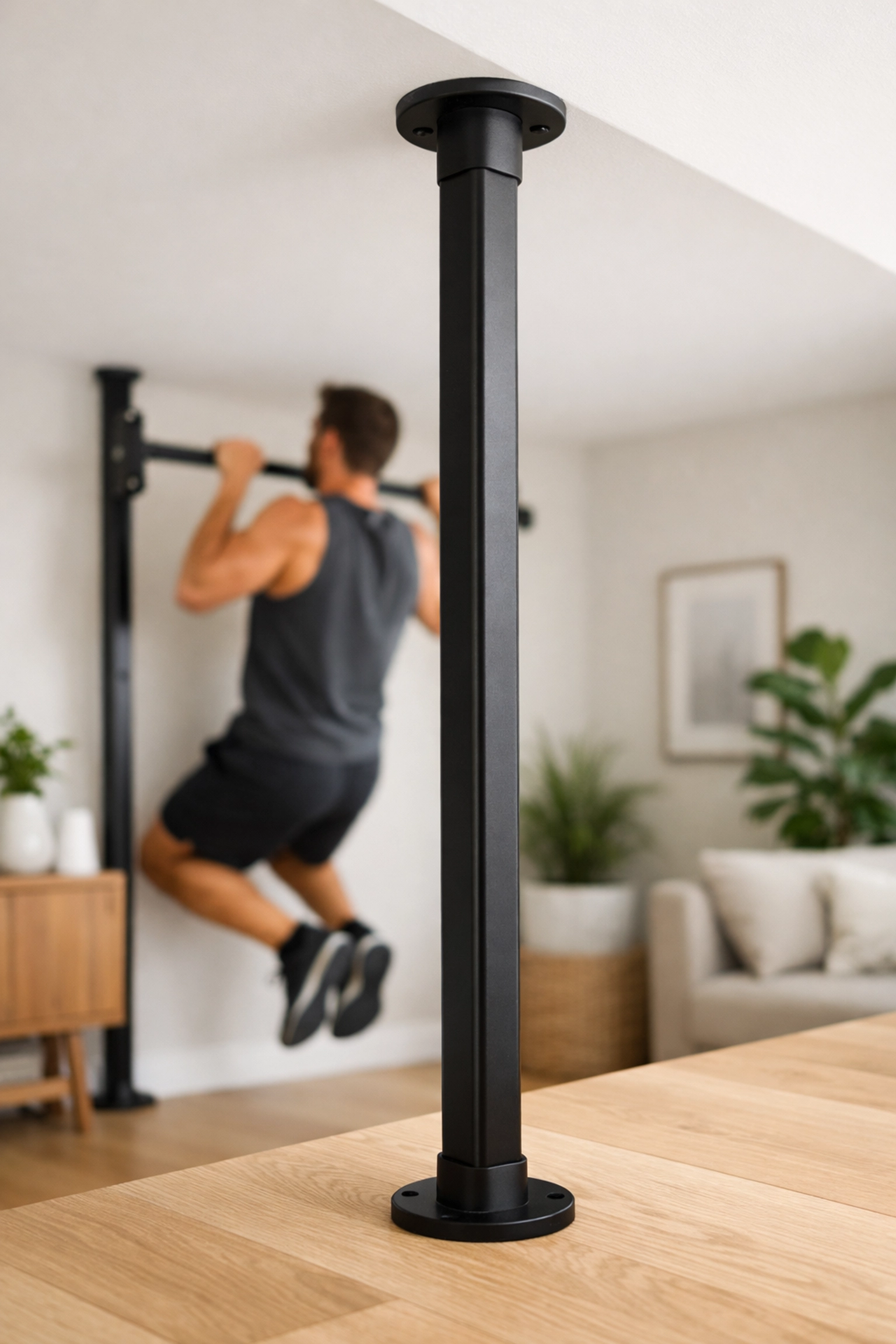
If you're working with a versatile home gym setup, this becomes significantly easier. The Resistance Rail from Bold Body Fitness offers a legitimate pull up bar alternative that doesn't require drilling into walls or doorframes. Floor-to-ceiling tension means you can train rows, pull-ups, and even advanced movements like levers without permanently modifying your space: a game-changer for renters or anyone who wants a no wall damage workout system.
Progressive approach: Australian rows (3 sets of 10-12 reps), standard pull-ups (3 sets of 5-8 reps), then advance toward weighted variations, one-arm progressions, or muscle-ups.
3. Lower Body Anterior Chain
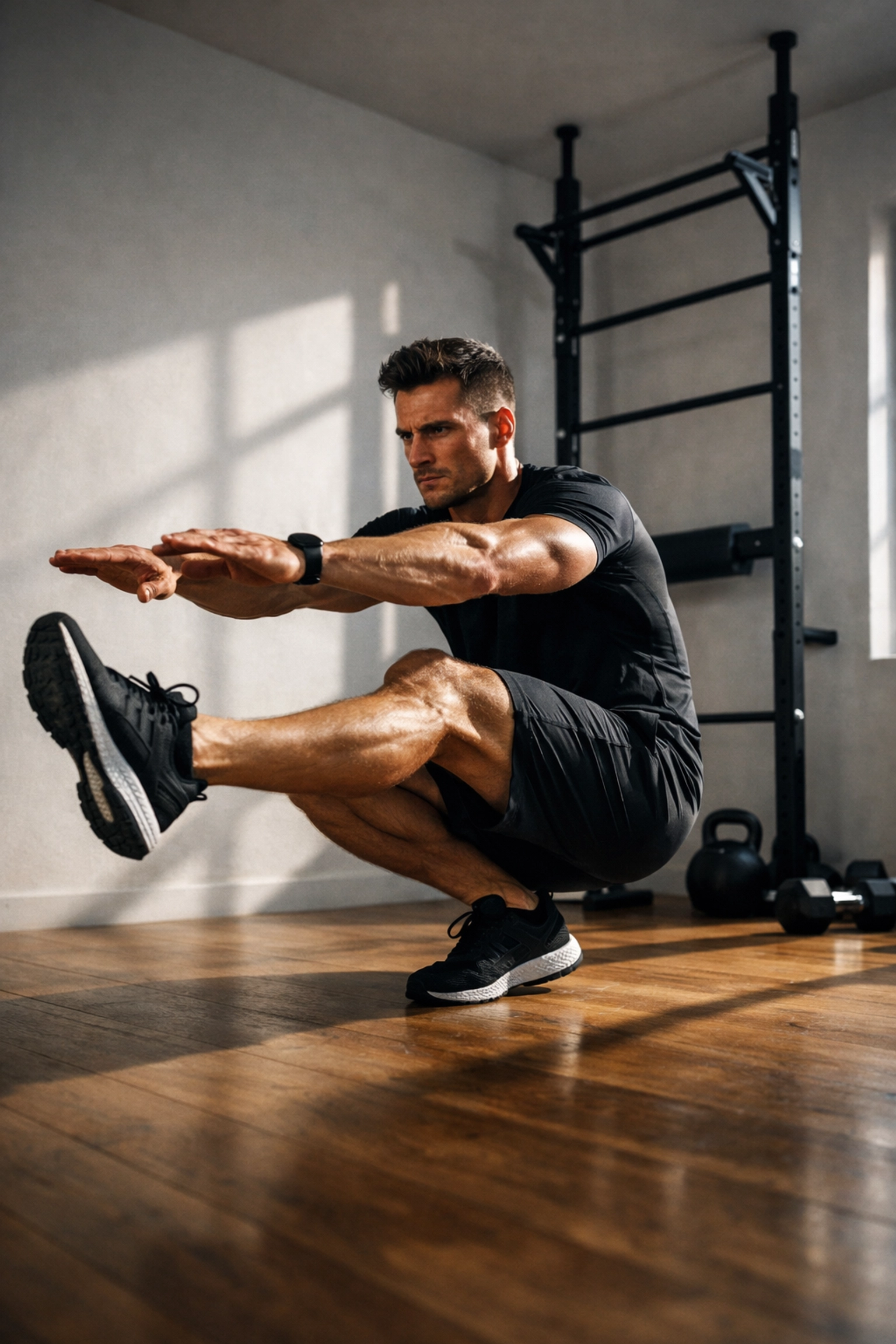
Squats, lunges, and split squats build the quad and hip flexor strength needed for explosive jumps and stable landings. Ninja warrior obstacles demand lightning-fast direction changes: your legs need to be bulletproof.
Progressive approach: Bodyweight squats (3 sets of 15-20 reps), Bulgarian split squats (3 sets of 10 per leg), pistol squat progressions, and eventually explosive variations like jump squats or shrimp squats.
4. Lower Body Posterior Chain
Your glutes and hamstrings are your power generators. Single-leg Romanian deadlifts, glute bridges, and Nordic curls develop the posterior strength that keeps you injury-free and explosive.
Progressive approach: Glute bridges (3 sets of 15-20 reps), single-leg Romanian deadlifts with bodyweight (3 sets of 10 per leg), then Nordic curl progressions with assistance.
5. Core and Anti-Rotation
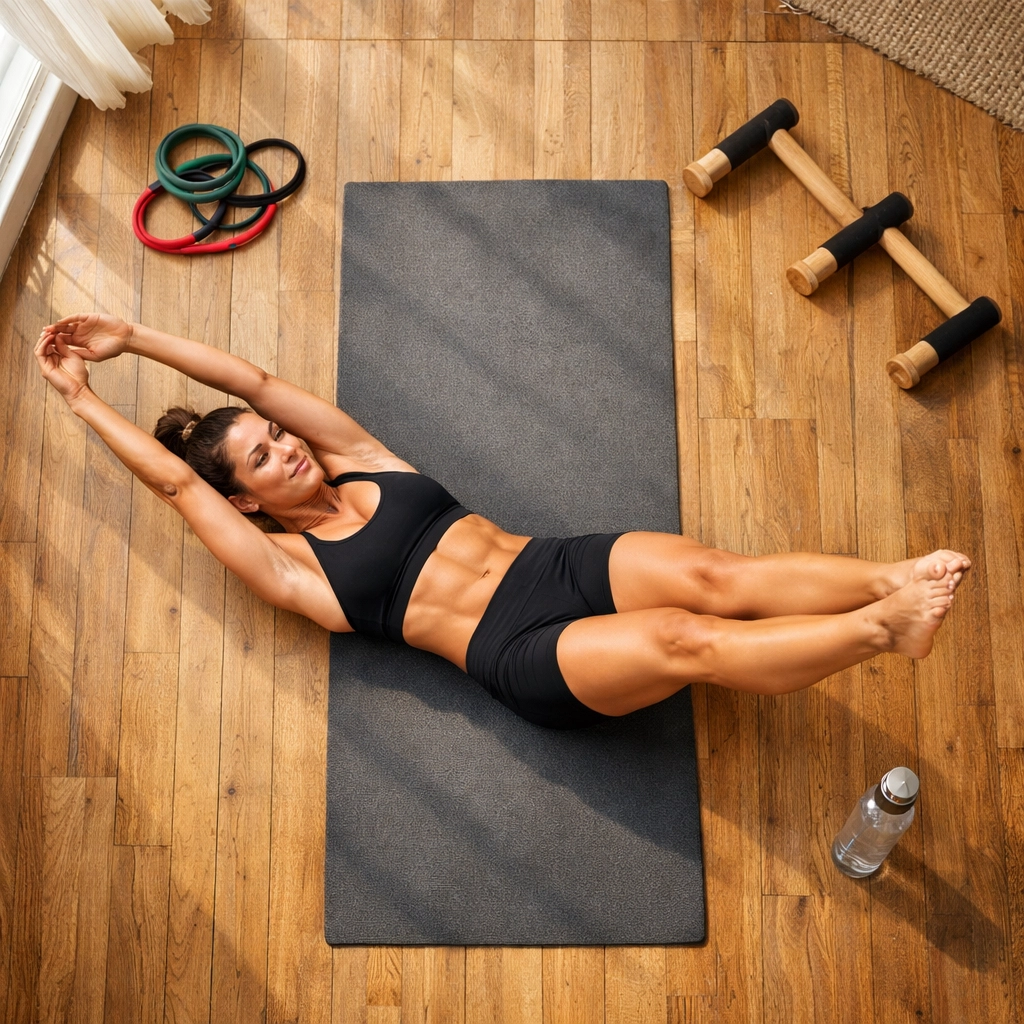
Forget mindless crunches. Elite athletes need 360-degree core strength that resists rotation, maintains hollow body positions, and generates power transfer between upper and lower body.
Key exercises: Hollow holds, L-sits, plank variations, dead bugs, and anti-rotation presses.
6. Skill Work and Mobility
This is where calisthenics separates itself from typical strength training. Handstand practice, L-sit progressions, and movement flow patterns improve body awareness while building ridiculous core strength.
Building Your Training Week: The Blueprint
Here's a proven structure for resistance training that balances intensity with recovery:
Monday: Push + Core Focus
- Push-up variations: 4 sets to near failure
- Pike push-ups or handstand work: 3 sets of 5-8 reps
- Dips (if you have a setup): 3 sets of 8-12 reps
- Hollow holds: 3 sets of 30-45 seconds
- Anti-rotation press: 3 sets of 10 per side
Wednesday: Pull + Lower Body Posterior
- Pull-ups or rows: 4 sets of 5-10 reps
- Single-leg Romanian deadlifts: 3 sets of 10 per leg
- Nordic curl progressions: 3 sets of 3-5 reps
- Glute bridges: 3 sets of 15 reps
- Dead bugs: 3 sets of 10 per side
Friday: Lower Body Anterior + Skill Work
- Bulgarian split squats: 4 sets of 10 per leg
- Jump squats: 3 sets of 8 reps
- Pistol squat progressions: 3 sets to technical failure per leg
- Handstand practice: 10 minutes
- L-sit progressions: 5 sets of max hold time
Saturday/Sunday: Active Recovery or Skill Focus
- Movement flow practice
- Flexibility and mobility work
- Light skill practice (handstands, muscle-up progressions)
Rest periods matter. For strength work (under 8 reps), take 90-120 seconds between sets. For hypertrophy ranges (8-15 reps), 45-60 seconds is sufficient. For endurance and conditioning work, minimize rest to build work capacity.
Equipment That Actually Elevates Your Training
You can accomplish a lot with zero equipment, but strategic additions multiply your exercise options exponentially. The key is finding calisthenics equipment for home that doesn't require permanent installation or massive space.
A quality floor to ceiling gym system transforms any room into a complete training facility. The Resistance Rail Standard exemplifies this approach: it uses tension-based mounting that leaves zero marks, supports advanced movements like muscle-ups and front levers, and adjusts to different ceiling heights. This is critical for athletes who need legitimate pulling volume without compromising their living space.
For those building a CrossFit home gym or comprehensive training area, consider adding:
- Resistance bands for assistance and added resistance
- Parallettes for dips and L-sits
- Gymnastics rings (can attach to a floor-to-ceiling system)
- Ab wheel for advanced core work
The goal isn't accumulating equipment: it's strategic selection that expands your movement vocabulary without cluttering your space.
Progressive Overload Without Weights
The biggest misconception about bodyweight training? That it lacks progressive overload. Elite athletes know better. Here's how to continuously challenge your body:
1. Leverage Adjustments: Move from standard push-ups to pseudo planche push-ups by shifting your hands lower relative to your torso. Small positional changes create massive difficulty increases.
2. Range of Motion: Deficit push-ups, deeper squats, and extended holds at end ranges build strength through greater distances.
3. Tempo Manipulation: Try 5-second negatives on pull-ups or 3-second pauses at the bottom of push-ups. Time under tension is a legitimate strength stimulus.
4. Unilateral Progressions: Two-leg squats become single-leg variations. Standard push-ups progress toward one-arm work. This effectively doubles the resistance.
5. Skill Complexity: Advancing from a tucked front lever to a straight-leg version represents months of progressive challenge.
The Mental Game: Consistency Beats Intensity
Here's what separates athletes who achieve advanced skills from those who plateau: consistency trumps occasional heroics. Training at home removes barriers, but it also requires self-discipline.
Set non-negotiable training times. Treat your home gym sessions with the same respect you'd give a scheduled class. Progress tracking becomes crucial: take videos monthly, log rep numbers, and celebrate incremental improvements.
Recovery matters equally. Sleep 7-9 hours nightly. Eat adequate protein (0.8-1g per pound of bodyweight). Practice active recovery on off days. Your body adapts during rest, not during training.
Common Mistakes That Stall Progress
Chasing shiny objects: Don't jump between programs every two weeks. Commit to a structure for at least 8-12 weeks before evaluating effectiveness.
Neglecting pulling volume: Most athletes over-push and under-pull, creating shoulder imbalances. Match or exceed your pushing volume with pulling work.
Skipping progressions: Attempting advanced skills before mastering foundations leads to injury and frustration. Respect the progression ladder.
Training without structure: Random workouts create random results. Follow a program with logical progression built in.
Ignoring weak links: That skill you avoid? That's exactly what you need to practice most.
Taking Action Today
The path to elite bodyweight mastery starts with showing up consistently and training intelligently. Your home environment can support world-class training: if you set it up correctly.
Start with the fundamentals: push, pull, squat, hinge, core. Master proper form before adding complexity. Track your sessions. Progress methodically.
If you're ready to elevate your home gym equipment setup without drilling holes or committing to permanent installations, explore what a proper floor-to-ceiling system can do for your training. Visit Bold Body Fitness to see how serious athletes train at home without compromise.
The question isn't whether bodyweight training can build elite athleticism: ninja warriors and calisthenics athletes prove that daily. The question is whether you're ready to commit to the consistent, progressive work required to get there.
Your body is waiting. Time to unlock what it's capable of.
