
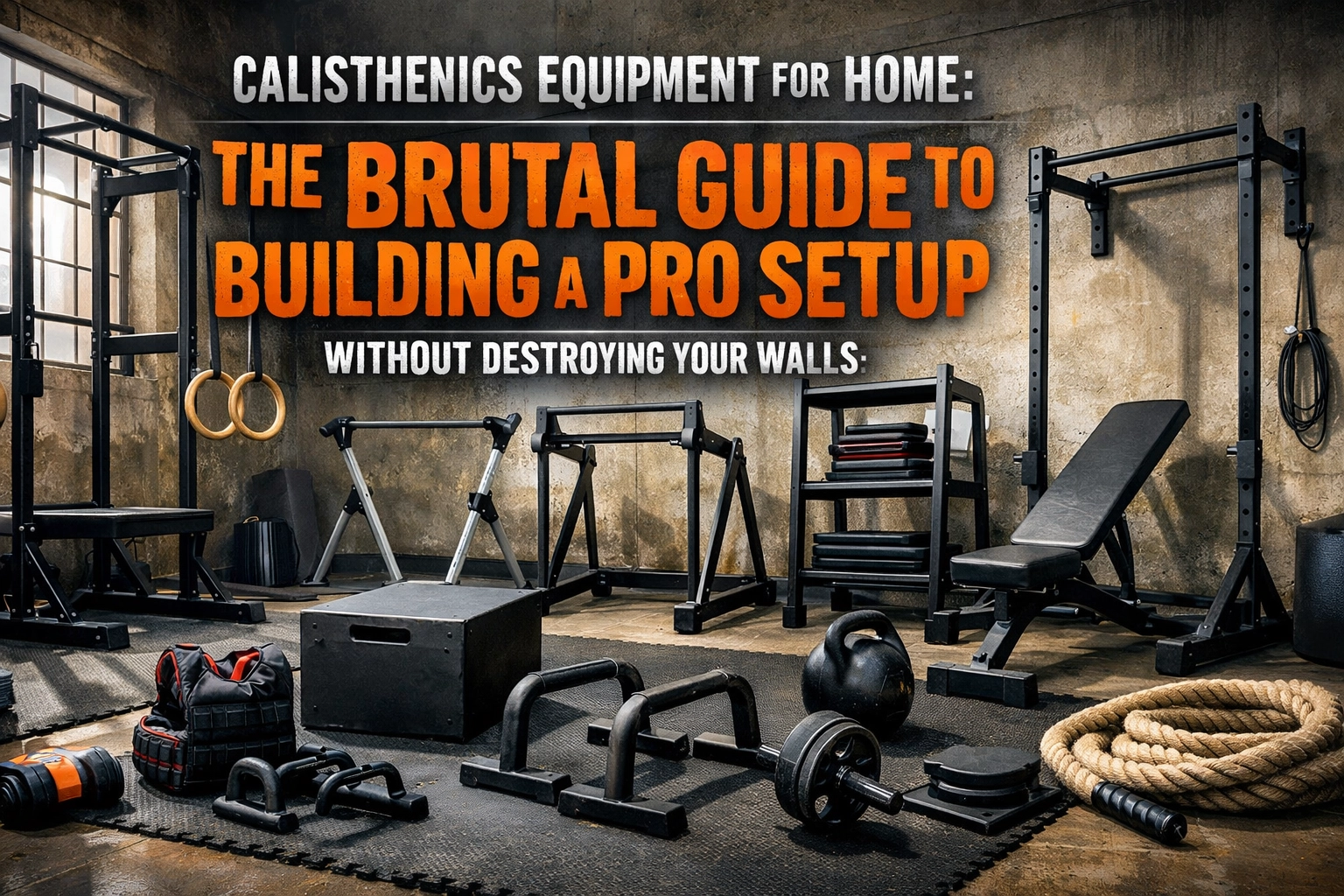
Let's cut through the BS: You want to train like a beast at home, but you're tired of drilling holes in your walls, worrying about collapsed pull-up bars, or worse: getting your security deposit obliterated. Welcome to the reality of bodyweight training at home where most "solutions" are either flimsy garbage or require you to renovate your entire living space.
Here's the truth bomb: building a legitimate calisthenics equipment for home setup doesn't mean destroying your walls OR settling for weak-ass equipment that collapses mid-muscle-up. You just need to know what actually works.
The Wall Damage Problem Nobody Talks About
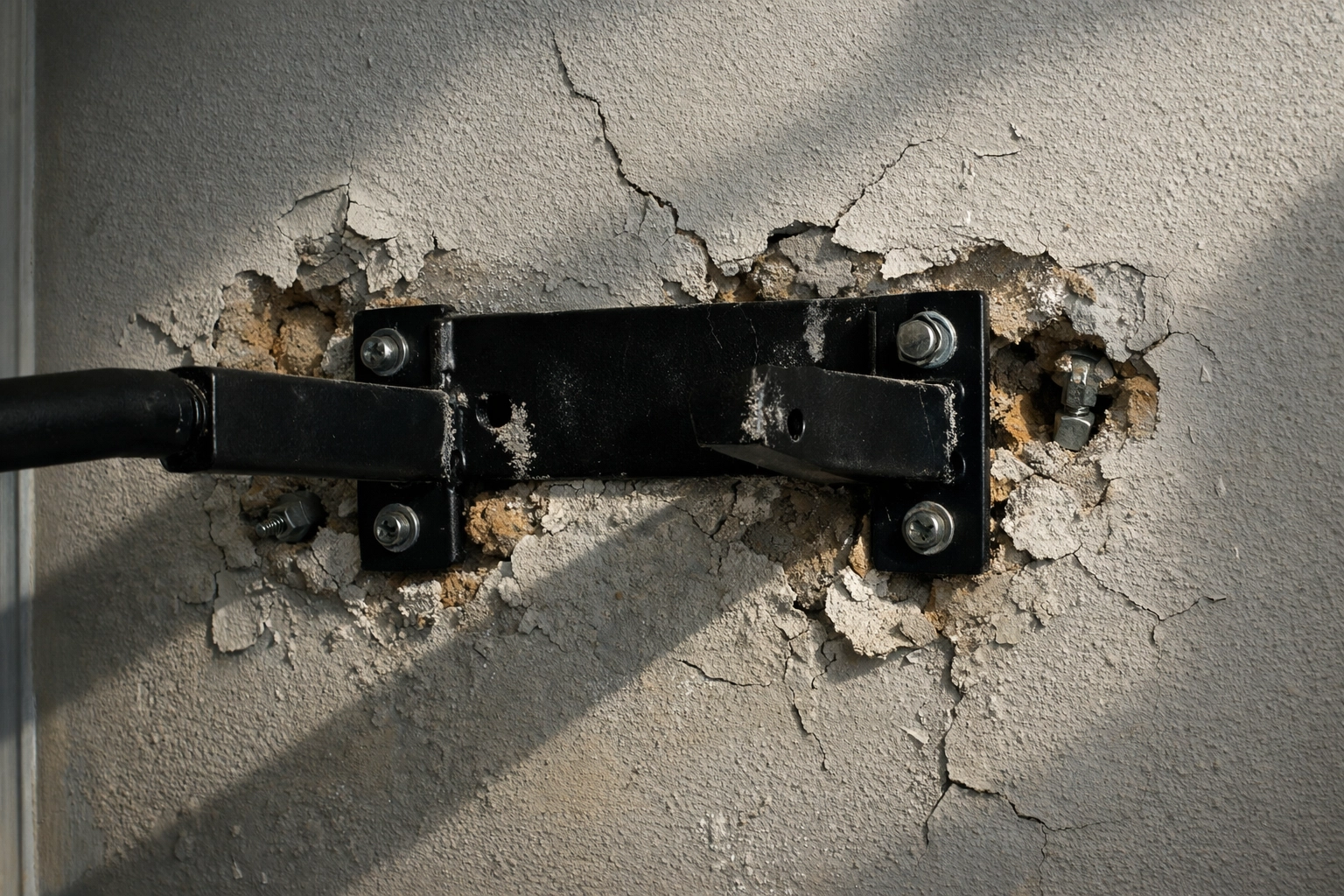
Every CrossFit athlete, ninja warrior, and calisthenics practitioner has been there. You install that ceiling-mounted pull-up bar, excited to crush some reps. Three weeks later? Your drywall's crumbling, your landlord's pissed, and you're doing push-ups in shame.
Traditional wall-mounted equipment seems perfect until reality hits. Ceiling joists need to be located precisely. Drywall anchors fail under dynamic loads. And that doorway pull-up bar? It's leaving lovely pressure marks on your door frame while limiting your movement to whatever pathetic range that narrow space allows.
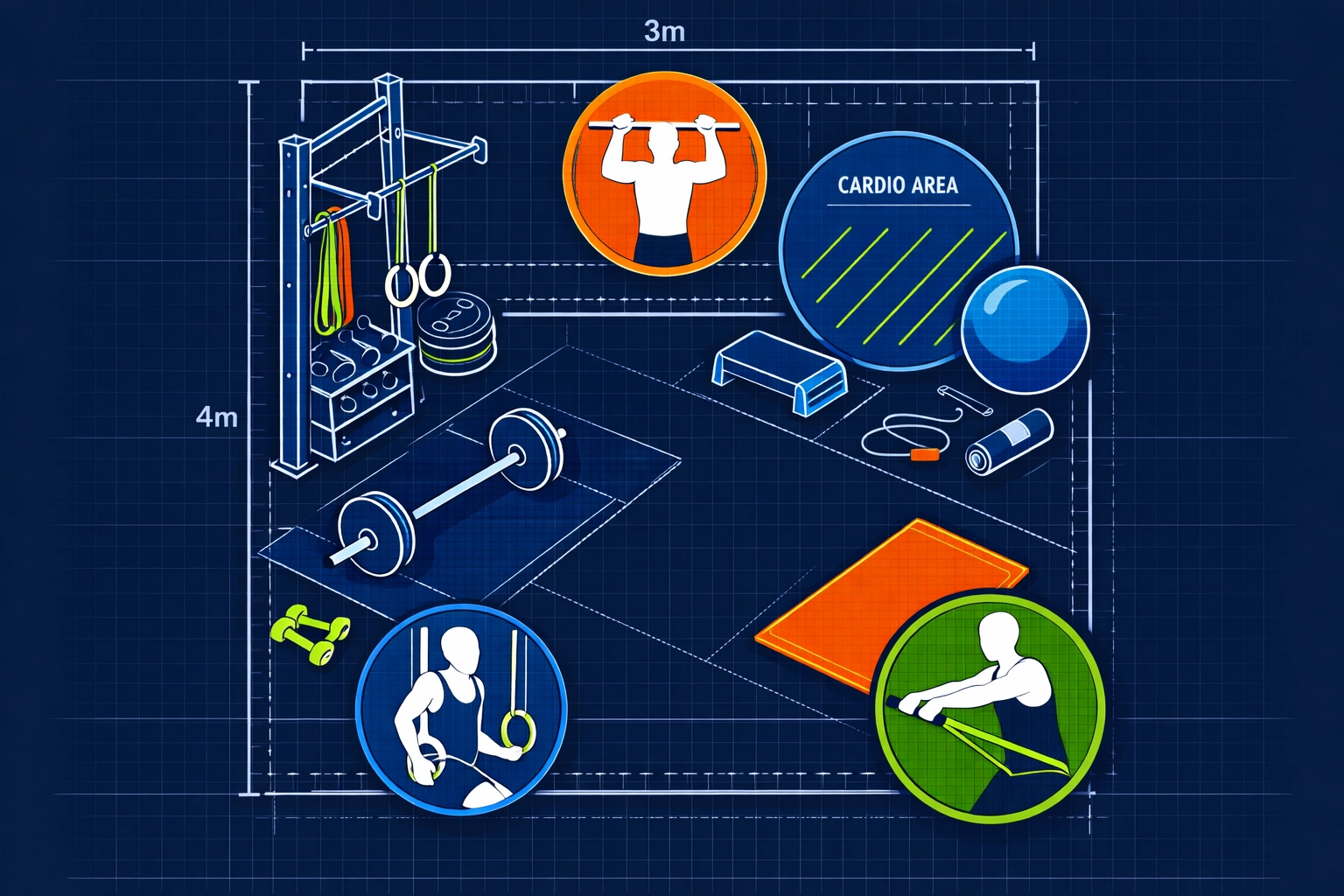
The space issue compounds everything. Most apartments and home gyms offer maybe 3-4 square meters of usable floor space. Try installing a traditional power rack in that: go ahead, we'll wait.
The Floor-to-Ceiling Revolution: Your Pull Up Bar Alternative
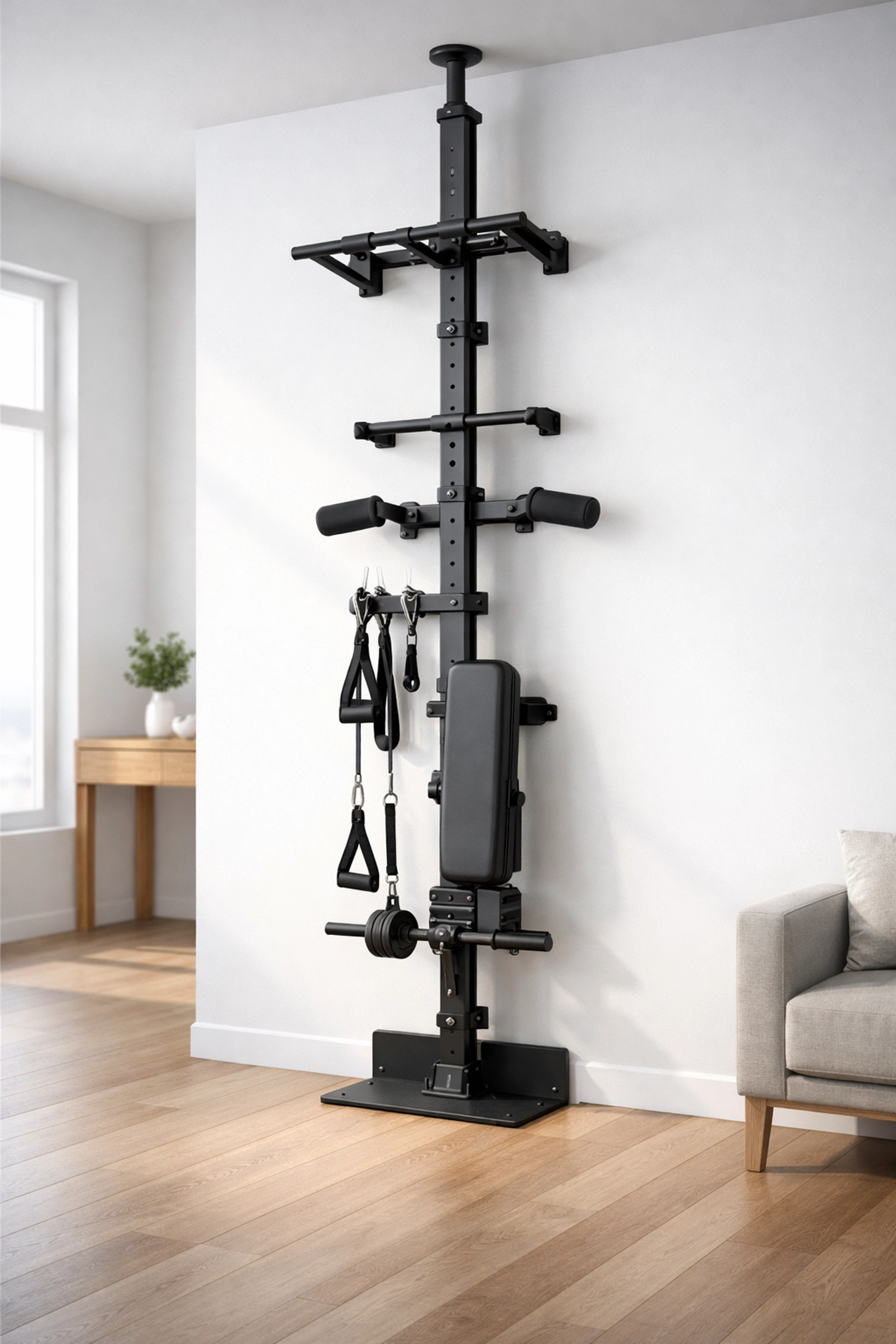
This is where the game changes. Floor to ceiling gym systems eliminate wall mounting entirely by using vertical tension between your floor and ceiling. No drilling. No anchors. No permanent damage.
The Resistance Rail pioneered this approach: a no wall damage workout system that gives you pull-up bar versatility without the commitment issues. You get adjustable height positions for everything from pull-ups and muscle-ups to ring work and resistance training, all while being able to move or remove the system whenever you want.
For renters, military personnel who relocate frequently, or anyone who values flexibility, this is the nuclear option that actually works.
Building Your Pro-Level Setup: The Essential Arsenal
Let's build you a versatile home gym that delivers results, not regrets.
1. The Vertical System (Your Foundation)
Start with a quality floor-to-ceiling system. This becomes your anchor point for 80% of your upper body work. Look for systems that:
- Support 300+ pounds safely
- Offer multiple attachment heights
- Include integrated resistance band anchors
- Require zero wall mounting
The vertical foundation handles pull-ups, chin-ups, ring rows, resistance band work, and serves as your primary full body workout at home hub. Everything else builds around this.
2. Gymnastic Rings (The Game Changer)
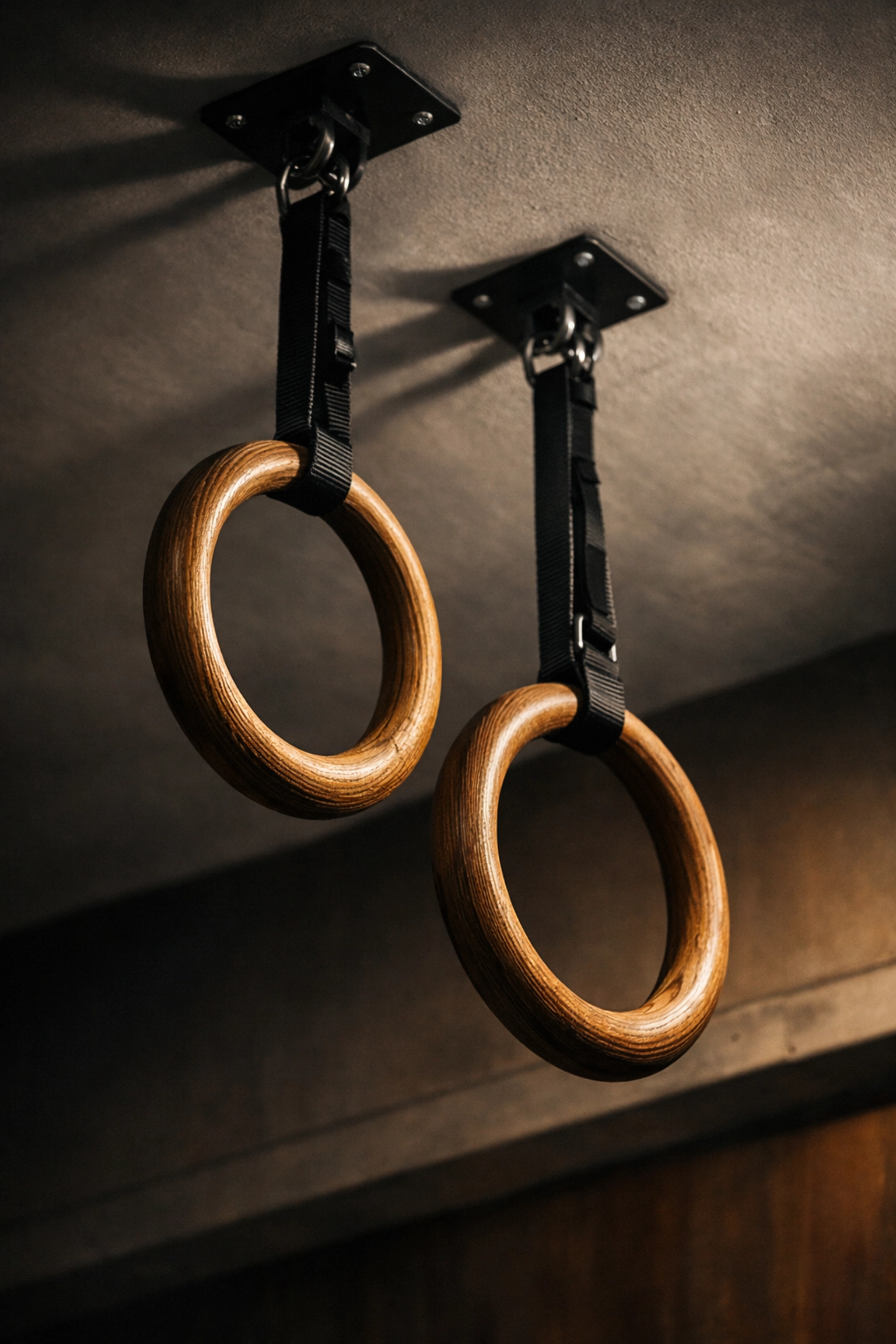
If you only add ONE piece of equipment beyond your vertical system, make it gymnastic rings. These $30 circles of wood or plastic unlock an absurd range of exercises: ring dips, ring push-ups, front levers, back levers, ring rows, Bulgarian ring dips, and countless progressions.
Rings force stabilization work that straight bars can't match. Your stabilizer muscles get torched, your core engagement skyrockets, and your shoulder health improves dramatically when you transition from fixed bars to ring training.
3. Parallettes or Dip Bars
Parallettes extend your range of motion for push exercises while protecting your wrists during L-sits, handstands, and planche progressions. Get sturdy ones: wobbly parallettes mid-handstand equals face-meets-floor.
Budget tight? Quality dip bars combined with resistance bands cover both push and pull movements effectively. Many athletes start here before expanding their arsenal.
4. Resistance Bands (The Progressive Overload Secret)
Bands enable assisted exercises for beginners tackling their first pull-up while adding progressive overload for advanced athletes chasing one-arm pull-up dreams. Get a variety pack with different resistance levels.
The magic happens when you combine bands with your floor-to-ceiling system. Attach them at various heights for accommodating resistance, band-assisted muscle-ups, or explosive power development work.
5. Optional Upgrades for Serious Athletes
Once your foundation is solid, consider:
- Ab wheel for brutal core conditioning
- Weighted vest for progressive calisthenics overload
- Suspension trainer for additional movement variety
- Foam roller because recovery matters
Space Optimization: Training in a Closet-Sized Space
You need roughly 3-4 square meters for comfortable training. That's about 6.5 feet by 6.5 feet: smaller than most people's bathrooms. With just 2 square meters and a doorway, you can technically make it work, though movement will be tighter.
The key is vertical thinking. While traditional crossfit home gym setups sprawl horizontally with barbells, plates, and racks eating floor space, calisthenics thrives vertically. Your floor-to-ceiling system maximizes unused ceiling height while keeping your floor clear for movement.
Installation Reality Check: What Actually Works
Wall-mounted solutions work beautifully IF you own your space and can properly locate studs or joists. Mounting into solid structural supports (not drywall) is non-negotiable. Half-assed installation means equipment failure mid-exercise: and that means injuries.
Free-standing power towers eliminate wall concerns but eat precious floor space and often feel unstable during dynamic movements. They work, but you're trading wall damage for a permanent footprint.
Floor-to-ceiling systems split the difference perfectly. The Bold Body Fitness approach gives you wall-mounted stability without the walls, combining the best of both worlds for serious resistance training at home.
DIY builds appeal to the handy crowd. Eight 2×4s and cast iron pipes can create a functional rig, but you need carpentry skills, tools, and space. Most people underestimate the complexity and time investment.
The Budget-Smart Approach
Starting out? Here's your minimum viable setup:
- Quality floor-to-ceiling pull-up system ($200-400)
- Gymnastic rings ($30-60)
- Resistance band set ($40-80)
Total investment: $270-540
This covers pulling, pushing, and progressive assistance for every major home gym equipment need. Everything else is optimization, not necessity.
Compare that to a gym membership costing $50-100 monthly. Your setup pays for itself in 3-6 months while giving you 24/7 access without commutes, crowds, or mediocre music.
Training Like a Pro: What Equipment Can't Give You
Equipment matters, but let's be real: the fanciest setup means nothing without consistency and programming. Elite ninja warriors and gymnasts succeed because they train smart, not just because they have perfect equipment.
Focus on:
- Progressive overload through harder variations, added resistance, or increased volume
- Skill work practicing technical movements with quality reps
- Recovery because growth happens during rest, not workouts
- Consistency showing up beats having perfect equipment
Your calisthenics equipment for home setup should enable training, not become an excuse for skipping workouts when conditions aren't "perfect."
The Renter-Friendly Reality
Renters face unique challenges. Landlords get twitchy about holes, security deposits vanish over wall damage, and moving equipment between apartments is exhausting.
This is exactly why no wall damage workout system solutions matter so much. The ability to set up a complete training space, use it for months or years, then pack it up without a trace changes everything. You get professional-grade training without sacrificing financial security or mobility.
Check out the full range of options in the Bold Body Fitness shop for renter-friendly solutions that don't compromise on quality.
The Bottom Line
Building a legitimate versatile home gym for calisthenics doesn't require destroying walls, blowing budgets, or sacrificing training quality. It requires smart equipment choices that prioritize stability, versatility, and yes: the ability to move or remove things without leaving evidence.
Start with your vertical system foundation, add rings and bands, then expand as your training demands grow. Skip the cheap garbage that breaks under load. Avoid over-complicated setups that collect dust instead of reps.
Your walls will thank you. Your landlord will thank you. And your body will definitely thank you when you're crushing muscle-ups and front levers in the comfort of home.
Now stop reading and go train.
