
You built a home gym because you're serious about your training. You're not here for half-measures or excuses. Whether you're grinding through calisthenics progressions, prepping for your next CrossFit WOD, or training like a ninja warrior, your home gym should be your sanctuary, not a source of frustration.
But here's the brutal truth: most people sabotage their own setups without even realizing it.
That shiny new equipment collecting dust in the corner? That cramped corner that makes full body workouts at home feel impossible? That wobbly pull-up bar that makes every rep feel like a dice roll? These aren't just minor inconveniences. They're training killers.
At Bold Body Fitness, we've seen it all. And today, we're calling out the seven most common home gym equipment mistakes, plus giving you the no-nonsense fixes to turn your space into a legitimate training facility.
Let's get after it.
Mistake #1: Buying Cheap Equipment That Can't Handle Real Training
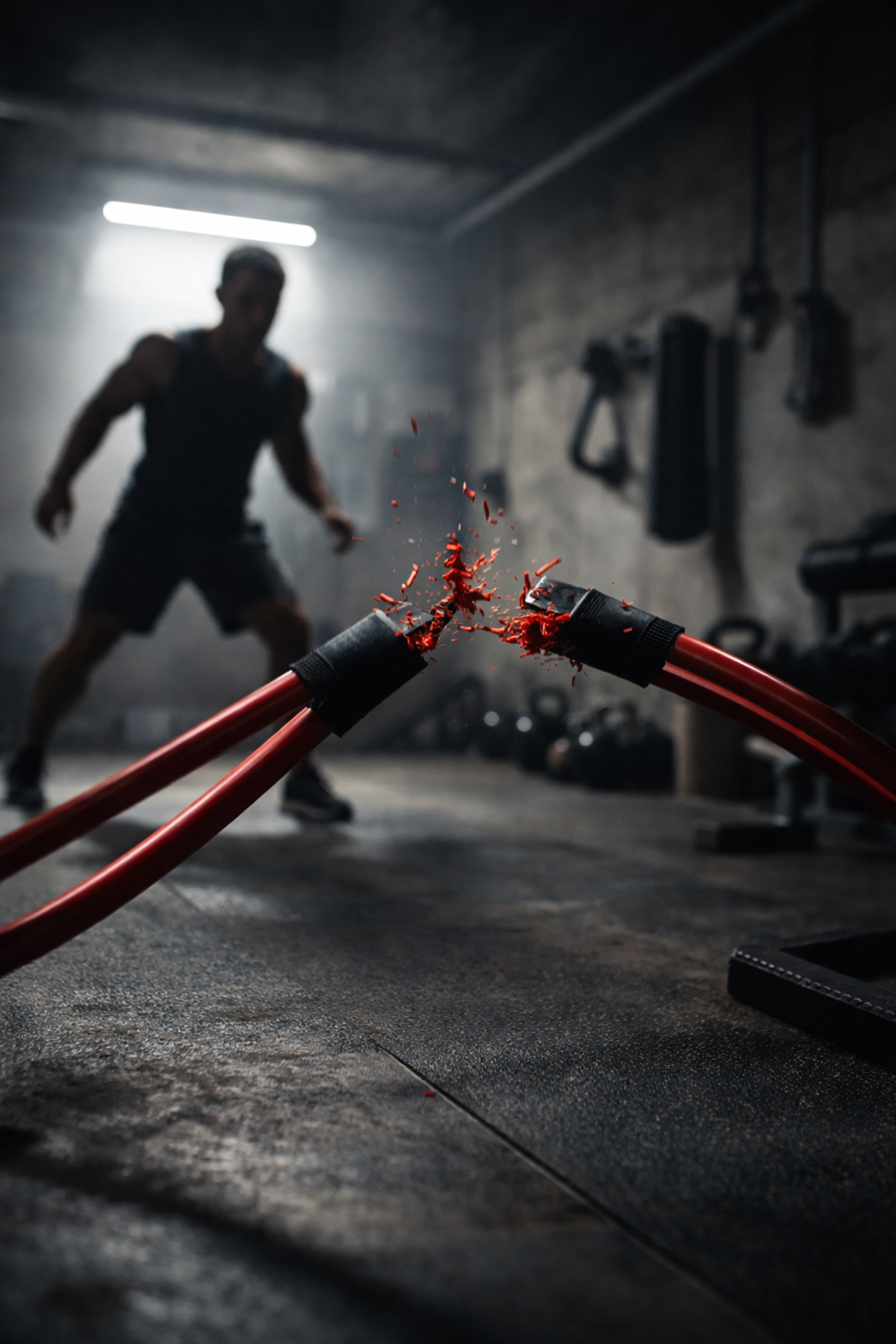
We get it. Building a home gym isn't cheap, and that budget-friendly squat rack or bargain pull-up bar looks tempting. But here's what happens when you go cheap: the equipment fails exactly when you need it most.
That discount resistance band snaps mid-pull. Those wobbly dumbbells create instability during your heaviest sets. That flimsy doorframe pull-up bar? It's one aggressive kipping pull-up away from putting a hole in your wall.
For serious athletes, CrossFit competitors, MMA fighters, gymnasts, calisthenics practitioners, cheap equipment isn't just disappointing. It's dangerous.
The Fix: Invest in quality from the start. Look for home gym equipment from reputable companies that design for athletes who actually push their limits. The math is simple: one high-quality, versatile piece of equipment will outlast and outperform three cheap replacements. You'll spend less money over time, train harder, and never worry about equipment failure during a max effort set.
When you're shopping for calisthenics equipment for home or building out your CrossFit home gym, ask yourself: "Would I trust this with my bodyweight at full intensity?" If the answer is anything but a confident yes, keep looking.
Mistake #2: Not Measuring Your Space (And Ending Up With Equipment That Doesn't Fit)
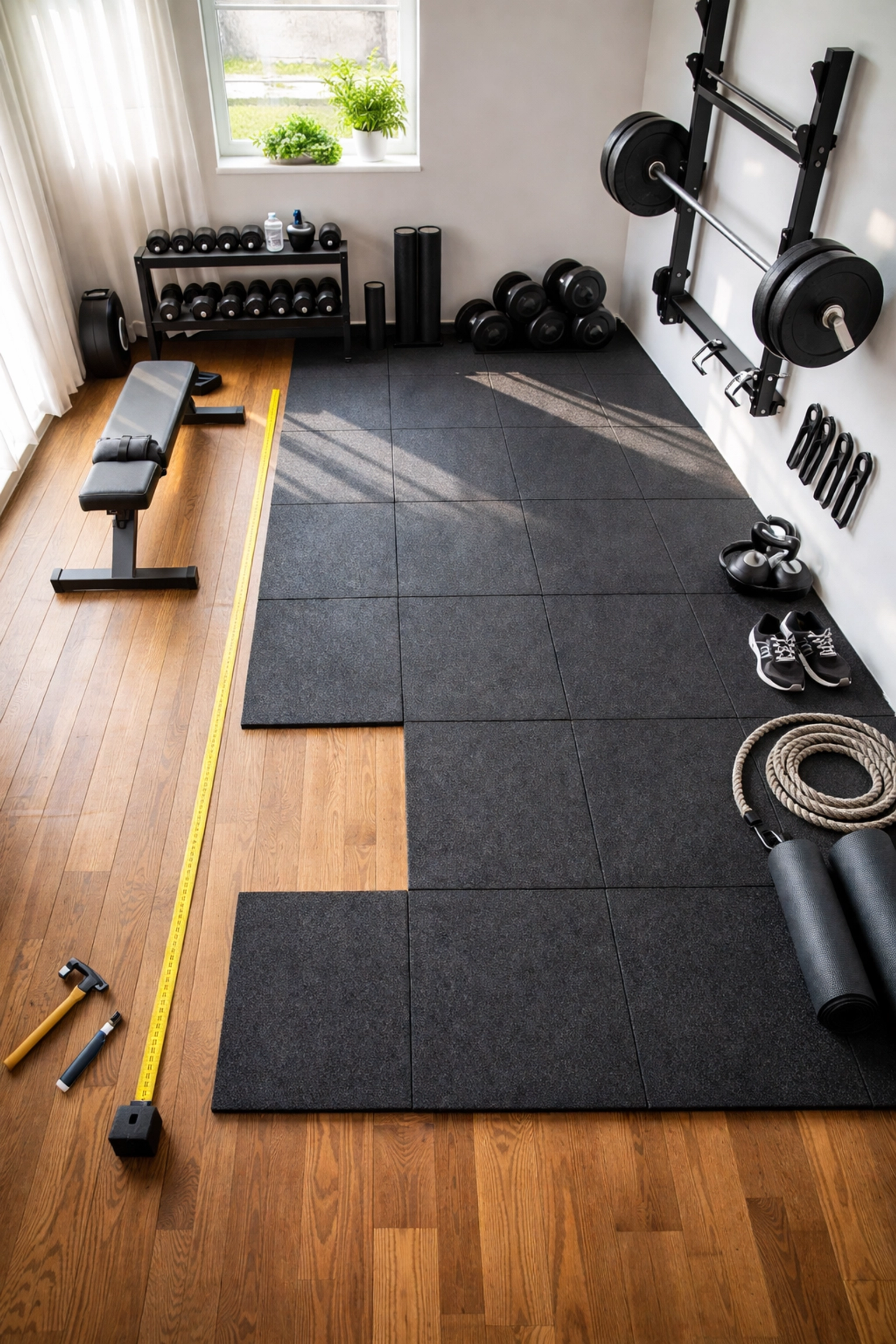
Nothing kills momentum faster than finally receiving your new equipment: only to discover it doesn't fit your space. Ceiling too low for overhead presses. Not enough clearance for full-range muscle-ups. No room left for floor work after you've crammed everything in.
This mistake is especially brutal in basement gyms and apartment setups where every inch counts. And here's what most people forget: gym flooring adds nearly an inch of height. That half-inch clearance you thought you had? Gone.
The Fix: Measure everything before you buy anything. Ceiling height. Floor space. Door widths for getting equipment in. Account for flooring thickness and leave room for dynamic movements.
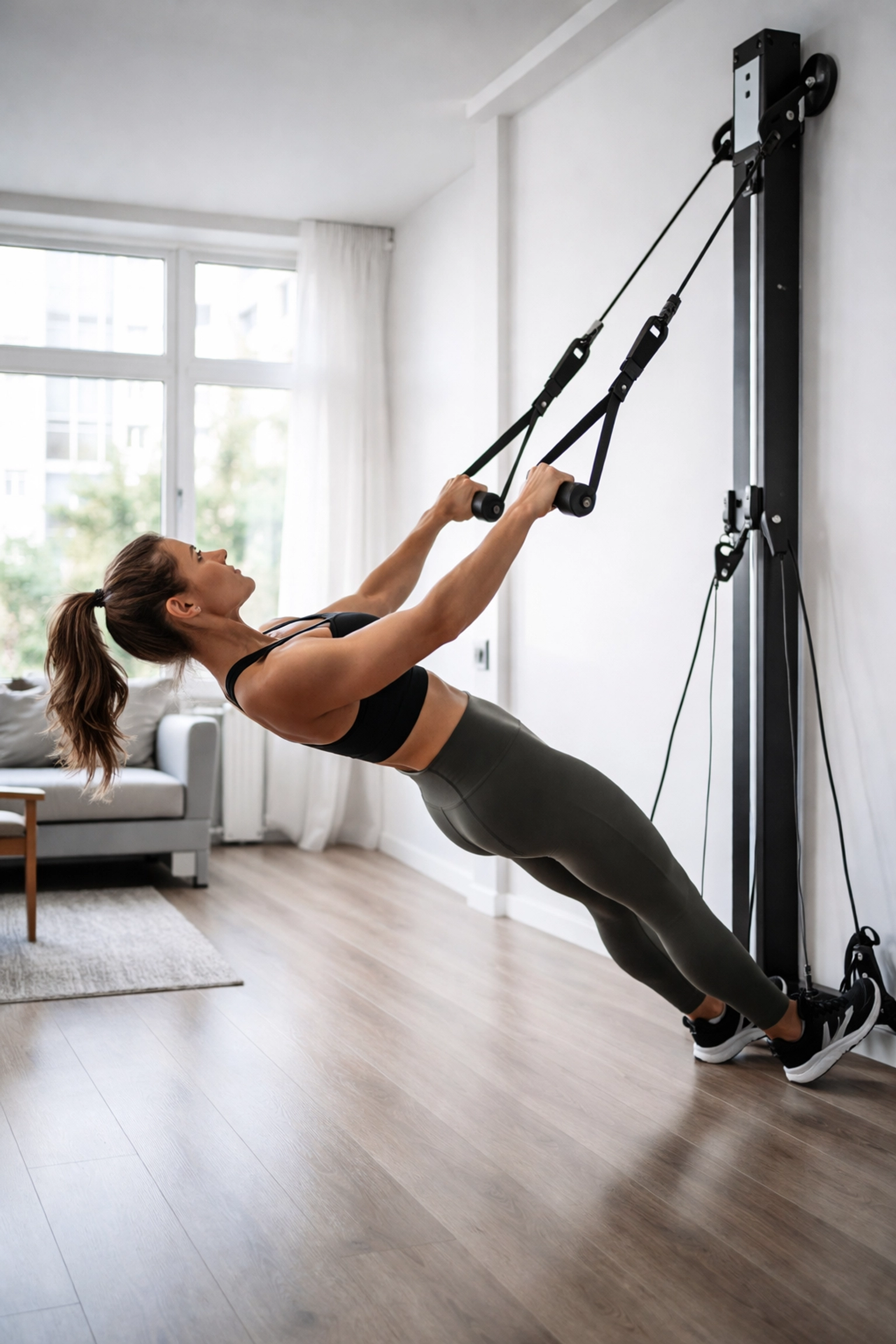
The smartest home gym builders think about versatility from day one. Instead of filling your space with single-purpose machines, consider equipment that delivers multiple training options without eating up square footage. A floor to ceiling gym setup or a no wall damage workout system can provide pull-up bar alternatives, resistance training anchors, and full-body workout stations: all in a fraction of the footprint.
The Resistance Rail was designed exactly for this scenario: athletes who need serious training capability without sacrificing their entire living space (or their security deposit).
Mistake #3: Skipping Gym Flooring (And Destroying Your Space)
Here's a mistake that looks innocent but creates real problems: training directly on your existing floors.
Heavy deadlifts on hardwood? You're leaving dents and scratches. Burpees on concrete? Your joints are taking unnecessary punishment. Drop a kettlebell on tile? That's an expensive repair.
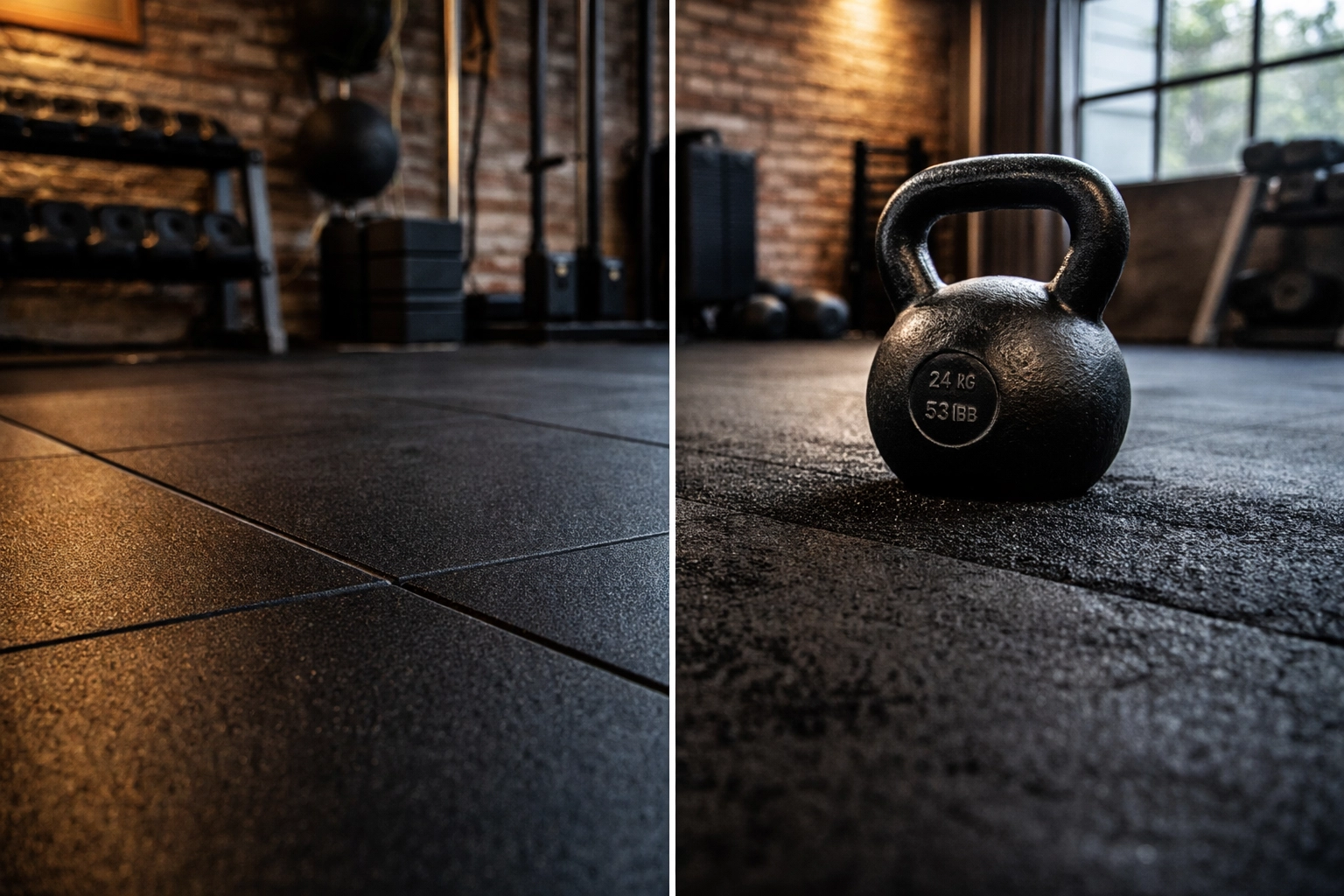
Beyond protecting your floors, proper gym flooring also protects your equipment, reduces noise (your downstairs neighbors will thank you), and creates a dedicated training zone that mentally signals "it's time to work."
The Fix: Install quality gym flooring before: or at least alongside: your equipment setup. Rubber mats or interlocking tiles work great for most home gym applications. They absorb impact, provide stable footing for bodyweight training at home, and make your space look and feel like a legitimate training facility.
This is especially important if you're doing any kind of high-intensity work: CrossFit home gym setups, plyometrics, Olympic lifting, or calisthenics progressions that involve jumping and landing.
Mistake #4: Filling Your Space With Single-Use Equipment
That treadmill you bought with the best intentions? Now it's an expensive clothing rack. The leg extension machine gathering dust in the corner? It does exactly one thing: and you never use it.
Single-use equipment is the silent killer of home gym potential. It eats up space, drains your budget, and limits your training options. For athletes who need variety: gymnasts working mobility and strength, MMA fighters training explosive power and endurance, ninja warriors building grip strength and dynamic movement: single-purpose machines are a dead end.
The Fix: Prioritize versatile home gym equipment that supports multiple exercises and training styles.
Think about it: a quality pull-up bar alternative that also serves as an anchor for resistance bands gives you dozens of exercise variations. Adjustable kettlebells replace an entire rack of fixed-weight bells. A well-designed resistance training system can support everything from assisted pull-ups to inverted rows to core work.
This is exactly why we built the Resistance Rail. One piece of equipment. Hundreds of exercises. Full body workout at home without needing a commercial gym's worth of machines. It's the versatile home gym solution that serious athletes actually use: because it adapts to how you train, not the other way around.
Browse our full collection at the Bold Body Fitness shop to see what's possible.
Mistake #5: Buying Equipment Without Clear Training Goals
Random equipment purchases lead to random results. If you don't know what you're training for, you'll buy whatever looks cool in the moment: and end up with a disjointed collection of gear that doesn't support any coherent program.
This is how home gyms become graveyards of abandoned fitness fads.
The Fix: Define your training goals before you spend a dime.
Are you focused on building pulling strength for ninja warrior competitions? You need a rock-solid pull-up bar alternative and resistance training tools. Training calisthenics progressions toward muscle-ups and levers? You need stable, reliable anchoring points that won't limit your movement. Building a CrossFit home gym for varied functional fitness? You need equipment that can handle everything from gymnastics movements to high-rep conditioning.
Write down your top three training priorities. Then: and only then: build your equipment list around those goals. Every purchase should have a clear purpose tied to your actual programming.
Mistake #6: Neglecting Equipment Maintenance Until Something Breaks
Your home gym equipment works hard for you. But when's the last time you actually inspected it?
Loose bolts on your rack. Fraying cables on your pulley system. Rust forming on your barbell. A pull-up bar that's slowly working itself loose from the wall. These problems start small: and then they become dangerous.
For athletes doing intense bodyweight training at home, this is non-negotiable. The forces you're putting through your equipment during muscle-ups, weighted pull-ups, or explosive movements are significant. Equipment failure isn't just inconvenient: it can cause serious injury.
The Fix: Schedule regular maintenance checks. Once a month, walk through your entire setup:
- Tighten all bolts and fasteners
- Inspect cables, bands, and attachment points for wear
- Check for rust or corrosion on metal components
- Verify that mounted equipment is still secure
- Wipe down surfaces and lubricate moving parts as needed
This takes fifteen minutes and prevents catastrophic failures. Treat your equipment well, and it'll perform when you need it most.
Pro tip: This is another reason to invest in quality calisthenics equipment for home use. Well-built gear requires less maintenance and holds up better over years of hard training.
Mistake #7: Ignoring Ventilation (And Creating a Dungeon Nobody Wants to Train In)
Your home gym might have all the right equipment: but if it feels like a sauna or smells like a locker room, you're not going to want to train there.
Poor ventilation creates a stuffy, uncomfortable environment that actively discourages workouts. Worse, trapped moisture leads to mold and mildew, which damages your equipment and creates health hazards. Basement gyms and garage setups are especially vulnerable.
The Fix: Make airflow a priority.
- Install fans to circulate air during workouts
- Open windows when weather permits
- Consider a dehumidifier for damp spaces
- Don't block vents with equipment placement
A comfortable training environment isn't a luxury: it's what keeps you showing up day after day. You can have the most versatile home gym setup on the planet, but if it's miserable to be in, you won't use it.
Build Your Home Gym the Right Way
Here's the bottom line: your home gym should make training easier, not harder. Every piece of equipment should earn its place. Every dollar spent should move you closer to your goals.
Stop making these seven mistakes, and you'll transform your space from a collection of random gear into a legitimate training facility: one that supports serious athletes doing serious work.
Whether you're chasing your first muscle-up, preparing for competition, or just want a no wall damage workout system that lets you train hard without destroying your rental, the principles are the same: invest in quality, prioritize versatility, and build intentionally.
Ready to upgrade your setup? Check out our guide on bodyweight training at home without destroying your walls or explore the full Bold Body Fitness collection at boldbodyfitness.com/shop.
Your home gym should be bold. Make it happen.
