
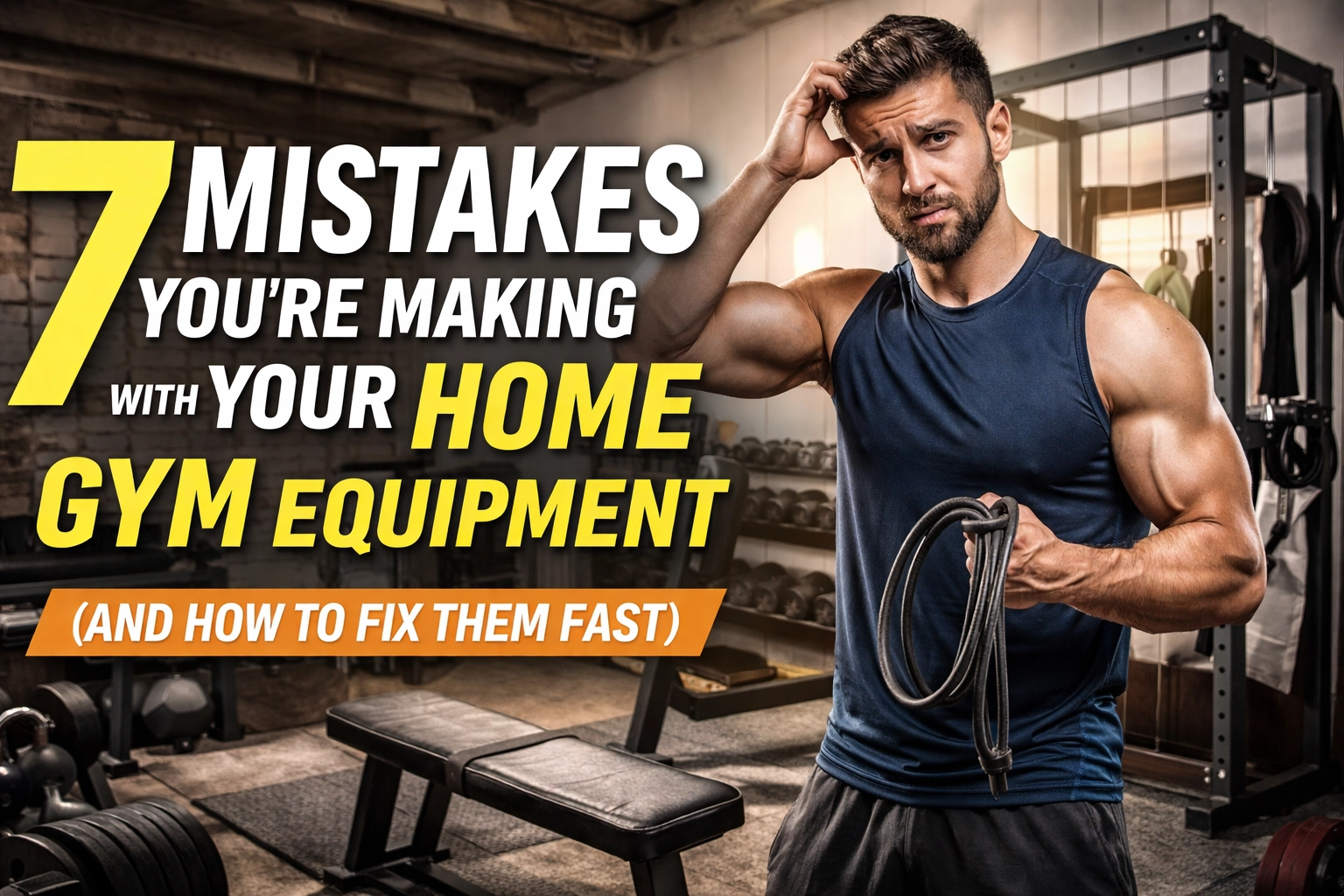
Let's be real: building a home gym sounds simple until you're knee-deep in equipment that doesn't fit, broke within months, or turned your living space into a construction zone. Whether you're a CrossFit athlete, calisthenics practitioner, MMA fighter, or ninja warrior, your home gym equipment should work FOR you: not against you.
The truth? Most people sabotage their own setups before they even start training. At Bold Body Fitness, we've seen it all. And we're here to call out the biggest mistakes that are killing your gains and your motivation.
Ready to fix them? Let's go.
Mistake #1: Eyeballing Your Space Instead of Measuring It
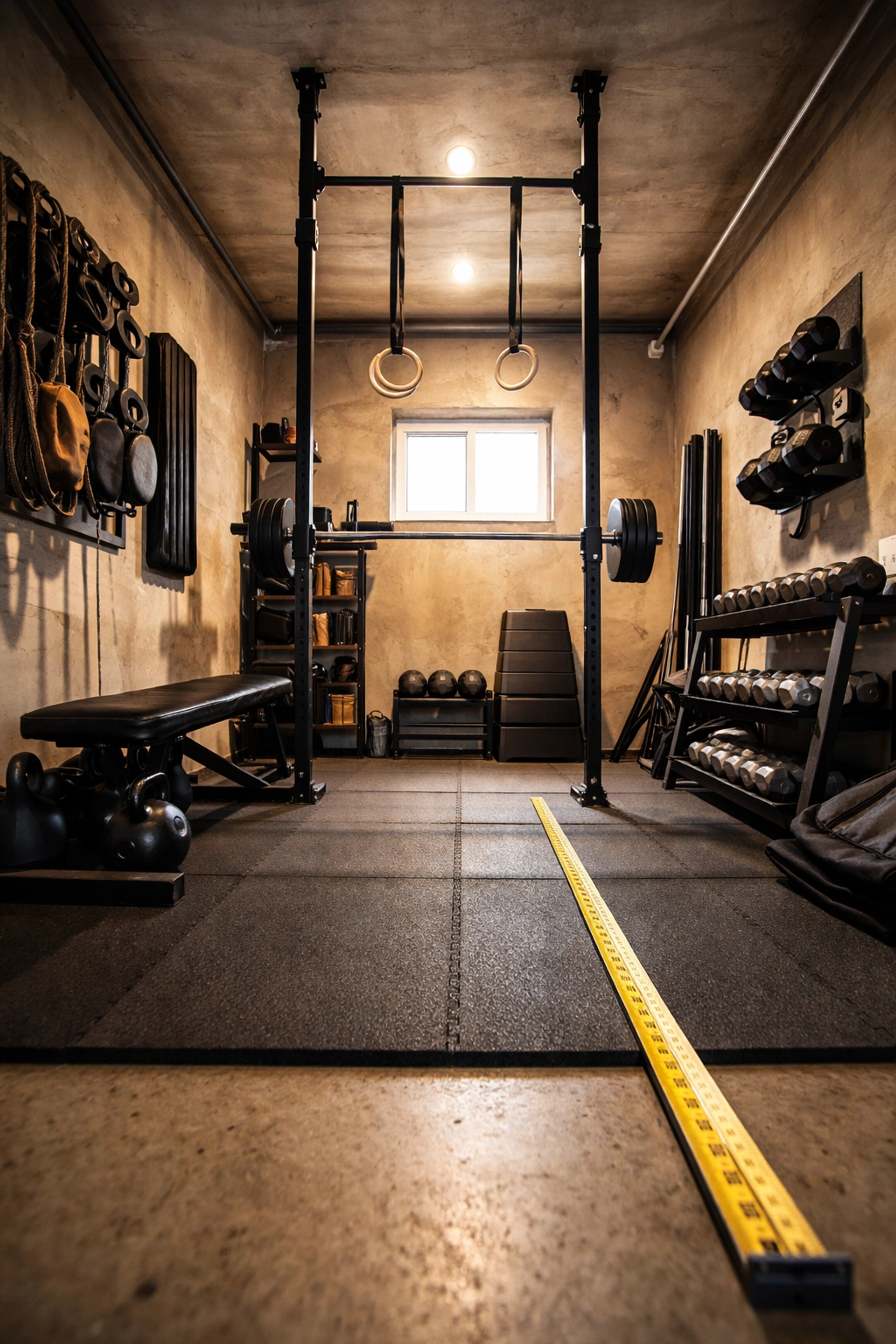
You spotted a killer deal on a power rack. You hit "buy now." It arrives, and suddenly your garage feels like a sardine can: or worse, the ceiling's too low for pull-ups.
This happens constantly. People skip the boring step of measuring their space, including ceiling height, and end up with equipment that barely fits or creates a cramped, unusable gym.
The Fix:
Grab a tape measure. Measure length, width, AND ceiling height. If you're installing rubber flooring or stall mats, account for nearly an inch of height loss. You need clearance for overhead movements: especially if you're serious about resistance training or dynamic exercises like box jumps and muscle-ups.
Pro tip: A floor to ceiling gym setup like the Resistance Rail maximizes vertical space without eating up square footage. It's perfect for tight spaces where every inch counts.
Mistake #2: Chasing the Cheapest Price Tag
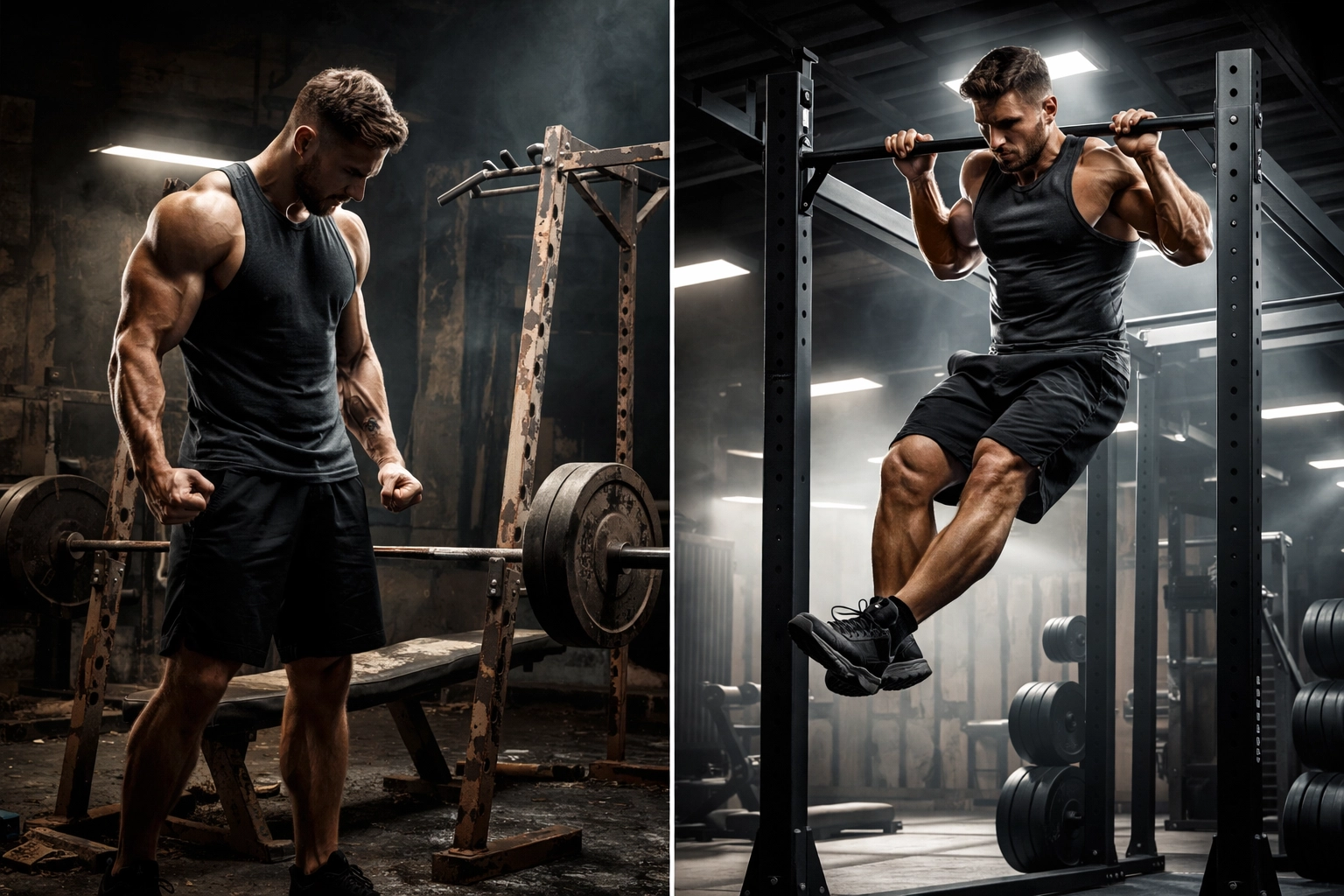
We get it: budgets are real. But here's the deal: that $50 "squat rack" from a sketchy seller isn't built for serious athletes. It's built to break.
Cheap equipment fails when you need it most. Wobbly frames, stripped bolts, and flimsy construction aren't just annoying: they're dangerous. And when something breaks mid-lift? You're looking at injuries and replacement costs that dwarf what you "saved."
The Fix:
Find the middle ground between bargain-bin junk and overpriced luxury. Invest in reputable brands that serious athletes actually trust. Look for quality welds, solid warranties, and equipment designed for the abuse that CrossFit home gym workouts or intense bodyweight training at home demands.
At Bold Body Fitness, we build equipment that takes a beating and keeps performing. Because your training doesn't have an "off" button.
Mistake #3: Building Without Clear Goals
Here's a hard truth: a treadmill won't help you nail a muscle-up. And a cable machine won't improve your ninja warrior grip strength.
Too many people build their home gym based on what looks cool on Instagram instead of what actually aligns with their training. The result? Expensive equipment collecting dust while you still can't hit your goals.
The Fix:
Define your objectives FIRST. Are you training for strength? Mobility? Competition-level calisthenics? MMA conditioning?
Your equipment should directly serve those goals. If you're focused on full body workout at home routines, prioritize versatile pieces that enable compound movements. If you're a gymnast working on upper body control, you need equipment that supports rings, pull-ups, and resistance work: not a leg press machine.
Mistake #4: Filling Your Gym with Single-Use Machines
That fancy ab machine? It does ONE thing. That bulky treadmill? Takes up half your space for cardio you could do outside. Single-purpose equipment is a space-killer and a gains-limiter.
When you're building a versatile home gym, every piece needs to earn its spot.
The Fix:
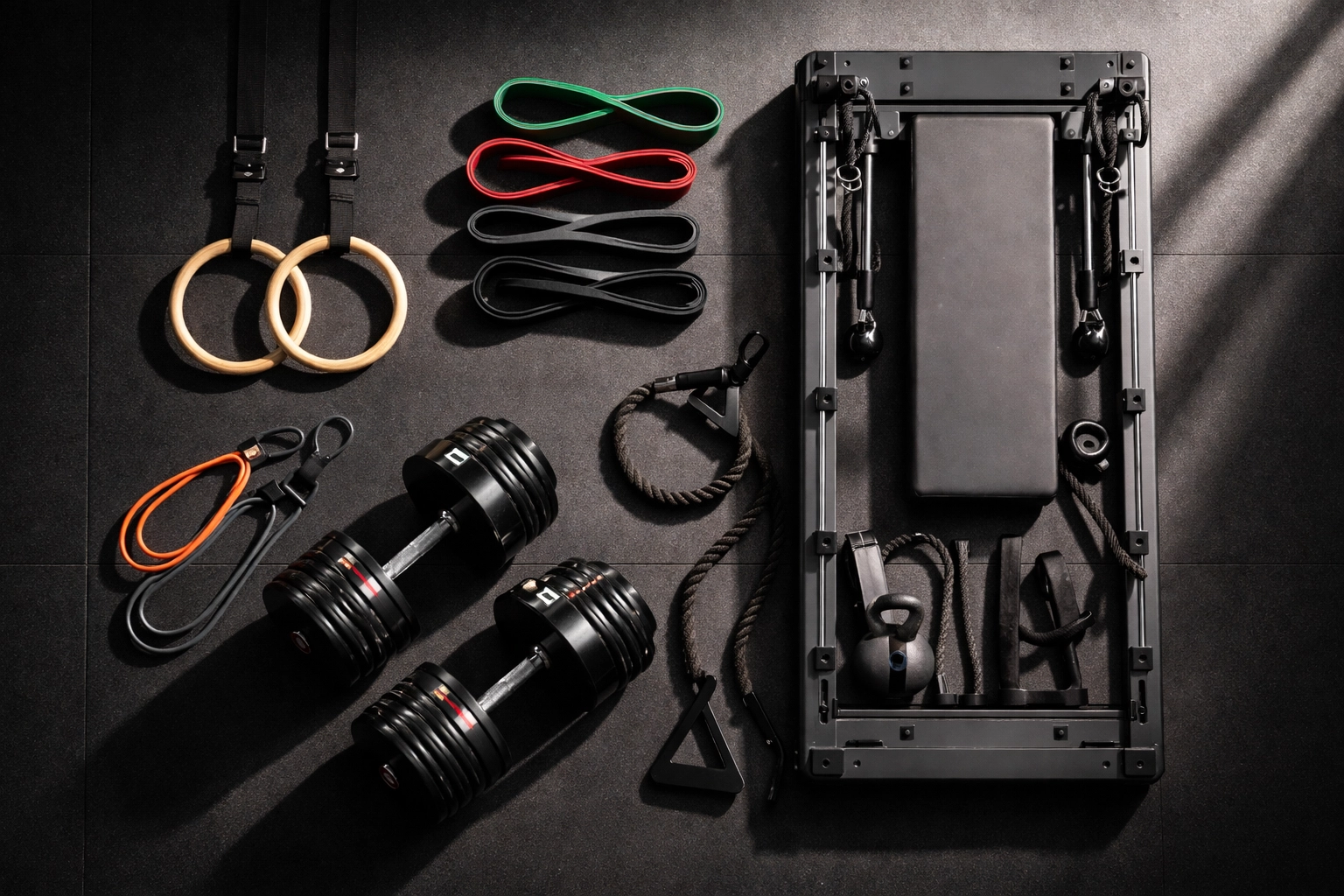
Prioritize multi-functional equipment. Think: adjustable dumbbells, resistance bands, Olympic rings, and modular systems that let you train multiple movement patterns.
This is exactly why we designed the Resistance Rail. It's a pull up bar alternative that also handles resistance bands, suspension training, and countless calisthenics equipment for home applications: all in one compact setup. One piece. Endless exercises.
Stop cluttering your space with equipment that only does one job. Train smarter.
Mistake #5: Ignoring Flooring and Organization
Your home gym floor takes serious punishment. Dropped weights, high-impact movements, and heavy equipment all wreck unprotected surfaces. And a disorganized gym? That's a tripping hazard and a motivation killer.
The Fix:
Invest in proper gym flooring. Rubber mats or interlocking tiles protect your floors, reduce noise, and give you stable footing for explosive movements. This isn't optional: it's essential.
Then, get organized. Use wall-mounted racks, bins, or shelving to keep bands, weights, and accessories off the floor. A clean gym is a gym you'll actually want to use.

Mistake #6: Destroying Your Walls (or Rental) with Permanent Installations
This one's massive: especially for renters, apartment dwellers, or anyone who doesn't want to turn their space into a construction project.
Traditional pull-up bars require drilling into studs. Wall-mounted rigs leave permanent holes. And when you move out? You're either losing your deposit or spending hours patching drywall.
A no wall damage workout system isn't a luxury: it's a necessity for most people.
The Fix:
Choose equipment specifically designed to install without permanent modifications. Tension-based systems, doorframe mounts (for lighter use), and floor-to-ceiling designs give you serious training capability without the renovation headaches.
The Resistance Rail Standard was built for exactly this. It uses tension between your floor and ceiling: no drilling, no screws, no damage. Install it, train hard, and take it with you when you move. Your walls stay intact. Your landlord stays happy. Your training stays uncompromised.
Mistake #7: Using Equipment with Terrible Form
Here's the uncomfortable reality: the best equipment in the world won't save you from bad technique. And bad technique doesn't just limit results: it creates injuries that sideline you for weeks or months.
This is especially critical for complex movements common in calisthenics equipment for home setups: muscle-ups, levers, skin-the-cats, and explosive pulls all demand precise form.
The Fix:
Learn before you lift. Work with certified trainers, study detailed instructional videos, and never ego-lift into movements you haven't mastered.
Start with progressions. Use resistance bands to assist difficult movements. Record yourself to check form. And if something feels wrong, stop immediately.
Your home gym is only as effective as the training you put in. Nail the fundamentals, then build complexity.
Build Your Home Gym the Right Way
Here's the bottom line: your home gym equipment should make training easier, not harder. It should fit your space, match your goals, and survive the punishment serious athletes dish out.
Stop making these mistakes:
- Measure your space before buying anything
- Invest in quality that lasts
- Define your goals and buy accordingly
- Choose versatile equipment over single-use machines
- Protect your floors and stay organized
- Avoid wall damage with smart installation systems
- Master your form before adding intensity
At Bold Body Fitness, we build equipment for athletes who train hard and demand more. The Resistance Rail is our answer to the cluttered, damage-heavy, limited home gym setups that hold people back.
Ready to upgrade your training space? Check out our shop and build the home gym you actually deserve.
No excuses. No compromises. Just results.
