
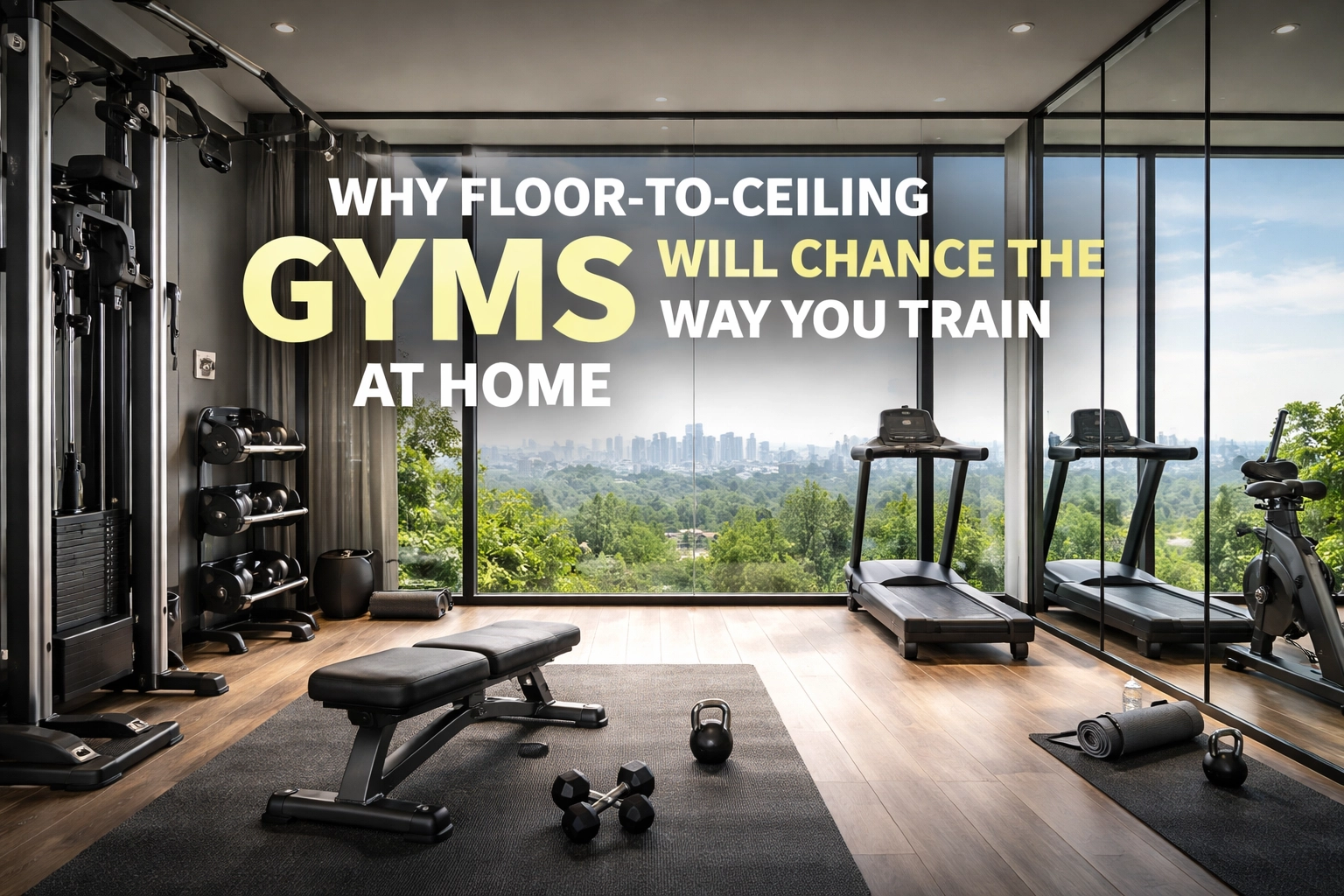
Let's cut straight to it. Your home gym probably sucks.
Not because you're lazy. Not because you don't have the drive. But because the equipment you've been told to buy doesn't actually work for how you want to train.
Wall-mounted pull up bars that require drilling into studs. Bulky squat racks that eat up half your garage. Cable machines that cost more than your first car. And let's not even talk about the damage deposit you're about to lose in your rental.
There's a better way. It's called the floor-to-ceiling gym, and it's about to flip everything you thought you knew about home gym equipment on its head.
What Exactly Is a Floor-to-Ceiling Gym?
A floor-to-ceiling gym is exactly what it sounds like: a vertical training system that uses tension between your floor and ceiling to create a stable, versatile workout station. No drilling. No permanent installation. No begging your landlord for permission.
Think of it as a pull up bar alternative that does way more than just pull ups. These systems typically use adjustable poles or rails that lock into place using pressure, giving you anchor points for bands, suspension trainers, gymnastics rings, and a whole lot more.
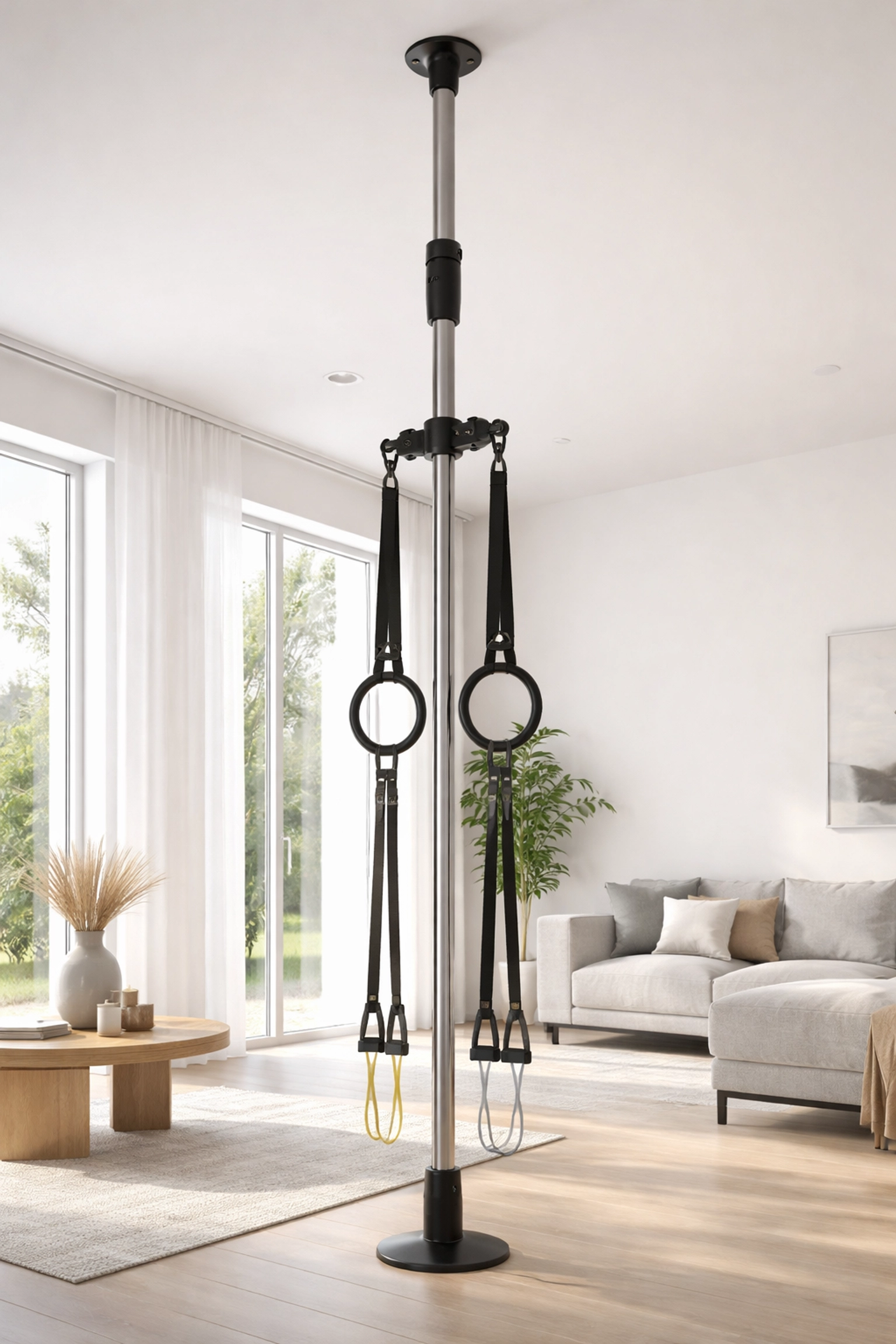
The concept isn't brand new, but the execution has gotten seriously good in recent years. Modern floor-to-ceiling systems can handle serious load, adjust to different ceiling heights, and pack enough versatility to replace multiple pieces of equipment.
For athletes who take their bodyweight training at home seriously: we're talking ninja warriors, gymnasts, CrossFit competitors, MMA fighters, and calisthenics beasts: this is game-changing stuff.
The Problem With Traditional Home Gym Setups
Here's where most home gyms fall apart:
Space limitations. Not everyone has a dedicated room or garage to fill with equipment. Most people are working with a corner of their living room, a spare bedroom, or a small apartment.
Installation headaches. Traditional calisthenics equipment for home use often requires wall mounting. That means finding studs, drilling holes, and praying the drywall holds up. Renters? You're basically out of luck.
Single-purpose equipment. A doorway pull up bar does pull ups. That's it. A dip station does dips. That's it. Before you know it, you've got five different pieces of equipment cluttering your space, and you're still missing half the exercises you want to do.
Damage and permanence. Even if you own your place, do you really want holes in your ceiling for a pull up bar you might not use in three years? Most people don't think about resale value until it's too late.
Floor-to-ceiling gyms solve all of these problems in one shot.
Why Floor-to-Ceiling Systems Hit Different
Zero Wall Damage
This is the big one for renters and homeowners alike. A quality no wall damage workout system installs using pressure alone. The ceiling and floor do all the work. When you move out or decide to reconfigure your space, you take it down and leave zero trace.
At Bold Body Fitness, we've heard from hundreds of athletes who thought a serious home gym was impossible in their rental. The Resistance Rail Deluxe changed that completely.
Insane Versatility
A well-designed floor-to-ceiling gym isn't just a pull up bar. It's an entire versatile home gym in a single vertical footprint.
Here's what you can typically do with one system:
- Pull ups and chin ups (multiple grip positions)
- Muscle ups
- Hanging leg raises
- Resistance band exercises (push, pull, rotate)
- Suspension training (TRX-style movements)
- Gymnastics ring work
- Stretching and mobility drills
- Boxing/MMA anchor for bands and cables

That's a full body workout at home without needing a single additional piece of equipment bolted to your wall.
Small Footprint, Big Results
Floor-to-ceiling systems are vertical by design. They take up almost no floor space. You could set one up in a 4x4 foot area and have access to more exercises than most commercial gym memberships offer.
For anyone building a crossfit home gym in a small space, this matters. CrossFit programming demands variety: pulling, pushing, core work, gymnastics movements. Trying to fit all that equipment into a spare bedroom is a nightmare. Unless you go vertical.
Scalable Intensity
Whether you're just getting into resistance training or you're an advanced athlete working on one-arm pull ups and front levers, floor-to-ceiling systems scale with you. Add resistance bands for assisted movements when you're learning. Add weight vests and gymnastics rings when you're ready to go beast mode.
The equipment grows with your abilities instead of becoming obsolete after six months.
Who Benefits Most From Floor-to-Ceiling Gyms?
Let's get specific about who should be paying attention here.
Calisthenics Athletes
If your training revolves around bodyweight training at home, you need reliable anchor points for pulling and hanging movements. Floor-to-ceiling systems give you that without the commitment of permanent installation.
Ninja Warriors
American Ninja Warrior athletes need grip training, explosive pulling power, and core strength that borders on ridiculous. A floor-to-ceiling setup with rings, ropes, and resistance bands checks every box.

CrossFit Athletes
CrossFit demands everything: strength, conditioning, gymnastics, and Olympic lifting. While you still need barbells for the heavy stuff, a crossfit home gym built around a floor-to-ceiling system handles the bodyweight and gymnastics components beautifully.
MMA Fighters and Grapplers
Fighters need rotational power, grip endurance, and functional pulling strength. Resistance band setups on a floor-to-ceiling rail let you train punches, sprawls, and clinch work without a training partner.
Gymnasts
Ring work, skin-the-cats, L-sits, levers: all of it requires stable overhead anchor points. A well-built floor-to-ceiling system handles gymnastics training that would otherwise require a dedicated gym membership.
The Resistance Rail: Built for Athletes Who Don't Mess Around
At Bold Body Fitness, we built the Resistance Rail specifically for serious athletes who need a versatile home gym without the installation nightmares.
The Resistance Rail Deluxe uses industrial-grade tension to lock between your floor and ceiling. No screws. No anchors. No damage. Just a rock-solid training station that handles everything from assisted pull ups to advanced gymnastics movements.
It's the pull up bar alternative that actually delivers more than a pull up bar ever could.
Check out our full lineup at the Bold Body Fitness shop if you're ready to stop compromising on your home training setup.
How to Set Up Your Floor-to-Ceiling Gym
Getting started is simpler than you'd think:
Step 1: Measure your ceiling height. Most systems adjust to standard ceiling heights (7-10 feet), but double-check before you buy.
Step 2: Find a solid spot. You want both your floor and ceiling to be structurally sound. Concrete floors and ceiling joists work best. Avoid setting up on carpet padding or drop ceilings.
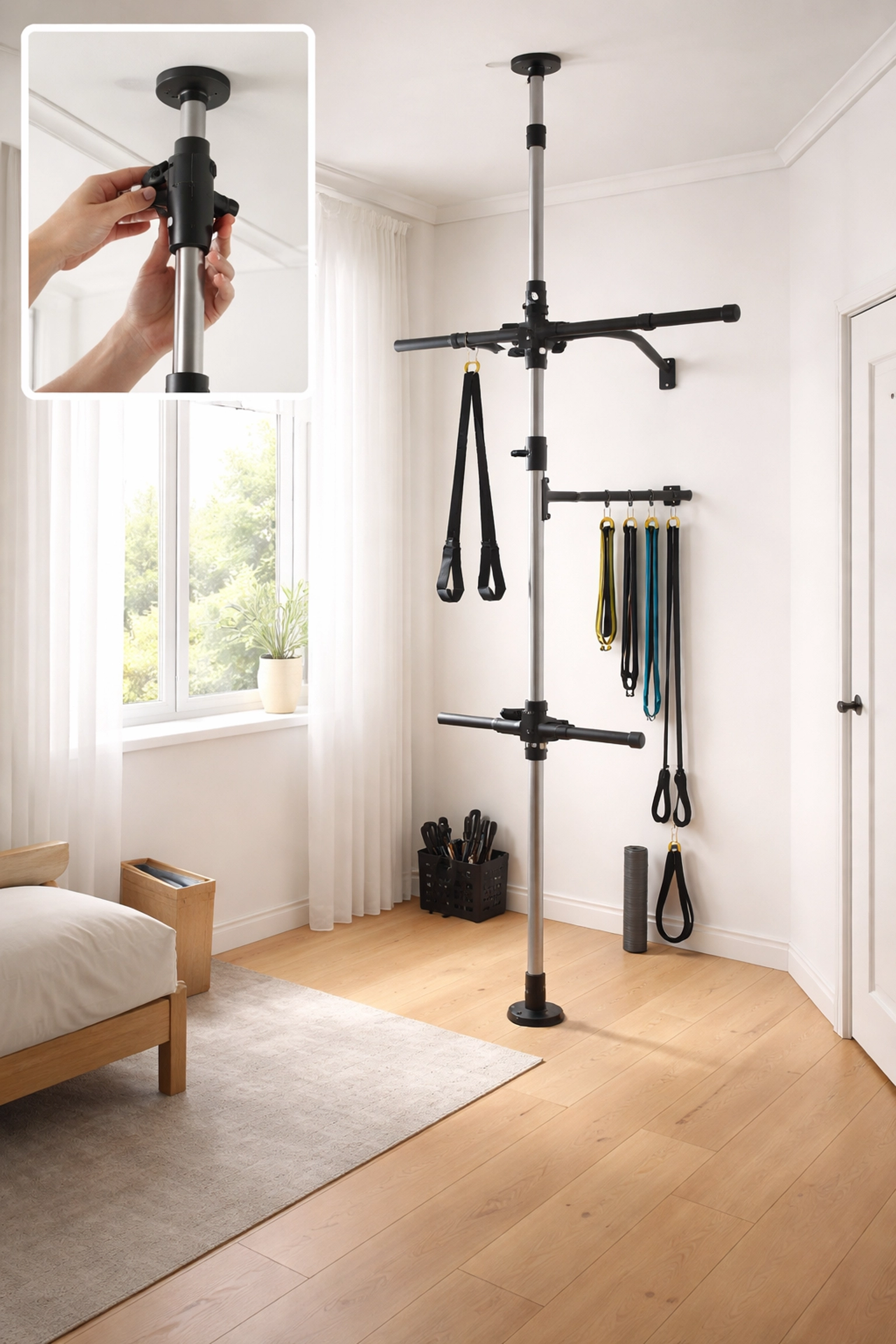
Step 3: Install the system. Quality floor-to-ceiling gyms install in minutes. Extend the pole or rail, lock it into place, and you're ready to train.
Step 4: Add your attachments. Rings, bands, suspension straps: whatever fits your training style. Start simple and build out over time.
The Bottom Line
Floor-to-ceiling gyms represent the future of home gym equipment for athletes who refuse to compromise. They solve the space problem, the damage problem, and the versatility problem all at once.
If you've been stuck choosing between a basic doorway pull up bar and expensive wall-mounted systems that destroy your rental deposit, there's finally a third option.
One that actually makes sense for how you want to train.
Ready to build your versatile home gym the right way? Start with the Resistance Rail Deluxe and see what training without limitations actually feels like.
