

You've got the drive. You've got the discipline. You're ready to build serious strength with bodyweight training at home. But there's one problem standing between you and your dream setup: your walls.
Whether you're renting, living in an apartment, or simply don't want to drill holes into your home, traditional home gym equipment can feel like a non-starter. Wall-mounted pull-up bars? Landlord nightmare. Ceiling anchors? Structural disaster waiting to happen.
Here's the truth: you don't need to destroy your walls to build a beast-mode calisthenics setup. Let's break down exactly how to create a versatile home gym that'll have you training like a ninja warrior, gymnast, or CrossFit athlete, without a single drill hole.
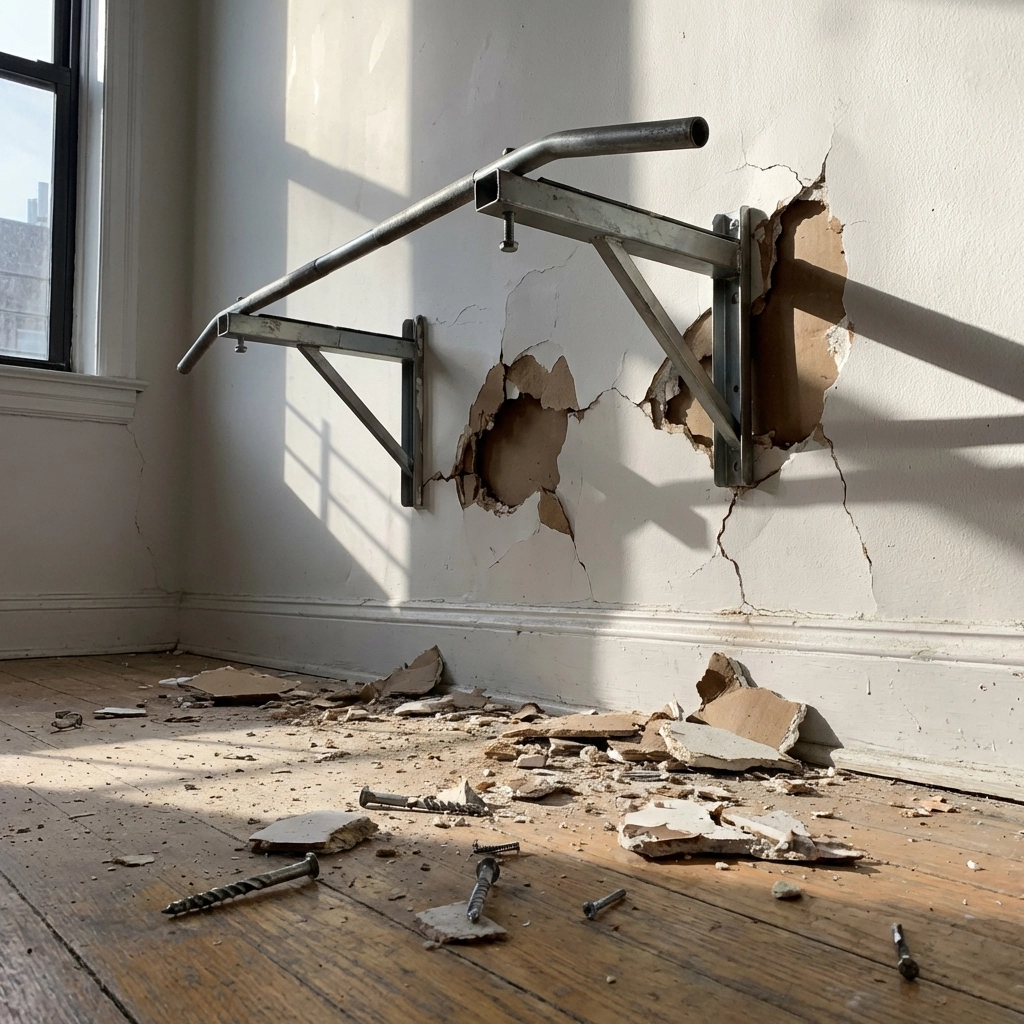
The Wall Damage Problem Nobody Talks About
Let's get real for a second. Most calisthenics equipment for home assumes you own your space and have zero concerns about putting holes in walls or ceilings. Pull-up bars need studs. Gymnastic ring mounts need ceiling anchors. Heavy bag setups need reinforced beams.
For renters? That's a security deposit gone. For homeowners? That's potential structural issues and a whole lot of patch work when you eventually move equipment around.
And let's not forget the safety factor. Mounting equipment into drywall alone is asking for trouble. One failed rep and you're looking at both a trip to the ER and a costly repair bill.
The good news? The fitness industry has evolved. A no wall damage workout system isn't just possible, it can be even more effective than traditional setups.
The Rise of Floor-to-Ceiling Gym Systems
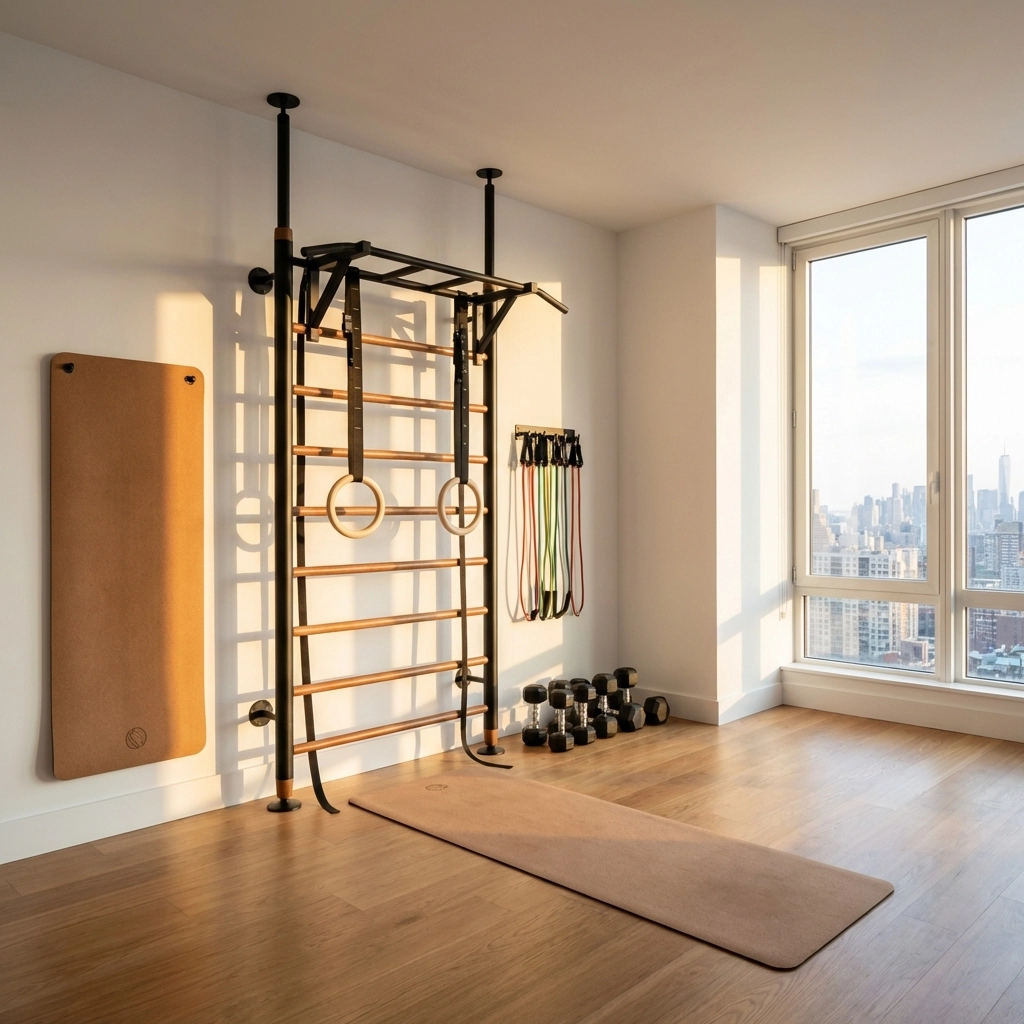
Here's where things get interesting. Floor-to-ceiling gym systems have completely changed the game for serious athletes who need a pull up bar alternative that doesn't require permanent installation.
These systems use tension-based mounting between your floor and ceiling, no drilling, no anchors, no damage. They're stable enough to handle intense workouts, versatile enough for dozens of exercises, and portable enough to move or adjust as needed.
The Resistance Rail from Bold Body Fitness is a prime example of this innovation. It's designed specifically for athletes who demand more from their home gym equipment without compromising their living space. Whether you're cranking out muscle-ups, practicing front levers, or hitting resistance training accessories, a floor to ceiling gym gives you the foundation for a complete full body workout at home.
Essential Calisthenics Equipment for Home (Zero Wall Damage Required)
Building a crossfit home gym or calisthenics setup doesn't require a massive investment or construction crew. Here's the essential gear that keeps your walls intact:
Freestanding Pull-Up Towers
The classic solution for a pull up bar alternative. Modern power towers offer pull-up stations, dip bars, and push-up handles in one unit. They're heavy enough to stay stable during intense training and require zero installation.
The downside? They take up significant floor space and can feel limiting for advanced athletes who want more exercise variety.
Gymnastic Rings
Possibly the most versatile piece of calisthenics equipment for home training. Rings can be suspended from a freestanding bar, power tower, or floor-to-ceiling system. They challenge stabilizer muscles, enable both push and pull movements, and scale from beginner to elite-level difficulty.
Pro tip: Wooden rings offer better grip than plastic, especially when your hands get sweaty during those brutal ring dip sets.
Parallettes and Push-Up Bars
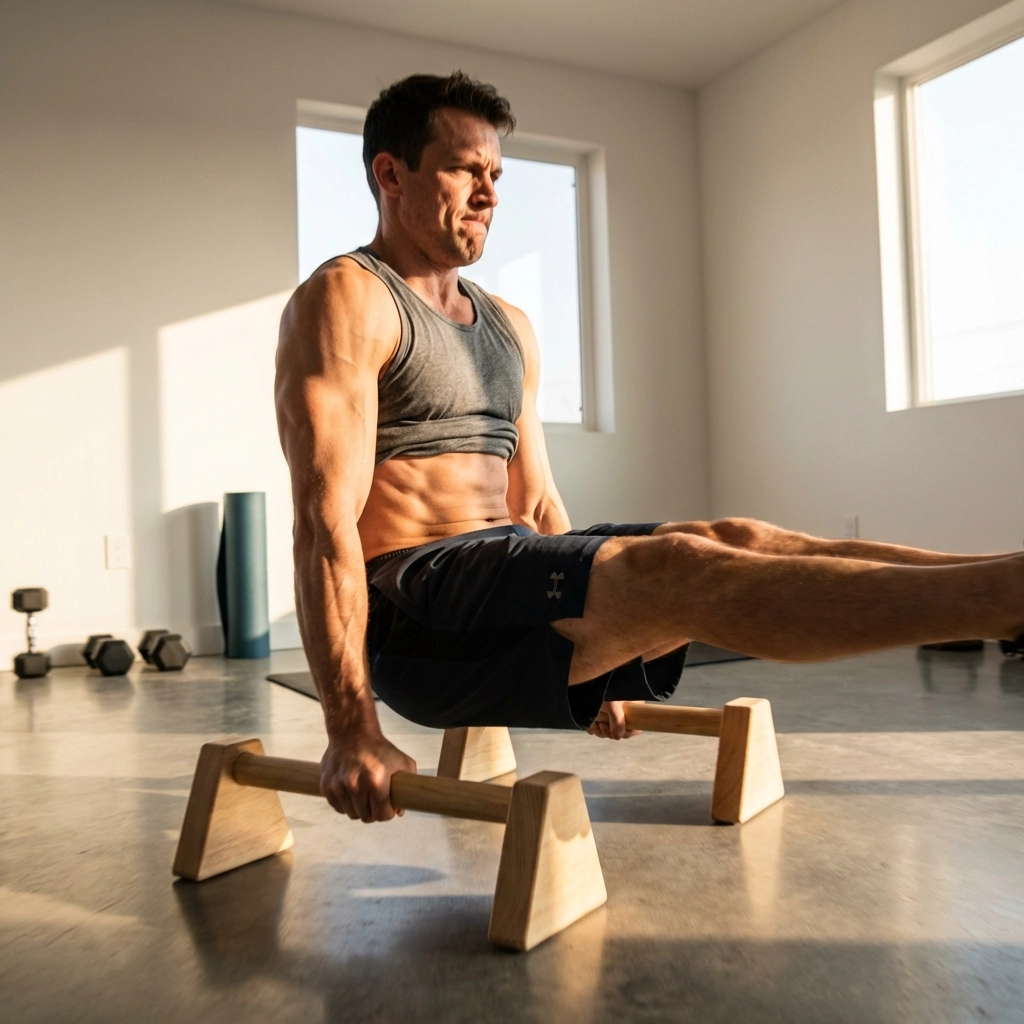
Don't sleep on these. Parallettes extend your range of motion during push-ups, protect your wrists, and unlock advanced movements like L-sits, planche progressions, and handstand work. They're portable, affordable, and require zero installation.
For serious bodyweight training at home, parallettes are non-negotiable.
Resistance Bands
The unsung hero of resistance training. Bands assist with exercises you haven't mastered yet (hello, one-arm pull-up progressions) and add resistance to movements that have become too easy. They're also essential for mobility work and warm-ups.
A solid set of bands from light to heavy resistance will run you about $30-50 and last for years.
High-Density Floor Mat
Your floor needs protection too. A quality exercise mat (at least 6mm thick) cushions your joints during ground-based exercises and prevents scratches on hardwood or damage to carpet. It also creates a non-slip surface for handstand practice and plank variations.
Building Your Beast-Mode Setup: The Smart Approach
Here's where we separate the weekend warriors from the serious athletes. A truly versatile home gym isn't just about accumulating equipment: it's about building a system that supports progressive training.
The most effective approach combines a solid foundation piece (like a floor to ceiling gym system) with complementary accessories. The Resistance Rail, for example, serves as the anchor point for gymnastic rings, resistance bands, and various attachments. One piece of equipment, dozens of exercise possibilities.
This approach beats cluttering your space with single-purpose machines that collect dust after the novelty wears off.
Space Requirements: How Much Room Do You Actually Need?
Good news: you don't need a dedicated room to build an effective calisthenics setup.
Plan for at least 3-4 square meters (roughly 35-40 square feet) of clear floor space. This gives you room for dynamic movements, handstand drills, and full range of motion on exercises like muscle-ups and skin-the-cats.
The key is vertical clearance combined with unobstructed horizontal space. A floor-to-ceiling system maximizes vertical space while minimizing the footprint: perfect for apartments, spare bedrooms, or garage corners.
Make sure you've got at least an arm's length of clearance around your training area. Nothing kills a workout faster than punching a wall during a explosive pull-up.
Budget-Friendly Starting Points
Not ready to invest in a complete setup? Start smart:
Minimum viable gym ($50-100):
- Doorway pull-up bar
- Set of resistance bands
- Parallettes (or DIY PVC version)
This gets you pulling, pushing, and progressing. It's not ideal for advanced athletes, but it's enough to build serious strength.
Intermediate setup ($200-400):
- Freestanding power tower OR floor-to-ceiling system
- Gymnastic rings
- Resistance bands (full set)
- Quality floor mat
Beast-mode setup ($400+):
- Floor-to-ceiling gym system like the Resistance Rail
- Gymnastic rings
- Weighted vest
- Parallettes
- Full resistance band set
- Premium floor mat
The beauty of calisthenics? You can always progress by adding reps, adjusting leverage, or slowing tempo. Expensive equipment is optional: smart training is mandatory.
The Bottom Line
Building a no wall damage workout system isn't about compromise. It's about training smarter.
Floor-to-ceiling gym systems, freestanding equipment, and portable accessories give you everything you need for a full body workout at home. You can train like an elite calisthenics athlete, CrossFit competitor, or ninja warrior without drilling a single hole.
Your walls stay intact. Your landlord stays happy. And your gains? They keep coming.
Ready to build your beast-mode home gym the right way? Check out the Resistance Rail and other home gym equipment at Bold Body Fitness and start training without limits.
